
CNC Tapping Guidelines
In modern manufacturing, threads are everywhere—from automotive assemblies and aerospace components to electronic devices and machinery. Creating precise, high-quality internal threads is essential for product performance, safety, and durability. Traditionally, tapping was done manually, a process that relied heavily on operator skill and often led to inconsistencies, slower production, and higher risk of errors or tool breakage.
CNC tapping has revolutionized this critical process by automating thread creation, ensuring high precision, repeatability, and efficiency. By synchronizing spindle rotation with feed rates, CNC machines can produce threads consistently, even in challenging materials or complex geometries. For manufacturers looking to improve quality, reduce labor costs, and accelerate production cycles, understanding the fundamentals and best practices of CNC tapping is more important than ever.
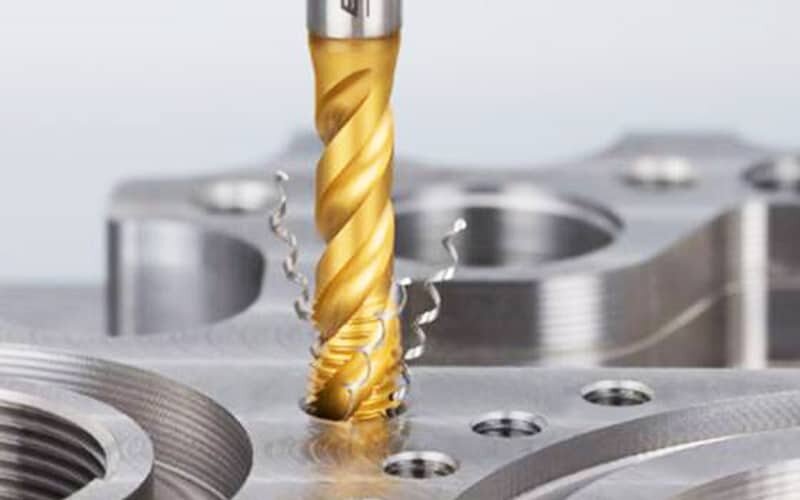
CNC Tapping Fundamentals
Before diving into the specific steps and techniques of CNC tapping, it’s important to understand what tapping actually is and how it differs from other thread-making methods. By establishing a clear definition and context, we can better appreciate the advantages of CNC automation and the critical factors that affect thread quality.
What is Tapping?
Tapping is the process of cutting internal threads in a pre-drilled hole so that screws or bolts can be fastened securely. Unlike thread rolling, which forms threads by deforming material, tapping removes material to create precise thread profiles. CNC tapping automates this process, allowing for consistent thread quality across multiple parts with minimal human intervention.
The Basic CNC Tapping Process
A standard CNC tapping operation typically involves several key steps:
- Hole Preparation (Drilling): The process starts with drilling a pilot hole to the correct diameter. Accurate hole sizing is critical, as it directly affects thread fit and tool life.
- Selecting the Right Tap or Tool: Choosing the appropriate tap type—such as spiral point, spiral flute, or forming tap—is essential and depends on factors like material type, thread depth, and hole configuration.
- Setting Feed Rate and Spindle Speed: CNC machines synchronize the spindle rotation with the feed. The correct combination of RPM and feed rate ensures smooth chip removal, prevents tool breakage, and produces clean threads.
- Synchronized Rotation and Feed (Rigid Tapping): In rigid tapping, the spindle and feed are perfectly synchronized, allowing the tap to cut threads without slipping or damaging the hole. Floating or self-reversing methods can also be used for specific applications, providing flexibility in alignment and chip management.
- Lubrication and Cooling: Proper cutting fluids or lubricants reduce friction and heat, extending tool life and improving thread quality, especially when working with tough materials like stainless steel or titanium.
By understanding these fundamentals, manufacturers can achieve consistent, high-quality threads while optimizing tool life and machine efficiency.
Tapping Tool Types and Functions
Selecting the right tap is critical for achieving precise threads, extending tool life, and improving machining efficiency. Different tap designs are suited to specific materials, hole types, and thread depths, making proper selection a key factor in CNC tapping success.
Common Tap Types
- Spiral Point Taps (Gun Taps): Designed to push chips forward, spiral point taps are ideal for through-holes in materials like steel or aluminum. They excel at high-speed production, reducing the risk of chip clogging and tool breakage.
- Spiral Flute Taps: These taps pull chips out of blind holes, making them perfect for applications where chip evacuation is difficult. They are commonly used in harder materials such as stainless steel.
- Forming (Roll) Taps: Instead of cutting material, forming taps displace it to create threads. This process produces stronger threads with better surface finish and is ideal for ductile materials like aluminum or copper. However, forming taps require higher torque and may not be suitable for brittle materials.
Tap Materials and Coatings
The material and coating of a tap significantly influence its performance and lifespan. Common tap materials include:
- High-Speed Steel (HSS): Offers good durability and versatility for most materials.
- Carbide: Extremely hard and wear-resistant, ideal for high-speed tapping in hard materials.
- Coated Taps (TiN, TiCN, TiAlN): Coatings reduce friction, improve wear resistance, and enhance performance when cutting tough metals such as stainless steel or titanium.
Selecting the right tap involves balancing material, coating, and design with the workpiece characteristics and machining conditions. For example, a spiral point HSS tap may work well in aluminum through-holes, while a TiAlN-coated carbide spiral flute tap is better suited for blind holes in stainless steel.
Matching Tap Type to Application
- Through-Holes: Spiral point taps efficiently clear chips forward, making them ideal.
- Blind-Holes: Spiral flute taps are preferred to evacuate chips backward.
- Soft, Ductile Materials: Forming taps can produce stronger threads and smoother surfaces.
- Hard or Tough Materials: Coated or carbide taps help maintain precision and tool life.
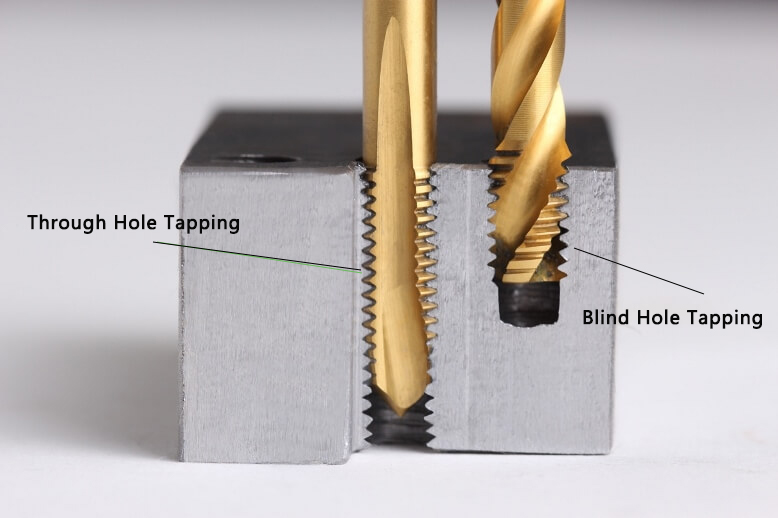
By understanding tap types, materials, coatings, and their application-specific advantages, manufacturers can optimize CNC tapping processes, reduce downtime, and achieve consistently high-quality threads.
CNC Tapping Methods and Applications
CNC tapping is not a one-size-fits-all process. The method chosen depends on the hole type, material, machine capabilities, and production requirements. Understanding the differences between tapping methods ensures optimal thread quality and machining efficiency.
Based on Hole Type
- Through-Hole Tapping: In through-holes, the tap passes completely through the material, allowing chips to exit freely. Spiral point taps are ideal for this application, as they push chips forward, preventing clogging and minimizing tool wear.
- Blind-Hole Tapping: Blind holes do not extend through the workpiece, which makes chip evacuation more challenging. Spiral flute taps are commonly used in these cases, as they pull chips out of the hole. Peck tapping, which involves retracting the tap periodically to clear chips, is also frequently employed to avoid breakage in deep blind holes.
Based on Machine Control
- Rigid Tapping: Rigid tapping synchronizes spindle rotation with the feed rate, ensuring precise thread cutting without tap slippage. This method is highly accurate and suitable for high-volume production.
- Floating Tapping: Floating or floating-head tapping allows minor misalignment between the tap and the hole axis, reducing the risk of tap breakage in setups where perfect alignment is difficult.
- Self-Reversing or Synchronous Tapping: These methods are commonly used for high-speed production on machines that cannot fully synchronize spindle rotation with feed. The tap automatically reverses at the end of the cut to retract safely.
- Peck Tapping: Particularly useful for deep or difficult blind holes, peck tapping involves advancing the tap in increments and retracting periodically to remove chips and reduce cutting forces.
Application Considerations
Choosing the right tapping method depends on multiple factors: hole depth, material hardness, thread size, and machine capabilities. For example:
- Hard materials like stainless steel or titanium benefit from rigid tapping with coated taps to maintain thread quality.
- Deep blind holes require peck or spiral-flute tapping to prevent chip clogging and tap breakage.
- High-speed production favors rigid or self-reversing tapping combined with optimized feed and spindle settings.
By understanding the different CNC tapping methods and their ideal applications, manufacturers can select the most effective approach for each job, improving productivity, reducing tool wear, and ensuring consistently accurate threads.
Advantages and Limitations of CNC Tapping
CNC tapping offers many benefits over manual tapping, but it also has some limitations that manufacturers should be aware of. The table below summarizes the key advantages and potential challenges:
| Advantages | Limitations |
| High Precision & Repeatability – CNC machines synchronize spindle and feed to produce consistent threads with tight tolerances. | High Machine Requirements – CNC tapping requires accurate machines and proper setup for optimal results. |
| Increased Efficiency – Automation enables faster production, especially for large batches. | Tool Breakage Risk – Incorrect feed, speed, or alignment can cause tap failure. |
| Reduced Labor & Errors – Minimal operator intervention reduces human error and improves overall quality. | Complex or Deep Holes – Blind or deep holes require careful planning, such as peck tapping and chip evacuation. |
| Versatility – Compatible with a wide range of thread sizes,materials, and hole types (through-holes and blind holes). | Material Limitations – Extremely brittle or very hard materials may need specialized taps or coatings. |
| Improved Safety – Lowers the risk of tap breakage and operator injury compared to manual tapping. | — |
Understanding these advantages and limitations allows manufacturers to leverage CNC tapping effectively while mitigating risks, ensuring high-quality threads with maximum efficiency.
CNC Tapping Best Practices
Achieving high-quality threads and long tool life requires more than just selecting the right tap and machine settings. Optimizing process parameters, lubrication, chip management, and programming strategies are essential for efficient CNC tapping.
Optimizing Feed and Speed
Proper spindle speed and feed rate are critical to prevent tap breakage, reduce tool wear, and produce clean threads. Softer materials, such as aluminum, can handle higher speeds, while harder materials like stainless steel or titanium require lower speeds and higher torque. Adjusting feed and spindle settings according to material type and thread size ensures smooth cutting and consistent results.
Lubrication and Chip Management
Lubrication plays a vital role in minimizing friction and heat generation. Using the correct cutting fluid or oil improves thread quality and extends tap life. For blind holes or deep threads, chip evacuation is crucial. Techniques such as peck tapping—where the tap periodically retracts to remove chips—combined with air or lubricant spray, help prevent chip clogging and reduce the risk of breakage.
CNC Programming Tips
Accurate programming enhances both efficiency and precision. G-code commands like G84, combined with appropriate parameters for feed, retract depth, and thread depth, allow the tap to move in a controlled, step-by-step manner. Programming should also account for hole position, thread length, and material-specific considerations to ensure smooth operation.
By following these best practices, manufacturers can achieve reliable, high-quality threads while maximizing tool life and minimizing downtime. These strategies not only improve efficiency but also reduce production costs and increase overall consistency in CNC tapping operations.
Material-Specific Challenges and Solutions
Different materials present unique challenges for CNC tapping, and understanding these differences is key to achieving high-quality threads and extending tool life.
Aluminum and Soft Materials
Aluminum and other soft, ductile materials are relatively easy to tap, as chips are generally short and evacuate easily. High spindle speeds and faster feed rates can be used to increase productivity. However, care must be taken to prevent galling, where the material sticks to the tap. Using light lubrication and sharp taps helps produce clean threads and smooth finishes.
Stainless Steel and Hard Materials
Stainless steel, hardened steels, and similar tough materials can work-harden quickly, making tapping more difficult. Slower spindle speeds and lower feed rates are essential to reduce cutting forces and avoid tap breakage. High-performance coated taps, such as TiN, TiCN, or TiAlN, improve wear resistance and heat management. Peck tapping or spiral flute taps are often necessary for blind or deep holes to prevent chip accumulation.
Titanium and High-Strength Alloys
Titanium and other high-strength alloys require specialized approaches due to their low thermal conductivity and high strength. Excessive heat can quickly damage the tap and compromise thread quality. Using rigid tapping with optimized feed rates, specialized coated or carbide taps, and generous lubrication is critical. Additionally, carefully planned chip evacuation, such as peck tapping combined with cutting fluid, helps maintain consistent thread profiles and prevents tap breakage.
By tailoring CNC tapping strategies to specific materials, manufacturers can optimize efficiency, reduce tool wear, and produce threads that meet strict quality standards, even in challenging applications. Understanding these material-specific considerations is essential for high-precision manufacturing and reliable assembly performance.
Automation and Future Trends
The future of CNC tapping is closely tied to automation and smart manufacturing technologies. As manufacturers strive for higher efficiency, precision, and consistency, integrating advanced automation into tapping operations is becoming increasingly common.
Robotic tool handling and automated tool changers allow taps to be swapped quickly and accurately, reducing machine downtime and enabling unattended operations. Sensors and monitoring systems can track tap wear, temperature, and vibration in real time, allowing predictive maintenance and minimizing unexpected tool failures.
Artificial intelligence (AI) and machine learning are also starting to play a role in CNC tapping. These technologies can analyze historical production data to optimize feed rates, spindle speeds, and tapping strategies for different materials and hole configurations. The result is improved productivity, longer tool life, and consistently high-quality threads.
High-speed robotic tapping systems are being integrated into smart manufacturing lines, enabling simultaneous tapping of multiple holes or components. This trend is particularly valuable for industries such as aerospace, automotive, and electronics, where precision, speed, and repeatability are critical.
As automation and AI technologies continue to evolve, CNC tapping will become faster, more reliable, and more adaptable, transforming the way threads are produced in modern manufacturing. Manufacturers who adopt these innovations can achieve significant competitive advantages, from reduced production costs to higher throughput and superior quality control.
Conclusion: Keys to Efficient, High-Quality CNC Tapping
CNC tapping delivers a level of precision, repeatability, and efficiency that is simply unmatched by manual threading methods. In the modern machine shop, success relies on a strategic combination of proper tap selection, optimized feed rates, synchronized spindle speeds, and high-performance lubrication. Whether you are working with aluminum or hardened steel, mastering material-specific strategies—such as utilizing slower surface footages for tough alloys or implementing peck tapping for deep-hole clearance—is essential for consistent thread quality and reliable CNC machining results.
With the integration of automation and “smart” tool-monitoring technologies, CNC tapping allows manufacturers to achieve significantly higher productivity while drastically reducing tool wear. By applying these best practices within your broader CNC machining workflow, you can produce high-quality internal threads efficiently while minimizing costly downtime and overhead.
CNC Tapping FAQs
What is tapping in CNC?
Tapping in CNC is the process of creating internal threads in a pre-drilled hole using a CNC machine. It automates thread cutting for high precision, repeatability, and efficiency, unlike manual tapping.
What are the three types of tapping?
The main types of tapping are:
Rigid Tapping – spindle and feed synchronized for high precision.
Floating/Compensated Tapping – tolerates slight misalignment.
Peck or Multi-Step Tapping – used for deep or blind holes to clear chips.
What is the best RPM for tapping?
The optimal RPM depends on material and tap type. Softer metals like aluminum allow higher speeds, while harder metals like stainless steel or titanium require slower spindle speeds and careful feed adjustments.
What materials are suitable for CNC tapping?
CNC tapping can be performed on a wide range of materials, including metals and plastics. Common metals include aluminum, stainless steel, brass, copper, and mild steel. Plastics such as ABS, nylon, and polycarbonate can also be tapped. The choice of material may affect the type of tap, speed, and lubrication used to ensure precise threads and prevent tool breakage.
What thread tolerances can CNC tapping achieve?
CNC tapping can produce highly precise threads, typically achieving standard tolerances such as Class 2B (internal threads) or 6H (metric threads). The actual tolerance depends on factors like material type, tap quality, hole preparation, machine rigidity, and cutting parameters. Using proper lubrication and alignment helps maintain consistent thread accuracy and prevents tap wear or breakage.