Automotive

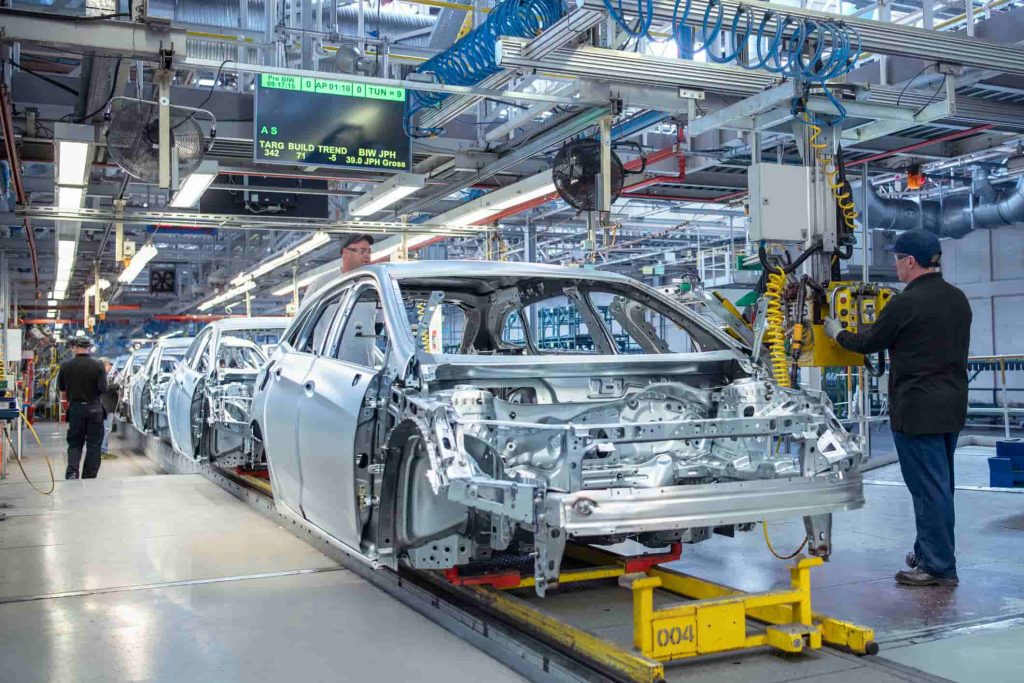
Our full-service focus on automotive prototyping and parts manufacturing has enabled us to expand our knowledge and experience in this field, from proof-of-concept design to mechanical component engineering testing, from exterior lighting prototypes to interior parts manufacturing.

Custom Auto Parts Manufacturing

Custom auto parts manufacturing makes it possible to produce high-quality custom parts. Many OEMs rely on auto parts manufacturing companies to produce auto parts that meet their standards. These auto parts must be compatible with specific vehicles, provide top performance, and be durable. Any auto parts manufacturer should provide quality assurance and testing services to ensure product quality before these parts reach the hands of consumers.
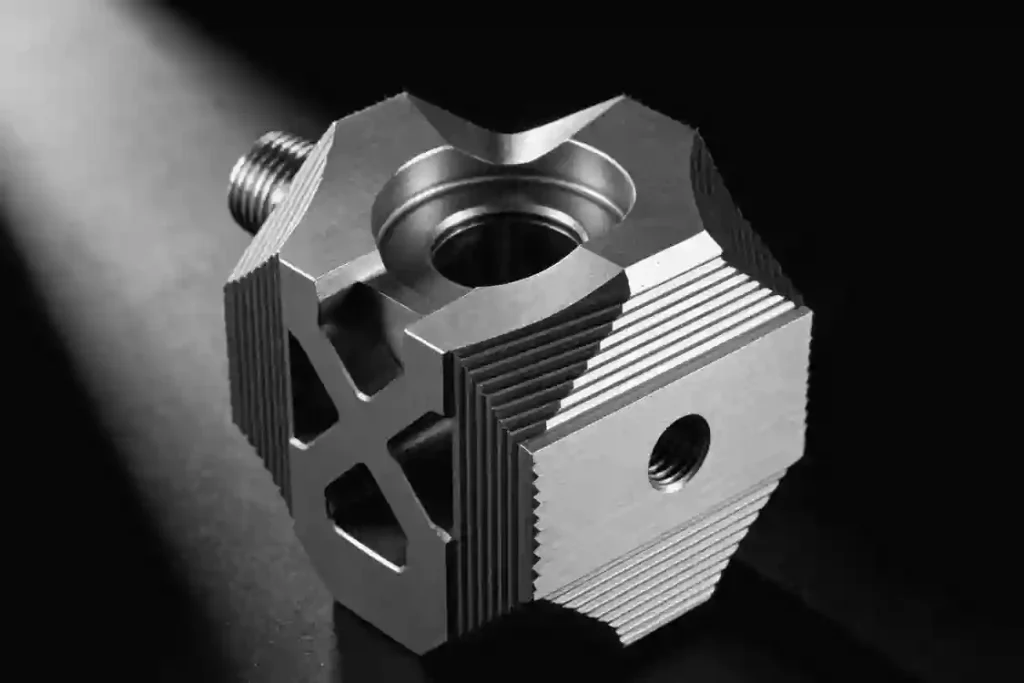
At XTPROTO, we provide high-quality auto parts to many OEMs. Our custom auto parts manufacturing uses a variety of machining technology solutions to manufacture parts to meet the precise specifications of our customers. We have a state-of-the-art manufacturing facility equipped with modern equipment designed to produce parts quickly and with high precision.
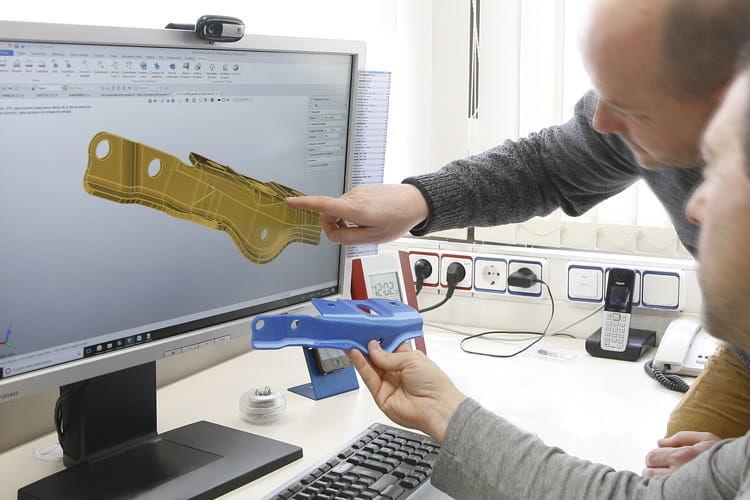
Our dedicated team regularly designs auto parts to the unique specifications and requirements of our customers. During the engineering design process, our team relies on top CAD/CAM software such as Virtual Gibbs CAM and AutoCAD to ensure that our parts meet design standards and perform optimally. At every step of the custom auto parts manufacturing process, our team follows strict quality guidelines. After the parts are manufactured in our machining shop, we inspect and test each product before shipping to ensure quality.

Sectors and Domains of Automotive

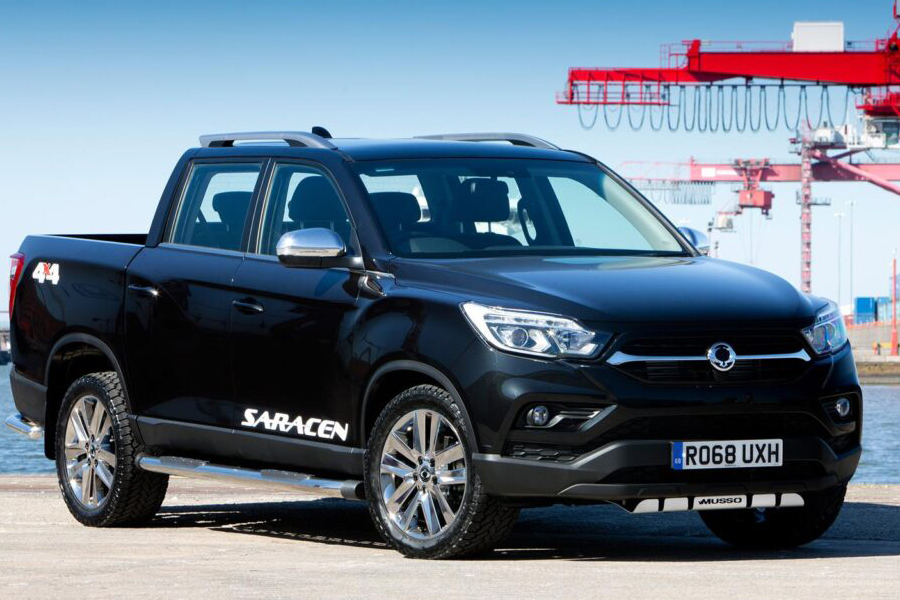
Commercial Vehicle CV Show SsangYong Musso 2018 Professional Pickup 1024x661 1

Passenger Vehicles (PV)
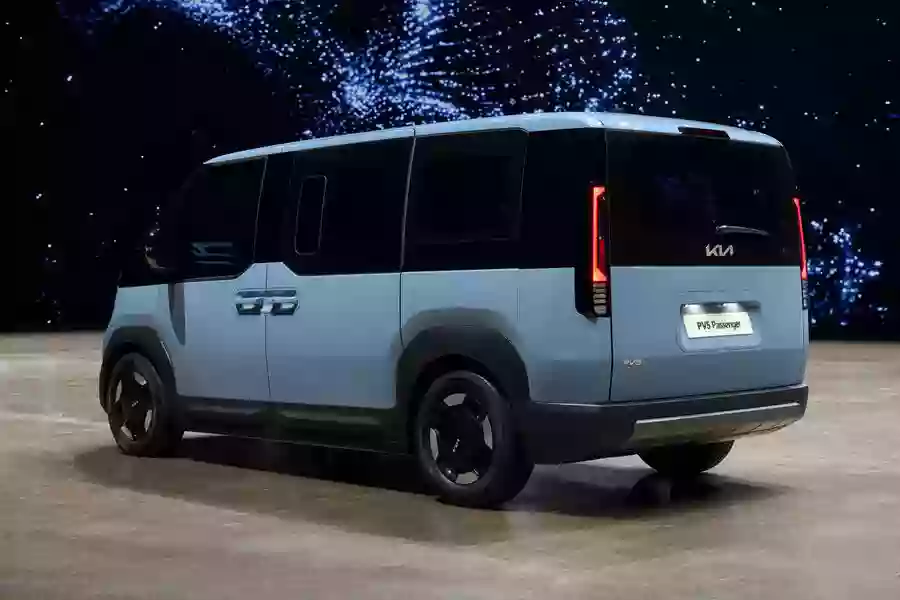
kia pv5 passenger rear quarter

Commercial Vehicles (CV)

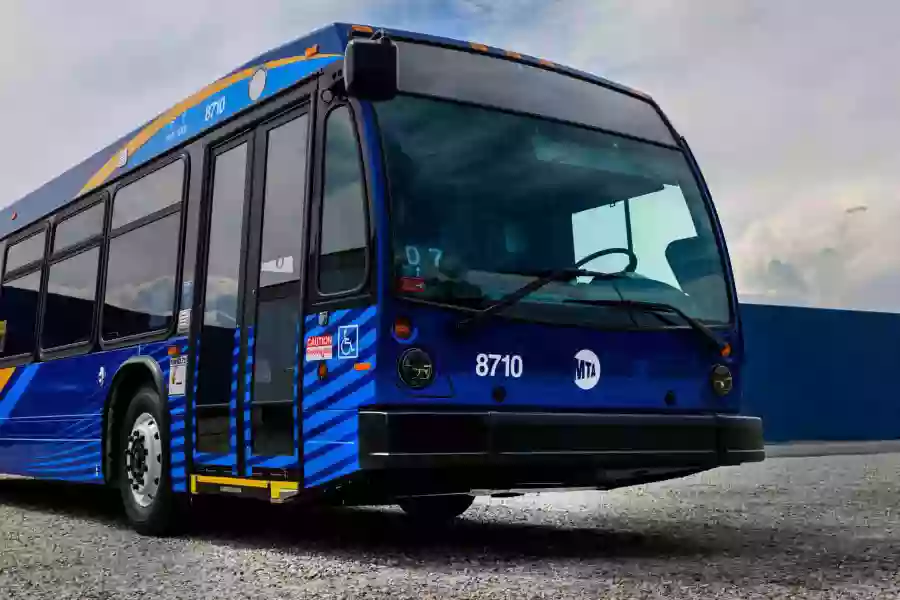
Mass Transit Buses.jpeg

Mass Transit & Buses

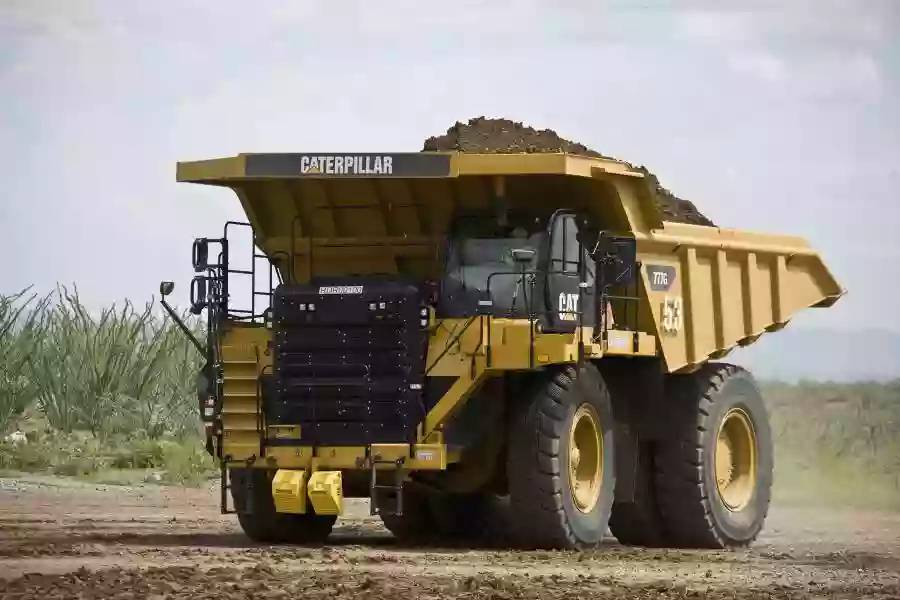
Off Highway Construction Vehicles

Off-Highway & Construction Vehicles
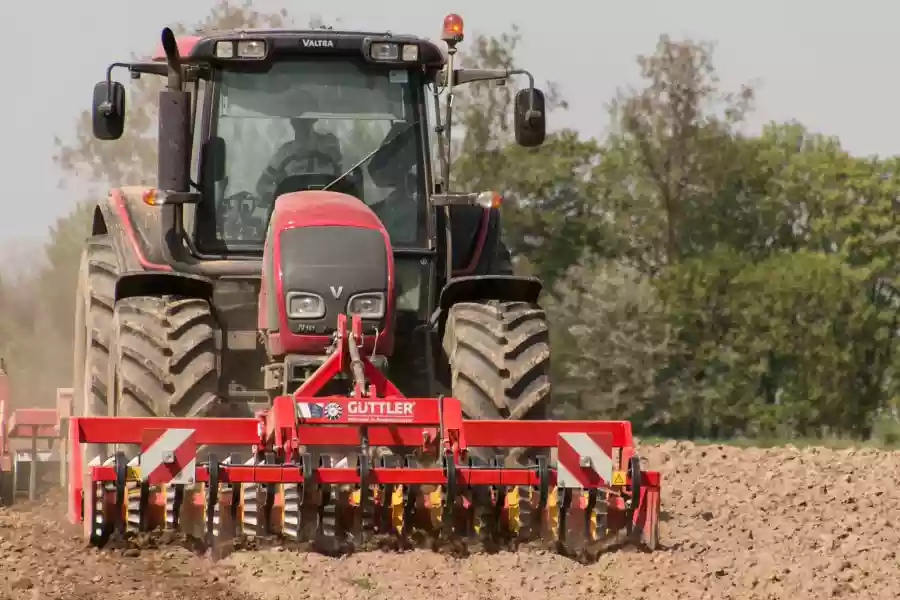
Agricultural Machinery
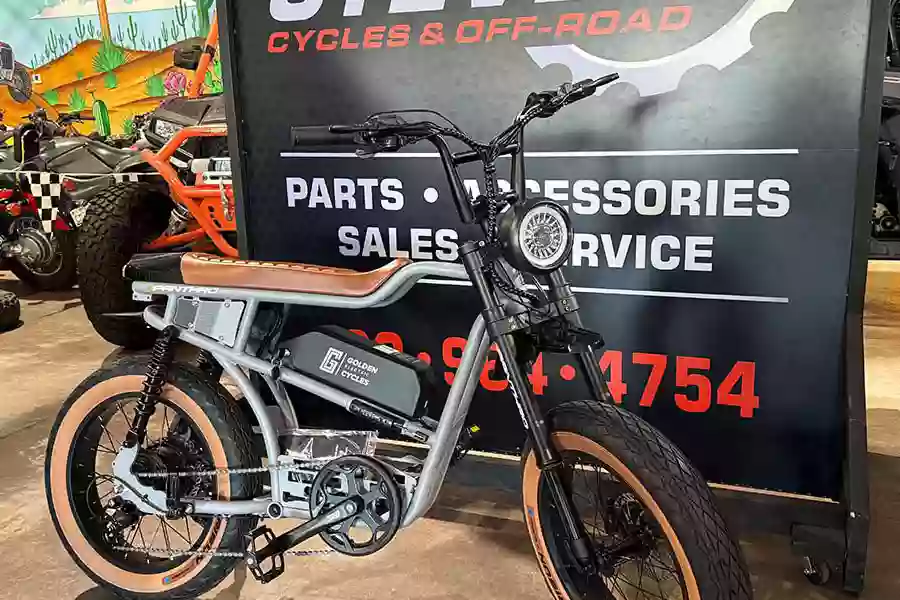
Agricultural Machinery

Two Wheelers Powersports

Two-Wheelers & Powersports

Shared Autonomous Mobility MaaS

Shared & Autonomous Mobility (MaaS)

defense cnc milling 1

Military & Defense Vehicles

24 hendrick motorsports chevro

EV

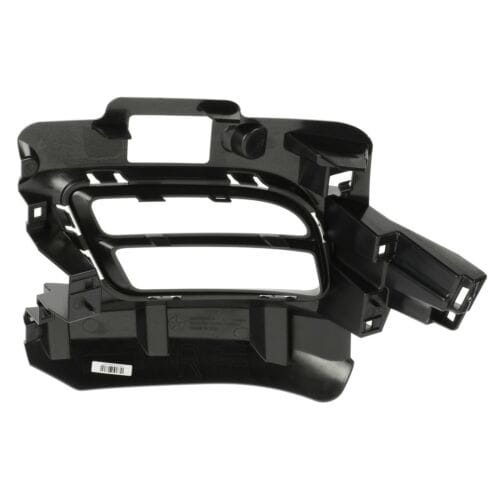
Automobile air conditioning vent plastic parts

MES-Powered Manufacturing Flexibility

Traditional contract manufacturing often struggles with engineering changes, leading to production delays and costly material waste. At XTPROTO, we eliminate this friction through our advanced, MES-driven digital shop floor. By converting ECN directives into automated production codes, we achieve rapid changeover and seamless synchronization between design and mass production. Our system instantaneously freezes obsolete components and pushes optimized assembly instructions straight to the assembly lines within hours. This high-velocity ECN digestion protects your automotive projects from dead inventory risks and unexpected downtime. With XTPROTO as your manufacturing partner, your automotive innovations are translated into high-quality, market-ready realities at high speed.

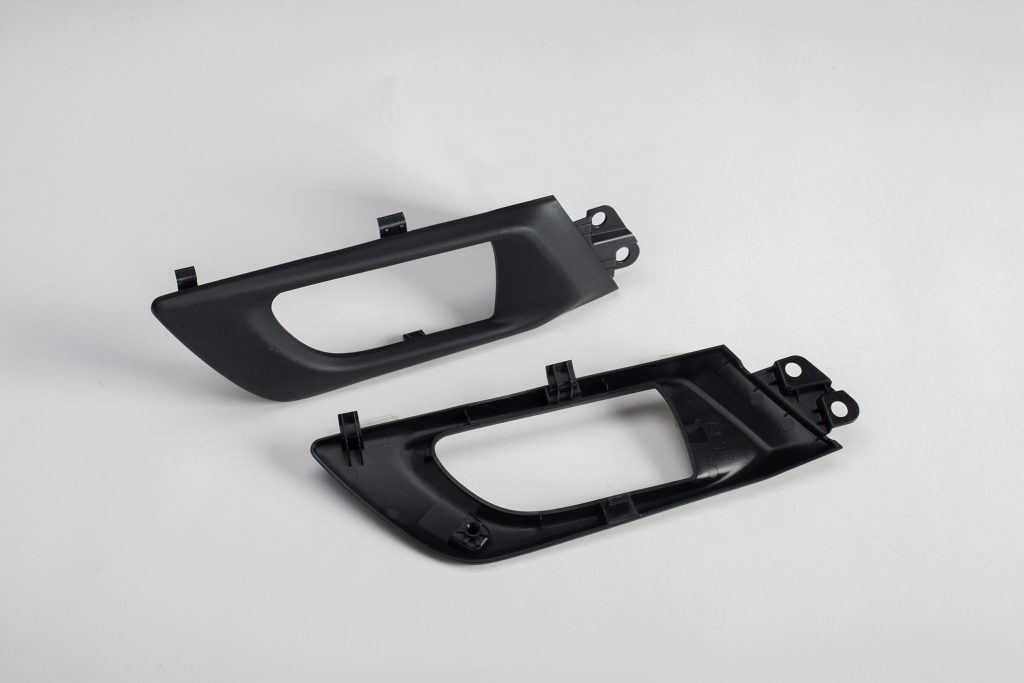
Automobile interior plastic parts

Modular Assembly and Production

XTPROTO accelerates the time-to-market for automotive products through modular production lines and rigorous canary testing processes. Our highly flexible modular line configurations allow for rapid reconfiguration to meet small-batch pilot production needs. Throughout the testing phase, our system locks in an immutable liability data chain, recording manufacturing parameters in real-time. This ensures total data transparency: we strictly validate your designs under actual production conditions and provide clear, data-backed evidence to protect the interests of both parties, effectively isolating any product risks prior to mass production.

Automotive

Automotive Prototype Part Manufacturing

The automotive industry is advancing rapidly through rapid prototyping and low-volume production to overcome the ever-shortening development cycles of traditional, electric and autonomous vehicles. As industry trends such as autonomous driving, in-vehicle connectivity and hybrid/electric vehicles continue to drive innovation, agility-focused automotive companies are turning to XTPROTO to accelerate new product development and bring products to market faster. With rapid digital manufacturing and automated manufacturability feedback, designers and engineers can reduce design and cost risks while developing a more responsive supply chain to better respond to driver and passenger demands for more customized vehicles.

The importance of car prototyping

Automotive prototyping plays an invaluable role in the product development process in the automotive industry.
Rapid prototyping drives automotive innovation by enabling manufacturers to visualize, test and refine design concepts to ensure high performance and safety in automotive parts produced prior to mass production.
In addition, prototyping can catch unforeseen problems at an early stage, preventing costly mistakes later on. Prototypes are also an effective tool for communication between teams and stakeholders, helping everyone understand the product vision. As a result, automotive prototyping can significantly reduce the risks associated with mass production, paving the way for manufacturing excellence and higher customer satisfaction.

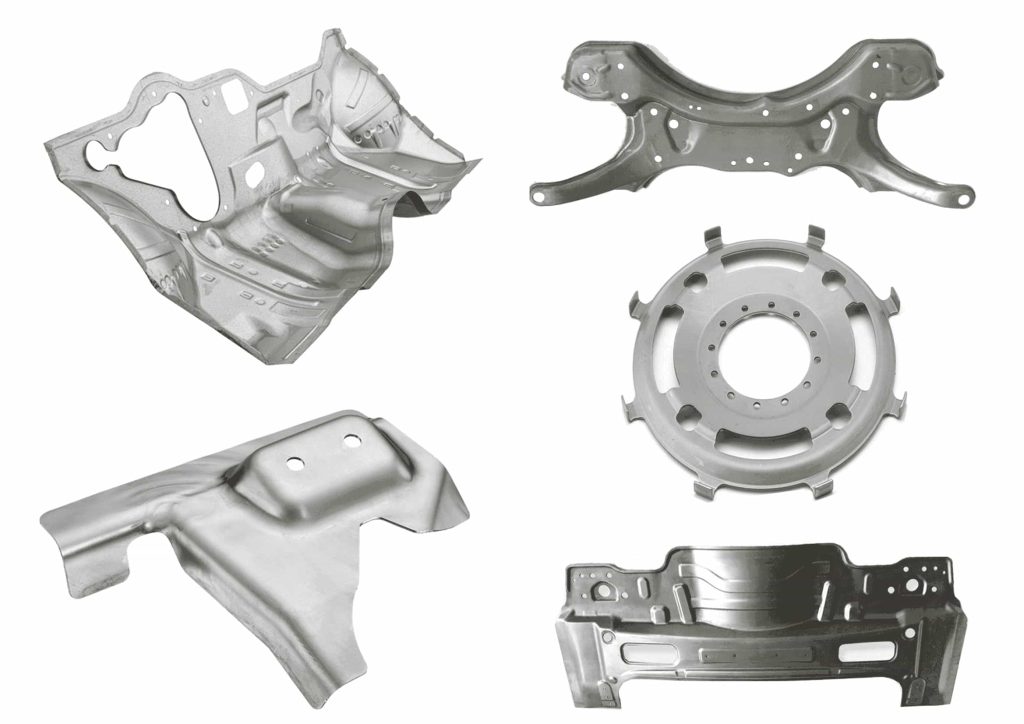
Automobile aluminum alloy sheet metal parts

Our Manufacturing Facility

To address the automotive industry’s pain points of heavy capital expenditure (CAPEX) and prolonged factory construction cycles, XTPROTO leverages our existing 160,000 sq. ft. standard automotive-grade manufacturing base to offer clients a turnkey, asset-light contract manufacturing solution:

Clients do not need to purchase land, build factories, or invest in facility infrastructure. By utilizing our ready-to-use factory resources, clients can transform heavy CAPEX into flexible operational expenses (OPEX) billed per actual production volume, significantly optimizing cash flow.

Our 160,000 sq. ft. facility is spacious enough to accommodate multiple large-scale automotive module production lines, high-standard cleanrooms (such as SMT/electronics assembly), and comprehensive warehousing/logistics zones, meeting the high-volume, multi-process demands of automotive manufacturing.

Capitalizing on our ample footprint, we can set up independent, enclosed production zones (Dedicated Areas) based on client or OEM security audit requirements. Equipped with separate access control and dedicated material pathways, we strictly safeguard your intellectual property (IP) and production confidentiality.

Compared to the typical 1-2 years required for clients to build their own factories, utilizing XTPROTO’s existing infrastructure for line implementation and equipment commissioning can shorten the time from blueprint to Start of Production (SOP) by over 30%.

cnc factory 4

Engineering and Collaborative Design Capabilities

XTPROTO goes beyond simple build-to-print manufacturing; we are dedicated to optimizing manufacturing processes. Our elite engineering team—comprising over 20 experts with a combined 30+ years of experience and a track record of more than 1,000 automotive projects—possesses deep expertise in DFM (Design for Manufacturability). We effectively bridge the gap between your conceptual designs and the requirements for scalable mass production. By identifying potential issues—such as stress concentrations, assembly interference, or mold manufacturing bottlenecks—prior to actual production, we help accelerate your APQP (Advanced Product Quality Planning) process.

xtproto engineers are discussing the customers custom part design

Our Manufacturing Services

XTPROTO offers best-in-class manufacturing capabilities, ideal for rapid prototyping and custom production orders. With our own factories and extensive manufacturing network, we are able to efficiently deliver complex and high-quality parts.

Five axis CNC machining of impeller parts

CNC Machining

By using CNC milling & turning, we can make a wide range of prototypes and production parts
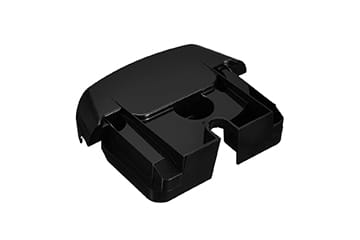
injection molding plastic parts

Injection Molding

We offer low-volume prototype moldings and mass production moldings.
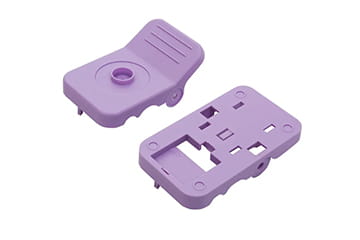
3D Printing Plastic Parts.png

3D Printing

We provide 3D printing services using a range of cutting-edge additive manufacturing technologies for metal or plastic parts
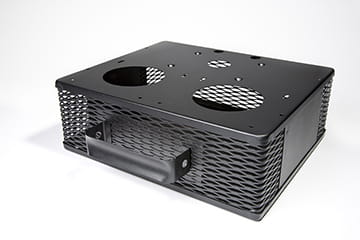
Sheet Metal parts

Sheet Metal Fabrication

Laser cutting, bending, stamping, spinning, punching, welding.
valve handle fabrication Metal Stamping

Metal stamping

Metal stamping is a cost-effective process for high-volume production of metal parts with consistent accuracy.
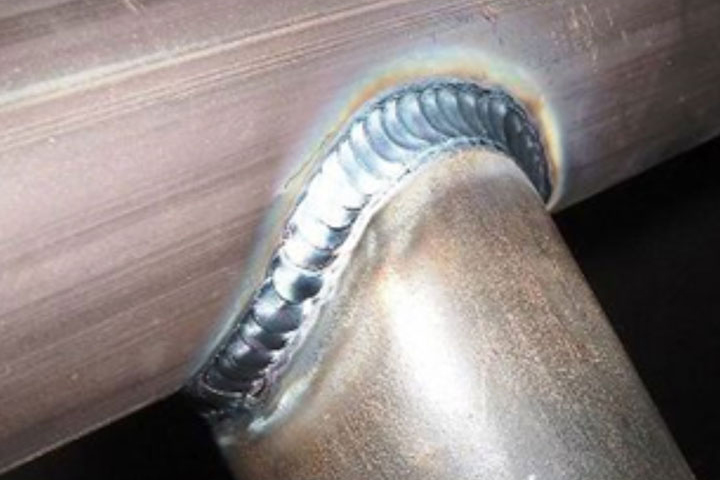
Welding

Welding

Welding is used to join metal parts with strong and reliable structural connections for assemblies and structures.
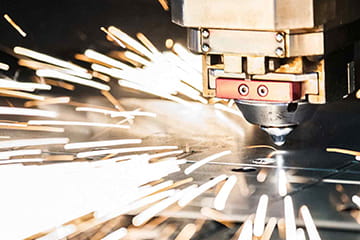
Laser Cutting

Laser Cutting

Laser cutting provides precise, clean cuts for sheet metal parts with high accuracy and fast turnaround.
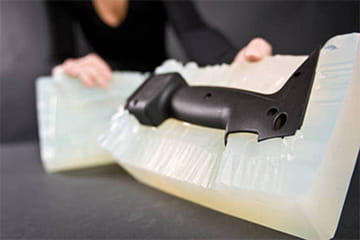
Vacuum Casting

Vacuum Casting

Vacuum casting is suitable for producing high-quality prototypes and low-volume parts with fine detail and good surface finish.
securing palletized freight with stretch wrap

Value-Added Services

Value-added services include finishing, polishing, coating, assembly, and packaging to complete final parts.

Technical Specifications

  • Machining Tolerances:Achievable tolerances down to ±0.005 mm (±0.0002″), validated through CMM inspection for full dimensional accuracy assurance.
  • Surface Finish:Standard machining finish down to Ra 0.8 μm (32 μin), with additional post-processing options available for improved surface quality.
  • Lead Times:Production timelines are managed according to project requirements, ensuring consistent and reliable delivery for both prototypes and production runs.
  • File Upload Support:Secure upload system supports 3D and 2D formats including STEP (.stp/.step), IGES (.igs), SolidWorks (.sldprt), DXF, and PDF files.
  • Data Security:All files are protected under NIST SP 800-171 standards, encrypted storage, and isolated secure server infrastructure.
  • Equipment Capacity:Advanced multi-axis CNC systems and large-scale additive manufacturing equipment enable production from micro components to multi-meter-scale parts within a 160,000 sq. ft. facility.
cnc motor handlebars

Automotive-Grade Quality Assurance & Compliance

At XTPROTO, quality is anchored in automotive rigor and enforced through full-scale digitalization. Our quality architecture stands on four heavy-duty pillars:

Our facility is equipped with state-of-the-art metrology equipment,including high-precision CMMs, 3D optical scanners, X-ray inspection, and automated E-test benches—ensuring microns-level precision for critical automotive components.

Backed by an elite team of over 20 dedicated quality engineers and black-belt inspectors, we actively manage risk from incoming materials (IQC) through in-process controls (IPQC) to final golden-sample audits (OQC).

We strictly execute APQP, PPAP, and FMEA protocols, integrating our MES to automatically capture torque, press-fit, and electrical testing data, building an unalterable digital birth certificate for every part.

Operating under audited IATF 16949 and ISO 9001 quality management systems, XTPROTO guarantees the strict safety margins and zero-defect compliance that global Tier-1s and OEMs demand.

CNC Quality Inspection

Why Automotive Companies Choose XTPROTO

Increased Productivity

Engineers save time and get parts quickly by not having to deal with an immature supply chain or lack of supply chain personnel within their company.
With XTPROTO, automotive and electric vehicle engineers can get quotes in minutes and parts in days, reducing cycle time by up to 50%.

Advanced Inspections: PPAP and APQP

Various services, including project feasibility, PFMEA, control plans, process flow diagrams. Customers can understand run rates and ensure new products are safely launched – on time and to your specifications.

World Class Quality

XTPROTO supplies automotive and EV parts to Fortune 500 automotive and EV customers, supported by our ISO9001:2015 quality management system. Our factory manufactures in accordance with IATF 16949:2016.

10X Tighter Tolerances

XTPROTO can machine parts with tolerances as tight as ±0.005 mm, 10X more accurate than other leading services.

Automotive Manufacturing Materials

All of our manufacturing processes offer a wide range of material options. Listed below are some common choices for automotive projects.

Metals

Aluminum

Aluminum is one of the most widely used CNC machining materials due to its excellent machinability, lightweight properties, and corrosion resistance. It is well-suited for both prototyping and mass production. Common grades include 6061, 7075, 2024, 5052, and 6082. It is widely used in aerospace structures, automotive components, enclosures, and robotics parts thanks to its high strength-to-weight ratio and fast machining performance.

Stainless Steel material

Stainless steel provides excellent strength, corrosion resistance, and long-term durability, making it ideal for demanding and harsh environment applications. Typical grades include 303, 304, 316/316L, and 17-4PH. It is commonly used in medical devices, food-grade equipment, shafts, and industrial machinery where wear resistance and reliability are critical.

Brass material

Brass is a highly machinable copper alloy known for its excellent cutting performance and smooth surface finish. It is widely used in precision components where dimensional accuracy and appearance are important, such as fittings, connectors, and decorative or functional hardware parts.

Common grades include C360, C260, and C280, which offer a balance of machinability, strength, and corrosion resistance depending on the application. Brass is commonly selected for electrical components, fluid fittings, and precision mechanical parts that require good conductivity and a clean, polished finish.

Carbon Steel material

Carbon steel is a strong and cost-effective material widely used for CNC machined structural and mechanical components. It offers excellent mechanical strength and reliability, making it suitable for load-bearing parts and general industrial applications where durability is essential.

Common grades include 1018, 1020, 1045, and A36, each providing different levels of hardness and machinability depending on the application requirements. Carbon steel is commonly selected for fixtures, mechanical parts, structural components, and general-purpose engineering parts due to its balance of strength, availability, and cost efficiency.

Copper material

Copper is widely used in CNC machining for its exceptional electrical and thermal conductivity, making it ideal for components that require efficient energy transfer and heat dissipation. It is commonly applied in electrical systems and thermal management applications where performance and reliability are critical.

Common grades include C110, C101, and C102, offering high purity levels and consistent material performance depending on application needs. Copper is frequently used in electrical connectors, busbars, heat exchangers, and precision conductive components due to its excellent conductivity and stable processing characteristics.

Bronze material

Bronze is a durable copper alloy known for its excellent wear resistance and low friction properties, making it well suited for moving mechanical parts. It performs reliably under load and is commonly used in applications where long service life and stable motion are required.

Common grades include C932, C954, and C836, each offering a balance of strength, machinability, and corrosion resistance depending on the application. Bronze is widely used in bearings, bushings, gears, and other precision mechanical components that operate under continuous motion or frictional contact.

Iron material

Iron is widely used in CNC machining for heavy-duty structural and industrial components due to its high rigidity and excellent vibration damping properties. It provides stable mechanical performance in applications where strength, stability, and load resistance are critical.

Common grades include cast iron and ductile iron, each offering different levels of strength, toughness, and machinability depending on the application requirements. Iron is commonly used for machine bases, housings, structural frames, and large mechanical parts that require strong vibration absorption and dimensional stability.

Steel material

Steel is a highly versatile CNC machining material valued for its strength, durability, and broad applicability across industrial and mechanical applications. It performs well in both structural and precision components where reliability and mechanical stability are required.

Common grades include 4140, 4130, mild steel, and tool steel, each offering different levels of hardness, toughness, and machinability depending on the application. Steel is commonly used for shafts, mechanical parts, tooling components, and structural assemblies due to its consistent performance and wide processing adaptability.

Magnesium Alloy material

Magnesium alloys are among the lightest structural metals used in CNC machining, offering excellent machinability and a high strength-to-weight ratio. They are ideal for applications where weight reduction is critical without compromising structural performance.

Common grades include AZ31 and AZ91, which provide a balance of mechanical strength, stability, and machinability depending on the application requirements. Magnesium alloys are commonly used in aerospace components, automotive parts, and lightweight structural assemblies where reduced mass and efficient machining are key priorities.

Titanium Alloy material

Titanium alloys are known for their exceptional strength-to-weight ratio and outstanding corrosion resistance, making them ideal for high-performance CNC machining applications. They maintain mechanical stability under extreme conditions, making them suitable for demanding engineering environments.

Common grades include Ti-6Al-4V (Grade 5) and Grade 2 titanium, each offering a balance of strength, ductility, and machinability depending on application requirements. Titanium alloys are widely used in aerospace, medical, and high-end industrial components where lightweight performance and reliability are essential.

Plastics

ABS plastic

ABS is a widely used engineering thermoplastic known for its excellent impact resistance, toughness, and good dimensional stability. It is suitable for CNC machining of functional prototypes, structural components, and general industrial parts where durability and cost efficiency are important.

Common grades include standard ABS, ABS-M30, and ABS+, offering variations in strength, surface finish, and processing performance depending on application needs. ABS is commonly used for enclosures, housings, fixtures, and prototype components due to its reliable machinability and balanced mechanical properties.

PP Polypropylene plastic

Polypropylene (PP) is a lightweight thermoplastic known for its excellent chemical resistance and good fatigue performance. It is commonly used in CNC machining for functional parts that require durability in chemical or moisture-rich environments.

Common grades include homopolymer PP and copolymer PP, offering different balances of stiffness, impact resistance, and machinability depending on application requirements. PP is widely used in fluid handling components, packaging prototypes, laboratory fixtures, and industrial parts where chemical stability and low weight are important.

PPS Polyphenylene Sulfide

PPS is a high-performance engineering thermoplastic known for its excellent heat resistance, chemical stability, and dimensional accuracy. It maintains mechanical strength under elevated temperatures and harsh chemical environments, making it suitable for demanding industrial applications.

Common grades include standard PPS and glass-filled PPS, which offer enhanced stiffness and improved structural stability depending on performance requirements. PPS is widely used in electrical components, semiconductor equipment parts, pump and valve components, and precision industrial assemblies where thermal and chemical resistance are critical.

PC Polycarbonate plastic

Polycarbonate (PC) is a strong, transparent engineering thermoplastic known for its excellent impact resistance and good heat stability. It is commonly used in CNC machining for durable functional parts that require both strength and optical clarity.

Common grades include standard PC and PC-ABS blends, offering different balances of toughness, machinability, and thermal performance depending on application needs. PC is widely used in protective covers, transparent housings, enclosures, and industrial components where clarity and impact resistance are important.

Nylon PA plastic

Nylon (PA) is a strong and versatile engineering thermoplastic known for its excellent wear resistance, toughness, and good self-lubricating properties. It is widely used in CNC machining for functional mechanical parts that require durability under friction and repeated motion.

Common grades include PA6, PA66, and glass-filled PA, offering different levels of strength, stiffness, and dimensional stability depending on application requirements. Nylon is commonly used in gears, bushings, rollers, and structural mechanical components where low friction and reliable wear performance are essential.

PTFE Teflon plastic

PTFE (Polytetrafluoroethylene) is a high-performance engineering plastic known for its exceptional chemical resistance, extremely low friction, and outstanding non-stick properties. It performs reliably in aggressive chemical environments and is widely used in applications requiring smooth sliding performance and sealing capability.

Common grades include virgin PTFE and filled PTFE, which offer different balances of purity, wear resistance, and mechanical strength depending on application needs. PTFE is commonly used in seals, gaskets, bearings, and sliding components where chemical stability and low surface friction are critical.

PET plastic

PET is a strong, dimensionally stable thermoplastic with good chemical resistance and low moisture absorption, making it suitable for precision CNC machined components that require consistent performance over time. It is commonly used in structural parts, mechanical components, and container applications.

Common grades include standard PET and PETG, offering different balances of stiffness, toughness, and machinability depending on application needs. PET is widely used in industrial fixtures, housings, and functional prototypes where strength, stability, and chemical resistance are important.

PEEK plastic

PEEK (Polyether Ether Ketone) is an ultra high-performance engineering plastic known for its exceptional thermal stability, chemical resistance, and outstanding mechanical strength. It performs reliably in extreme environments where most plastics fail, making it ideal for critical CNC machined components.

Common grades include unfilled PEEK, carbon-filled PEEK, and glass-filled PEEK, each offering different balances of strength, stiffness, wear resistance, and thermal performance. PEEK is widely used in aerospace, medical, semiconductor, and high-end industrial applications where high-temperature resistance and long-term durability are essential.

POM Acetal plastic

POM (Polyoxymethylene), also known as Acetal, is a high-performance engineering plastic known for its excellent dimensional stability, low friction, and strong wear resistance. It is widely used in CNC machining for precision mechanical parts that require consistent performance and smooth motion.

Common grades include Delrin® 500 and acetal copolymer, offering different balances of strength, stiffness, and machinability depending on application requirements. POM is commonly used in gears, bearings, bushings, and precision mechanical assemblies where low friction and high dimensional accuracy are critical.

PMMA Acrylic plastic

PMMA (Polymethyl Methacrylate), commonly known as acrylic, is a transparent engineering plastic valued for its excellent optical clarity, smooth surface finish, and good UV resistance. It is widely used in CNC machining for applications where visual appearance and light transmission are important.

Common grades include cast PMMA and extruded PMMA, which differ in internal stress levels, machinability, and surface quality. PMMA is commonly used in display panels, transparent covers, light guides, and decorative components where clarity, aesthetics, and weather resistance are required.

Surface treatment for the automotive industry

XTPROTO offers a wide range of high-level surface treatments. We have listed only some common surface treatment options. There are many more surface treatment options for custom parts in the automotive industry.

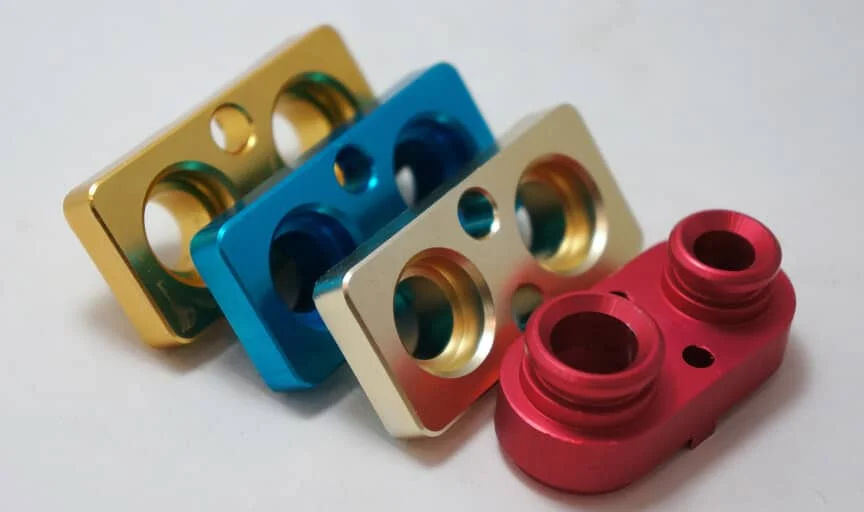
  • Polishing, Sandblasting
  • Brushed, Anodizing,
  • Electrophoresis
  • PVD
  • Plating
  • Etching
  • Spray
  • Laser carving
Surface Finishes Drone Xtproto

Surface Finishes

Automotive Parts

At XTPROTO, we increase productivity for a wide range of automotive parts. Common automotive applications we undertake include:

  • Lighting features and lenses
  • Aftermarket parts
  • Fixtures
  • Housing and enclosures
  • Armatures
  • Assembly line components
  • Support for vehicular consumer electronics
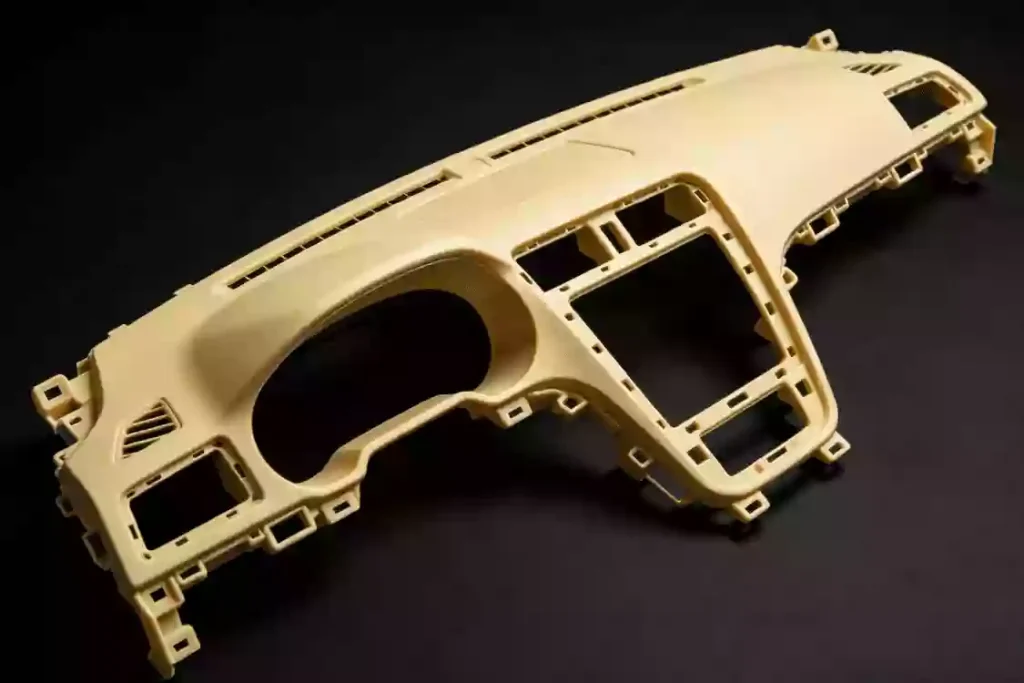
  • Plastic dash components
  • Engine parts
  • Replacement parts
  • Legacy/obsolete parts
  • Electric vehicle and battery parts
  • Jigs and fixtures
  • E-bike and scooter parts
  • Custom body parts
  • Commercial/utility vehicle parts
  • Dashboard and steering wheel components
  • Bumpers

Produce high-precision automotive parts to your specifications now

XTPROTO helps automotive manufacturers produce prototypes, tools, and custom parts in a cost-effective manner, speeding up production and helping to streamline the customization process.
Our extensive experience in a variety of advanced and traditional manufacturing technologies enables us to provide high-quality prototypes and parts. With today’s material tracking software, it is easier than ever to manage consumable serial numbers, batches, and order quantities, even with the most stringent inventory control systems. We also offer a variety of manufacturing processes, materials, and finishing options to meet your prototype or part needs.
At XTPROTO, we provide automotive innovators and engineers with rapid prototypes and parts that meet their specifications, even for the most complex or unique designs. If you need a reliable, cost-effective partner, contact us today.

Other Industries We Serve

Aerospace Aviation

Aerospace

Medical

Medical

Electronics

Electronics

Industrial Equipment

Industrial Equipment

robotic cnc milling

Robotic

Drone product

Drone

FAQs

How does XTPROTO handle frequent engineering changes (ECNs) without delaying delivery?

Our digital MES-driven shop floor automatically converts ECN directives into production codes within hours, instantly freezing obsolete parts and pushing optimized instructions straight to the lines to ensure seamless design-to-production synchronization without downtime.

How do you protect our proprietary design files and smart EV firmware?

We secure your IP by encrypting all 2D/3D CAD data under NIST SP 800-171 standards on isolated servers, utilizing timestamped encryption for firmware flashing, and manufacturing high-security automotive projects within physically isolated zones with restricted personnel access inside our 160,000 sq. ft. facility.

What does your "automotive-grade traceability" look like in practice?

Adhering to IATF 16949 standards, our Industrial IoT platform links every custom component to a unique ID that automatically logs 100% of its manufacturing history—including raw material batches, CNC toolpaths, injection pressures, and assembly torque—to deliver an unalterable liability data chain.

How do you validate your ±0.005 mm tolerance claim for car parts?

We verify micron-level dimensions using advanced CMM inspection and AI vision systems, and we provide complete PPAP and APQP documentation—including PFMEAs, control plans, and process flow diagrams—to fully satisfy strict OEM and Tier 1 compliance standards.

How does XTPROTO handle the capacity transition from low-volume prototyping to mass production?

We bridge the gap between initial R&D and serial SOP through our 160,000 sq. ft. facility equipped with flexible, modular production lines. Our shop floor supports single-unit functional prototypes and pilot runs under 1,000 units using rapid tooling and multi-axis CNC, then seamlessly scales production up to tens of thousands of parts per month without the quality friction or lead-time delays of switching vendors.

How do you ensure delivery flexibility and accommodate sudden automotive supply chain fluctuations?

To uphold strict Just-In-Time (JIT) standards, our MES-driven digital shop floor synchronizes automated AGV logistics with real-time WIP tracking. This full-process visibility allows us to absorb urgent order changes or volume spikes without disrupting the main assembly line or compromising our JIT commitments.

Ready to get a quote for custom auto parts?

XTPROTO excels in automotive prototyping and provides exceptional precision in automotive parts manufacturing. We specialize in manufacturing high-quality mechanical components, and our expertise ensures best-in-class results for every project. Contact us today for a quote.

Scroll to Top