
The Ultimate Guide to CNC Machining Bronze: Grades, Tips, and Applications
In the demanding world of precision engineering, choosing the right material is often the difference between long-term reliability and premature failure. When it comes to components that must survive high-load, high-wear, and chemically aggressive environments, few materials offer the unique intersection of durability, low friction, and corrosion resistance quite like bronze.
While modern plastics and high-tech ceramics have their place, CNC machining bronze remains the gold standard for critical components where performance matters more than cost.
From the deep-sea valves of a nuclear submarine to the high-speed bushings in aerospace landing gear, machined bronze parts are the silent workhorses of global industry.
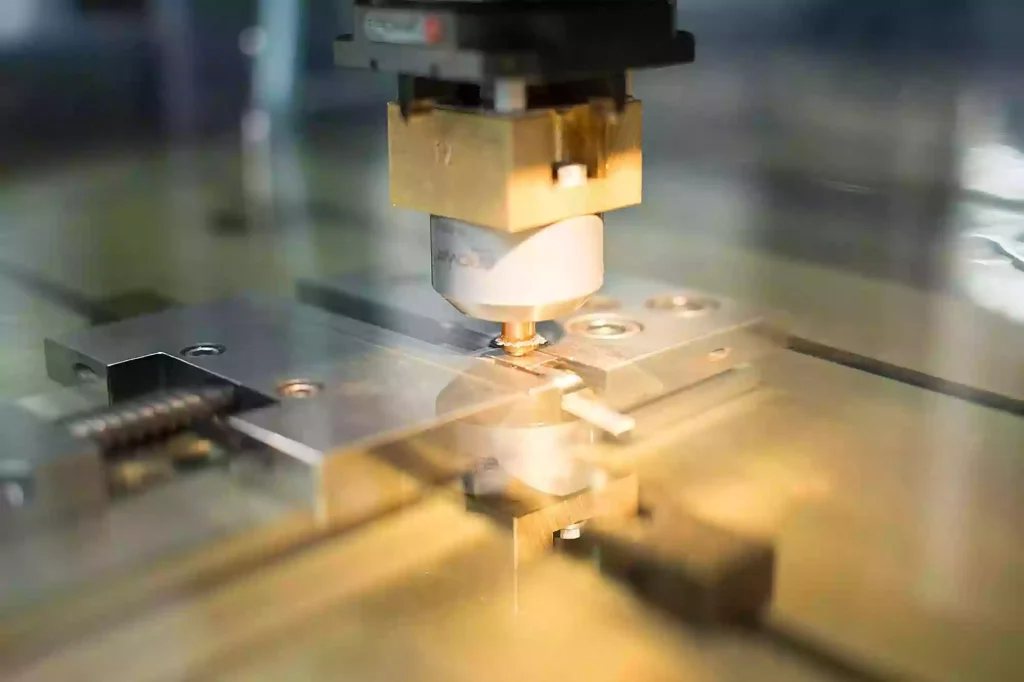
Why Choose Bronze for CNC Machined Parts?
In short, bronze is not chosen because it is easy to machine—it is chosen because it performs where other materials fail.
Unlike brass (copper + zinc) or pure copper, bronze is primarily an alloy of copper and tin. However, modern CNC machining often utilizes specialty bronzes that incorporate elements like aluminum, manganese, silicon, or phosphorus to achieve specific mechanical properties.
Choosing bronze for your next CNC project isn’t just about aesthetics (though its golden-red hue is a plus). Engineers prioritize it for three key reasons:
Natural Lubricity
Bronze has an exceptionally low coefficient of friction against other metals, making it the premier choice for bearings, bushings, and thrust washers where metal-on-metal contact is unavoidable.
Marine-Grade Corrosion Resistance
Most bronze alloys are highly resistant to saltwater corrosion and immune to dezincification—a common failure point for lower-cost brass components.
Non-Sparking Safety
In oil, gas, and mining environments, bronze components are essential because they do not generate sparks under impact, reducing the risk of explosion in volatile conditions.
Why Use CNC Machining for Bronze Parts?
While bronze can be cast, CNC machining is essential when precision and consistency are required.
Tight tolerances (down to ±0.005 mm), repeatability, and surface finish quality cannot be reliably achieved through casting alone—especially for modern assemblies with complex geometries.
Whether it’s 3-axis milling or multi-axis turning, CNC machining enables intricate designs and consistent part quality at both prototype and production scale.
Choosing the Right Bronze Grade for CNC Machining
Not all bronze is created equal. The alloying elements—such as aluminum, tin, or phosphorus—drastically influence both machinability and real-world performance.
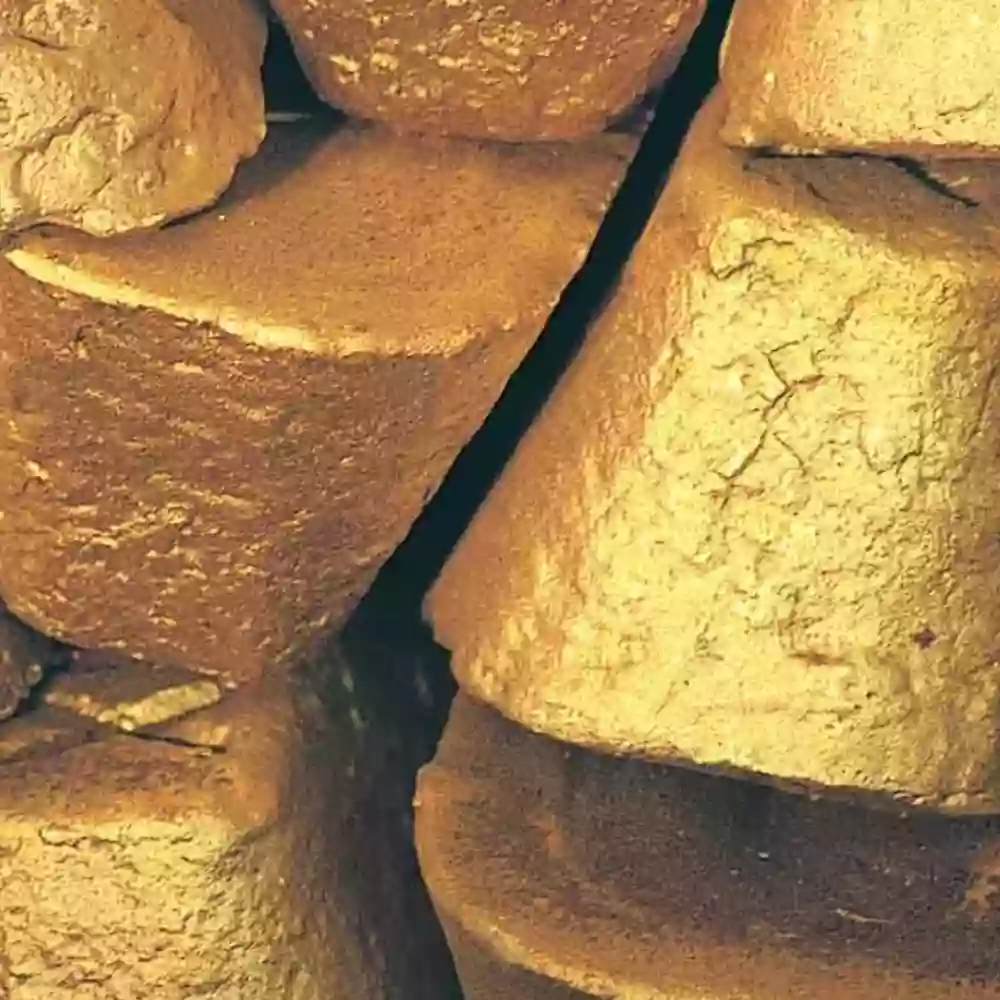
The following are the most commonly used bronze grades in precision CNC machining:
Comparison of Popular Machining Bronze Grades
| Alloy Grade | Common Name | Key Characteristics | Best For |
| C93200 | SAE 660 Bearing Bronze | Excellent anti-friction, easy to machine, good wear resistance | Bushings, bearings, thrust washers |
| C95400 | Aluminum Bronze | Extremely high strength, superior corrosion and wear resistance | Marine hardware, landing gear, heavy-duty gears |
| C51000 | Phosphor Bronze | High fatigue resistance, fine grain structure | Springs, electrical connectors, diaphragms |
| C63000 | Nickel Aluminum Bronze | Exceptional strength, excellent saltwater resistance | Valve stems, pump parts, underwater fasteners |
The Most Common Bronze Grades for CNC Machining
C93200 (SAE 660 Bearing Bronze)
If you are machining bushings or bearings, C93200 is almost always the default choice.
This is the most common “general purpose” bronze. It contains a high lead content, which acts as a natural lubricant during machining and in service. It is widely used because it protects mating steel shafts from wear, effectively acting as a high-performance sacrificial component.
C95400 (Aluminum Bronze)
For high-load or high-pressure environments, C95400 aluminum bronze is the industry standard.
It offers excellent strength, wear resistance, and corrosion resistance, making it ideal for demanding applications such as oil & gas and marine systems. However, it is more difficult to machine and requires rigid setups and high-quality tooling.
C51000 (Phosphor Bronze)
For applications requiring precision, elasticity, and fatigue resistance, C51000 is a strong candidate.
The addition of phosphorus refines the grain structure, improving both mechanical properties and machinability in precision turning operations. It is commonly used in electrical components due to its conductivity and resistance to fatigue failure.
Bronze vs. Brass vs. Copper: Which Is Right for You?
One of the most common questions in CNC procurement is whether brass can be used as a lower-cost substitute for bronze. The answer depends entirely on the application.
Quick Comparison
| Feature | Bronze (C932/C954) | Brass (C360) | Copper (C110) |
| Machinability | Moderate to Difficult | Excellent | Poor (Gummy/Sticky) |
| Strength | High | Moderate | Low |
| Corrosion Resistance | Superior (Marine Grade) | Good | Moderate |
| Cost | Highest | Moderate | High |
In practical terms, bronze sits at the intersection of strength, wear resistance, and reliability—where brass is optimized for machinability, and copper for electrical and thermal conductivity.
Precision CNC Machining Techniques for Bronze
Machining bronze requires a different approach compared to aluminum or steel.
Because some grades—especially aluminum bronze—are abrasive, careful control of tooling, heat, and cutting parameters is essential.
Tooling
Carbide tools are required. Softer bronzes benefit from sharp positive rake angles, while harder alloys require stronger cutting edges to prevent chipping.
Heat Management
Bronze expands when heated. High-pressure coolant is used to maintain temperature stability and ensure dimensional accuracy.
Feed Rates
Consistent feed rates are critical. Dwelling or feeding too slowly can lead to work hardening, which negatively impacts both tool life and surface quality.
Overcoming Common Challenges in Bronze CNC Machining
While bronze is highly versatile, it presents several machining challenges that require experience to manage effectively.
Work Hardening
Certain alloys can harden during machining if the tool dwells too long. Maintaining consistent cutting motion helps prevent this issue.
Abrasiveness
High-strength bronzes can accelerate tool wear. Regular monitoring and timely tool replacement are essential for maintaining accuracy.
Chip Control
Some bronze grades produce long, stringy chips. Using chip-breaker geometries and high-pressure coolant helps prevent surface damage and improve process stability.
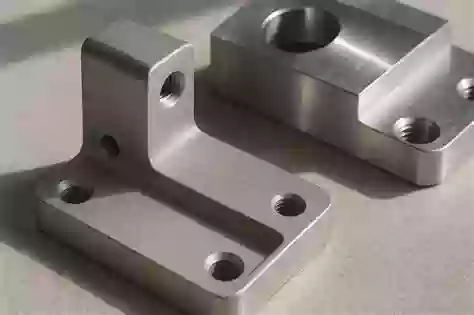
Surface Finishing Options for Machined Bronze
Bronze is valued for its natural appearance, but post-processing can further enhance both aesthetics and performance.
As-Machined
A typical surface finish of Ra 1.6–3.2 µm is sufficient for most industrial applications.
Polishing
Used for decorative or architectural components requiring a reflective surface.
Bead Blasting
Creates a uniform matte finish that reduces glare and hides machining marks.
Oil Coating / Passivation
Helps delay oxidation and maintain surface condition during storage and use.
Common Applications of CNC Machined Bronze
CNC machined bronze components are widely used in industries where reliability is critical:
Aerospace: landing gear bushings, actuator components
Marine: propeller shafts, pump impellers, underwater valves
Heavy machinery: gears, hydraulic components
Oil & gas: non-sparking tools, valve stems
Wherever friction, load, and corrosion are present, bronze remains a preferred engineering material.
Conclusion: Why Bronze Remains a Critical Engineering Material
CNC machining bronze is less about cutting speed and more about understanding the material itself.
From tool wear and heat control to grade selection, every decision directly affects performance in the final application.
When applied correctly, bronze components can operate reliably for years under conditions that would quickly degrade other materials. When misapplied, failure is often rapid and costly.
That is why, in demanding industries, bronze is not just an option—it is a deliberate engineering choice.
Frequently Asked Questions
Is bronze harder to machine than brass?
Yes. Bronze is generally stronger and more abrasive than brass, requiring slower cutting speeds and more durable tooling.
Can aluminum bronze be CNC machined?
Yes. With rigid setups and proper carbide tooling, aluminum bronze can be machined to tight tolerances.
What is the most common bronze for bearings?
C93200 (SAE 660) is the most widely used due to its excellent anti-friction properties and machinability.
Is bronze expensive to machine?
Yes. Bronze typically has higher material and machining costs compared to brass, but it offers superior performance in demanding applications.