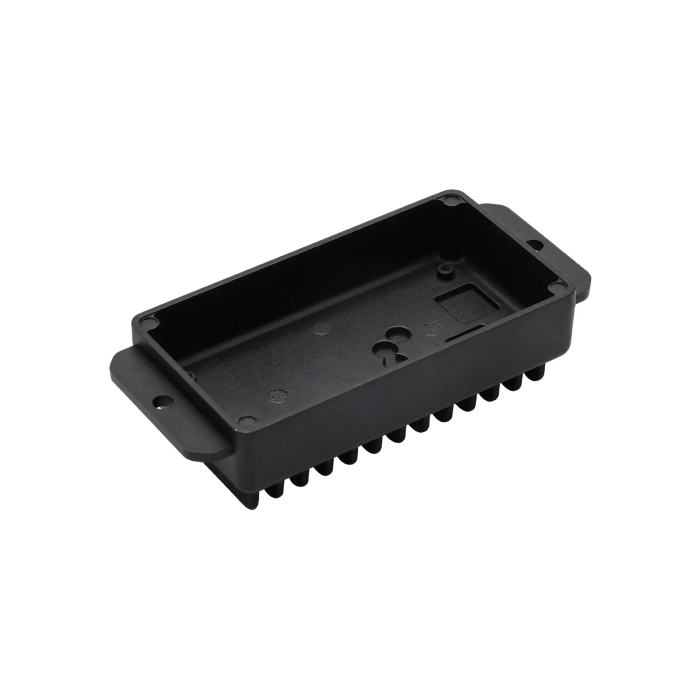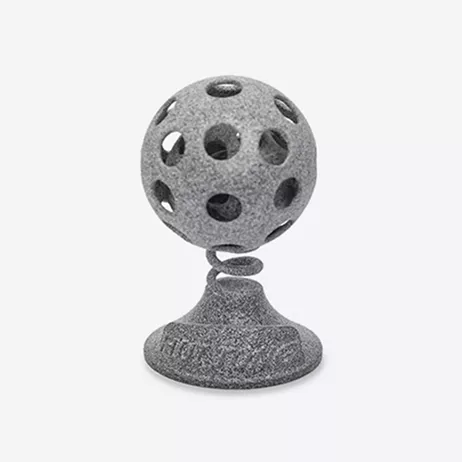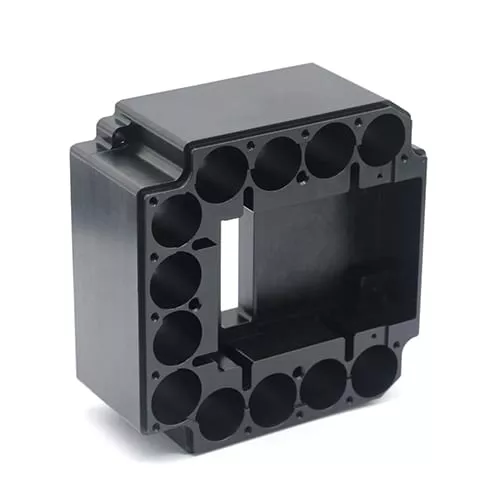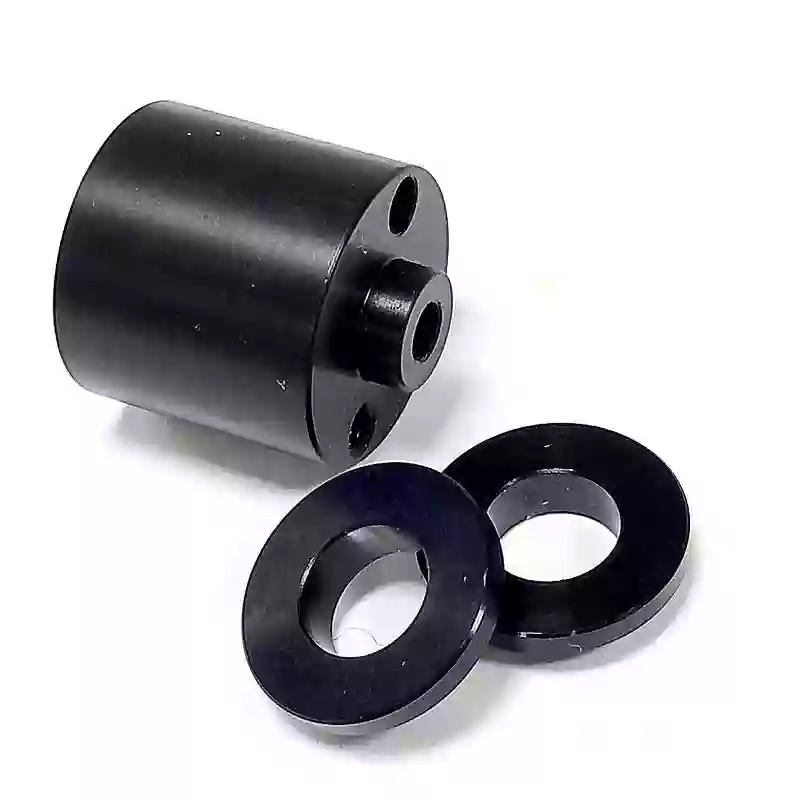
ABS
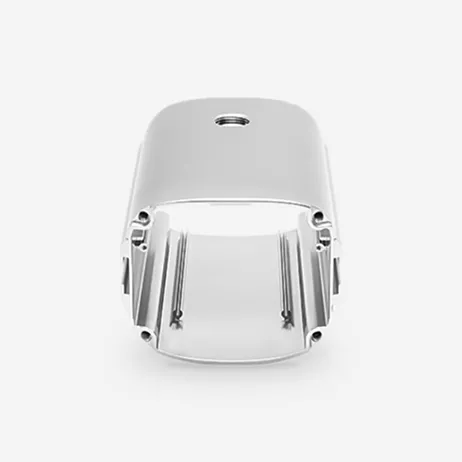
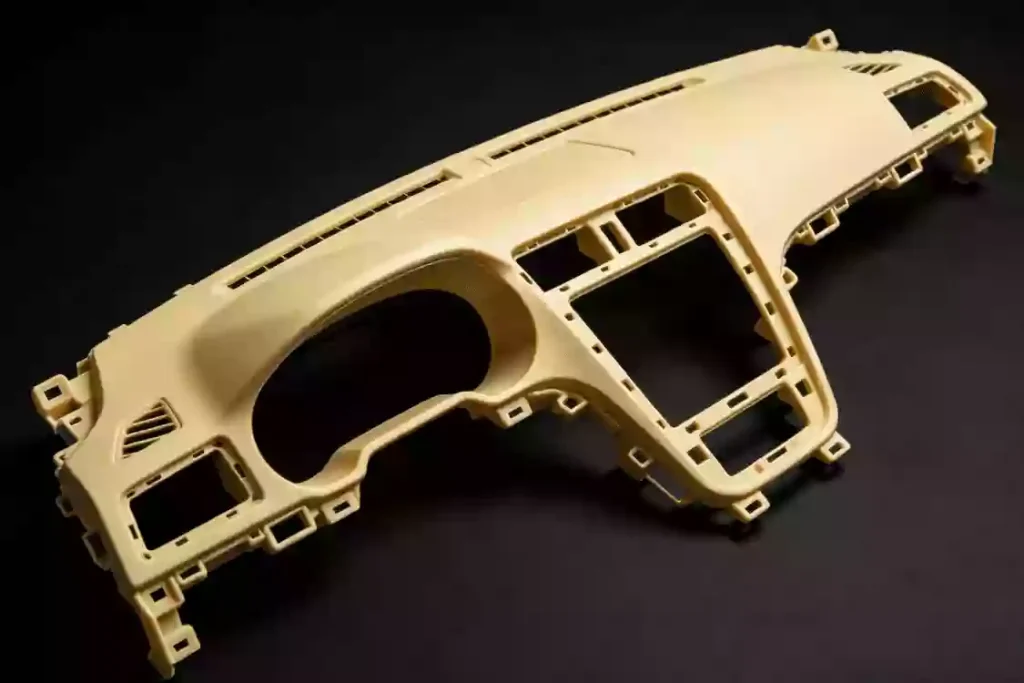
As a widely used amorphous thermoplastic, ABS delivers an ideal balance of impact resistance, mechanical strength, and dimensional stability. It maintains toughness across a temperature range of -20°C to 80°C (-4°F to 176°F) and offers excellent processability. Highly cost-effective and durable, it is the premier choice for automotive parts, consumer goods, and protective housings, ensuring both performance and aesthetics.
What is ABS?
ABS (Acrylonitrile Butadiene Styrene) is a high-performance amorphous thermoplastic engineering plastic. It combines three monomers to deliver an optimal balance of properties: acrylonitrile provides heat and chemical resistance, butadiene imparts exceptional toughness and impact strength, and styrene adds rigidity and a glossy finish. As a highly recyclable material, it can be easily heated and molded into complex shapes while maintaining its form upon cooling. Thanks to its outstanding mechanical strength and durability, ABS is widely used in automotive parts, consumer product housings, panels, and retail displays where both resilience and aesthetics are essential.
Typical Properties of ABS
Common Properties
| Property | Value |
| Typical Widths | 24, 48 in |
| Typical Lengths | 96, 120 in |
| Common Profiles | Sheet, Rod, Tube |
| Common Colors | Black, White, Natural, Gray |
| Common Grades | Fire-Rated, Machine Grade, UV Resistant, Scratch Resistant |
| Friendly Names | ABS, Acrylonitrile Butadiene Styrene |
| Common Brand Names | Polystone®, King KPC®, Primex Prime®, Royalite®, Lustran® |
| Typical Thickness Size | 0.06–0.24 in |
| Typical Rod Diameters | 0.250–6 in |
Electrical Properties
| Property | Value |
| Thermal Coefficient of Dielectric Constant | Negative |
| Volume Resistivity | 1 × 10¹⁵ ohm-cm |
| Electrostatic Discharge (ESD) Sensitivity | Sensitive |
| Comparative Tracking Index (CTI) | 600 V |
| Surface Resistivity | 1 × 10¹⁵ ohm |
| Breakdown Voltage | 16–20 kV/mm |
| Arc Resistance | 125–130 s |
| Dissipation Factor | 0.005–0.010 |
Mechanical Properties
| Property | Value |
| Bearing Yield Strength | 50 MPa |
| Tensile Strength, Yield | 40 MPa |
| Tensile Strength, Ultimate | 45 MPa |
| Hardness (Rockwell R) | 109 |
| Elongation at Yield | 6% |
| Elongation at Break | 10% |
| Flexural Yield Strength | 75 MPa |
| Flexural Modulus | 2300 MPa |
| Modulus of Elasticity | 2300 MPa |
| Shear Strength | 31 MPa |
| Compressive Yield Strength | 65 MPa |
| Izod Impact, Unnotched | 650 J/m |
| Izod Impact, Notched | 160 J/m |
| Instrumented Impact Total Energy | 20 J |
| Gardner Impact | 320 J |
| Falling Dart Impact | 29 J |
Physical Properties
| Property | Value |
| Water Absorption | 0.1% |
| Moisture Absorption at Equilibrium | 0.2% |
| Linear Mold Shrinkage | 0.005 cm/cm |
| Melt Flow | 15 g/10 min |
| Density | 1 g/cm³ |
Regulation Properties
| Property | Value |
| FAR 25.853 Flammability | D635 Self Extinguishing |
| ASTM/Mil-Spec | — |
| UL-94 Flame Class | HB |
| RoHS Compliance | Compliant |
| REACH Compliance | Compliant |
Thermal Properties
| Property | Value |
| CTE, Linear | 80 µm/m-°C |
| CTE, Linear (Transverse to Flow) | 110 µm/m-°C |
| Deflection Temperature at 1.8 MPa (264 psi) | 90 °C |
| Deflection Temperature at 0.46 MPa (66 psi) | 95 °C |
| Vicat Softening Point | 105 °C |
| Thermal Conductivity | 0.13 W/m·K |
| Flammability | HB UL94 |
| Max Continuous Operating Temperature | 180 °F |
| Minimum Operating Temperature | -20 °F |
Advantages of ABS Plastic
- High impact resistance with good toughness and rigidity
- Excellent surface finish suitable for painting, coating, and plating
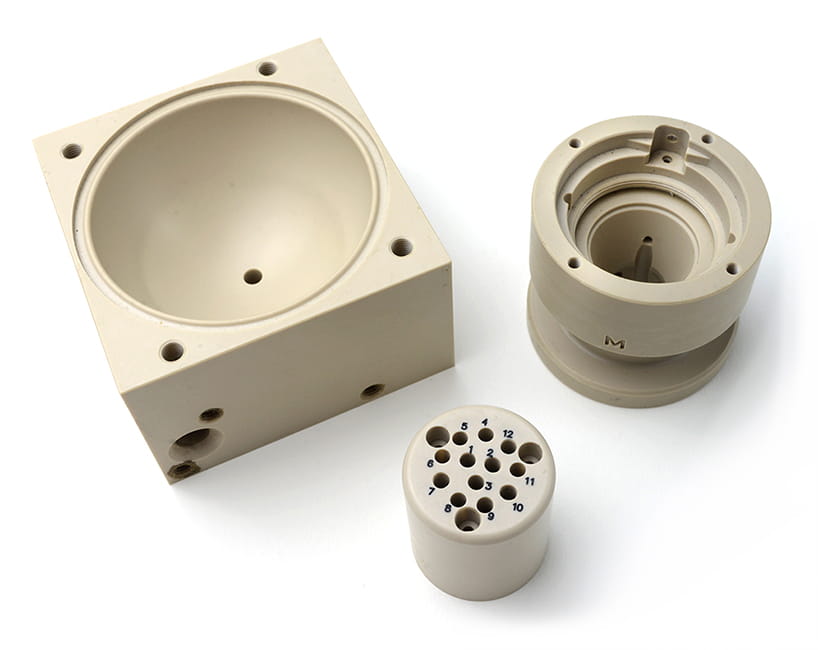
- Good machinability for CNC, injection molding, and forming processes
- Strong adhesion with metallic coatings and surface treatments
- Good dimensional stability during processing and long-term use
- Suitable for a wide range of manufacturing applications
Limitations of ABS Plastic
- Limited resistance to organic solvents and certain chemicals
- Lower heat resistance compared to engineering plastics
- Moderate electrical insulation performance
- UV and weather exposure can lead to degradation over time
- Can be prone to surface scratching under harsh conditions
- Flammability without flame-retardant modification
- Potential stress cracking under certain chemical environments
ABS Parts Manufacturing Services
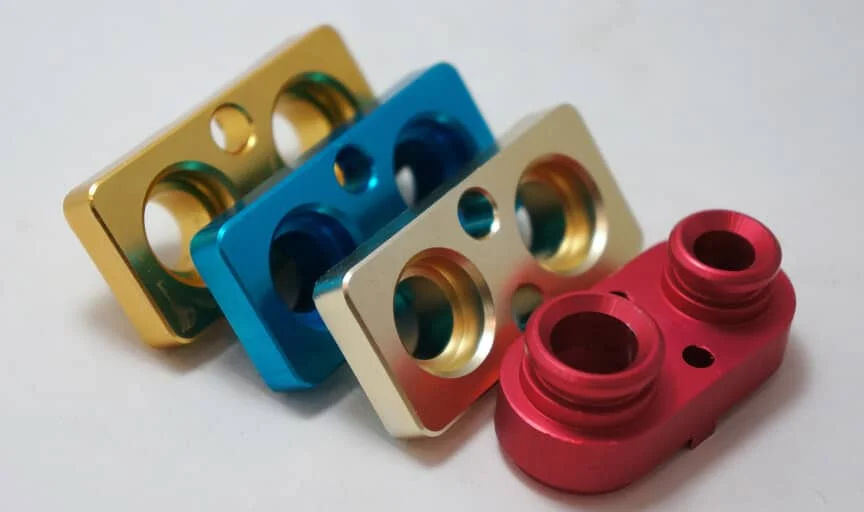
XTPROTO provides ABS parts manufacturing services, supporting both customer-supplied materials and a one-stop solution that includes material sourcing and part production. We have our own material warehouse,and we work closely with established ABS suppliers to ensure stable supply and competitive pricing, helping customers optimize procurement efficiency and overall project cost. Based on application requirements, we also assist in ABS grade selection to meet different needs in strength, heat resistance, and appearance. We possess professional manufacturing capabilities to produce high-quality ABS components; additionally, we offer comprehensive post-processing service ( electroplating, polishing, and custom color matching) to ensure consistent quality and appearance across our ABS products.
Available ABS Material Grades
We offer a variety of ABS material grades to meet different performance and application requirements.
General Purpose ABS
A versatile grade with balanced mechanical properties and broad processing compatibility across multiple manufacturing methods.
High-Flow ABS
Engineered for excellent melt flow, enabling efficient molding of complex geometries and thin-wall parts.
Plating Grade ABS
Optimized for superior surface finish and excellent adhesion in electroplating and coating applications.
High Impact ABS
Offers improved impact resistance during both processing and end-use performance.
Flame Retardant ABS
Formulated with flame-retardant additives for enhanced safety in electrical and electronic applications.
Manufacturing Processes for ABS Parts
We offer a range of manufacturing processes to produce ABS parts, depending on part geometry, production volume, and performance requirements. Each process offers unique advantages in terms of cost, precision, and scalability.
Injection molding
CNC Machining
3D Printing
Blow Molding
Thermoforming
Extrusion
Applications of ABS Plastic
- Machine guards
- Belt covers
- Industrial protective housings
- Medical device enclosures
- Helmets
- Knee pads
- Protective gear
- Rapid prototypes
- CNC machined parts
- 3D printed parts
- Vacuum formed parts
- Food trays
- Refrigerator liners
- Packaging components
- Household products
FAQ
How does XTPROTO ensure that the ABS material used is appropriate for specific functional requirements?
Are there any specific design considerations for ABS parts requiring post-processing like electroplating?
What is the lead time advantage of XTPROTO’s integrated material supply and manufacturing model?
How does XTPROTO handle quality consistency when switching between prototyping (CNC/3D Printing) and mass production (Injection Molding)?
Does XTPROTO provide testing or documentation for ABS parts used in regulated industries?
ABS Material Support
Not sure which ABS grade is right for your application? Contact XTPROTO for material guidance and integrated manufacturing support.