
Stainless Steel
Stainless steel is an alloy primarily made of iron, with at least 10.5% chromium. The chromium forms a thin, protective oxide layer on the surface, making stainless steel resistant to rust and corrosion.
What is Stainless Steel?
Stainless steel is a high-strength, iron-based alloy renowned for its exceptional corrosion resistance. By incorporating a minimum of 10.5% chromium, a microscopic, self-healing protective oxide film spontaneously forms on the material’s surface. This invisible barrier permanently shields the base metal from the corrosive effects of air, moisture, and chemicals, thereby completely preventing rust and oxidation. With its outstanding mechanical durability, long service life, and high hygienic standards, stainless steel remains one of the most reliable and sustainable material choices in the global industrial sector.
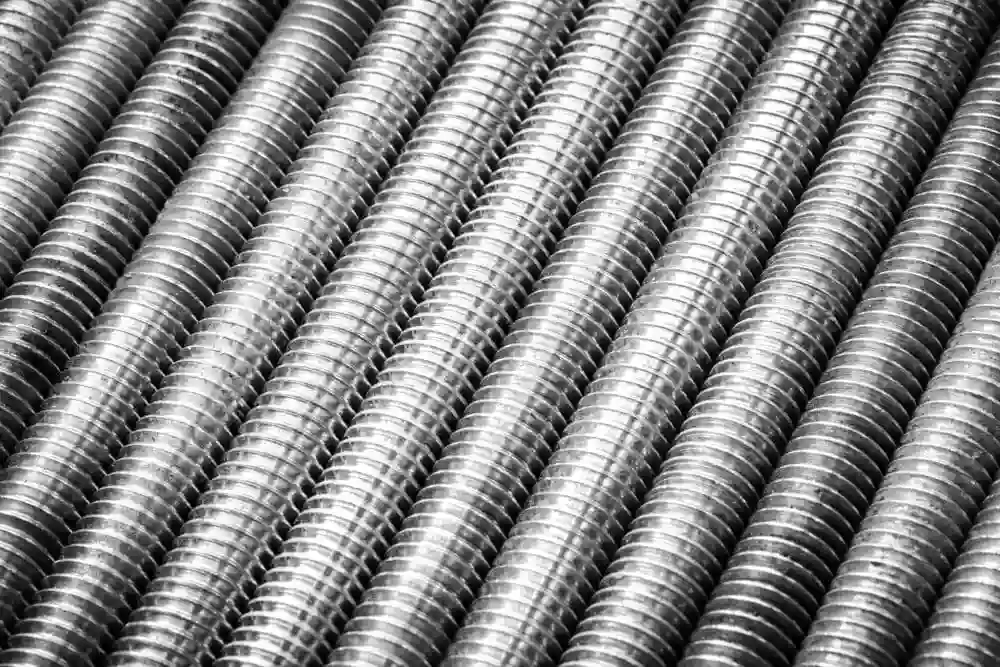
Comprehensive Stainless Steel Material Properties
Physical Properties
| Property | Metric | English | Comments |
| Density | 0.190 – 9.01 g/cc | 0.00686 – 0.326 lb/in³ | Average value: 7.79 g/cc Grade Count:1432 |
| Porosity | 0.00 – 5.0 % | 0.00 – 5.0 % | Average value: 2.97 % Grade Count:15 |
| Particle Size | 0.00 – 300 µm | 0.00 – 300 µm | Average value: 37.9 µm Grade Count:88 |
| Permeability | 0.015 – 1.00 | 0.015 – 1.00 | Average value: 0.509 Grade Count:4 |
| Thickness | 20.0 – 508 microns | 0.787 – 20.0 mil | Average value: 86.8 microns Grade Count:14 |
Mechanical Properties
| Property | Metric | English | Comments |
| Hardness, Brinell | 80 – 600 | 80 – 600 | Average value: 251 Grade Count:564 |
| Hardness, Knoop | 97 – 662 | 97 – 662 | Average value: 301 Grade Count:276 |
| Hardness, Rockwell A | 51.1 – 58 | 51.1 – 58 | Average value: 54.0 Grade Count:8 |
| Hardness, Rockwell B | 37 – 130 | 37 – 130 | Average value: 86.2 Grade Count:503 |
| Hardness, Rockwell C | 10 – 71 | 10 – 71 | Average value: 39.6 Grade Count:447 |
| Hardness, Vickers | 82 – 1100 | 82 – 1100 | Average value: 294 Grade Count:339 |
| Tensile Strength, Ultimate | 32.3 – 3100 MPa | 4680 – 450000 psi | Average value: 935 MPa Grade Count:1729 |
| Tensile Strength, Yield | 25.0 – 2500 MPa | 3630 – 363000 psi | Average value: 669 MPa Grade Count:1638 |
| Elongation at Break | 0.00 – 88 % | 0.00 – 88 % | Average value: 26.5 % Grade Count:1583 |
| Elongation at Yield | 0.00 – 62 % | 0.00 – 62 % | Average value: 22.7 % Grade Count:22 |
| Reduction of Area | 0.50 – 88 % | 0.50 – 88 % | Average value: 49.3 % Grade Count:308 |
| Modulus of Elasticity | 2.36 – 310 GPa | 342 – 45000 ksi | Average value: 196 GPa Grade Count:1175 |
| Flexural Yield Strength | 58.0 – 938 MPa | 8410 – 136000 psi | Average value: 479 MPa Grade Count:4 |
| Compressive Yield Strength | 262 – 3000 MPa | 38000 – 435000 psi | Average value: 1080 MPa Grade Count:11 |
| Notched Tensile Strength | 710 – 2230 MPa | 103000 – 323000 psi | Average value: 1740 MPa Grade Count:30 |
| Bulk Modulus | 166 GPa | 24100 ksi | Average value: 166 GPa Grade Count:14 |
| Poissons Ratio | 0.12 – 0.38 | 0.12 – 0.38 | Average value: 0.282 Grade Count:310 |
| Fatigue Strength | 85.0 – 1070 MPa | 12300 – 155000 psi | Average value: 439 MPa Grade Count:54 |
| Fracture Toughness | 17.6 – 165 MPa-m½ | 16.0 – 150 ksi-in½ | Average value: 90.9 MPa-m½ Grade Count:9 |
| Machinability | 18 – 65 % | 18 – 65 % | Average value: 31.7 % Grade Count:126 |
| Shear Modulus | 62.1 – 86.5 GPa | 9000 – 12600 ksi | Average value: 77.6 GPa Grade Count:324 |
| Shear Strength | 74.5 – 597 MPa | 10800 – 86600 psi | Average value: 358 MPa Grade Count:5 |
| Izod Impact | 16.3 – 208 J | 12.0 – 153 ft-lb | Average value: 115 J Grade Count:140 |
| Izod Impact Unnotched | 13.6 – 149 J | 10.0 – 110 ft-lb | Average value: 77.8 J Grade Count:13 |
| Charpy Impact | 0.500 – 404 J | 0.369 – 298 ft-lb | Average value: 115 J Grade Count:253 |
| Charpy Impact, Unnotched | 7.46 – 294 J | 5.50 – 217 ft-lb | Average value: 157 J Grade Count:9 |
| Charpy Impact Unnotched | 1.59 – 60.0 J/cm² | 7.57 – 286 ft-lb/in² | Average value: 22.0 J/cm² Grade Count:3 |
| Charpy Impact, Notched | 0.710 – 294 J/cm² | 3.38 – 1400 ft-lb/in² | Average value: 137 J/cm² Grade Count:5 |
| Taber Abrasion, mg/1000 Cycles | 3.2 – 30 | 3.2 – 30 | Average value: 11.3 Grade Count:3 |
Electrical Properties
| Property | Metric | English | Comments |
| Electrical Resistivity | 0.00000450 – 0.000145 ohm-cm | 0.00000450 – 0.000145 ohm-cm | Average value: 0.0000729 ohm-cm Grade Count:962 |
| Magnetic Permeability | 1.00 – 3000 | 1.00 – 3000 | Average value: 178 Grade Count:316 |
| Magnetic Coercive Force, Hc | 1.2 – 7.0 Oe | 1.2 – 7.0 Oe | Average value: 2.40 Oe Grade Count:6 |
| Magnetic Saturation Flux Density, Bmax | 11900 – 17000 Gauss | 11900 – 17000 Gauss | Average value: 15000 Gauss Grade Count:6 |
| Magnetic Remanence, Br | 2500 – 8500 Gauss | 2500 – 8500 Gauss | Average value: 6000 Gauss Grade Count:6 |
| Curie Temperature | -115 – 732 °C | -175 – 1350 °F | Average value: 266 °C Grade Count:14 |
Thermal Properties
| Property | Metric | English | Comments |
| CTE, linear | 7.02 – 21.1 µm/m-°C | 3.90 – 11.7 µin/in-°F | Average value: 15.4 µm/m-°C Grade Count:977 |
| Specific Heat Capacity | 0.200 – 0.850 J/g-°C | 0.0478 – 0.203 BTU/lb-°F | Average value: 0.478 J/g-°C Grade Count:934 |
| Thermal Conductivity | 10.0 – 34.3 W/m-K | 69.4 – 238 BTU-in/hr-ft²-°F | Average value: 16.7 W/m-K Grade Count:567 |
| Melting Point | 1230 – 1530 °C | 2250 – 2790 °F | Average value: 1440 °C Grade Count:580 |
| Solidus | 1230 – 1480 °C | 2250 – 2700 °F | Average value: 1410 °C Grade Count:553 |
| Liquidus | 1360 – 1530 °C | 2470 – 2790 °F | Average value: 1460 °C Grade Count:553 |
| Maximum Service Temperature, Air | 100 – 1400 °C | 212 – 2550 °F | Average value: 837 °C Grade Count:368 |
| Minimum Service Temperature, Air | -200 – -30.0 °C | -328 – -22.0 °F | Average value: -133 °C Grade Count:26 |
Optical Properties
| Property | Metric | English | Comments |
| Emissivity (0-1) | 0.70 | 0.70 | Average value: 0.700 Grade Count:4 |
| Property | Metric | English | Comments |
| Processing Temperature | 382 – 863 °C | 720 – 1590 °F | Average value: 767 °C Grade Count:4 |
| Annealing Temperature | 593 – 1200 °C | 1100 – 2190 °F | Average value: 977 °C Grade Count:31 |
| Hot-Working Temperature | 482 – 1290 °C | 900 – 2350 °F | Average value: 960 °C Grade Count:13 |
Component Elements Properties
| Property | Metric | English | Comments |
| Aluminum, Al | 0.010 – 89 % | 0.010 – 89 % | Average value: 1.81 % Grade Count:172 |
| Boron, B | 0.0010 – 10 % | 0.0010 – 10 % | Average value: 0.314 % Grade Count:36 |
| Carbon, C | 0.00 – 2.8 % | 0.00 – 2.8 % | Average value: 0.143 % Grade Count:2064 |
| Cb + Ta | 0.15 – 0.55 % | 0.15 – 0.55 % | Average value: 0.310 % Grade Count:5 |
| Cerium, Ce | 0.040 – 1.6 % | 0.040 – 1.6 % | Average value: 0.723 % Grade Count:6 |
| Chromium, Cr | 0.25 – 57 % | 0.25 – 57 % | Average value: 18.2 % Grade Count:2143 |
| Cobalt, Co | 0.050 – 21 % | 0.050 – 21 % | Average value: 4.41 % Grade Count:45 |
| Copper, Cu | 0.050 – 14 % | 0.050 – 14 % | Average value: 1.97 % Grade Count:397 |
| Iron, Fe | 5.5 – 99 % | 5.5 – 99 % | Average value: 68.3 % Grade Count:2082 |
| Lead, Pb | 0.0010 – 0.20 % | 0.0010 – 0.20 % | Average value: 0.0408 % Grade Count:5 |
| Manganese, Mn | 0.035 – 16 % | 0.035 – 16 % | Average value: 2.08 % Grade Count:1972 |
| Molybdenum, Mo | 0.027 – 10 % | 0.027 – 10 % | Average value: 2.12 % Grade Count:1028 |
| Nb + Ta | 0.10 – 12 % | 0.10 – 12 % | Average value: 0.758 % Grade Count:131 |
| Nickel, Ni | 0.20 – 68 % | 0.20 – 68 % | Average value: 10.9 % Grade Count:1831 |
| Niobium, Nb (Columbium, Cb) | 0.020 – 10 % | 0.020 – 10 % | Average value: 0.623 % Grade Count:196 |
| Nitrogen, N | 0.0050 – 11 % | 0.0050 – 11 % | Average value: 0.229 % Grade Count:583 |
| Oxygen, O | 0.0050 – 0.25 % | 0.0050 – 0.25 % | Average value: 0.132 % Grade Count:19 |
| Phosphorus, P | 0.0050 – 0.50 % | 0.0050 – 0.50 % | Average value: 0.0427 % Grade Count:1665 |
| Potassium, K | 0.060 % | 0.060 % | Average value: 0.0600 % Grade Count:8 |
| Selenium, Se | 0.0010 – 0.35 % | 0.0010 – 0.35 % | Average value: 0.135 % Grade Count:24 |
| Silicon, Si | 0.050 – 13 % | 0.050 – 13 % | Average value: 1.08 % Grade Count:1936 |
| Sulfur, S | 0.0010 – 4.0 % | 0.0010 – 4.0 % | Average value: 0.0366 % Grade Count:1698 |
| Tantalum, Ta | 0.050 – 1.0 % | 0.050 – 1.0 % | Average value: 0.339 % Grade Count:35 |
| Tin, Sn | 0.050 – 2.0 % | 0.050 – 2.0 % | Average value: 1.51 % Grade Count:12 |
| Titanium, Ti | 0.0050 – 2.5 % | 0.0050 – 2.5 % | Average value: 0.783 % Grade Count:159 |
| Tungsten, W | 0.030 – 6.75 % | 0.030 – 6.75 % | Average value: 1.42 % Grade Count:71 |
| Vanadium, V | 0.050 – 9.0 % | 0.050 – 9.0 % | Average value: 0.513 % Grade Count:131 |
| WC | 0.045 % | 0.045 % | Average value: 0.0450 % Grade Count:4 |
| Zirconium, Zr | 0.10 – 1.5 % | 0.10 – 1.5 % | Average value: 0.766 % Grade Count:16 |
Supply of High Quality Stainless Steel Materials
To meet your custom stainless steel component needs, we offer a comprehensive, turnkey contract manufacturing solution that seamlessly integrates premium material sourcing with high-precision metal processing. Leveraging our expansive in-house warehouse inventory and an extensive network of top-tier suppliers, we ensure highly competitive cost-efficiencies through bulk purchasing while guaranteeing an exceptionally stable and resilient supply chain timeline. We provide a highly flexible, dual-track material collaboration model: you can source directly from our robust on-site stainless steel inventory—complete with full mill test certificates (MTRs)—or ship your own raw materials to us for dedicated toll manufacturing and production.
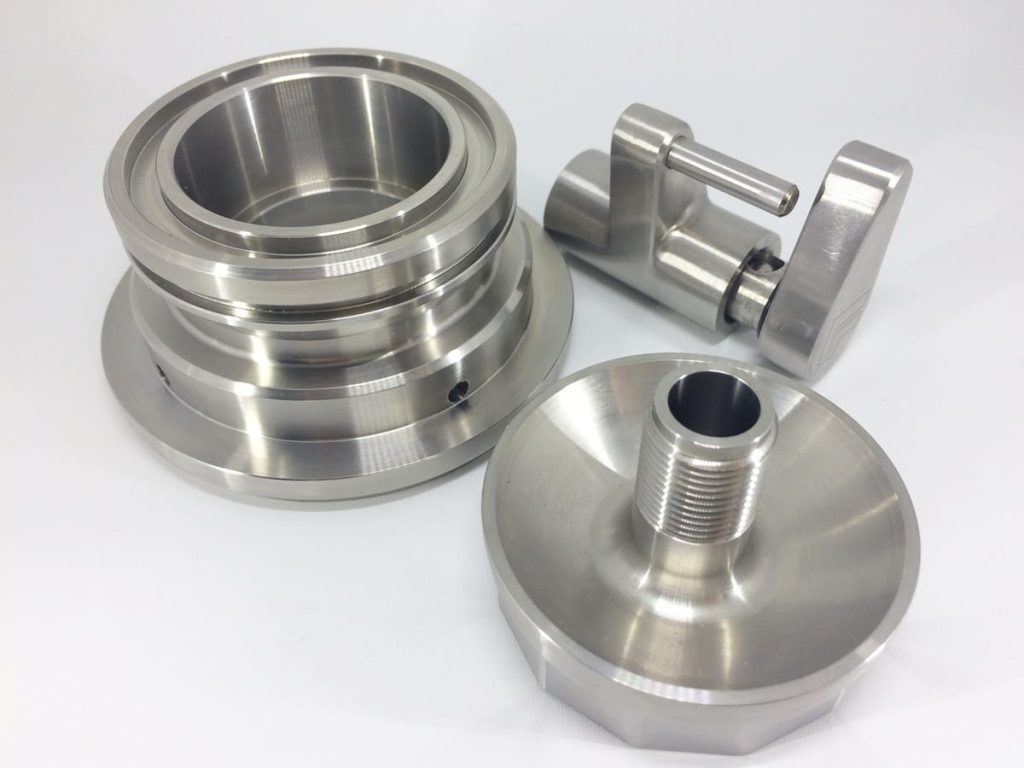

End-to-End Stainless Steel Parts Manufacturing Services
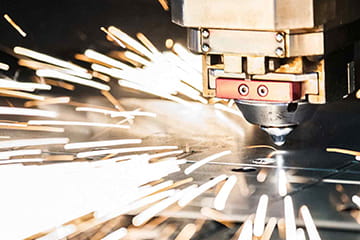
With our advanced production equipment, reliable manufacturing capacity, and efficient factory-direct model, we are committed to delivering a seamless, end-to-end integrated manufacturing experience. Our facilities feature high-precision CNC machining, advanced precision sheet metal stamping, and high-standard welding capabilities, allowing us to effectively overcome the unique manufacturing challenges inherent to stainless steel. Furthermore, we fully integrate a complete suite of post-processing surface treatment services entirely under one roof. From flexible, low-MOQ prototypes during early-stage R&D to large-scale, automated pipeline mass production, we achieve a true closed-loop manufacturing cycle from raw material to finished precision components, dedicated to delivering high-quality stainless steel manufacturing services for leading brands across global industries.
Main Classifications of Stainless Steel
Austenitic Stainless Steel
As the most widely utilized stainless steel type in manufacturing, this classification is distinct for its non-magnetic microstructure and exceptional resistance to oxidation and general corrosion. It maintains a highly stable physical structure across both cryogenic and high-temperature extremes, offering superior impact strength along with excellent ductility and toughness. Although it cannot be hardened through heat treatment, it remains the ideal choice for structural components and precision aesthetic parts that require maximum corrosion protection, extensive forming, or stringent hygienic standards.
Ferritic Stainless Steel
This family represents a highly cost-effective classification of iron-based alloys characterized by inherent ferromagnetic properties and a low nickel content, which translates to the most stable price positioning amid raw material market fluctuations. It exhibits excellent thermal conductivity and a low coefficient of thermal expansion, alongside natural resistance to chloride-induced stress corrosion cracking. Consequently, it is primarily recommended for applications requiring high heat transfer, moderate corrosion resistance, and strict raw material cost control in non-heavy-load structural parts.
Martensitic Stainless Steel
Defined by high strength and strong magnetic properties, this classification features an elevated carbon content that enables its hardness, wear resistance, and tensile strength to be significantly increased through standard heat treatment processes. While its structured chemical composition inherently limits its general corrosion resistance compared to austenitic grades, it is engineered specifically for industrial tools, core valve components, and heavy-duty fasteners that must withstand severe wear, mechanical impact, or maintain critical cutting edges and extreme rigidity.
Duplex Stainless Steel
This high-performance classification features a mixed microstructure consisting of roughly equal parts of austenite and ferrite, perfectly blending the unique advantages of both metallurgical families to deliver superior toughness alongside high strength—often double the tensile strength of conventional stainless steels. Its primary engineering advantage is a tremendous resistance to pitting and crevice corrosion in chloride-rich environments, such as high-salt spray, marine applications, or highly concentrated chemical processing, making it the premier choice for extreme industrial environments and high-load marine or chemical contact components.
Precipitation Hardening Steel
Designed for cutting-edge engineering, this ultra-high-strength alloy classification leverages specific trace elements that, following specialized aging heat treatments, unleash top-tier yield and tensile strengths. Its most unique advantage lies in its ability to deliver the formidable structural rigidity and mechanical hardness of high-grade martensitic steels while fully preserving a level of excellent corrosion resistance akin to austenitic grades, making it perfectly suited for aerospace, high-pressure hydraulic systems, and precision core components with near-zero tolerance for deformation under ultimate working stresses.
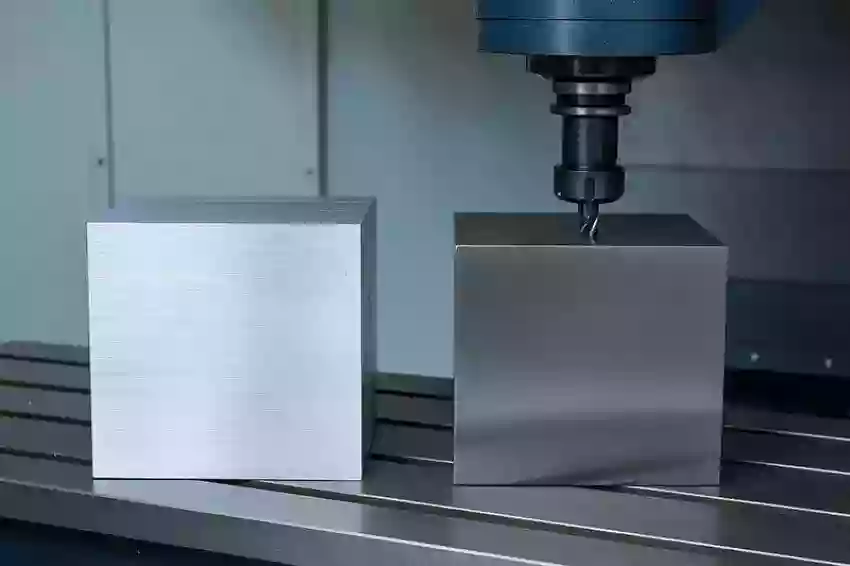
Stainless Steel Grades We Offer
Listed below are some of the common stainless steel grades we produce. If you have requirements for other materials, please provide us with the details for a quotation.
Stainless Steel 303

Stainless Steel 303 is an austenitic free-machining stainless steel developed for applications requiring excellent machinability and improved surface finish. The addition of sulfur enhances chip breaking and cutting performance, making 303 stainless steel easier to machine than standard austenitic stainless steels such as 304.It offers good corrosion resistance, moderate strength, and excellent dimensional stability during machining. Stainless Steel 303 is commonly used for precision-machined components, fasteners, shafts, fittings, and parts with complex geometries requiring efficient CNC machining.
Chemical Composition of Stainless Steel 303
| Element | Composition (%) |
| Carbon (C) | ≤0.15 |
| Silicon (Si) | ≤1.00 |
| Manganese (Mn) | ≤2.00 |
| Phosphorus (P) | ≤0.20 |
| Sulfur (S) | ≤0.15 |
| Chromium (Cr) | 17.00–19.00 |
| Nickel (Ni) | 8.00–10.00 |
| Molybdenum (Mo) | ≤0.60 |
Mechanical Properties of Stainless Steel 303
| Property | Value |
| Ultimate Tensile Strength | ≥520 MPa |
| Yield Strength (0.2% Offset) | ≥205 MPa |
| Elongation at Break | ≥40% |
| Reduction of Area | ≥50% |
| Brinell Hardness | ≤187 HB |
| Rockwell Hardness | ≤90 HRB |
| Vickers Hardness | ≤200 HV |
Stainless Steel 303 Equivalent Grades
| Standard | Equivalent Grade |
| China | Y1Cr18Ni9 |
| USA | 303 |
| Japan | SUS303 |
| UK | 1.4305 |
| Germany | 1.4305 |
Applications of Stainless Steel 303
Stainless Steel 303 is widely used for precision-machined parts where high productivity and excellent surface quality are required, including:
- CNC machined shafts and pins
- Fasteners and threaded components
- Bushings and fittings
- Valves and connectors
- Precision instrument components
- Automotive and industrial hardware
Stainless Steel 304

Stainless Steel 304 is one of the most widely used austenitic stainless steels, known for its excellent corrosion resistance, good formability, and balanced mechanical properties. It is often referred to as 18-8 stainless steel because of its approximate chromium and nickel content.With a density of approximately 7.93 g/cm³, Stainless Steel 304 provides good high-temperature performance, weldability, and toughness. It is suitable for a wide range of applications across industrial equipment, food processing, medical devices, architectural components, and precision-machined parts.Stainless Steel 304 offers excellent machinability for general applications and is commonly selected for components requiring reliable corrosion resistance and long-term durability.
Chemical Composition of Stainless Steel 304
| Element | Composition (%) |
| Carbon (C) | ≤0.08 |
| Silicon (Si) | ≤0.030 |
| Manganese (Mn) | ≤2.00 |
| Phosphorus (P) | ≤0.045 |
| Sulfur (S) | ≤0.030 |
| Chromium (Cr) | 18.0–20.0 |
| Nickel (Ni) | 8.0–11.0 |
Mechanical Properties of Stainless Steel 304
| Property | Value |
| Ultimate Tensile Strength | 515–1035 MPa |
| Yield Strength (0.2% Offset) | ≥205 MPa |
| Elongation at Break | ≥40% |
| Brinell Hardness | ≤201 HBW |
| Rockwell Hardness | ≤92 HRB |
| Vickers Hardness | ≤210 HV |
Physical and Thermal Properties of Stainless Steel 304
| Property | Value |
| Density | 7.93 g/cm³ |
| Melting Point | 1398–1454°C |
| Specific Heat Capacity (0–100°C) | 0.50 kJ/kg·K |
| Linear Thermal Expansion Coefficient (0–100°C) | 17.2 ×10⁻⁶/K |
| Linear Thermal Expansion Coefficient (0–500°C) | 18.4 ×10⁻⁶/K |
| Electrical Resistivity (20°C) | 0.73 ×10⁻⁶ Ω·m²/m |
| Maximum Service Temperature | Up to 800°C |
Stainless Steel 304 Equivalent Grades
| Standard | Equivalent Grade |
| China | 0Cr18Ni9 |
| USA | 304 |
| Japan | SUS304 |
| UK | 1.4301 |
| Germany | 1.4301 |
| Russia | 08X18H10 |
Applications of Stainless Steel 304
Stainless Steel 304 is widely used for applications requiring corrosion resistance, durability, and easy fabrication, including:- Food processing equipment
- Medical and pharmaceutical components
- Chemical processing equipment
- Industrial machinery parts
- Architectural and decorative components
- Stainless steel fasteners and fittings
- CNC machined precision components
Stainless Steel 316

Stainless Steel 316 is an austenitic stainless steel with enhanced corrosion resistance due to the addition of molybdenum (Mo). Compared with 304 stainless steel, 316 provides superior resistance to pitting, crevice corrosion, and chemical environments, making it suitable for demanding applications.The addition of molybdenum also improves high-temperature strength and corrosion performance in harsh environments. Stainless Steel 316 maintains excellent toughness, good weldability, and outstanding durability, making it widely used in marine, chemical processing, medical, food processing, and precision-machined components.
Chemical Composition of Stainless Steel 316
Element | Composition (%) |
Carbon (C) | ≤0.08 |
Silicon (Si) | ≤1.00 |
Manganese (Mn) | ≤2.00 |
Phosphorus (P) | ≤0.045 |
Sulfur (S) | ≤0.030 |
Chromium (Cr) | 16.00–18.00 |
Nickel (Ni) | 10.00–14.00 |
Molybdenum (Mo) | 2.00–3.00 |
Mechanical Properties of Stainless Steel 316
Property | Value |
Ultimate Tensile Strength | ≥620 MPa |
Yield Strength (0.2% Offset) | ≥310 MPa |
Elongation at Break | ≥30% |
Reduction of Area | ≥40% |
Physical and Performance Characteristics of Stainless Steel 316
Property | Description |
Corrosion Resistance | Excellent resistance to pitting, crevice corrosion, and chemical media |
High Temperature Performance | Suitable for high-temperature applications up to approximately 1200–1300°C |
Work Hardening | Excellent work-hardening capability |
Magnetic Properties | Non-magnetic in annealed condition |
Surface Finish | Cold-rolled products provide a smooth and attractive surface appearance |
Stainless Steel 316 Equivalent Grades
Standard | Equivalent Grade |
China | 0Cr17Ni12Mo2 |
USA | 316 |
Japan | SUS316 |
UK | 1.4401 |
Germany | 1.4401 |
Applications of Stainless Steel 316
Stainless Steel 316 is commonly used in applications requiring superior corrosion resistance and mechanical reliability, including:
- Marine equipment and components
- Chemical processing equipment
- Medical and pharmaceutical components
- Food processing machinery
- Heat exchangers and pressure equipment
- Precision CNC machined parts
- Valves, fittings, and fasteners
Stainless Steel 420

Stainless Steel 420 is a martensitic stainless steel known for its high hardness, wear resistance, and moderate corrosion resistance. Through heat treatment, 420 stainless steel can achieve high strength and hardness, making it suitable for components requiring good mechanical performance and resistance to wear.With its excellent hardening capability and durability, Stainless Steel 420 is commonly used for precision mechanical parts, cutting tools, instruments, bearings, and components exposed to atmospheric conditions, water, steam, and mild corrosive environments.
Chemical Composition of Stainless Steel 420
| Element | Composition (%) |
| Carbon (C) | 0.16–0.25 |
| Silicon (Si) | ≤1.00 |
| Manganese (Mn) | ≤1.00 |
| Phosphorus (P) | ≤0.04 |
| Sulfur (S) | ≤0.030 |
| Chromium (Cr) | 12.00–14.00 |
| Nickel (Ni) | ≤0.75 |
| Molybdenum (Mo) | 0 |
Mechanical Properties of Stainless Steel 420
| Property | Value |
| Ultimate Tensile Strength (Quenched & Tempered) | ≥635 MPa |
| Yield Strength (0.2% Offset, Quenched & Tempered) | ≥440 MPa |
| Elongation at Break | ≥20% |
| Reduction of Area | ≥50% |
| Impact Energy (Akv) | ≥63 J |
| Hardness (Annealed) | ≤223 HB |
| Hardness (Quenched & Tempered) | ≥192 HB |
Physical and Performance Characteristics of Stainless Steel 420
| Property | Description |
| Steel Type | Martensitic stainless steel |
| Hardness | High hardness after heat treatment |
| Wear Resistance | Excellent wear resistance for demanding mechanical applications |
| Corrosion Resistance | Good resistance to atmospheric corrosion, water, steam, and mild oxidizing acids |
| Heat Treatment | Can be hardened through quenching and tempering |
Stainless Steel 420 Equivalent Grades
| Standard | Equivalent Grade |
| China | 3Cr13 |
| USA | 420 |
| Japan | SUS420J2 |
| UK | 1.4028 |
| Germany | 1.4028 |
| Russia | 30X13 |
Applications of Stainless Steel 420
Stainless Steel 420 is widely used for parts requiring high hardness, wear resistance, and corrosion resistance, including:- Precision mechanical components
- Bearings and shafts
- Cutting tools and blades
- Medical instruments
- Valves and pumps
- Electrical equipment components
- Measuring instruments
- Transportation equipment parts
- Household appliance components
Stainless Steel 430

Stainless Steel 430 is a ferritic stainless steel known for its good corrosion resistance, thermal conductivity, and dimensional stability. Compared with austenitic stainless steels, 430 stainless steel has a lower thermal expansion coefficient and better resistance to thermal fatigue, making it suitable for applications involving repeated heating and cooling cycles.Stainless Steel 430 provides good mechanical properties, excellent formability, and reliable performance in mild corrosive environments. The addition of stabilizing elements such as titanium can improve welding performance and structural stability. A free-machining grade, 430F, is also available for applications requiring improved machinability.
Chemical Composition of Stainless Steel 430
Element | Composition (%) |
Carbon (C) | ≤0.12 |
Silicon (Si) | ≤0.75 |
Manganese (Mn) | ≤1.00 |
Phosphorus (P) | ≤0.04 |
Sulfur (S) | ≤0.030 |
Chromium (Cr) | 16.00–18.00 |
Nickel (Ni) | ≤0.60 |
Molybdenum (Mo) | 0 |
Physical and Mechanical Properties of Stainless Steel 430
Property | Value |
Density | 7.75 g/cm³ |
Melting Point | 1427°C |
Thermal Expansion Coefficient (20–100°C) | — |
Young’s Modulus | — |
Shear Modulus | — |
Performance Characteristics of Stainless Steel 430
Property | Description |
Steel Type | Ferritic stainless steel |
Corrosion Resistance | Good resistance to atmospheric corrosion and mild chemical environments |
Thermal Conductivity | Higher than austenitic stainless steels |
Thermal Expansion | Lower thermal expansion coefficient compared with austenitic grades |
Thermal Fatigue Resistance | Good resistance to repeated heating and cooling cycles |
Weldability | Improved weld performance with stabilizing elements |
Machinability | 430F provides enhanced free-machining performance |
Stainless Steel 430 Equivalent Grades
Standard | Equivalent Grade |
China | 1Cr17 |
USA | 430 |
Japan | SUS430 |
UK | 1.4016 |
Germany | 1.4016 |
Applications of Stainless Steel 430
Stainless Steel 430 is commonly used in applications requiring corrosion resistance, heat resistance, and good surface appearance, including:
- Architectural decoration components
- Appliance panels and parts
- Household appliance components
- Kitchen equipment
- Automotive trim components
- Fuel burner parts
- Industrial equipment components
Stainless Steel 430F is mainly used for automatic machining applications, including:
- CNC turned components
- Bolts and nuts
- Precision fasteners
- Automatic lathe parts
Stainless Steel 440C

Stainless Steel 440C is a high-carbon martensitic stainless steel known for its excellent hardness, wear resistance, and corrosion resistance. With a carbon content of approximately 1.0% and chromium content of 16–18%, 440C can achieve very high hardness after heat treatment while maintaining good resistance to rust and oxidation.Due to its superior wear resistance and dimensional stability at elevated temperatures, Stainless Steel 440C is widely used for precision components operating in corrosive environments or under limited lubrication conditions. It is commonly selected for high-performance bearings, cutting tools, surgical instruments, valves, and other wear-resistant parts.Compared with other stainless steels, 440C provides outstanding hardness but has relatively lower resistance to impact and dynamic loading.
Chemical Composition of Stainless Steel 440C
Element | Composition (%) |
Carbon (C) | 0.95–1.20 |
Silicon (Si) | ≤1.00 |
Manganese (Mn) | ≤1.00 |
Phosphorus (P) | ≤0.035 |
Sulfur (S) | ≤0.030 |
Chromium (Cr) | 16.00–18.00 |
Nickel (Ni) | ≤0.60 |
Molybdenum (Mo) | 0 |
Mechanical Properties of Stainless Steel 440C
Property | Value |
Hardness (Annealed) | ≤269 HB |
Hardness (Quenched & Tempered) | ≥58 HRC |
Tensile Strength | ≥560 MPa |
Internal Stress | 250 N/mm² |
Performance Characteristics of Stainless Steel 440C
Property | Description |
Steel Type | Martensitic stainless steel |
Hardness | Extremely high hardness after heat treatment |
Wear Resistance | Excellent resistance to abrasion and wear |
Corrosion Resistance | Good resistance to rust and corrosive environments |
High Temperature Stability | Good dimensional stability at elevated temperatures |
Impact Resistance | Lower dynamic load capacity compared with tougher stainless steels |
Heat Treatment | Can be hardened to achieve high strength and hardness |
Stainless Steel 440C Equivalent Grades
Standard | Equivalent Grade |
China | Y11Cr17 |
USA | 440C |
Japan | SUS440C |
Germany | 1.4125 |
Applications of Stainless Steel 440C
Stainless Steel 440C is commonly used for precision components requiring high hardness, wear resistance, and corrosion resistance, including:
- High-precision bearings
- Medical surgical instruments
- Cutting tools and blades
- Nozzles
- Valve components
- Wear-resistant mechanical parts
- Precision shafts and bushings
- Corrosion-resistant tooling components
Stainless Steel 17-4PH

Stainless Steel 17-4PH is a precipitation-hardening martensitic stainless steel known for its excellent combination of high strength, hardness, corrosion resistance, and dimensional stability. The addition of copper (Cu) and niobium (Nb) enables precipitation hardening through heat treatment, allowing the material to achieve high mechanical strength while maintaining good corrosion resistance.Compared with conventional martensitic stainless steels, 17-4PH provides a better balance between strength and toughness. It is widely used for aerospace, chemical processing, energy, and precision-machined components that require high strength, corrosion resistance, and reliable performance under demanding conditions.
Chemical Composition of Stainless Steel 17-4PH
Element | Composition (%) |
Carbon (C) | ≤0.07 |
Silicon (Si) | ≤1.00 |
Manganese (Mn) | ≤1.00 |
Phosphorus (P) | ≤0.04 |
Sulfur (S) | ≤0.030 |
Chromium (Cr) | 15.5–17.5 |
Nickel (Ni) | 3.0–5.0 |
Copper (Cu) | 3.0–5.0 |
Mechanical Properties of Stainless Steel 17-4PH
Property | Condition |
Tensile Strength | Aging at 480°C |
Yield Strength (0.2% Offset) | Aging at 480°C |
Elongation at Break | Aging at 480°C |
Reduction of Area | Aging at 480°C |
Performance Characteristics of Stainless Steel 17-4PH
Property | Description |
Steel Type | Precipitation-hardening martensitic stainless steel |
Strength | High strength and hardness after aging treatment |
Corrosion Resistance | Excellent resistance to atmospheric and industrial corrosion |
Heat Treatment | Precipitation hardening provides adjustable mechanical properties |
Dimensional Stability | Good stability during heat treatment and service |
Machinability | Suitable for precision machining after proper heat treatment |
Stainless Steel 17-4PH Equivalent Grades
Standard | Equivalent Grade |
China | 0Cr17Ni4Cu4Nb |
USA | 630 / 17-4PH |
Japan | SUS630 |
UK | 1.4542 |
Germany | 1.4542 |
Applications of Stainless Steel 17-4PH
Stainless Steel 17-4PH is widely used for components requiring high strength, corrosion resistance, and precision performance, including:
- Aerospace components
- Aircraft structural parts
- Valve and pump components
- Chemical processing equipment
- Oil and gas components
- Precision CNC machined parts
- Fasteners and shafts
- High-strength mechanical components
Nitronic 60

Nitronic 60 is a high-strength austenitic stainless steel designed to provide an excellent combination of corrosion resistance, wear resistance, and mechanical strength. Compared with cobalt-based and high-nickel alloys, Nitronic 60 delivers outstanding wear performance at a lower material cost.With its superior galling resistance and good corrosion resistance, Nitronic 60 performs better than many conventional stainless steels, including 304 stainless steel, in demanding sliding and wear applications. It is widely used for components requiring long service life, reduced friction, and reliable performance under harsh operating conditions.
Chemical Composition of Nitronic 60 Stainless Steel
Element | Composition (%) |
Carbon (C) | ≤0.01 |
Silicon (Si) | ≤1.00 |
Manganese (Mn) | ≤1.00 |
Phosphorus (P) | ≤0.04 |
Sulfur (S) | 0.035–0.045 |
Chromium (Cr) | 16–18 |
Nickel (Ni) | 8–9 |
Copper (Cu) | 3.0–5.0 |
Performance Characteristics of Nitronic 60 Stainless Steel
Property | Description |
Steel Type | High-strength austenitic stainless steel |
Corrosion Resistance | Excellent corrosion resistance, exceeding many standard stainless steels |
Wear Resistance | Outstanding resistance to wear, galling, and friction-related damage |
Strength | Higher strength compared with conventional austenitic stainless steels |
Cost Efficiency | Provides alloy-like wear performance at a lower cost than cobalt and high-nickel alloys |
Service Performance | Suitable for demanding environments requiring durability and long component life |
Applications of Nitronic 60 Stainless Steel
Nitronic 60 is commonly used for components exposed to friction, wear, and corrosive environments, including:
- Wear-resistant bearings
- Bushings and sleeves
- Valve components
- Pump parts
- Fasteners
- Shafts and pins
- Food processing equipment
- Chemical processing components
- Precision CNC machined wear parts
18-8 Stainless Steel

18-8 Stainless Steel is an austenitic stainless steel grade widely used for its excellent corrosion resistance, durability, and ease of fabrication. The term “18-8” refers to its approximate chromium and nickel content, typically containing around 18% chromium and 8% nickel.18-8 stainless steel is commonly considered equivalent to 304 stainless steel (SS304), although slight differences may exist in alloy composition depending on standards and specifications. With its balanced mechanical properties and corrosion resistance, 18-8 stainless steel is widely used for fasteners, pressure piping, industrial components, and general-purpose stainless steel parts.
Performance Characteristics of 18-8 Stainless Steel
| Property | Value |
| Ultimate Tensile Strength | 215 MPa |
| Shear Modulus | 77 GPa |
| Elongation at Break | 70% |
| Brinell Hardness | 123 HB |
| Density | 8.00 g/cm³ |
Applications of 18-8 Stainless Steel
18-8 Stainless Steel is widely used in applications requiring good corrosion resistance, strength, and long-term reliability, including:- Stainless steel fasteners
- Pressure pipes and fittings
- Industrial equipment components
- Food processing equipment
- Architectural hardware
- General-purpose machined parts
Stainless Steel 15-5

Stainless Steel 15-5 is a precipitation-hardened (PH) martensitic stainless steel known for its high strength, excellent toughness, and good corrosion resistance. Through precipitation hardening heat treatment, this material achieves enhanced mechanical properties while maintaining good dimensional stability.Compared with conventional stainless steels, 15-5 PH offers a superior combination of strength and toughness, making it suitable for demanding applications in aerospace, nuclear, chemical processing, and precision industrial components.
Performance Characteristics of Stainless Steel 15-5
| Property | Value |
| Yield Tensile Strength | 1280 MPa |
| Shear Modulus | 77 GPa |
| Elongation at Break | 10% |
| Brinell Hardness | 388 HB |
| Density | 7.80 g/cm³ |
Applications of Stainless Steel 15-5
Stainless Steel 15-5 is widely used in applications requiring high strength, corrosion resistance, and reliable performance, including:- Aerospace components
- Aircraft structural parts
- Nuclear equipment components
- Precision machined parts
- Valves and fittings
- High-strength fasteners
- Industrial machinery components
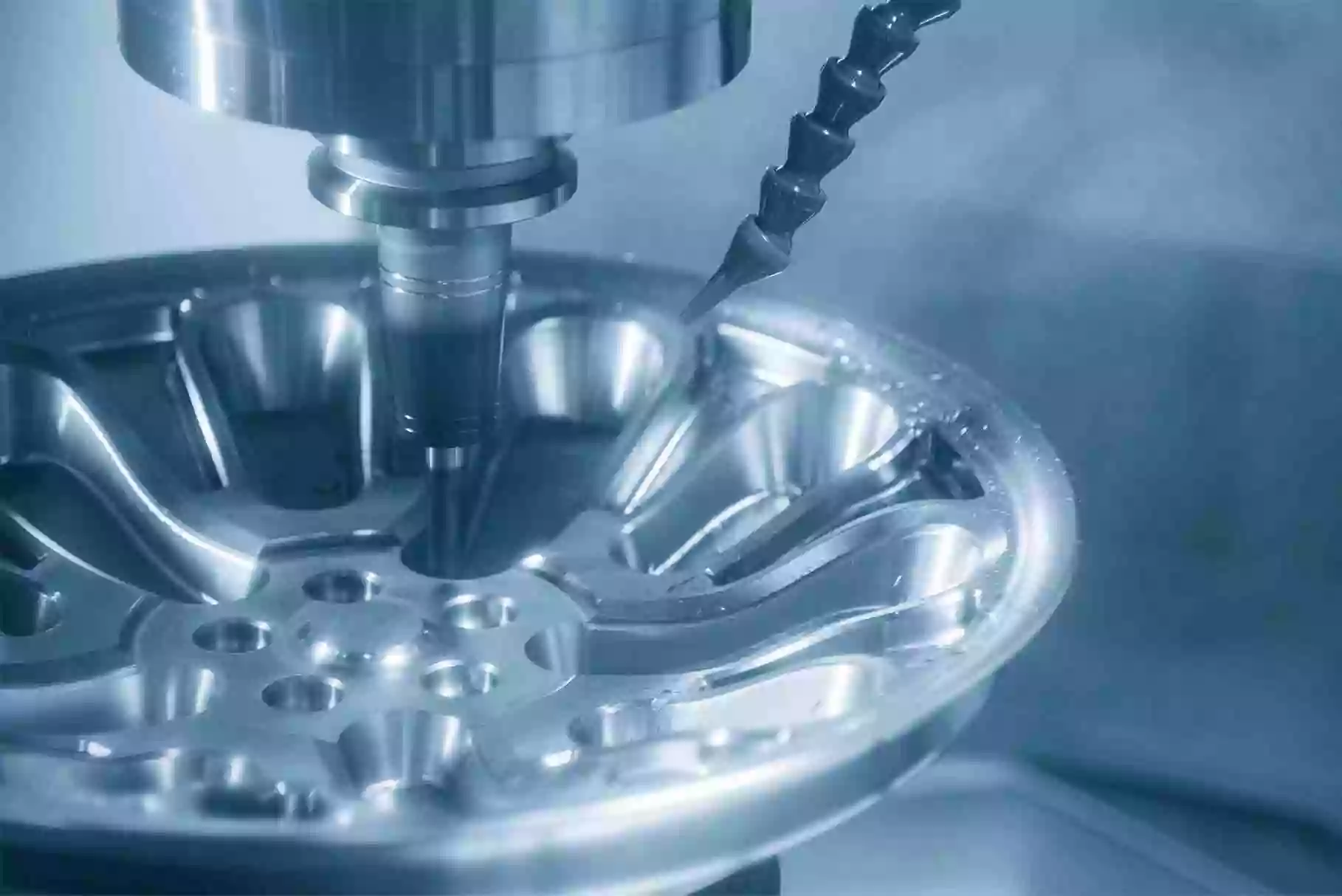
Surface Finish
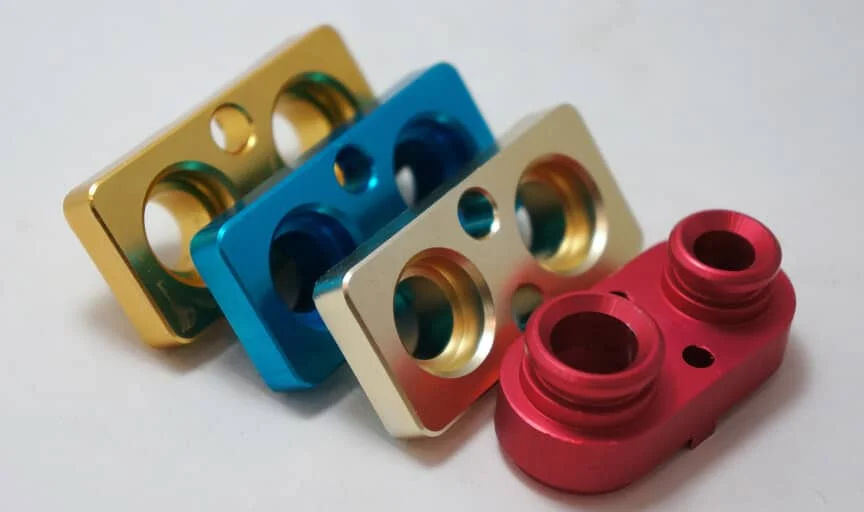
The following are some of the surface treatment processes we offer; these processes can enhance the performance or aesthetics of stainless steel components:
- As Machined
- Polishing
- Brushed Finish
- Satin Finish
- Bead Blasting
- Sand Blasting
- Electropolishing
- Passivation
- Electroplating
- Powder Coating
You Might Also Be Interested In
FAQ
What are the advantages and disadvantages of Stainless Steel?
Stainless steel offers excellent corrosion resistance, high strength, durability, and good temperature resistance. It is widely used for components requiring long service life and reliable performance in harsh environments. However, stainless steel has a higher material cost than many common metals and can be more difficult to machine due to its high strength and work-hardening characteristics.
What industries use Stainless Steel components manufactured by XTPROTO?
XTPROTO provides precision stainless steel manufacturing solutions for a wide range of industries, including aerospace, automotive, medical, electronics, robotics, energy, semiconductor equipment, food processing, and industrial machinery. Stainless steel components are widely used in these applications due to their excellent corrosion resistance, strength, durability, and dimensional stability.
What quality control and accuracy standards does XTPROTO provide for Stainless Steel parts?
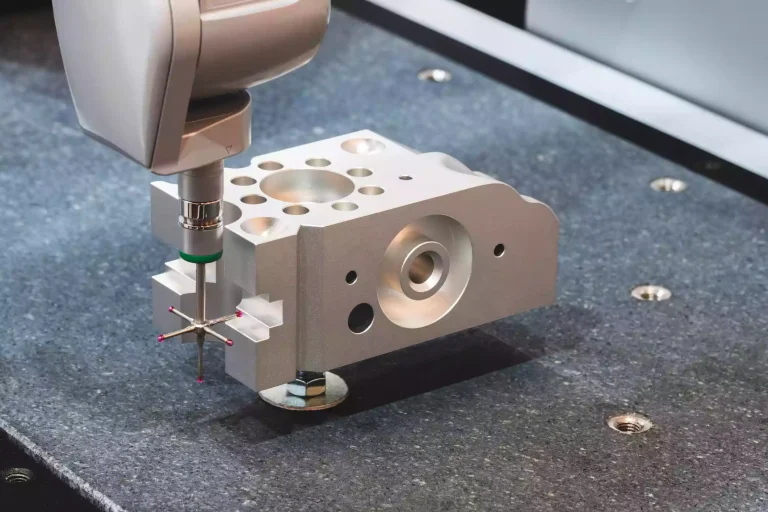
XTPROTO ensures stainless steel part quality through strict material verification, in-process inspection, and final inspection using advanced equipment such as CMMs, optical measuring systems, and precision measurement tools. We can achieve tolerances down to ±0.005 mm to meet demanding application requirements.
What manufacturing processes are available for Stainless Steel parts?
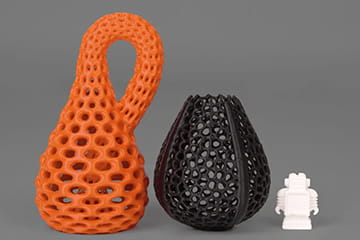
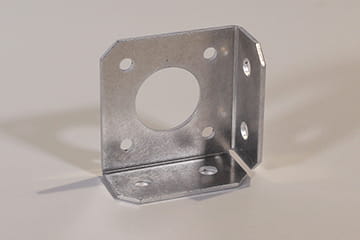
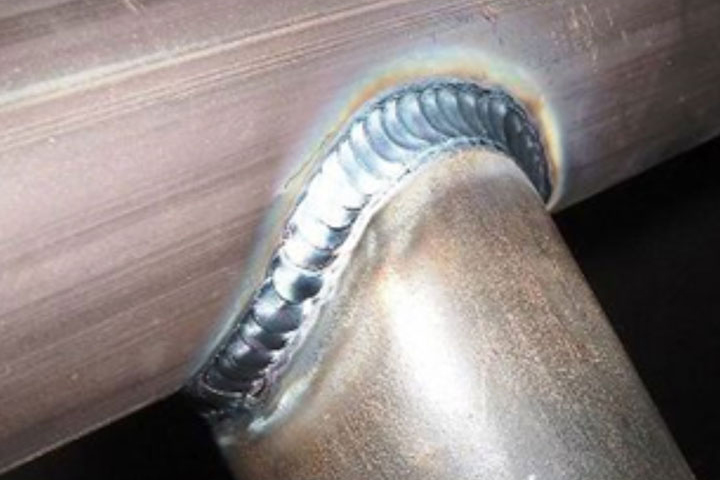
XTPROTO supports multiple manufacturing processes for stainless steel, including CNC machining, sheet metal fabrication, laser cutting, waterjet cutting, casting, forging, welding, and metal 3D printing.
Ready to Start Your Stainless Steel Project?
Contact our team today to get a quote for custom stainless steel parts or discuss the right stainless steel grade and manufacturing solution for your application. From prototypes to production runs, XTPROTO helps you turn stainless steel designs into high-quality components.