
Precision Machining: Processes, Materials & Applications
Modern industries demand components with extremely high accuracy, consistency, and reliability. From aerospace turbine blades to medical implants and advanced robotics, even a tiny dimensional error can affect performance or safety. This is where precision machining becomes essential.
Precision machining refers to advanced manufacturing processes that remove material from a workpiece using computer-controlled equipment to produce parts with extremely tight tolerances and precise geometries. By combining CNC technology, high-performance cutting tools, and advanced measurement systems, manufacturers can produce complex components with micron-level accuracy.
Compared with traditional machining, precision machining offers higher repeatability, improved surface finish, and the ability to create intricate shapes that would be difficult or impossible using manual methods. These advantages make it a critical process in industries such as aerospace, medical devices, automotive, electronics, and robotics.
In this guide, we’ll explore how precision machining works, the technologies involved, common materials, tolerances, and the industries that rely on this high-accuracy manufacturing method.
What Is Precision Machining?
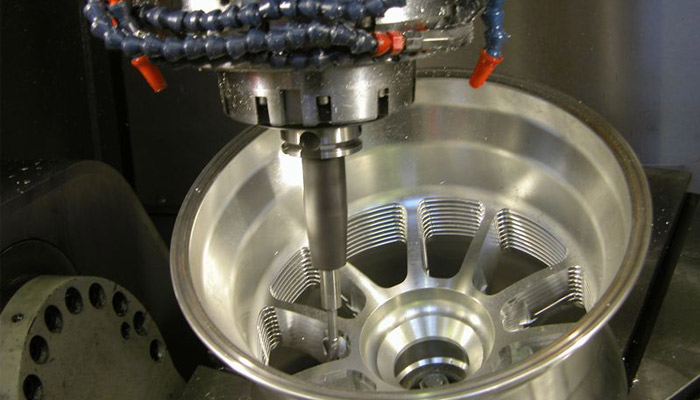
Precision machining is a manufacturing process that removes material from a solid workpiece to create parts with extremely tight tolerances, complex geometries, and high surface quality. The process typically uses computer-controlled machines, such as CNC milling machines, lathes, grinders, and electrical discharge machining (EDM) equipment.
Unlike conventional machining, which may rely on manual operation or less precise equipment, precision machining uses advanced CNC systems to control cutting tools with high accuracy and repeatability. This allows manufacturers to produce components that meet strict engineering specifications, often within tolerances of just a few microns.
The process begins with a digital design model created using CAD software. That model is then converted into machine instructions through CAM programming, guiding the cutting tools during the machining operation. Modern precision machining centers can operate across multiple axes simultaneously, enabling the production of intricate parts with exceptional accuracy.
Because of its ability to maintain consistent quality and tight dimensional control, precision machining is widely used for producing critical components such as aerospace parts, medical instruments, electronic housings, and high-performance mechanical systems.
Key Characteristics of Precision Machining
Precision machining is defined by several important characteristics that distinguish it from standard machining processes.
Tight Tolerances
One of the most important features of precision machining is the ability to achieve extremely tight dimensional tolerances. Many precision components are manufactured with tolerances as small as ±0.005 mm or even tighter depending on the process.
High Repeatability
CNC-controlled machining systems ensure that the same part can be produced repeatedly with consistent quality. This is especially important for industries that require large quantities of identical precision components.
Complex Geometries
Advanced machining technologies such as multi-axis CNC milling and Swiss machining allow manufacturers to produce complex shapes, intricate features, and detailed internal geometries that would be difficult to achieve with traditional machining methods.
Superior Surface Finish
Precision machining often produces parts with excellent surface finishes, reducing the need for extensive post-processing and ensuring better performance in applications where surface quality is critical.
How Precision Machining Works
Precision machining follows a highly controlled and systematic manufacturing process. From digital design to final inspection, each stage ensures that the finished component meets strict dimensional requirements and quality standards.
Modern machining operations rely heavily on computer-controlled systems, advanced tooling, and precise measurement equipment to maintain accuracy and repeatability throughout the production cycle.
Below is a simplified overview of how precision machining typically works.
1. CAD Design and Engineering
The process begins with a digital model of the component created using Computer-Aided Design (CAD) software. Engineers design the part according to the required dimensions, tolerances, and functional specifications.
This 3D model defines every geometric feature of the component, including holes, threads, surfaces, and complex contours. Accurate CAD models are essential because the entire machining process depends on this digital blueprint.
2. CAM Programming
After the design is finalized, the CAD model is imported into Computer-Aided Manufacturing (CAM) software.
CAM software converts the 3D model into machine instructions known as toolpaths. These toolpaths determine:
- Cutting speed
- Tool movement
- Depth of cut
- Machining sequence
The final program is then translated into G-code, which CNC machines use to execute the machining operations with high precision.
3. Machine Setup
Before machining begins, the workpiece and cutting tools must be properly prepared.
Machine setup typically includes:
- Securing the material in fixtures or vises
- Installing appropriate cutting tools
- Calibrating machine axes
- Setting tool offsets and coordinates
Accurate setup is critical for maintaining precision and preventing dimensional errors during machining.
4. CNC Machining Operation
Once the setup is complete, the CNC machine begins removing material from the workpiece.
During machining, cutting tools rotate at high speeds while the machine moves along programmed axes to shape the part. Depending on the complexity of the component, machining operations may involve multiple steps such as milling, turning, drilling, and contouring.
Advanced multi-axis machines can move simultaneously along several axes, allowing them to create intricate geometries and complex surfaces with exceptional accuracy.
5. Precision Inspection and Quality Control
After machining is completed, the part undergoes rigorous inspection to ensure it meets the required specifications.
Quality control methods may include:
- Coordinate Measuring Machines (CMM)
- Optical measurement systems
- Laser scanning
- Surface roughness testing
These inspection techniques verify critical dimensions and confirm that the part falls within the specified machining tolerances.
6. Finishing and Post-Processing
In many cases, machined components require additional finishing processes to improve performance, durability, or appearance.
Common finishing processes include:
- Polishing
- Grinding
- Anodizing
- Plating
- Heat treatment
These processes help enhance surface quality, corrosion resistance, and mechanical properties.
Types of Precision Machining Processes
Precision machining is not a single manufacturing method but a group of advanced machining processes designed to produce high-accuracy parts. Different machining technologies are used depending on the geometry, material, and tolerance requirements of the component.
The most common precision machining processes include the following.
CNC Milling
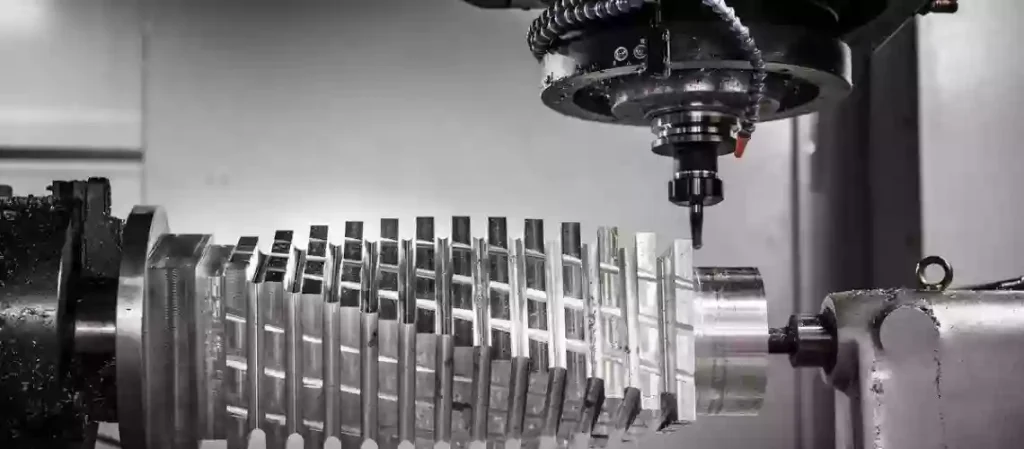
CNC milling is one of the most widely used precision machining processes. It uses rotating cutting tools to remove material from a stationary workpiece.
Modern CNC milling machines can operate on multiple axes, allowing them to produce complex shapes, slots, pockets, and contoured surfaces with high accuracy.
Multi-axis milling systems, such as 4-axis and 5-axis machines, are especially valuable for machining intricate components used in aerospace, medical devices, and robotics.
CNC Turning
CNC turning is primarily used to manufacture cylindrical or round components.
In this process, the workpiece rotates at high speed while a stationary cutting tool removes material from the outer diameter. CNC turning is commonly used to produce parts such as:
- Shafts
- Bushings
- Pins
- Connectors
- Fasteners
High-precision lathes can achieve extremely tight tolerances and smooth surface finishes, making them ideal for producing precision mechanical components.
Swiss Machining
Swiss machining, also known as Swiss-type turning, is designed for producing extremely small and high-precision parts.
Unlike conventional lathes, Swiss machines support the workpiece close to the cutting tool using a guide bushing. This design minimizes vibration and deflection, allowing for exceptional precision when machining slender or miniature components.
Swiss machining is widely used in industries such as medical devices, electronics, and watchmaking.
Precision Grinding
Grinding is a finishing process used to achieve extremely tight tolerances and smooth surface finishes.
A rotating abrasive wheel removes very small amounts of material from the part surface, allowing manufacturers to achieve precise dimensions and high surface quality.
Grinding is commonly used for:
- Bearings
- Hardened steel components
- Tooling
- Precision shafts
Wire EDM (Electrical Discharge Machining)
Wire EDM uses a thin electrically charged wire to cut through conductive materials.
Instead of traditional cutting tools, the process removes material using controlled electrical sparks. This allows wire EDM to produce extremely intricate shapes, sharp internal corners, and fine details that are difficult to achieve with conventional machining.
Wire EDM is often used for tooling, molds, and high-precision metal components.
Sinker EDM
Sinker EDM, also known as die-sinking EDM, uses a shaped electrode to create complex cavities in conductive materials.
The electrode gradually erodes the workpiece through controlled electrical discharges, producing detailed internal geometries. This process is widely used for mold manufacturing, die making, and precision tooling.
Materials Used in Precision Machining
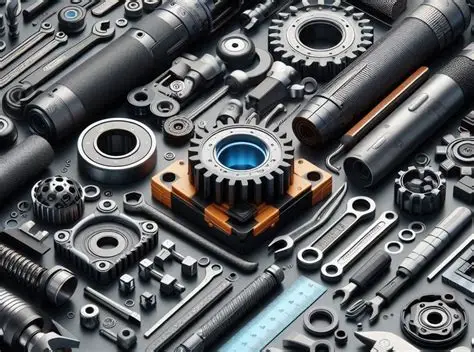
Precision machining can work with a wide range of materials, including metals, engineering plastics, and high-performance alloys. The choice of material depends on factors such as mechanical strength, corrosion resistance, weight, thermal stability, and the intended application of the component.
Selecting the right material is critical because different materials behave differently during machining. Some materials are easy to machine and allow faster production, while others require specialized tooling and slower cutting speeds to maintain precision and surface quality.
Below are some of the most commonly used materials in precision machining.
Metal Materials
Metals are the most widely used materials for precision machining due to their strength, durability, and structural stability.
Aluminum
Aluminum is one of the most popular machining materials because it is lightweight, corrosion-resistant, and easy to machine. It also provides good strength-to-weight performance, making it widely used in aerospace, automotive, and electronics components.
Stainless Steel
Stainless steel offers excellent corrosion resistance, strength, and durability. It is commonly used for medical equipment, industrial machinery, and components that must withstand harsh environments.
Titanium
Titanium is known for its high strength, low weight, and exceptional corrosion resistance. It is frequently used in aerospace and medical applications where high performance and reliability are essential.
Brass and Copper
Brass and copper are often used for electrical components, connectors, and precision fittings due to their excellent electrical conductivity and machinability.
Engineering Plastics
Precision machining is also widely used to manufacture high-performance plastic components. Engineering plastics are often chosen for applications that require chemical resistance, lightweight structures, or electrical insulation.
Common machining plastics include:
- PEEK
- Nylon (PA)
- PTFE (Teflon)
- Delrin (Acetal)
- Polycarbonate (PC)
These materials are commonly used in medical devices, electronics housings, and precision mechanical components.
High-Performance Alloys
Some industries require materials that can withstand extreme temperatures, pressure, or chemical exposure.
High-performance alloys commonly used in precision machining include:
- Inconel
- Hastelloy
- Tungsten alloys
- Tool steels
Although these materials are more difficult to machine, modern CNC machining technologies allow manufacturers to produce precision components with high accuracy and consistency.
Precision Machining Tolerances
One of the defining characteristics of precision machining is the ability to achieve extremely tight dimensional tolerances.
A machining tolerance refers to the allowable variation in a part’s dimension. In high-precision manufacturing, even a very small deviation can affect assembly performance, mechanical reliability, or overall product quality.
Precision machining processes are capable of maintaining tolerances within a few microns, depending on the machining method, material, and equipment used.
Typical Precision Machining Tolerances
Different machining processes achieve different levels of accuracy. The following table shows typical tolerance ranges for common precision machining methods.
| Machining Process | Typical Tolerance |
| CNC machining | ±0.005 mm |
| Precision grinding | ±0.002 mm |
| Wire EDM | ±0.003 mm |
| Swiss machining | ±0.005 mm |
These tolerance levels allow manufacturers to produce components that fit together perfectly in complex mechanical assemblies.
Why Tight Tolerances Matter
Maintaining tight tolerances is essential in many industries where component accuracy directly affects performance and safety.
For example:
Aerospace components require precise dimensions to ensure aerodynamic performance and structural reliability.
Medical devices must meet strict regulatory requirements and function safely within the human body.
Automotive systems depend on accurate parts to maintain efficiency and mechanical stability.
Precision machining ensures that parts consistently meet these strict requirements.
Advantages of Precision Machining
Precision machining offers several important advantages over traditional machining methods. These benefits make it one of the most widely used manufacturing technologies for producing high-accuracy components.
Exceptional Accuracy
Precision machining equipment can produce parts with extremely tight tolerances and highly detailed features. This level of accuracy is essential for industries where even minor dimensional deviations are unacceptable.
Consistent Part Quality
Because CNC machining processes are computer-controlled, manufacturers can produce identical parts repeatedly with minimal variation. This consistency is especially important for high-volume production and complex assemblies.
Ability to Machine Complex Geometries
Advanced machining technologies such as multi-axis CNC milling make it possible to produce intricate shapes, internal features, and detailed surfaces that would be extremely difficult to achieve using traditional manufacturing methods.
Wide Material Compatibility
Precision machining can be applied to a wide range of materials, including metals, plastics, and high-performance alloys. This flexibility allows manufacturers to produce components for many different industries and applications.
Reduced Production Waste
Subtractive machining processes remove only the material necessary to create the final geometry. Combined with precise toolpath control, this helps minimize material waste and improve overall manufacturing efficiency.
Industries That Use Precision Machining
Precision machining plays a crucial role in modern manufacturing. Many industries depend on high-precision components to ensure performance, reliability, and safety. Because precision machining can produce parts with extremely tight tolerances and complex geometries, it has become essential for manufacturing advanced mechanical and electronic systems.
Below are some of the key industries that rely heavily on precision machining.
Aerospace Industry
The aerospace industry requires components with exceptional accuracy and reliability. Aircraft engines, turbine blades, structural brackets, and landing gear components must meet extremely strict tolerances to ensure safety and performance.
Precision machining allows manufacturers to produce lightweight yet strong components from materials such as aluminum, titanium, and high-temperature alloys.
Medical Device Manufacturing
Medical devices require extremely precise components that meet strict regulatory and safety standards. Many medical tools and implants must function reliably within the human body, which requires high dimensional accuracy and excellent surface finishes.
Common precision-machined medical components include:
- Surgical instruments
- Orthopedic implants
- Dental components
- Medical device housings
Automotive Industry
The automotive sector relies on precision machining to manufacture high-performance mechanical components used in engines, transmissions, braking systems, and fuel injection systems.
Precision machining helps ensure that automotive parts operate efficiently, reduce friction, and maintain long-term durability.
Electronics and Semiconductor Industry
Modern electronics require miniature and highly accurate components. Precision machining is used to manufacture components such as heat sinks, connectors, housings, and semiconductor equipment parts.
As electronic devices continue to shrink in size, the demand for extremely precise micro-machined components continues to grow.
Robotics and Automation
Robotics systems rely on precise mechanical components to ensure smooth movement and accurate positioning. Precision machining is used to produce parts such as robotic joints, housings, structural components, and precision gears.
High machining accuracy helps robotic systems maintain stability and repeatability in automated manufacturing environments.
Factors That Affect Precision Machining Accuracy
Achieving high precision in machining is not only dependent on the machine itself. Several factors can influence the final accuracy and quality of machined components.
Understanding these factors helps manufacturers optimize the machining process and maintain consistent part quality.
Machine Tool Precision
The accuracy of the CNC machine plays a fundamental role in precision machining. High-quality machines are designed with rigid structures, advanced motion control systems, and precise positioning capabilities to ensure consistent results.
Cutting Tools
Cutting tools directly influence the surface finish and dimensional accuracy of machined parts. Tool material, geometry, and wear condition all affect machining performance.
Regular tool inspection and replacement are essential for maintaining machining precision.
Workpiece Material
Different materials behave differently during machining. Harder materials may require slower cutting speeds and specialized tools, while softer materials can be machined more easily.
Material properties such as hardness, thermal expansion, and elasticity can all influence machining accuracy.
Temperature and Environmental Conditions
Temperature changes can cause thermal expansion in both the machine and the workpiece. Even small temperature variations can affect machining accuracy when extremely tight tolerances are required.
Controlled manufacturing environments help minimize these effects.
Operator Expertise
Although CNC machining is automated, skilled operators and engineers are still essential. Proper machine setup, programming, and quality control procedures ensure that the machining process operates efficiently and produces high-quality components.
FAQs About Precision Machining
Below are some common questions about precision machining.
What tolerance is considered precision machining?
Precision machining typically refers to manufacturing processes capable of maintaining tolerances within ±0.01 mm or tighter. Advanced processes such as grinding or EDM can achieve even smaller tolerances depending on the material and equipment used.
What machines are used for precision machining?
Common machines used in precision machining include CNC milling machines, CNC lathes, Swiss-type lathes, precision grinding machines, and electrical discharge machining (EDM) equipment.
What materials can be used in precision machining?
Precision machining can be used for a wide variety of materials, including metals such as aluminum, stainless steel, titanium, and brass, as well as engineering plastics like PEEK, PTFE, nylon, and polycarbonate.
What industries rely most on precision machining?
Industries that require high-precision components include aerospace, medical devices, automotive manufacturing, electronics, robotics, and industrial equipment production.
Is precision machining suitable for mass production?
Yes. Modern CNC machining systems are highly automated and capable of producing both small-batch prototypes and large-volume production parts with consistent quality and repeatability.
Precision Machining vs CNC Machining
Many people use the terms precision machining and CNC machining interchangeably, but they are not exactly the same. While they are closely related, there are some important differences between the two.
CNC machining refers to a manufacturing process that uses computer numerical control (CNC) machines to automate the movement of cutting tools and produce parts from various materials.
Precision machining, on the other hand, is a broader concept that focuses on achieving extremely tight tolerances, high accuracy, and superior surface finishes. CNC machining is one of the most common technologies used to achieve precision machining.
In other words, CNC machining is a method, while precision machining describes the level of accuracy and quality that can be achieved.
Key Differences
| Feature | Precision Machining | CNC Machining |
| Definition | A manufacturing approach focused on extremely high accuracy and tight tolerances | A computer-controlled machining process |
| Focus | Dimensional precision and surface quality | Automated material removal |
| Technologies Used | CNC machining, grinding, EDM, Swiss machining | CNC milling, CNC turning, multi-axis machining |
| Typical Applications | Aerospace, medical devices, high-performance engineering | General manufacturing and production |
Although the two terms differ slightly, most modern precision machining operations rely heavily on CNC technology to maintain consistency, accuracy, and repeatability.
Cost of Precision Machining
The cost of precision machining can vary widely depending on several factors, including material selection, part complexity, tolerance requirements, and production volume.
Understanding these cost factors can help engineers and manufacturers optimize designs and reduce overall production expenses.
Material Selection
Material choice has a significant impact on machining cost. Some materials are easier to machine and allow faster production, while others require specialized tooling and slower cutting speeds.
For example:
- Aluminum is relatively easy to machine and cost-effective.
- Stainless steel requires more machining time and durable tools.
- Titanium and high-performance alloys are more difficult to machine and therefore more expensive.
Part Complexity
Parts with complex geometries, intricate internal features, or multi-axis machining requirements usually take longer to manufacture. More complex components may require multiple setups or specialized machining processes, which increases production time and cost.
Tolerance Requirements
Tighter tolerances generally increase machining cost because they require more precise equipment, slower machining speeds, and additional inspection procedures.
For example, maintaining tolerances within ±0.002 mm requires extremely stable machines and careful process control.
Production Volume
Production quantity also influences machining cost.
- Low-volume production may have higher per-part costs due to setup time.
- High-volume production allows manufacturers to optimize tooling and machining processes, reducing the cost per unit.
Surface Finishing and Post-Processing
Additional finishing processes such as anodizing, plating, polishing, or heat treatment can also increase the overall manufacturing cost. However, these processes are often necessary to improve corrosion resistance, durability, or appearance.
Conclusion
Precision machining is a critical manufacturing technology that enables the production of highly accurate components used in advanced industries. By combining CNC technology, precision tooling, and rigorous quality control, manufacturers can produce complex parts with tight tolerances and consistent quality.
From aerospace and medical devices to automotive and robotics, precision machining plays an essential role in creating the high-performance components required in modern engineering.
As manufacturing technology continues to evolve, innovations such as multi-axis machining, automation, and advanced materials will further expand the capabilities of precision machining and drive the future of high-precision manufacturing.