
Torlon PAI Precision Machining Guide: Material Properties, Machining Challenges, and Process Control
When secondary engineering plastics like PEEK reach their thermal and mechanical limits, design engineers turn to Torlon PAI (polyamide-imide). Renowned for its metal-like strength and exceptional stability under extreme conditions, this ultra-high-performance polymer is the definitive choice for severe-service applications. However, transforming raw Torlon stock into high-precision components requires more than standard machining practices—it demands a deep respect for the material’s unique physical and chemical characteristics.
This guide breaks down the core properties of Torlon PAI, the physical challenges encountered during CNC machining, and the essential post-processing steps required to deliver predictable, reliable parts.
What is Torlon PAI?
To understand Torlon PAI (polyamide-imide), it helps to look at where traditional plastics reach their physical boundaries. In high-temperature industrial environments, most engineering plastics—including PEEK—begin to lose their mechanical strength, soften, or deform under continuous load. This is the exact point where Torlon PAI is engineered to perform.
Chemically, Torlon belongs to the polyamide-imide family. It was developed to combine the exceptional thermal resistance of polyimides (PI) with the melt-processability of standard thermoplastics. In simple terms, it bridges the gap between commercial plastics and metals.
When you look at its performance baseline, Torlon operates continuously at temperatures ranging from deep cryogenic conditions up to 260°C (500°F). Within this thermal window, it maintains a higher tensile and compressive strength than almost any other unreinforced plastic on the market. It does not behave like a typical plastic; under high pressure and heat, it retains its rigid structure, resisting the gradual deformation known as creep.
Essentially, Torlon PAI is not chosen for standard everyday components. It is specified for critical applications where a part must endure extreme mechanical stress and thermal loads simultaneously, acting as a reliable, lightweight alternative to metals.
Why Choose It?
Engineers select Torlon PAI when a project demands a combination of physical properties that other materials simply cannot deliver. While it is an expensive material, its selection is driven by three core performance characteristics:
1. Exceptional Dimensional Stability
Many plastics expand or contract significantly with temperature fluctuations, which destroys tight tolerances. Torlon PAI has an extremely low Coefficient of Linear Thermal Expansion (CLTE). This means that even when transitioning from room temperature to 260°C, the material undergoes minimal volumetric change. For parts that require micron-level precision, such as semiconductor test sockets, Torlon ensures that holes and critical gaps remain perfectly aligned under varying thermal conditions.
2. High Load-Bearing and Wear Capability
In moving mechanical assemblies, components face constant friction and high pressure. Torlon PAI exhibits outstanding resistance to wear and tear, even in non-lubricated environments. Unlike metals that can gall or seize without oil, or softer plastics that wear down rapidly, Torlon maintains a low coefficient of friction under high PV (pressure-velocity) thresholds. This makes it highly effective for severe-service bearings, thrust washers, and rotating seals.
3. Structural Strength-to-Weight Ratio
While metals like stainless steel or titanium offer high strength, they add significant weight to an assembly and are electrically conductive. Torlon PAI provides a tensile strength that rivals some metals at a fraction of the weight. Additionally, it serves as an excellent electrical insulator and does not suffer from galvanic corrosion when placed in contact with carbon fiber or other metallic structures.
In short, Torlon is chosen because it resolves the compromise between the lightweight, insulating properties of a plastic and the structural rigidity of a metal.
The Reality of Cost
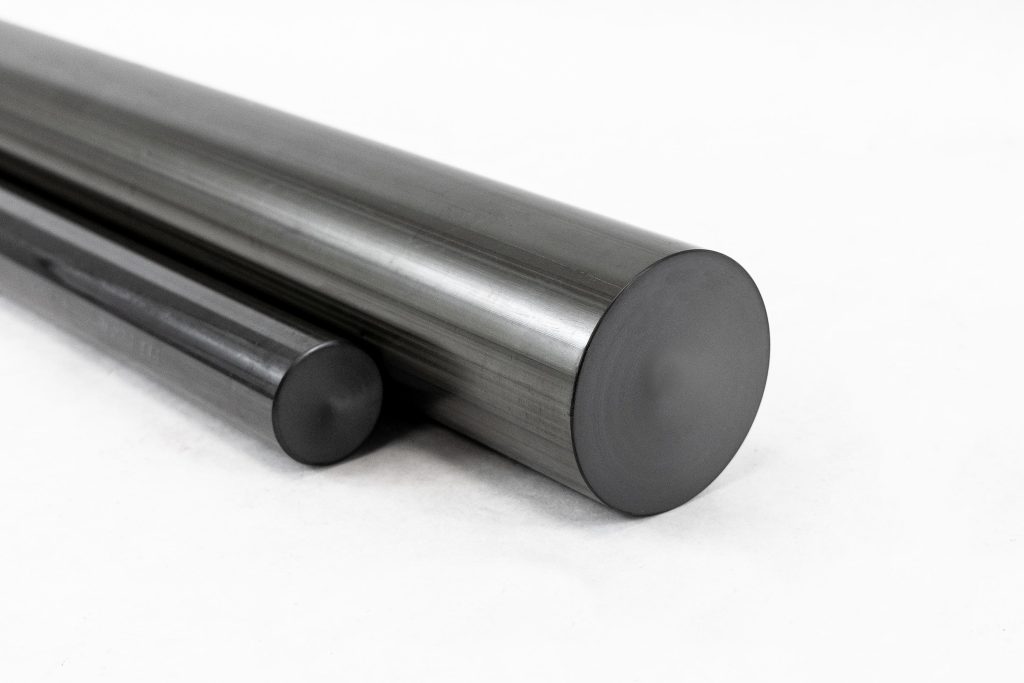
When discussing Torlon PAI CNC machining, the topic of cost is unavoidable. Torlon is one of the most expensive engineering plastics on the market, often costing several times more than PEEK and significantly more than standard materials like nylon or acetal. Understanding why the material and its machining costs are higher—and how to evaluate that expense—is essential before specifying it for a project.
Why is Torlon Expensive?
The high price tag starts at the chemical manufacturing level. Synthesizing polyamide-imide requires complex, tightly controlled chemical processes, and the global raw material supply chain is highly specialized. Furthermore, producing raw Torlon into usable shapes like rods or plates is difficult. The material requires extreme temperatures and pressures to extrude or compression-mold. Yield rates are lower than those of standard plastics, and the equipment undergoes significant wear, all of which drives up the initial material cost.
Evaluating the Return on Investment
Looking only at the upfront cost of the raw material can be misleading. In high-stress applications, the true value of Torlon is measured by the total cost of ownership and system reliability:
- Extended Component Lifespan: In severe environments involving high friction or corrosive gases, cheaper materials fail prematurely. The longevity of Torlon reduces the frequency of replacements.
- Preventing Downtime: In industries like oil and gas extraction or semiconductor manufacturing, equipment downtime can cost thousands of dollars per hour. Using a component that guarantees zero failure under pressure easily offsets its initial premium.
- System Optimization: Because Torlon can replace metals, it allows for lighter assemblies, reduced energy consumption in moving parts, and the elimination of external lubrication systems.
Ultimately, Torlon is not a cost-saving material on paper, but it is a problem-solving material. If a cheaper plastic forces you to compromise on safety, performance, or machine uptime, the investment in Torlon becomes the more economical choice in the long run.
Why is it so Difficult to Machine?
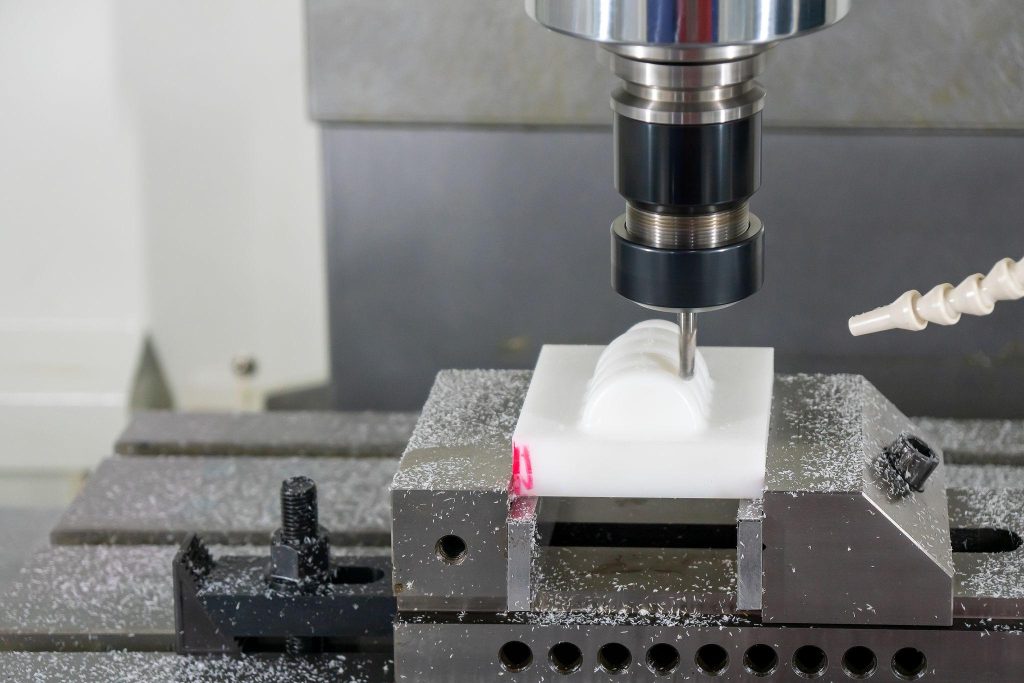
Torlon PAI behaves differently on a CNC machine than standard engineering plastics. Because it shares physical characteristics with both high-strength polymers and metals, it places unique demands on the machining process. Machining it successfully requires understanding two inherent characteristics of the material:
1. The “Cured Skin” and Internal Tension
When Torlon is extruded into stock shapes like rods or plates, the manufacturing process creates an uneven distribution of stress across the material’s cross-section. Specifically, the outer layer—often referred to as the “cured skin”—cools differently and becomes slightly harder and more dense than the inner core.
If a machinist removes material aggressively from one side without balancing the cuts, this internal tension is suddenly released. The material responds by bowing or warping. To maintain flat surfaces and tight tolerances, the machining process must include a balanced, symmetrical approach—roughing all sides evenly to release the skin tension before attempting final precision passes.
2. High Thermal Insulation and Local Heat Buildup
Torlon is an excellent thermal insulator, which is ideal for finished parts but problematic during cutting. Unlike metals, which dissipate cutting heat through the chips and the material itself, Torlon holds onto heat. During continuous milling or drilling, the heat generated by tool friction accumulates directly at the cutting edge.
If the temperature at the tool-material interface approaches Torlon’s glass transition temperature, the material can soften momentarily and then immediately gum up or micro-harden against the tool. This leads to rapid tool wear, localized stress fractures, or chipped edges on the part. Managing this requires specific machining strategies: using incredibly sharp carbide or PCD (polycrystalline diamond) tooling, maintaining high feed rates to throw the heat off in the chips, and utilizing appropriate coolant to keep the cutting zone stable.
Machining Torlon is fundamentally a balancing act between managing structural stress and controlling heat buildup. If a shop treats it like standard nylon or even PEEK, the material will inevitably warp or crack.
The Secret of Post-Curing
One of the most critical steps in manufacturing a Torlon PAI part does not happen on the CNC machine; it happens in an industrial oven. This process is called post-curing, or re-curing. To get the performance you pay for, understanding this step is essential.
What is Post-Curing?
When you buy raw Torlon shapes or finish machining a part, the polymer chains within the material are not yet fully linked. Post-curing is a precise thermal treatment where finished parts are placed in a circulating-air oven and subjected to a programmed, step-by-step heating cycle. This cycle typically lasts several days, with temperatures gradually ramping up to 260°C (500°F) and then slowly cooling down.
Why is This Step Essential?
At a microscopic level, the high heat of the oven drives a chemical reaction called cross-linking. This reaction connects the individual polymer chains into a dense, three-dimensional network, maximizing the material’s molecular weight.
Skipping or rushing this process has direct consequences on the physical component:
- Compromised Wear Resistance: Uncured or under-cured Torlon wears down significantly faster under friction. Post-curing is what gives the material its legendary ability to survive without lubrication.
- Brittleness and Thermal Shock: Without complete cross-linking, the material retains less impact strength and can develop micro-cracks when subjected to sudden temperature drops or spikes.
Managing Dimensional Change During the Bake
Because post-curing alters the material’s molecular structure, it causes a small, predictable amount of volumetric shrinkage—typically between 0.2% and 0.5%. Additionally, as the oven temperature approaches the material’s softening point, the parts are susceptible to gravity-induced warping if they are not supported correctly.
A knowledgeable manufacturer must account for this shrinkage during the machining phase and utilize custom fixtures or flat plates in the oven to ensure the part remains perfectly true to the blueprint after the final bake.
Checklist for Engineers
Because Torlon PAI is an exceptional material with specific physical demands, integrating it into a project requires a different approach than working with standard metals or commodity plastics. To ensure a successful outcome and avoid costly mistakes, engineers and buyers should use the following checklist during the design and procurement phases:
1. Verify the Environmental Necessity
Before committing to Torlon, double-check that the application genuinely requires its extreme properties. If the continuous operating temperature stays below 150°C, or if the structural loads are moderate, materials like PEEK, PPS, or even high-grade acetal may deliver the required performance at a significantly lower cost. Torlon should be reserved for environments where failure is not an option and other polymers break down.
2. Factor Post-Curing into the Project Timeline
A common mistake in procurement is treating Torlon parts with the same lead times as aluminum or nylon. Because proper post-curing requires a slow, multi-day thermal cycle in an oven to achieve full molecular strength, this step cannot be rushed. Attempting to bypass or shorten the bake cycle will yield weak parts prone to premature failure. Always build this dedicated processing time into your project milestone planning.
3. Adjust Design Tolerances for Real-World Conditions
When designing a Torlon component, remember its relationship with moisture and temperature:
Avoid sharp internal corners or sudden transitions in wall thickness, as these create stress concentration points during machining and post-curing.
If the part will operate in a humid environment or undergo extreme thermal cycling, design your mating tolerances to accommodate the minor, predictable dimensional shifts caused by moisture absorption and thermal expansion.
4. Partner with an Experienced Manufacturer
The cost of Torlon raw material leaves very little room for error or machining scrap. Working with a machine shop that understands how to manage the “cured skin” tension, control frictional heat, and execute precise post-curing cycles is the most reliable way to protect your investment. Choosing a partner based purely on the lowest machining quote often results in warped parts or high material waste.
By addressing these practical realities early in the design phase, you can fully leverage the unmatched capabilities of Torlon PAI while keeping your production schedule and budget predictable.
Conclusion
Torlon PAI stands as a definitive solution for applications where components must maintain metal-like strength, extreme dimensional stability, and uncompromised wear resistance under high thermal and mechanical loads. However, unlocking the full potential of this advanced polymer requires a deep understanding of its physical nuances—from managing internal型材 stresses during cutting to executing the strict post-curing cycles essential for its molecular strength. When designed and processed correctly, Torlon parts provide unparalleled reliability in the most demanding environments.
At XTPROTO, we deliver high-precision CNC machining and manufacturing services tailored to custom engineering plastic components, advanced metallic parts, and complex industrial assemblies. Serving critical sectors such as aerospace, medical devices, automotive, and semiconductor equipment, we combine rigorous process control with technical expertise to ensure your high-performance materials are manufactured exactly to specification.