
The Importance of CNC Machining in Telecommunication Systems: Beyond Precision to Signal Integrity
Telecommunication technology has undergone a remarkable transformation over the past few decades. Where once voice and data traveled over simple copper lines, today signals are transmitted across fiber-optic networks, microwave links, and satellites orbiting the Earth. Each leap in technology—from 4G to 5G and now toward 6G—has driven devices to become smaller, faster, and more densely packed with electronics.
In the early days, telecom hardware was relatively forgiving. Components could be handcrafted or produced with broad tolerances, and minor inconsistencies rarely affected overall system performance. But in the era of millimeter-wave frequencies and ultra-fast data rates, every micrometer counts. Even the slightest deviation in a waveguide or connector can introduce signal loss or phase shift, directly impacting network reliability.
This is where precision CNC machining has emerged as an essential enabler for modern telecommunications. By delivering parts with extreme dimensional accuracy, flawless surface finishes, and consistent material properties, CNC technology ensures that antennas, RF modules, and optical assemblies perform exactly as designed. Today, high-frequency telecom infrastructure is not just about connecting devices—it’s about maintaining signal integrity across increasingly complex, high-speed networks.

Critical Demands of Modern Telecommunications
In today’s telecom environment, networks are under constant pressure. As someone who has worked on multiple 5G and fiber deployments, I can tell you: even the smallest hardware detail can make or break performance.
Extreme Tolerances
When we started prototyping 5G waveguides, a ±20 μm error seemed negligible on paper—but in the lab, it caused measurable phase shifts that affected the entire signal chain. High-frequency components leave almost no room for error. For parts like cavity filters or RF connectors, tolerances of ±10 μm or better are often non-negotiable. CNC machining is the only method I’ve seen that consistently hits these numbers without repeated trial-and-error.
Surface Finish and Signal Performance
High-frequency currents travel mostly on the surface of conductors—the so-called skin effect. I remember one project where we switched from a standard milling finish to a fine CNC-polished surface on a copper waveguide: the insertion loss dropped significantly. In other words, smooth surfaces aren’t just “nice to have”—they directly impact network reliability.
Thermal and Mechanical Stability
Telecom equipment faces extremes. Outdoor RRUs can swing from -30°C to 50°C, sometimes while a fan is vibrating nearby. I’ve personally witnessed machined aluminum heat sinks warp slightly when tolerances weren’t tight enough. Choosing the right material, like Invar for minimal expansion or PEEK for high-stability plastics, and machining it precisely ensures assemblies stay aligned and maintain signal quality under stress.
Reliability for High-Density Deployments
Modern telecom enclosures are compact and densely packed. Early in my career, we tried using standard sheet-metal housings for high-density RF modules—bad idea. Thermal hotspots and inconsistent shielding made troubleshooting a nightmare. CNC machining allows complex geometries, integrated heat sinks, and multi-layer enclosures to be produced reliably, saving countless hours in assembly and field testing.
Integration with Emerging Technologies
Edge computing, IoT, and AI-driven network optimization place new demands on hardware. During one deployment, improperly machined optical housings caused intermittent signal loss—nothing in the software could fix it. The lesson is clear: even as networks get smarter, the physical components must be precise, stable, and well-engineered. CNC machining ensures they don’t become the weak link.
From lab prototypes to large-scale deployments, I’ve learned that precision, surface quality, and material stability are the real bottlenecks in modern telecoms. You can have the best software and AI algorithms, but if your connectors, waveguides, or heat sinks aren’t machined right, your network won’t perform as designed.
Key Components in Telecommunications CNC Machining
In modern telecommunications, the difference between a stable, high-performance network and one plagued by signal loss often comes down to the quality of its physical components. I’ve spent years overseeing the production of everything from 5G base station modules to satellite payloads, and one thing is clear: CNC machining isn’t just a tool, it’s a necessity.
Take RF filters and waveguides, for instance. On paper, they might look like simple metal tubes or blocks, but in reality, their internal shapes are labyrinths of cavities, ridges, and channels that must be reproduced with micron-level precision. A slight imperfection can reflect signals back into the system, introducing interference or loss. On a recent project, switching to CNC-polished copper waveguides noticeably improved signal integrity, proving that precision machining directly translates into better network performance.
It’s the same story with antennas and base station parts. These aren’t just brackets or casings—they’re structural components that must survive wind, rain, UV exposure, and constant vibration, all while keeping antennas perfectly aligned. Without CNC, tolerances would drift, and even a tiny misalignment can reduce coverage or create dead zones. I’ve seen teams spend weeks troubleshooting network issues that boiled down to a mis-machined bracket; CNC avoids that headache entirely.
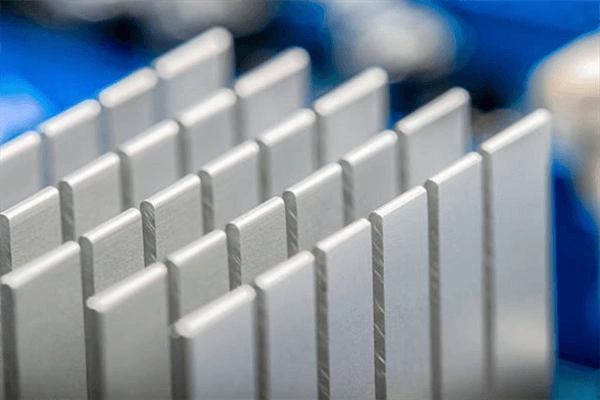
Thermal management is another critical area. Amplifiers and electronic modules in base stations generate significant heat, and the performance of the system hinges on how well that heat is managed. CNC allows us to craft intricate, high-surface-area heat sinks that maximize airflow and heat dissipation without adding weight or bulk. On one outdoor RRU project, precisely machined fins kept temperatures within spec, preventing throttling and extending component lifespan.
Even something as seemingly simple as a connector or enclosure benefits from CNC precision. These parts are the interface between the electronics and the outside world—they need perfect alignment, repeatable mating surfaces, and robust durability. CNC ensures that every piece, whether aluminum, plastic, or specialized alloy, fits perfectly and holds up under repeated assembly cycles.
When it comes to satellite components, the stakes are even higher. Launch vibration, thermal expansion, and orbital radiation leave no margin for error. I’ve personally reviewed satellite housings and brackets where tolerances measured just a few microns; CNC machining was the only method that guaranteed the parts would survive launch and perform reliably in orbit.
In short, whether it’s a base station in a city, a handheld device in a consumer’s pocket, or a satellite in low Earth orbit, CNC-machined components form the backbone of every telecom system. From my experience, you can design the most advanced software or network protocols imaginable, but if your hardware isn’t machined to spec, the whole system suffers. CNC doesn’t just produce parts—it guarantees that every signal, every connection, and every device performs exactly as intended.
Material Science: Shaping the Backbone of Telecom Hardware
In telecommunications, the hardware that carries our signals isn’t just metal and plastic—it’s a carefully curated set of materials, each chosen to meet the extreme demands of modern networks. Over the years, I’ve worked closely with engineers and material scientists to select alloys, polymers, and composites that don’t just survive in harsh conditions, but actively enhance performance.
Semiconductors & Nanomaterials: These tiny materials are the backbone of 5G and emerging 6G devices, enabling faster transistors and high-frequency processing. On one high-frequency amplifier project, switching to a gallium nitride substrate cut signal loss significantly—measurable even in field tests.
Photonic Materials: Specialized glass and optical polymers carry massive data with minimal loss, keeping fiber-optic networks reliable. Even small material variations can cause latency, so precise selection and machining are essential for consistent performance across long distances.
Metamaterials & Metasurfaces: By engineering structures at the micro and nano scale, we can control electromagnetic waves in ways conventional materials cannot. Redesigned antenna arrays using these materials improved bandwidth and directional control, reducing interference in dense urban networks.
Polymers & Dielectrics: Used in substrates and enclosures, these materials reduce energy loss, maintain dimensional stability, and provide electrical insulation. In several 5G base stations, high-performance polymers lowered thermal stress and maintenance needs, boosting uptime.
Future Applications: Quantum communication, spintronics, and energy-efficient computing all rely on atomic-level engineered materials. The goal isn’t just strength—it’s predictable behavior under real-world stresses.
Every material choice,from copper alloys in waveguides to nanocomposites in satellite housings—impacts signal integrity, thermal management, and durability. Combined with precision CNC machining, the right materials make today’s high-speed, high-density networks possible.
CNC Machining vs Other Manufacturing Methods in Telecom
When it comes to producing components for modern telecommunications—from 5G base station brackets to RF shields—the choice of manufacturing method can make or break performance. In my experience, CNC machining remains the gold standard, especially when precision, material integrity, and repeatability are critical.
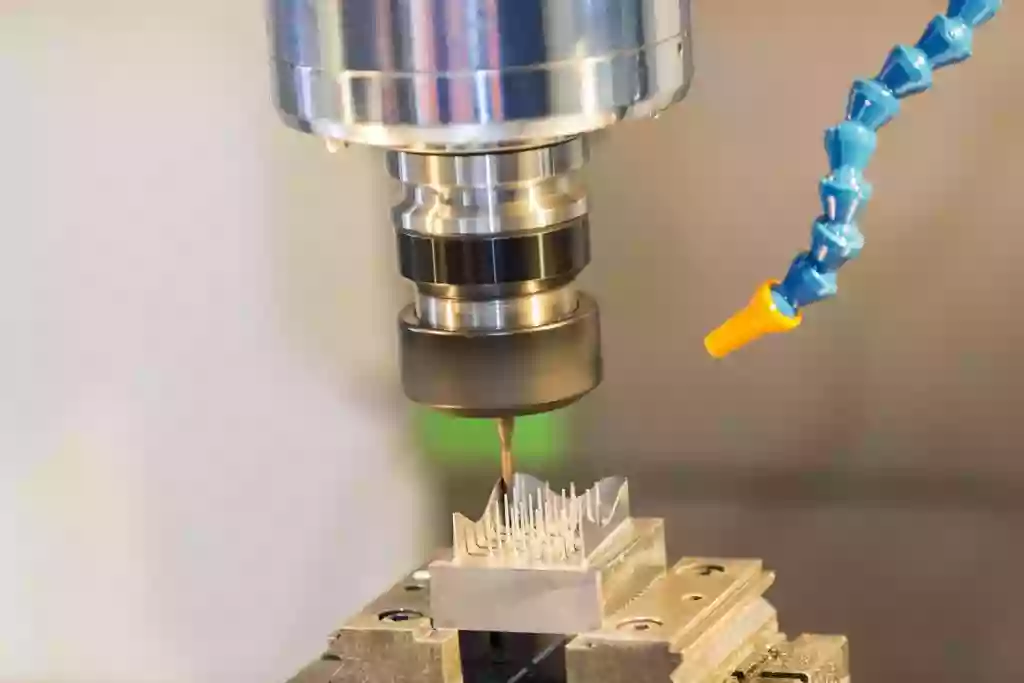
CNC isn’t just a faster lathe or mill; it’s a system that can translate intricate CAD designs into real-world parts with tolerances so tight that even tiny misalignments in connectors or antennas can be avoided. I’ve seen prototypes where switching from manual milling to CNC reduced signal interference simply because dimensions were consistent across batches—a difference impossible to achieve by hand.
Compared to additive manufacturing, like 3D printing, CNC has some clear advantages. While 3D printing is fantastic for visual prototypes or plastic housings, it often falls short when you need high-strength metals, RF shielding, or components that endure heat and outdoor exposure. CNC machines allow us to work with aluminum, stainless steel, brass, and specialty alloys—materials that 3D printers either struggle with or cannot process to the same mechanical standards.
Casting and injection molding have their place, too, especially for high-volume plastic components. But they come with limitations: high upfront tooling costs, longer lead times for new designs, and limited ability to tweak complex geometries once the mold is set. CNC shines in these scenarios, particularly for short-run production or iterative designs, where speed, flexibility, and material options matter more than producing tens of thousands of identical units.
Even within the realm of metalworking, there are alternatives like Electrical Discharge Machining (EDM) for intricate, hard-metal shapes. EDM is excellent for very specific applications, but it’s slow and not as versatile for producing larger structural components or assemblies that need high repeatability. That’s why, in telecom projects, CNC often serves as the backbone of production—handling everything from prototype iterations to full-scale deployment.
The trade-off, of course, is the initial investment in CNC equipment and programming. But for telecom manufacturers, the payoff is clear: faster turnaround, minimal errors, consistent quality, and the ability to push complex designs from concept to reality without compromising on performance. In short, for the high-density, high-precision, and high-reliability demands of today’s networks, CNC machining isn’t just an option—it’s the method that consistently delivers.
Green Initiatives and Sustainability in Telecommunications
The telecom industry may not be the largest contributor to global emissions, but its environmental impact is growing with expanding networks, 5G rollout, and massive data centers. In my experience working with operators and equipment providers, sustainability isn’t just about compliance—it’s about operational efficiency, cost savings, and future-proofing infrastructure.
Energy use is one of the biggest challenges. Base stations and data centers can guzzle enormous amounts of power, often relying on diesel generators in remote areas. Modern operators are turning to AI-driven energy management systems to optimize everything from network traffic to cooling systems, cutting electricity use without compromising service quality. It’s impressive how predictive algorithms can anticipate peak loads and adjust operations in real time—something that used to require manual oversight.
Renewable energy is another cornerstone. Solar panels, wind turbines, and battery storage are gradually replacing diesel generators, particularly in rural or off-grid towers. The transition reduces emissions and lowers fuel costs, but it also requires careful planning to ensure consistent network reliability. Fiber optic upgrades also play a role—not only for speed and capacity but because modern fiber networks consume far less energy than legacy copper infrastructure.
E-waste is a less obvious, but equally critical challenge. Rapid technology turnover in handsets, networking gear, and IoT devices produces massive volumes of electronic waste. Operators increasingly implement circular economy strategies—device take-back programs, component recycling, and sustainable supply chain policies. These initiatives don’t just protect the planet; they also create long-term value by recovering materials and reducing disposal costs.
Remote monitoring and maintenance are quietly transforming sustainability as well. Using AI, augmented reality (AR), and virtual reality (VR), engineers can troubleshoot and repair equipment from afar. Fewer field visits mean less fuel use and lower carbon emissions, all while maintaining network uptime and responsiveness.
Ultimately, operators that embrace green practices are seeing tangible benefits: regulatory compliance, reduced operational expenses, and enhanced reputation with environmentally conscious consumers. Sustainability in telecom isn’t just a trend—it’s becoming a competitive differentiator. Companies that act now are positioning themselves for growth in a world that increasingly values energy efficiency, circular practices, and responsible innovation.
Future Outlook: Driving Innovation in Next-Gen Connectivity
The telecommunications sector is constantly evolving toward higher frequencies and denser network architectures. The transition from current 5G standards toward 6G and beyond is redefining the limits of hardware. As technologies like Integrated Sensing and Communication (ISAC) and Non-Terrestrial Networks (NTN) move from concept to reality, the demand for precision-engineered infrastructure has never been higher.
Future success in telecom hardware won’t just depend on software algorithms, but on the physical ability to handle sub-terahertz (sub-THz) frequencies, which require sub-micron tolerances. Furthermore, as the industry moves toward more sustainable, energy-efficient operations, the role of CNC machining in creating advanced thermal management systems and integrated shielding will be the true differentiator. At XTPROTO, we are committed to providing the mechanical backbone that makes this hyper-connected future possible.
Advancing Telecommunications with Precision and Innovation
The telecommunications industry is evolving at unprecedented speed, driven by 5G/6G networks, fiber broadband, AI, IoT, and edge computing. High-precision CNC machining and advanced material science play a critical role in producing durable, high-performance components that support modern networks, satellites, and consumer devices. Operators are increasingly adopting green technologies and sustainable practices, while future growth depends on personalized services, flexible bundles, and multichannel engagement.
At XTPROTO, we partner with telecom innovators to provide precision manufacturing solutions that meet the exacting standards of this dynamic industry, enabling faster deployment, enhanced reliability, and cutting-edge performance for tomorrow’s networks.
Telecommunications FAQ
Why is CNC machining important in telecommunications?
CNC machining enables the production of high-precision components like RF filters, antenna bases, connectors, and heat sinks. These parts require tight tolerances, durability, and complex geometries to ensure signal integrity, thermal management, and long-term reliability. At XTPROTO, we specialize in delivering these critical components with unmatched precision.
How do advanced materials impact telecom equipment?
Materials such as semiconductors, photonics, metamaterials, and polymers enhance conductivity, data transmission, and energy efficiency. They are essential for 5G/6G networks, quantum systems, and fiber optics, allowing devices to be smaller, faster, and more reliable.
Can CNC machining be replaced by 3D printing or molding?
While 3D printing is ideal for rapid prototyping and some low-volume parts, and molding suits mass-produced plastics, CNC machining remains superior for high-precision, durable components in telecom infrastructure where strength, tight tolerances, and repeatability matter.
How can XTPROTO support telecom companies?
We provide precision CNC machining and advanced material solutions tailored to telecom needs. From prototyping to high-volume production, our expertise ensures components meet strict tolerances, perform reliably under harsh conditions, and accelerate deployment of next-generation networks.