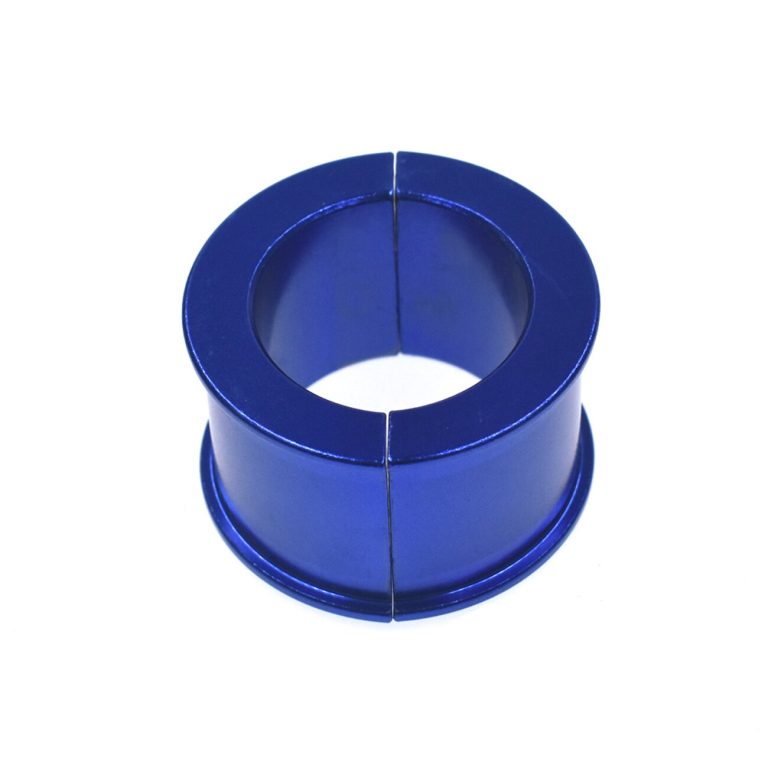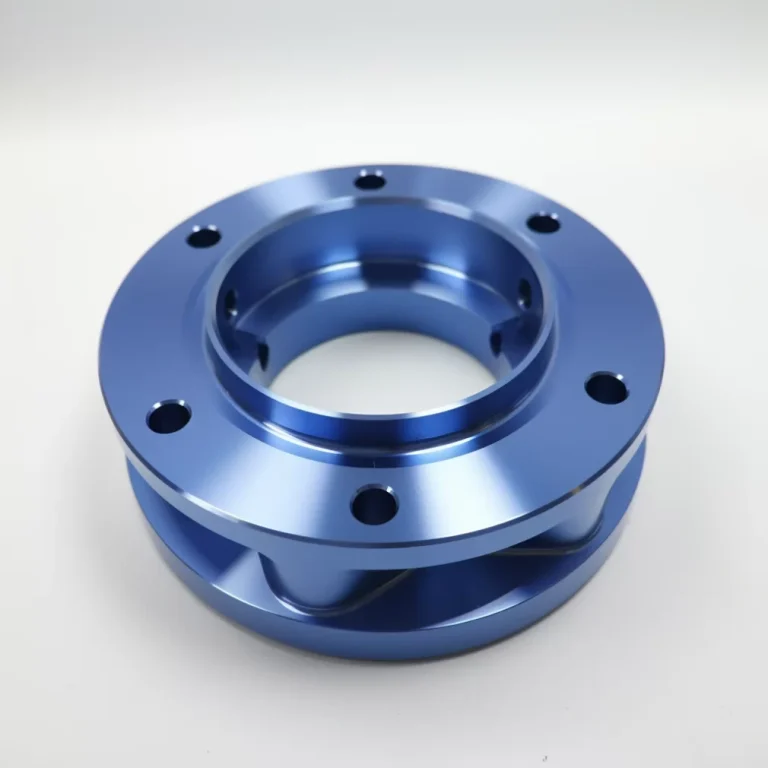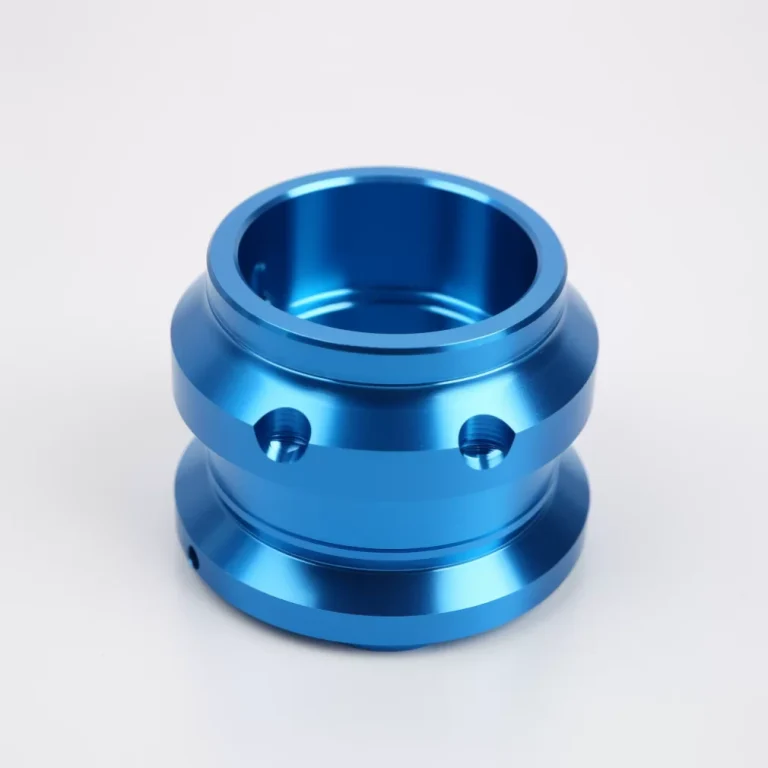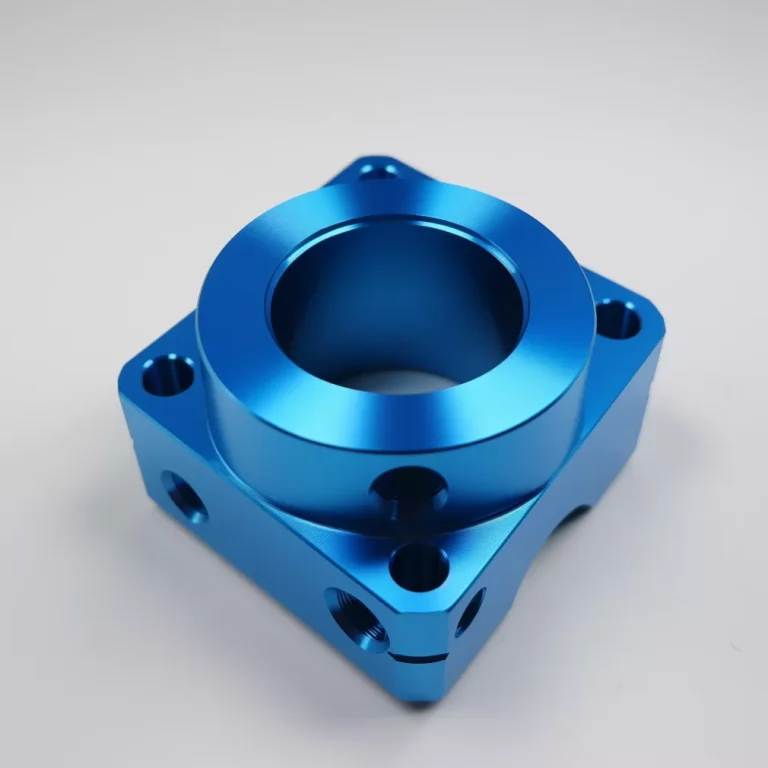
Anodizing

Xtproto is committed to providing customers with the highest quality anodizing technology. We are proud to offer robust, safe, and high-quality finishing to provide maximum protection and ensure a longer lifespan for your metal parts.

xtproto anodizing surface treatment services

Custom Anodizing Services

We offer custom anodizing solutions to enhance the corrosion resistance, wear resistance, and surface texture of metal parts. Whether it’s hard anodizing for high-strength applications or general anodizing to meet precision dimensional requirements, we can match the appropriate process to the part’s structure, operating environment, and performance needs. We support Type I (chromic acid), Type II (sulfuric acid), and Type III (hard anodizing) and offer a variety of color options. Whether it’s one-piece anodizing prototyping or large-scale stable production, we can customize exclusive process routes and color schemes according to the product’s application. Relying on a rigorous QC inspection system and meticulous process control, we ensure that film thickness, color consistency, and surface properties meet design requirements, providing stable and reliable surface protection for your anodized parts while helping to shorten lead times and reduce overall costs.

Types of Anodizing We Offer

Type I Chromic Acid Anodizing

Type I - Chromic Acid Anodizing

Produces the thinnest oxide layer (typically 0.5–5 μm) while providing exceptional corrosion resistance and fatigue strength, with minimal impact on part dimensions. It is ideal for thin-walled parts, precision components, and critical applications that demand high fatigue performance.
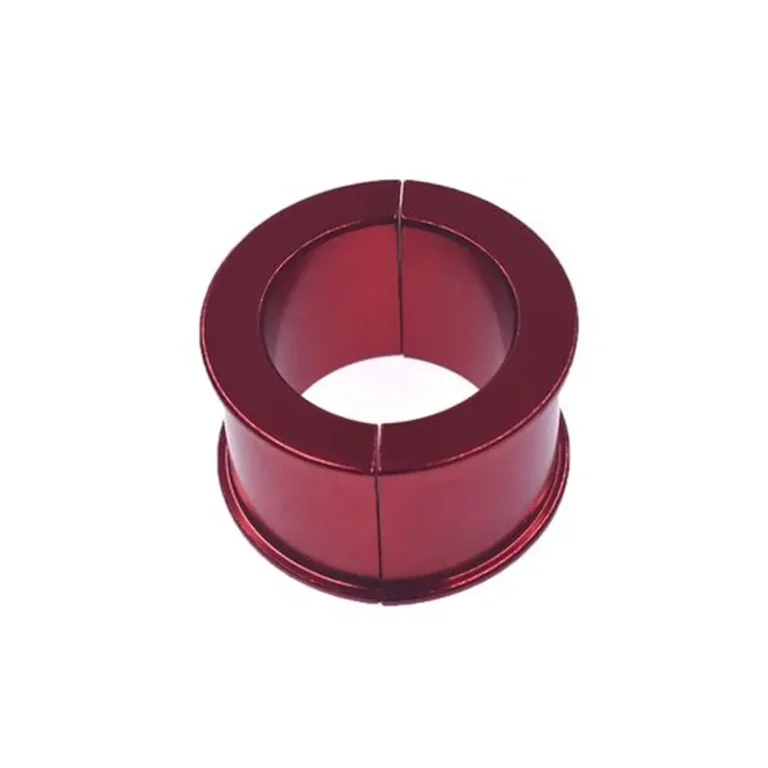
cpp anodize type 2 blue 02 1200x800 5b2df79 1

Type II - Sulfuric Acid Anodizing

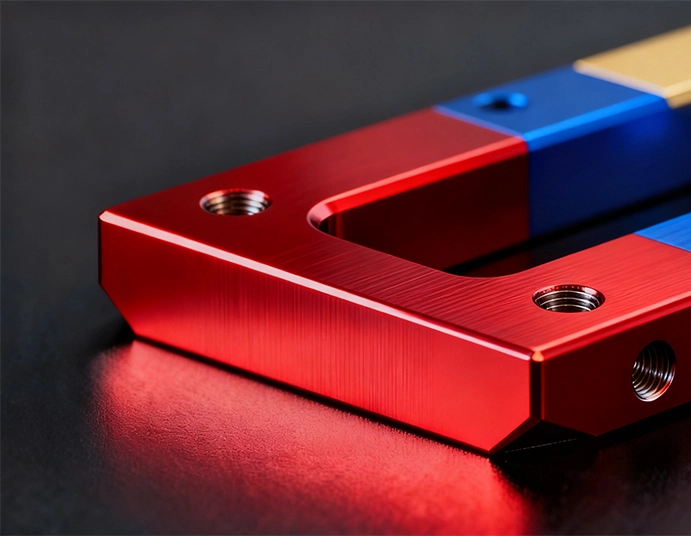
The most widely used standard surface treatment process, with film thickness typically ranging from 5–25 μm. It offers excellent corrosion resistance and basic wear resistance, along with superior porosity that allows for vibrant color dyeing—balancing industrial functionality with aesthetic appeal.
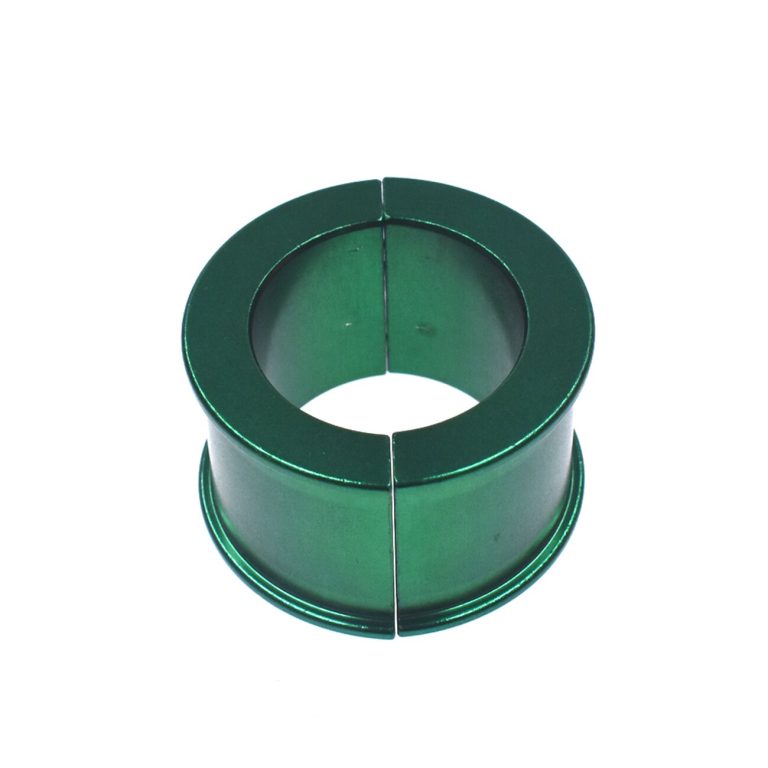
cpp anodize type 3 gold 02 1200x800 5b2df79 1

Type III - Hardcoat Anodizing

Utilizing low temperatures and high current density, this process forms a dense oxide layer reaching 25–50 μm (or thicker). The resulting film exhibits extreme hardness and outstanding wear resistance, specifically engineered for heavy-duty components subjected to high friction and harsh operating environments.

What Is Anodizing and How Does It Work?

Anodizing is a metal surface treatment process based on electrolytic passivation. In an electrolytic bath (typically a sulfuric acid solution) powered by direct current (DC), the metal workpiece acts as the anode. An oxidation reaction occurs on its surface, growing a uniform, dense protective oxide layer that is tightly integrated with the substrate. This process is widely applied across various non-ferrous metal components.

By precisely controlling the thickness of the oxide film, anodizing provides metals with exceptional corrosion resistance, wear resistance, and a rich variety of aesthetic finishes. Additionally, the anodizing process significantly enhances lubricant retention on the metal surface and effectively reduces wear on threaded and drive components over long-term use—making it a core surface treatment solution for boosting overall component performance and service life.

Medical titanium anodizing colors

Anodizing Color Difference Control

Relying on experience and visual inspection is often the cause of color variation and batch-to-batch inconsistency in anodized components. Replacing traditional manual evaluation, we fully adopt spectrophotometers for digital color management, establishing a rigorous color control system to restore standard color charts (Pantone / RAL) and strictly keeping color tolerance within ΔE < 1.0.For multi-component assemblies and long-term recurring orders in our anodizing services, we not only optimize same-bath processing but also implement 100% data logging and locking for core process parameters, including bath concentration, current density, temperature, and dyeing time. From anodized rapid prototypes to full-scale mass production, we eliminate joint color mismatches and visual interruptions after assembly. Combined with micron-level sealing control, we ensure superior color uniformity across all anodized products at delivery while imparting exceptional UV and weather resistance—providing a standardized benchmark for your brand’s aesthetic quality.

Precision Anodizing Services for Thickness Control and Masking

The growth of the anodic film directly impacts fitting dimensions, while localized protection for complex geometries and internal cavities remains a core technical challenge in surface treatment. Through accurate pre-processing dimensional compensation calculations and electrochemical parameter adjustments, we strictly maintain film thickness uniformity for both soft anodize  and hard anodize within strict tolerance ranges, ensuring that precision mating surfaces, such as threads and bearing seats, fit perfectly after processing without the need for secondary machining.

For complex internal cavities and deep blind holes, our anodizing services utilize custom concealed racking and refined masking technology. Through selective non-anodized masking protection, we effectively eliminate visible rack marks on cosmetic surfaces while safeguarding conductive contacts and precision interfaces from bath erosion.

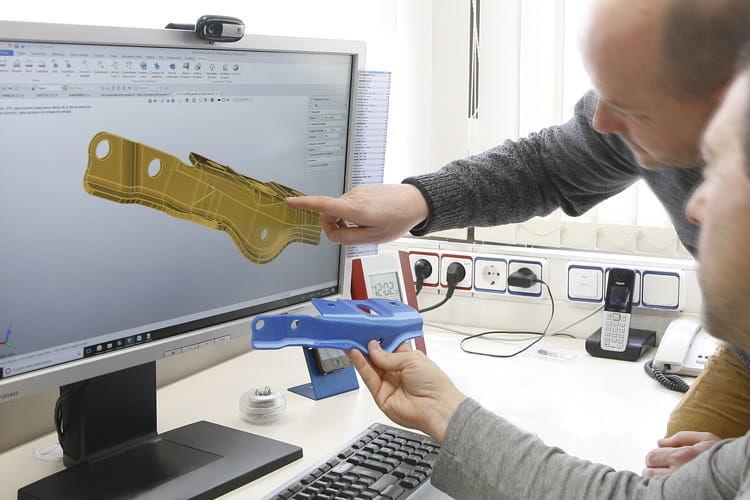
xtproto engineers are discussing the customers custom part design

Engineering Expertise in Anodizing DFM

Our experienced engineering team provides comprehensive Design for Manufacturability (DFM) evaluations specifically tailored for the anodizing process. Before production begins, our engineers review your technical drawings to analyze critical tolerance margins, thread clearances, and wall-thickness uniformity, ensuring proper dimension compensation for anodizing. We optimize racking points, drain-hole placements for deep cavities, and design custom fixtures and anodize masking tooling to protect conductive zones and precision interfaces. By bridging the gap between mechanical design and electrochemical surface finishing, our engineering team mitigates quality risks early.

CNC Machining Factory

Advanced Anodizing Facility

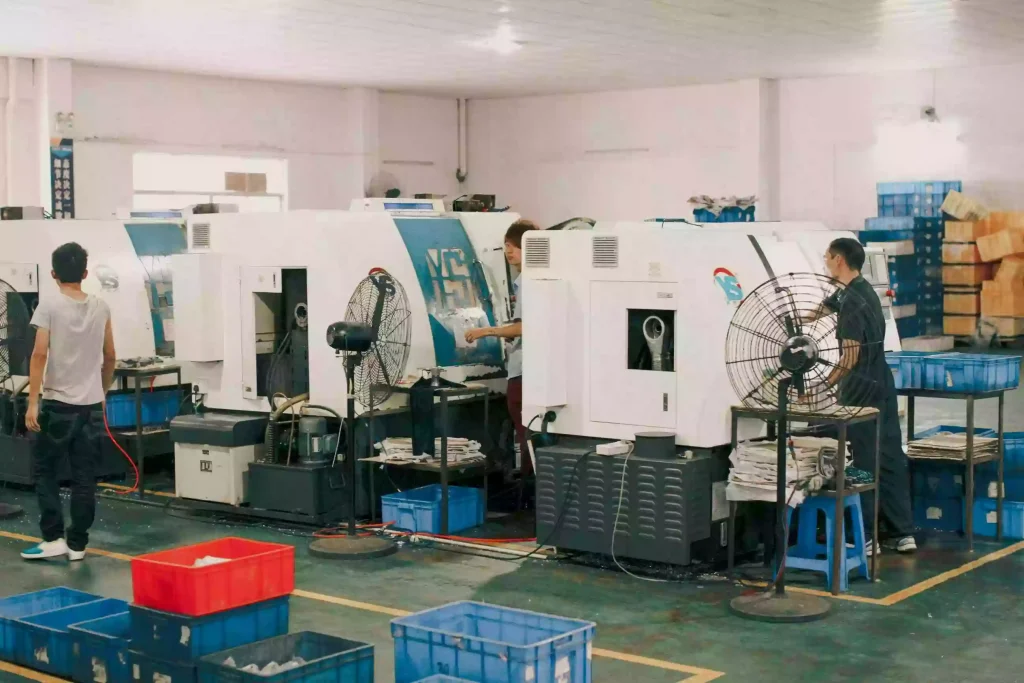
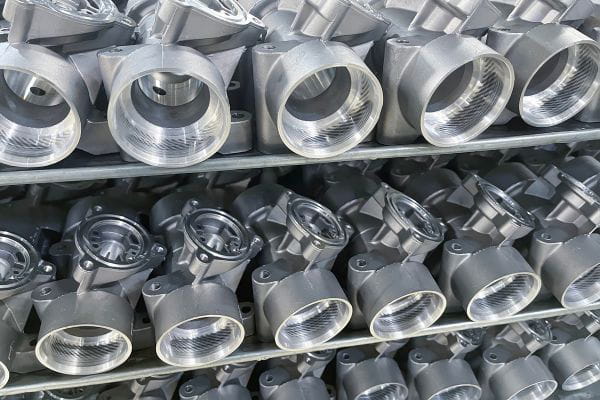
Our state-of-the-art anodizing facility is equipped with fully automated and semi-automatic anodizing lines designed for high-consistency surface finishing. Featuring precision-controlled anodizing equipment, our workshop incorporates real-time monitoring systems for bath temperature, current density, and chemical concentration, ensuring stable coating performance across every processing batch. To handle complex structural geometries, our anodizing workshop utilizes specialized chillers for hard anodizing, ultrasonic cleaning units, and dedicated pulse-rectifier power supplies that guarantee uniform film growth. Backed by advanced wastewater treatment systems and strict environmental compliance, our modern anodizing workshop delivers surface treatment solutions tailored to stringent industrial standards.

Materials We Commonly Use Through Anodizing Process

Only metal parts can be processed using anodizing. Below are the anodized materials we process.

  • 6000 Series(6061, 6063, 6082)
  • 7000 Series(7075, 7050)
  • 5000 Series(5052, 5083)
  • 2000 Series(2024, 2014)
  • Cast Aluminum(A356, A380, ADC12)
  • Commercially Pure Titanium(Grade 1, Grade 2)
  • Alpha-Beta Titanium Alloys(Grade 5 / Ti-6Al-4V)
  • Beta Titanium Alloys(Grade 19, Grade 20)
  • Medical Grade Titanium(Ti-6Al-4V ELI / Grade 23)
  • Aerospace Titanium Alloys(Ti-6242, Ti-1023)
  • AZ Series Magnesium(AZ91D, AZ31B, AZ80A)
  • AM Series Magnesium(AM60B, AM50A)
  • ZK Series Magnesium(ZK60A, ZK30)
  • WE Series Magnesium(WE43, WE54)
  • Cast Magnesium Alloys(AS41, AE44)
  • Wrought Magnesium Alloys(ZE41, ELEKTRON 21)


  • Commercial Pure Niobium(R04200, R04210)
  • Reactor Grade Niobium(R04251, R04261)
  • Niobium-Titanium Alloys(Nb-Ti 47%, Nb-Ti 50%)
  • Niobium-Zirconium Alloys(Nb-1Zr)
  • Niobium C103 Alloy(Nb-10Hf-1Ti)
  • Superconducting Grade Niobium(RRR Grade)
  • Unalloyed Tantalum(R05200, R05400)
  • Tantalum-Tungsten Alloys(Ta-2.5W, Ta-10W)
  • Capacitor Grade Tantalum(High Purity Powder/Wire)
  • Tantalum-Niobium Alloys(Ta-40Nb)
  • Medical Grade Tantalum(ASTM F560)
  • Corrosion-Resistant Tantalum(Ta-0.15Pd)
  • Unalloyed Zirconium(R60702 / Zircadyne 702)
  • Zirconium-Niobium Alloys(R60705 / Zircadyne 705)
  • Nuclear Grade Zircaloy-2(R60802)
  • Nuclear Grade Zircaloy-4(R60804)
  • Medical Grade Zirconium(Oxinium / Zr-2.5Nb)
  • Chemical Grade Zirconium(R60700)
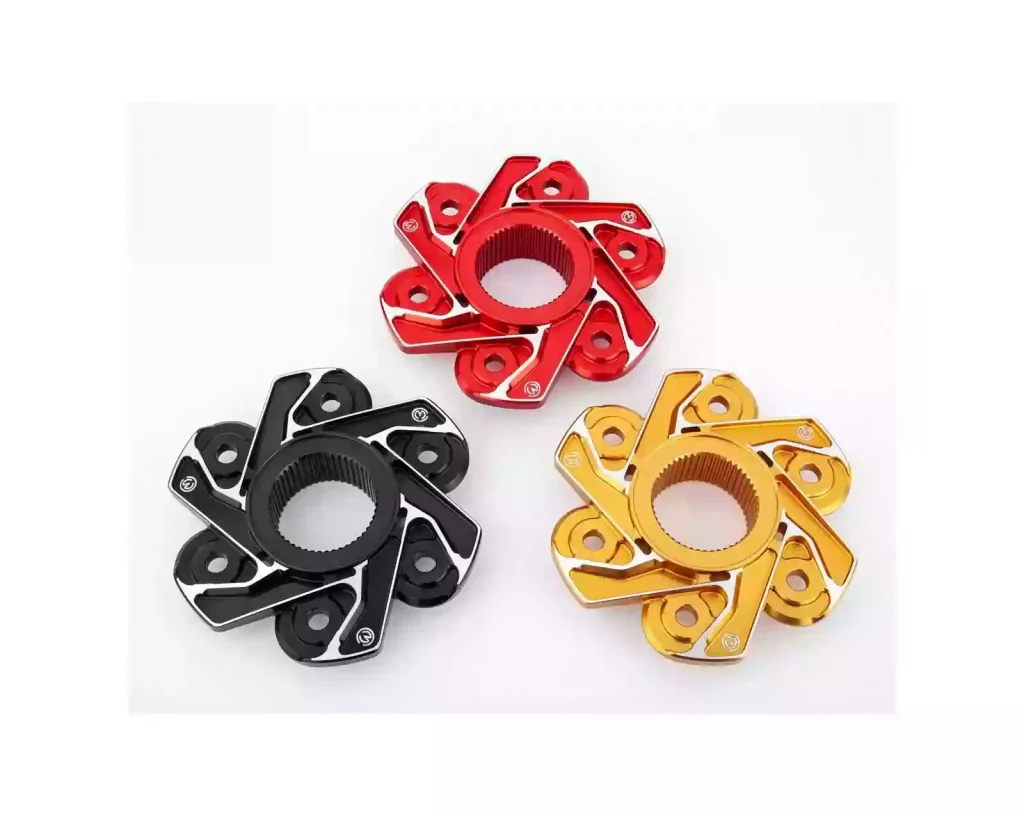
anodized cnc machined motorcycle parts

Coating Thickness & Precision Tolerance Control

We offer anodizing services with thicknesses ranging from 5 μm to 50 μm+:

Designed for high-precision threaded connections and tight-fitting components, providing essential surface protection with virtually zero impact on tolerances.
Standard Films (10 – 25 μm): Provide the optimal balance of corrosion resistance and aesthetic appeal for general industrial parts.

Provide the optimal balance of corrosion resistance and aesthetic appeal for general industrial parts.

 Form a dense, highly wear-resistant protective layer engineered for extreme friction and harsh environments.
Because anodizing builds approximately 50% inward into the substrate and 50% outward on the surface (adding roughly 50% of the total film thickness per side), our anodizing engineering team pre-calculates these dimensional changes before processing to ensure your finished parts perfectly match critical drawing tolerances.

Color Anodizing Services​

We provide flexible anodized color customization services for OEM customers. Unlike fixed color chart limitations, we can match colors according to part design requirements and achieve diverse surface effects through process control. Anodizing typically adds approximately 3-5 days to the production cycle; for faster delivery, please order anodized parts separately.

CNC Quality Inspection

Precision Anodizing Process Control & Standards

We specialize in various electrochemical anodizing processes and can achieve precise coating thickness control from 5–50μm according to your drawing requirements. From surface preparation, polishing, and acid cleaning to anodizing parameter adjustment and final sealing, every process step is strictly controlled to ensure consistent oxide thickness, color uniformity, and dimensional stability. Through refined anodized process management, we effectively reduce risks such as thin-wall deformation and surface defects on complex parts, providing reliable surface protection and electrical insulation performance for your components.We strictly follow multiple international industry and engineering specifications to ensure anodizing quality meets customer requirements:

  • Military & Industry Specifications: MIL-A-8625, AMS 2471, AMS 2472
  • Corporate & Internal Specifications: EPS-103-02, AMPS 020-0135, 9904102
Quality control on milling metal CNC machine coordinate measuring machine tests a brass detailt CMM Quality control machine technology concept

Anodize Sealing Quality and Durability Testing

To verify long-term performance under demanding operational environments, we implement rigorous quality inspection for all anodizing process outputs. Every anodizing production batch undergoes standardized testing—including salt spray corrosion testing (ASTM B117), Taber wear resistance evaluation for hard anodized coatings, and acid-dissolution anodize sealing quality tests (ISO 3210 / ASTM B680)—to ensure optimal corrosion prevention and surface hardness. By continuously monitoring bath chemistry and anodizing pore-sealing integrity, we guarantee that every treated anodizing surface maintains high electrical insulation, exceptional color stability, and long-lasting protection.

Photo Gallery

Industries We Serve

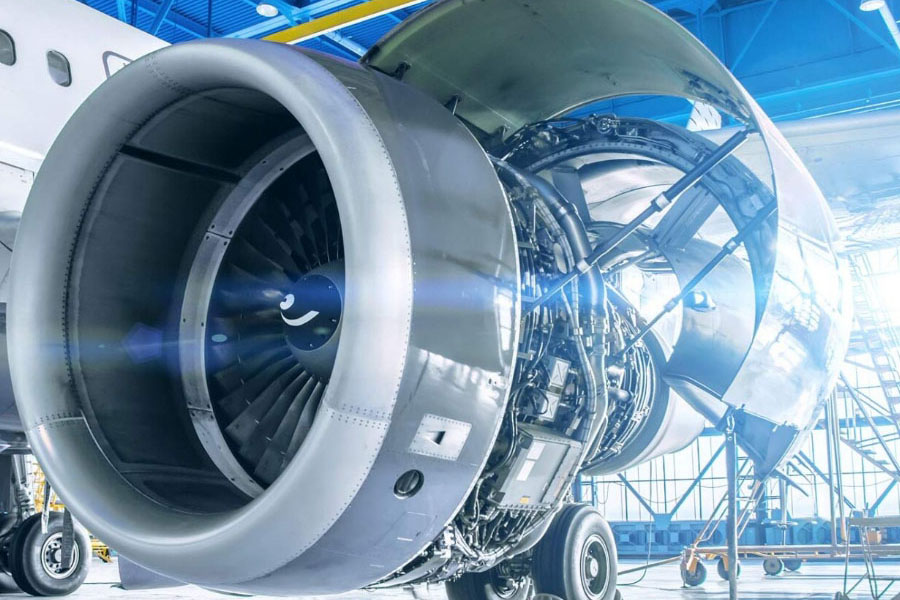
Aerospace Aviation

Aerospace

Medical

Medical

Electronics

Electronics

Automotive

Automotive

Industrial Equipment

Industrial Equipment

Consumer electronics

Consumer Products

Our Various Manufacturing Processes

Magnesium cnc machining Banner

CNC Machining

FDM 3D Printing service.png

3D Printing

Zinc Die Casting

Die Casting

sheet metal fabrication finished part

Sheet Metal Fabrication

Extrusion

Extrusion

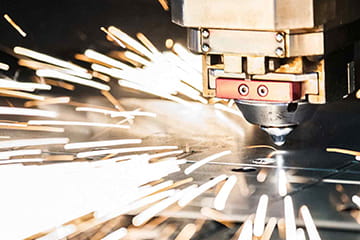
Laser Cutting

Laser Cutting

Our Other Surface Treatment Services

As Machined Surface treatment services

As-Machined

polishing surface treatment services

Polishing

sandblasting surface treatment services

Sandblasting

FAQ

Do you offer an engineering warranty for your anodizing services?

Yes, we back our anodizing quality with a lifetime warranty against non-natural fading, peeling, or flaking under standard operating conditions. Because anodizing creates an integrated electrochemical layer with the aluminum substrate, it offers superior hardness. However, excessive mechanical friction or heavy impacts against hard surfaces can wear or chip the base metal itself. While normal wear and tear in high-abrasion applications or avoidable physical damage fall outside this coverage, we guarantee that your anodized finish will retain its original integrity and appearance for life under normal usage.

What geographic regions do you service?

We serve industrial clients globally. No matter where your manufacturing facility or R&D center is located, you can easily ship your parts to our processing plant via standard parcel or freight carriers. We maintain a streamlined receiving, tracking, and outbound shipping workflow to ensure quick turnarounds and safe delivery back to your destination.

What documentation do I need to submit with my shipment?

Once your order is finalized, our system generates a printable Project Traveler Form to include inside your shipping container. This document enables our shop floor team to verify material grades, match process routes, and execute precise line setups. We maintain strict data privacy standards; this form is used exclusively for internal shop tracking and quality control, and your contact details will never be stored for unsolicited marketing or spam.

How do you handle non-disclosure agreements (NDAs) and confidentiality?

Protecting your intellectual property and proprietary designs is a core standard of our service. We are fully prepared to review and sign a mutual Non-Disclosure Agreement (NDA) prior to receiving your anodizing engineering drawings or parts. All CAD files, production records, and product imagery are treated with the highest level of security and will never be shared with third parties or published without your explicit authorization.

Do you offer post-anodizing treatments such as PTFE coating or sealing?

Yes, we provide advanced post-anodizing treatments to further enhance the performance of anodized parts in demanding applications. Unlike basic PTFE impregnation, our high-polymer PTFE bonding process forms a continuous lubricating film over the anodized oxide layer, improving surface lubricity, wear resistance, and chemical protection while complying with MIL-A-63576 Type I requirements.For anodized components requiring improved durability and color stability, we offer sealing options including nickel acetate sealing for dyed anodized finishes and deionized hot water sealing for clear and hardcoat anodized surfaces. Our engineering team helps select the right sealing and coating solution based on your requirements for wear resistance, corrosion protection, and appearance retention.

What are your anodizing size capabilities and processing specifications?

Our anodizing facility supports components up to 118 inches × 47 inches × 59 inches (3000 mm × 1200 mm × 1500 mm), with a maximum single-part weight capacity of 1,100 lbs (500 kg). This allows us to process a wide range of anodized components, from precision machined parts to large structural aluminum assemblies. We maintain strict control over anodizing dimensions, with coating build-up tolerance controlled within ±0.0002 inches (±5 μm). For critical features such as threaded holes, mating surfaces, and precision interfaces, we provide custom masking solutions to prevent dimensional changes after anodizing. Our engineering team can also evaluate racking methods and process adjustments for thin-wall or complex geometries to ensure uniform coating thickness and consistent anodizing quality.

Contact our metal anodizing experts

Want to know which anodizing process is best suited for your application and get pricing information? Feel free to contact us.

Scroll to Top