
Automotive Fasteners Explained: Types, Materials, Applications, and Manufacturing Considerations
Automotive fasteners are essential components used to securely join and assemble vehicle systems, from engines and chassis structures to body panels, interiors, and electrical components. Although often small in size, these fastening components play a critical role in vehicle safety, durability, vibration resistance, and overall performance.
With the increasing demand for lightweight vehicles, electric vehicles, and high-performance automotive systems, fasteners must meet stricter requirements for strength, corrosion resistance, weight reduction, and dimensional accuracy. Different applications require different fastening solutions, including bolts, nuts, screws, clips, rivets, threaded inserts, and other specialized fasteners.
This article explores the common types of automotive fasteners, their materials, applications, selection factors, and manufacturing considerations to help engineers understand how to choose the right fastening solution for automotive projects.
What Are Automotive Fasteners?
Automotive fasteners are mechanical components designed to join, secure, and hold vehicle parts together during assembly and operation. They create reliable connections between different components while maintaining structural integrity under loads, vibrations, temperature changes, and harsh operating conditions.
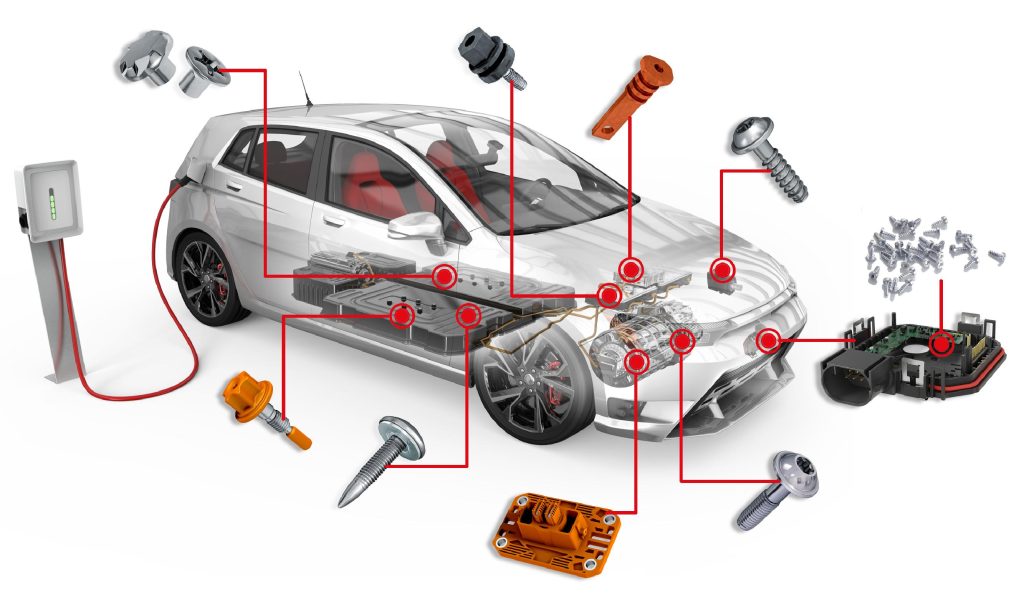
Modern vehicles contain thousands of fasteners used across various systems, including powertrain components, chassis assemblies, body structures, interior parts, and electrical systems. Depending on the application requirements, automotive fasteners can be designed for permanent connections, removable assemblies, or lightweight fastening solutions.
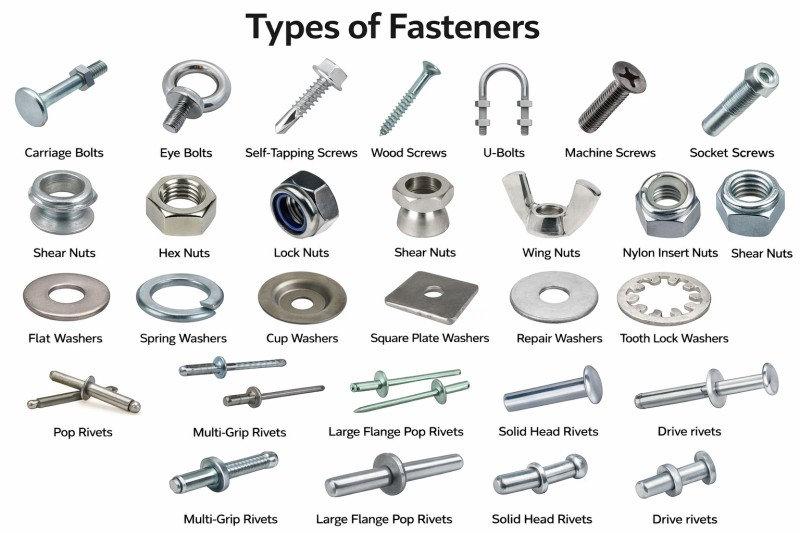
Common automotive fasteners include bolts, nuts, screws, washers, clips, rivets, threaded inserts, and specialized fastening hardware. Each type offers different advantages in terms of strength, installation method, corrosion resistance, and serviceability, making proper fastener selection essential for vehicle reliability and performance.
Common Types of Automotive Fasteners
Automotive fasteners come in a wide range of designs to meet different assembly requirements, from high-strength structural connections to lightweight interior attachments. The selection of fastener type depends on factors such as load requirements, installation method, material compatibility, vibration resistance, and service conditions.
The most common types of automotive fasteners include bolts, nuts, screws, washers, clips, rivets, threaded inserts, and other specialty fastening components. Each type serves a specific purpose in vehicle manufacturing and assembly.
Automotive Bolts and Nuts
Bolts and nuts are among the most widely used automotive fasteners, providing strong and reliable connections for components exposed to high loads and mechanical stress. They are commonly used in critical vehicle systems where secure clamping force and durability are required.
Common automotive bolt and nut types include:
- Hex bolts: Used for general structural fastening and heavy-duty connections.
- Flange bolts: Feature an integrated flange that distributes clamping force and reduces the need for additional washers.
- Lock nuts: Designed to prevent loosening caused by vibration and repeated mechanical loads.
Typical applications include:
- Engine assemblies
- Suspension systems
- Chassis components
- Transmission systems
- Wheel assemblies
Automotive bolts and nuts are typically manufactured from high-strength steel, alloy steel, or stainless steel and may receive surface treatments such as zinc plating or specialized coatings to improve corrosion resistance and service life.
Automotive Screws
Automotive screws are widely used fastening components for securing vehicle parts that require reliable attachment but may not require the high load capacity of bolts and nuts. They are commonly selected for applications involving thinner materials, compact assemblies, and components that need frequent access for maintenance or replacement.
Common types of automotive screws include:
- Machine screws: Used with threaded holes or nuts to provide precise and secure fastening.
- Self-tapping screws: Create their own threads during installation and are commonly used for sheet metal and plastic components.
- Thread-forming screws: Form threads by displacing material, improving fastening strength in softer materials.
Typical applications include:
- Interior panels and trim components
- Dashboard assemblies
- Electrical housings
- Body panels
- Lighting components
Automotive screws must provide consistent thread engagement, resistance to loosening, and compatibility with different materials such as steel, aluminum, and engineering plastics. Depending on the application environment, screws may also require coatings or finishes to improve corrosion resistance and durability.
Automotive Clips and Retainers
Automotive clips and retainers are lightweight fastening components used to secure vehicle panels, trim parts, wiring harnesses, and interior components without requiring traditional threaded fasteners. Although they are often small and hidden from view, they play an important role in maintaining proper assembly, reducing noise, and improving vehicle appearance.
Common types of automotive clips and retainers include:
- Push-type retainers: Use a simple push installation method for quickly securing panels and trim components.
- Plastic clips: Commonly used for lightweight interior and exterior parts.
- Spring clips: Provide flexible retention force for components that experience movement or vibration.
- Panel clips: Designed to hold body panels, door trims, and decorative parts in place.
Typical applications include:
- Door panels
- Bumper assemblies
- Interior trim components
- Headliners
- Wiring harness routing
- Engine covers
Automotive clips and retainers are commonly manufactured from engineering plastics such as nylon, ABS, and other durable polymer materials. Their design must balance strength, flexibility, vibration resistance, and ease of installation to ensure reliable performance throughout the vehicle’s service life.
Automotive Washers
Automotive washers are commonly used with bolts, nuts, and screws to improve the reliability and performance of fastening connections. Although simple in design, washers play an important role in distributing clamping forces, protecting mating surfaces, and preventing fastener-related failures.
Common types of automotive washers include:
- Flat washers: Distribute the load over a larger surface area and prevent damage to assembled components.
- Lock washers: Help prevent loosening caused by vibration and mechanical movement.
- Sealing washers: Provide additional protection against moisture, fluids, and contaminants.
Typical applications include:
- Engine components
- Chassis assemblies
- Suspension systems
- Electrical and electronic components
- Body structures
Automotive washers are typically made from materials such as carbon steel, stainless steel, and aluminum. The material and surface treatment selection depends on factors including load requirements, corrosion exposure, temperature conditions, and compatibility with the surrounding components. Proper washer selection helps maintain consistent clamping force and extends the service life of automotive fastening systems.
Automotive Rivets
Automotive rivets are permanent fastening components used to join vehicle parts where welding or traditional threaded fasteners may not be suitable. They create strong mechanical connections without requiring access to both sides of the assembly, making them especially useful for lightweight vehicle structures and complex assemblies.
Common types of automotive rivets include:
- Solid rivets: Provide strong and durable permanent joints, commonly used in structural applications.
- Blind rivets: Allow fastening from one side of the assembly, making them suitable for enclosed or hard-to-reach areas.
- Self-piercing rivets: Used for joining lightweight materials such as aluminum and high-strength steel without pre-drilled holes.
Typical applications include:
- Body panels
- Frame structures
- Aluminum vehicle components
- Battery enclosure assemblies
- Interior and exterior components
Automotive rivets are often selected for their high strength, lightweight characteristics, and ability to maintain reliable connections under vibration and dynamic loading conditions. With the increasing use of mixed materials in modern vehicles, rivets have become an important fastening solution for lightweight automotive designs.
Threaded Inserts and Specialty Fasteners
Threaded inserts and specialty fasteners are designed for applications where standard bolts, nuts, or screws cannot provide sufficient performance or where additional fastening capability is required.
Common types include:
- Threaded inserts: Provide durable threads in softer materials such as plastics and aluminum.
- Rivet nuts: Create threaded attachment points in thin sheet materials.
- Studs: Provide fixed threaded connection points for repeated assembly.
- Standoffs: Maintain spacing between components while providing fastening support.
Typical applications include:
- Plastic automotive components
- Aluminum housings
- Sheet metal assemblies
- Electronic modules
- EV battery systems
These specialized fasteners help improve assembly efficiency, enhance connection strength, and provide reliable attachment solutions for modern automotive designs.
Automotive Fastener Applications
- Engine and Powertrain: High-strength bolts used for cylinder heads, crankshafts, transmission brackets, and engine assemblies.
- Suspension and Steering Systems: Grade 8 or higher-strength fasteners used for safety-critical components such as suspension arms and steering systems.
- Body and Interior Components: Clips, retainers, and screws used for decorative trims, upholstery, interior panels, and electronic components.
- Exhaust Systems: Stainless steel or coated fasteners used for exhaust pipes, mufflers, and brackets to resist high temperatures and corrosion.
Materials Used for Automotive Fasteners
- Carbon Steel: A common choice offering a good balance of strength and cost-effectiveness.
- Stainless Steel: Provides excellent corrosion resistance for exhaust systems and chassis components.
- Aluminum: Lightweight and corrosion-resistant, suitable for high-performance and lightweight vehicles.
- Alloy Steel: High-strength material designed for demanding automotive applications.
Automotive Fastener Coatings and Surface Treatments
- Zinc Plating: Improves corrosion resistance and extends fastener service life.
- Zinc-Nickel Coating: Provides enhanced corrosion protection for harsh automotive environments.
- Phosphate Coating: Reduces friction and improves wear resistance.
- Dacromet / Geomet Coating: Offers high corrosion resistance for demanding applications.
Factors to Consider When Selecting Automotive Fasteners
Selecting the right automotive fasteners requires consideration of several factors, including mechanical performance, operating environment, and assembly requirements.
Strength and Load Requirements
Fasteners must provide sufficient tensile strength, fatigue resistance, and load capacity to withstand the forces applied during vehicle operation.
Environmental Conditions
Temperature, moisture, chemicals, and corrosion exposure should be considered when selecting fastener materials and surface treatments.
Vibration Resistance
Automotive fasteners must maintain secure connections under continuous vibration and mechanical movement to prevent loosening or failure.
Weight Considerations
Lightweight materials such as aluminum and advanced alloys are often selected for applications where reducing vehicle weight is important.
Assembly Requirements
Installation method, torque control, accessibility, and maintenance requirements also influence fastener selection.
Common Automotive Fastener Problems and Failure Causes
Automotive fasteners can experience performance issues due to harsh operating conditions, improper selection, or incorrect installation. Common failure causes include:
Corrosion
Exposure to moisture, road salt, and chemicals can reduce fastener strength and service life.
Loosening
Continuous vibration and improper torque can cause fasteners to lose clamping force over time.
Thread Damage
Incorrect installation, over-tightening, or repeated assembly can damage threads and affect connection reliability.
Fastener Fatigue or Failure
Repeated mechanical loads and extreme operating conditions can lead to fatigue cracks or component failure.
Custom Automotive Fasteners Manufacturing
Custom automotive fasteners are often required for specialized vehicle designs, lightweight structures, and unique assembly requirements. Compared with standard fasteners, custom solutions allow engineers to optimize dimensions, materials, thread designs, and performance characteristics for specific applications.
Xtproto provides precision CNC machining solutions for custom automotive fasteners, including:
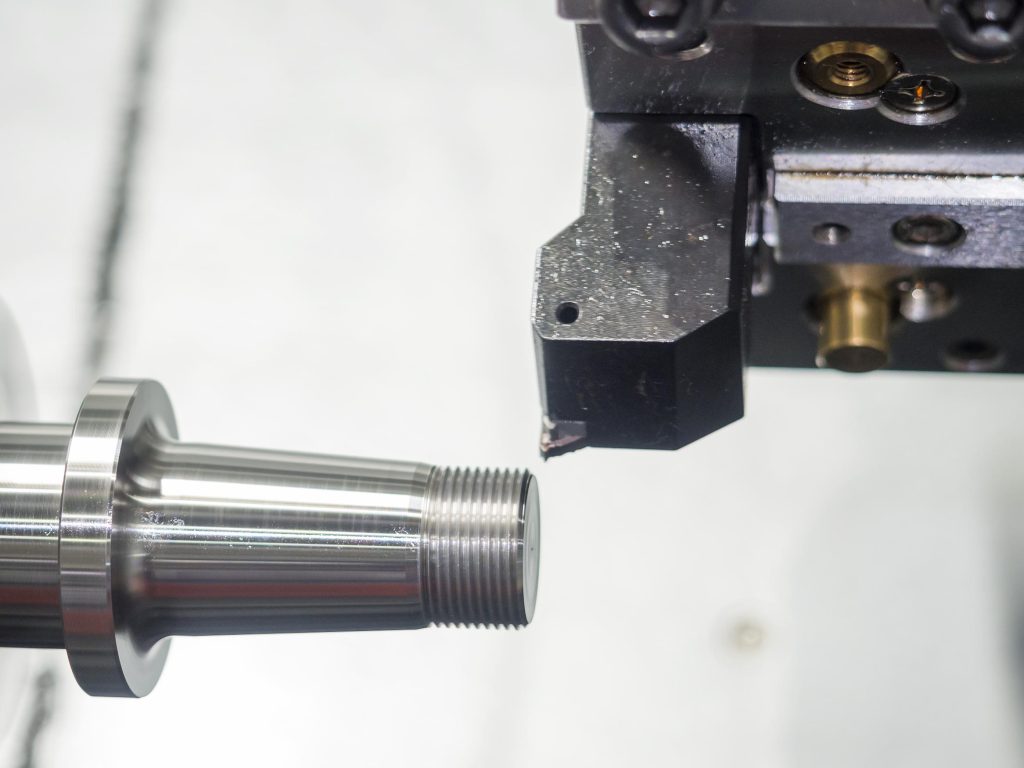
- CNC turning for cylindrical fastener components
- CNC milling for complex fastening parts
- Precision thread machining
- Custom prototypes and low-volume production
With strict dimensional control, material selection support, and quality inspection capabilities, custom machined fasteners can meet demanding requirements for strength, reliability, and assembly performance in automotive applications.
How to Select the Right Automotive Fastener for Your Application?
Choosing the right automotive fastener requires evaluating the application requirements, operating environment, and performance expectations.
Key considerations include:
- Identify Load Requirements
Determine the required strength, clamping force, and fatigue resistance based on the application. - Select Suitable Materials
Choose materials based on mechanical performance, weight requirements, and environmental exposure. - Consider Operating Conditions
Evaluate temperature, moisture, vibration, and corrosion risks. - Choose Appropriate Coatings
Select surface treatments to improve corrosion resistance, durability, and service life. - Verify Installation Requirements
Consider torque specifications, assembly methods, and maintenance needs to ensure reliable fastening performance.
Automotive Fastener Installation and Maintenance Best Practices
Proper installation and regular maintenance are essential for ensuring automotive fastener reliability and preventing premature failure. Key practices include:
Pre-Installation Inspection
Before installation, inspect fasteners for defects, corrosion, deformation, or thread damage. Damaged or worn fasteners should be replaced to avoid connection failures.
- Clean threads to ensure accurate torque application
- Replace damaged or deformed fasteners
- Apply thread-locking solutions when required
Proper Torque Application
Applying the correct torque is critical for maintaining secure fastening connections. Over-tightening can damage threads or cause fastener failure, while insufficient torque may lead to loosening.
- Follow manufacturer-recommended torque specifications
- Use calibrated torque tools
- Apply gradual cross-pattern tightening when required
Routine Inspection and Replacement
Fasteners may experience fatigue, vibration, and environmental exposure over time. Regular inspections help identify potential issues before they affect vehicle performance.
- Check for corrosion, looseness, and thread damage
- Replace fasteners during major repairs or component replacement
- Use OEM or high-quality replacement fasteners