
Automotive CNC Machining: Processes, Applications, Benefits & Cost Guide
The automotive industry is rapidly evolving with the shift toward electric vehicles (EVs), lightweight materials, and faster product development cycles. Despite the rise of new manufacturing technologies, automotive CNC machining remains essential due to its unmatched precision and reliability.
Modern vehicles rely on high-performance components that must meet strict tolerances and safety standards. CNC machining enables manufacturers to produce these parts with consistent accuracy, making it widely used for both prototyping and production.
From engine components to EV battery housings, CNC machining plays a key role in ensuring durability, performance, and scalability in automotive manufacturing.
What Is Automotive CNC Machining?
Automotive CNC machining is a manufacturing process that uses computer-controlled machines to produce precision parts for vehicles. By following programmed instructions, CNC machines remove material from a solid block to create highly accurate components.
The process typically involves operations such as:
- CNC milling for complex shapes
- CNC turning for cylindrical parts
- Drilling and finishing for functional features
Compared to traditional machining, CNC offers higher precision, better repeatability, and faster production. Unlike 3D printing, it provides stronger parts and superior surface finishes, making it ideal for functional automotive components.
CNC machining is widely used to produce critical parts such as engine components, transmission systems, and EV structures, ensuring consistent quality and performance across applications.
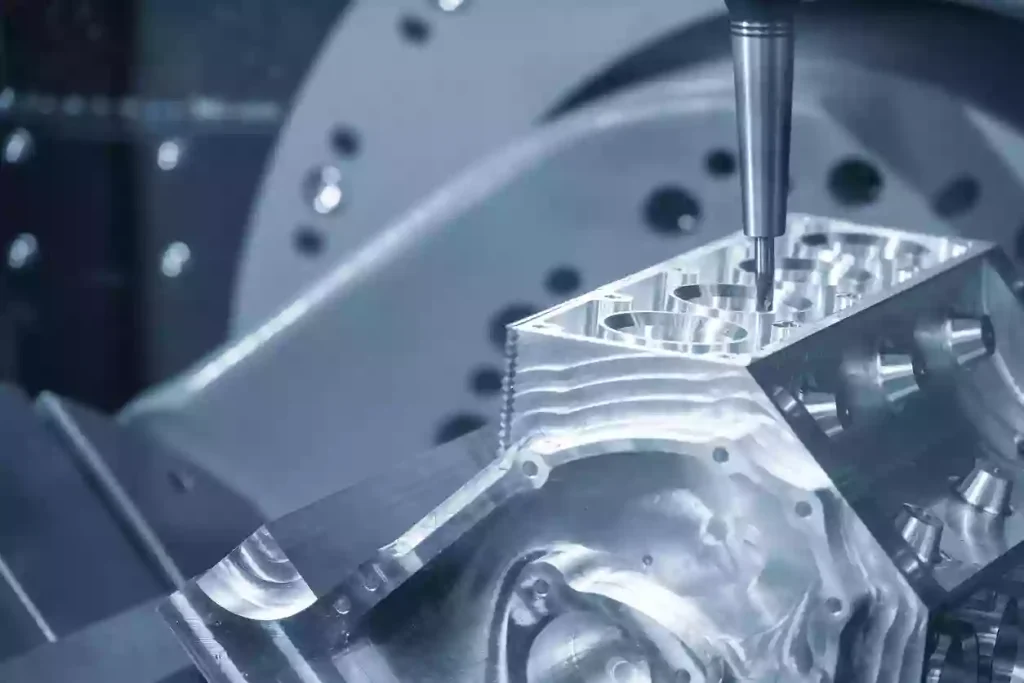
Why CNC Machining Is Critical in the Automotive Industry
CNC machining plays a vital role in automotive manufacturing because it meets the industry’s strict requirements for precision, consistency, and efficiency.
High Precision for Critical Components
Automotive parts such as engine systems, braking components, and EV battery structures require tight tolerances, often within ±0.01 mm. CNC machining ensures these parts meet exact specifications, reducing the risk of failure.
Consistency in Production
CNC machines can produce identical parts repeatedly, which is essential for large-scale automotive manufacturing. This consistency improves assembly efficiency and overall product quality.
Automation and Efficiency
With minimal manual intervention, CNC machining reduces human error and increases production speed. This allows manufacturers to shorten lead times and scale production more effectively.
Key Benefits of Automotive CNC Machining
CNC machining offers several advantages that make it the preferred manufacturing method in the automotive industry.
Precision and Accuracy
CNC machines deliver high accuracy, ensuring parts fit perfectly and function reliably in demanding environments.
Fast Turnaround
From prototyping to production, CNC machining enables rapid manufacturing cycles, helping companies bring products to market faster.
Material Versatility
A wide range of materials can be used, including aluminum, steel, titanium, and engineering plastics, supporting different automotive applications.
Complex Geometry Capability
Advanced CNC systems, especially 5-axis machines, can produce intricate designs that are difficult or impossible with traditional methods.
Cost Efficiency for Low to Medium Volumes
CNC machining eliminates the need for expensive tooling, making it ideal for prototypes and smaller production runs.
CNC Machining Processes Used in Automotive Manufacturing
Automotive CNC machining involves several key processes, each suited for different types of parts and geometries.
CNC Milling
CNC milling is used to create complex shapes, flat surfaces, and cavities. It is widely applied in manufacturing engine components, housings, and structural parts.
CNC Turning
Turning is ideal for cylindrical parts such as shafts, axles, and bushings. The workpiece rotates while the cutting tool shapes it with high precision.
5-Axis Machining
5-axis CNC machining allows tools to move along multiple directions simultaneously, making it possible to produce highly complex parts in a single setup. This reduces repositioning errors and improves overall accuracy.
Drilling and Finishing
Drilling, tapping, and surface finishing processes ensure parts meet functional and aesthetic requirements, including precise holes, threads, and surface quality.
Automotive CNC Machining Applications
CNC machining is used to produce a wide range of automotive components, from traditional engine parts to advanced EV systems.
Engine and Powertrain Components
Includes cylinder heads, pistons, and engine blocks that require high precision and durability.
Transmission and Drivetrain Parts
Gears, shafts, and housings that demand tight tolerances and smooth performance.
Electric Vehicle (EV) Components
Battery housings, cooling plates, and motor enclosures often feature complex geometries that CNC machining can handle efficiently.
Suspension and Chassis Parts
Components such as control arms and steering knuckles require both strength and precision.
Interior and Exterior Parts
CNC machining is also used for panels, enclosures, and custom design elements.
Materials Used in Automotive CNC Machining
The choice of material is critical in automotive CNC machining, as it affects performance, weight, cost, and machinability. CNC can handle a wide range of metals and polymers, allowing engineers to optimize components for different requirements.
Aluminum Alloys (6061, 7075): Lightweight, corrosion-resistant, ideal for engine housings, brackets, and structural components.
Steel and Stainless Steel: High strength and durability, used for gears, shafts, and suspension parts.
Titanium: Exceptional strength-to-weight ratio, often used in high-performance or racing applications.
Advanced Materials
Magnesium: Extremely lightweight but challenging to machine; requires specialized tooling and cooling.
Carbon Fiber Reinforced Polymers (CFRP): CNC machining of composites demands careful cutting strategies to avoid delamination.
Engineering Plastics (PEEK, Delrin, ABS): Used in interior components, insulation, and non-structural parts where weight savings and chemical resistance are needed.
Material selection balances performance, cost, and manufacturability. For EVs, lightweight metals and composites are increasingly preferred to improve efficiency and range.
Tolerances and Quality Standards in Automotive CNC Machining
Precision is the backbone of automotive CNC machining. Tolerances define the allowable variation from the specified dimensions, directly impacting performance, safety, and assembly.
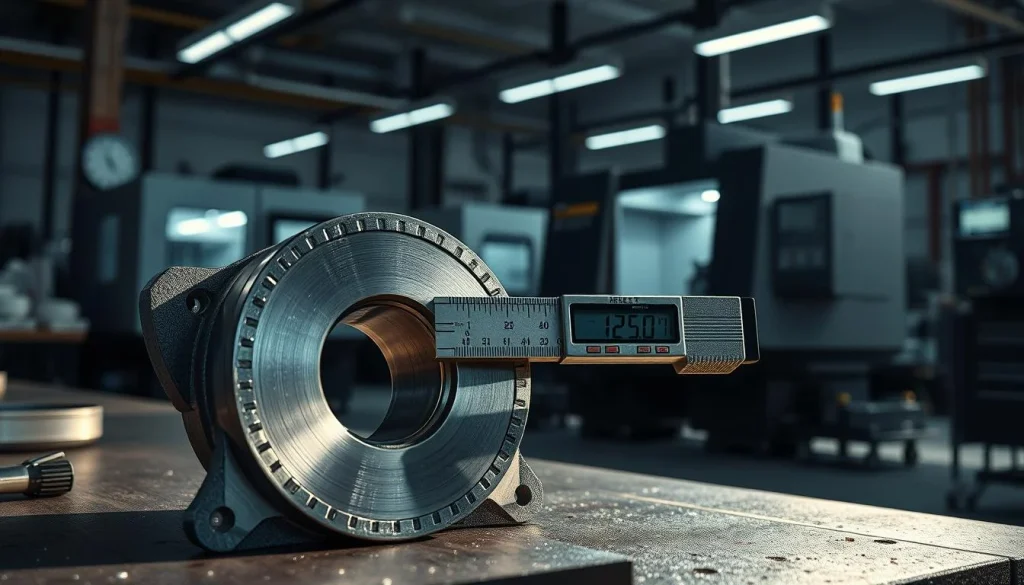
Typical Tolerances
Engine and drivetrain components: ±0.01 mm
Structural parts: ±0.02 mm
EV battery and cooling systems: ±0.01–0.02 mm
Quality Standards
IATF 16949 Certification: A critical requirement for automotive suppliers, ensuring consistent quality management across production.
CMM (Coordinate Measuring Machines): Used for First Article Inspection (FAI) and batch verification, confirming that all parts meet specifications.
Surface Finishing Standards: Anodizing, powder coating, bead blasting, and polishing enhance both durability and aesthetics.
Strict adherence to material and tolerance standards ensures that CNC-machined automotive parts perform reliably under extreme conditions and maintain safety compliance.
Cost of Automotive CNC Machining
The cost of automotive CNC machining depends on multiple factors, including material, complexity, tolerances, volume, and production speed. Understanding these cost drivers is essential for both manufacturers and procurement teams.
Material Impact
High-performance metals like titanium or specialty aluminum alloys increase tooling wear and machine time, raising costs. Polymers and standard aluminum are more cost-effective.
Part Complexity
Components with intricate geometries, deep pockets, or multi-surface features require longer machining cycles and often multi-axis setups, which also increases cost.
Tolerance Requirements
Tighter tolerances require precise tooling, additional inspections, and sometimes secondary finishing, contributing to higher overall costs.
Production Volume
Prototyping or low-volume production is generally more expensive per part due to setup costs. High-volume production benefits from economies of scale.
Typical Price Ranges
Prototype parts: $50–$500 per component
Low-volume production: $10–$100 per component
High-complexity or specialty material parts may exceed $500 per part
Accurate cost estimation helps automotive companies balance performance, material selection, and production efficiency.
Automotive CNC Machining for Prototyping vs Production
CNC machining is widely used in both prototyping and production phases of automotive manufacturing, but the requirements and priorities differ between the two.
Prototyping
Focuses on speed and design validation.
Allows engineers to test form, fit, and function before committing to large-scale production.
Typically involves low-volume runs with flexible materials like aluminum or engineering plastics.
Quick adjustments are possible thanks to digital workflows, making it ideal for iterative design cycles.
Production
Focuses on consistency, repeatability, and efficiency.
Involves higher volumes, tighter tolerances, and more stringent quality controls.
Often uses durable metals and specialized materials to ensure long-term performance.
Multi-axis CNC machines and automated inspection systems are critical to maintain precision across thousands of parts.
By leveraging CNC machining for both prototyping and production, automotive manufacturers can accelerate development timelines while ensuring that final parts meet the highest quality standards.
Challenges in Automotive CNC Machining
While CNC machining offers numerous advantages, several challenges remain, particularly in the automotive sector.
Complex Geometries
Modern automotive components often have intricate shapes, deep pockets, or tight clearances. Machining these parts requires advanced multi-axis setups and careful toolpath planning.
Material Limitations
High-strength metals like titanium or composites such as CFRP are difficult to machine, requiring specialized tooling and expertise to prevent defects.
Tight Tolerances
Automotive parts frequently require tolerances within ±0.01 mm. Achieving such precision consistently across production batches is challenging and demands well-maintained machines and skilled operators.
Cost Management
Complex designs, premium materials, and advanced machining processes can drive costs up. Balancing performance requirements with budget constraints is a constant challenge.
Lead Time Constraints
Automotive production cycles are tight. Delays in CNC machining due to setup, inspection, or tool wear can impact overall production schedules.
By understanding and addressing these challenges, manufacturers can optimize CNC machining processes for efficiency, quality, and cost-effectiveness.
Future Trends in Automotive CNC Machining (2026+)
The automotive CNC machining industry is evolving rapidly, driven by electrification, automation, and sustainability initiatives. Understanding these trends is crucial for manufacturers and suppliers looking to stay competitive.
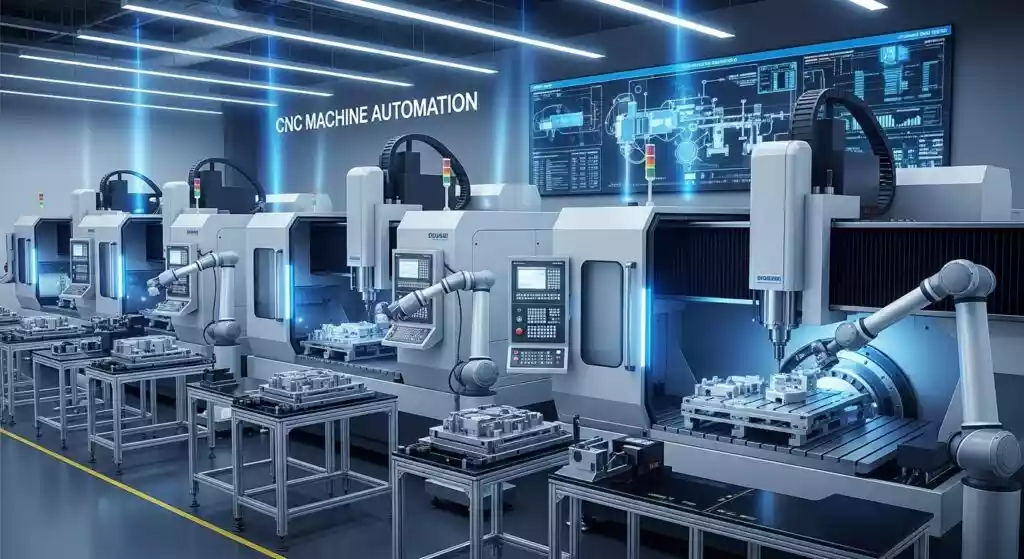
Electrification and EV Components
The rise of electric vehicles has increased demand for precision-machined parts like battery housings, cooling plates, and motor enclosures. These components often feature complex internal geometries that require multi-axis CNC machining for efficiency and accuracy.
Lightweighting Materials
Automakers are increasingly using aluminum, magnesium, and carbon-fiber-reinforced polymers (CFRP) to reduce vehicle weight and improve efficiency. CNC machining of these materials presents unique challenges but is essential for high-performance and energy-efficient designs.
Advanced Multi-Axis Machining
5-axis and even 6-axis CNC machines are becoming standard in automotive manufacturing. They reduce the need for multiple setups, minimize errors, and allow machining of highly intricate parts in a single operation.
AI and Smart Manufacturing
Artificial intelligence and machine learning are integrated into CNC systems for predictive maintenance, toolpath optimization, and real-time monitoring. This enhances productivity, reduces downtime, and ensures consistent quality.
Sustainable Manufacturing Practices
Green CNC machining, including reduced coolant usage, energy-efficient equipment, and waste reduction strategies, is gaining importance. These practices help automotive suppliers meet environmental regulations while lowering operational costs.
On-Demand and Flexible Manufacturing
Cloud-based and networked CNC machines enable on-demand production, allowing manufacturers to quickly adjust production volumes, respond to market changes, and reduce inventory costs.
By embracing these trends, automotive manufacturers can improve efficiency, reduce costs, and produce higher-quality parts, positioning themselves for long-term success in a rapidly changing industry.
How to Choose the Right Automotive CNC Machining Supplier
Selecting the right supplier is critical for ensuring quality, efficiency, and timely delivery of automotive CNC parts. A capable supplier can significantly impact production success and overall product performance.
Certifications and Compliance
Look for suppliers with IATF 16949 or ISO 9001 certifications. These certifications demonstrate adherence to international automotive quality standards and robust quality management systems.
Equipment and Technology
A reliable supplier should have advanced CNC machinery, including 5-axis and multi-axis machines, as well as automated inspection systems. This ensures they can handle complex geometries and tight tolerances consistently.
Engineering and DFM Support
Top suppliers offer Design for Manufacturing (DFM) feedback to optimize part designs for manufacturability, cost, and performance. Early engineering input can prevent costly rework and reduce lead times.
Production Capabilities and Scalability
Assess whether the supplier can manage both prototyping and full-scale production. A flexible supplier can scale operations as your product moves from concept to mass production.
Quality Control Processes
Ensure the supplier uses CMM inspections, FAI (First Article Inspection), and robust surface finishing processes. Consistent quality control minimizes defects and ensures parts meet specifications.
Lead Time and Logistics
Evaluate the supplier’s delivery times, global shipping capabilities, and communication processes. Reliable logistics support is essential for maintaining production schedules.
By carefully considering these factors, manufacturers can partner with CNC machining suppliers that provide consistent quality, technical expertise, and scalable production, reducing risk and improving overall project outcomes.
Get Custom Automotive CNC Machining Services
For companies looking to produce high-quality automotive parts efficiently, partnering with a reliable CNC machining supplier is crucial. Leading suppliers offer comprehensive services to meet diverse manufacturing needs:
Rapid Quoting and Design Evaluation: Quick assessments of part designs to provide accurate pricing and manufacturability feedback.
Prototyping and Low-Volume Production: Flexibility to handle small batches for testing and validation before full-scale production.
Global Shipping and Logistics: Timely delivery of components to support international manufacturing schedules.
Engineering Support and DFM Guidance: Expertise in optimizing designs for cost, performance, and manufacturability.
Quality Assurance: Access to advanced inspection methods, including CMM measurement, FAI, and certified surface finishing.
These services help automotive manufacturers reduce lead times, maintain consistent quality, and accelerate product development. Working with a full-service CNC machining supplier ensures that both prototypes and production parts meet exact specifications, enabling innovation without compromising reliability.
Conclusion
Automotive CNC machining remains a cornerstone of modern vehicle manufacturing. From high-precision engine components to complex EV systems, CNC machining provides accuracy, consistency, and scalability that other manufacturing methods cannot match.
By leveraging advanced multi-axis machines, high-quality materials, and certified suppliers, automotive manufacturers can optimize production for performance, cost, and efficiency. As the industry moves toward electrification, lightweight materials, and sustainable practices, CNC machining will continue to play a critical role in driving innovation, reliability, and quality in the automotive sector.
FAQ
What is automotive CNC machining?
Automotive CNC machining is the use of computer-controlled machines to produce precision parts for vehicles, ensuring tight tolerances, high repeatability, and superior surface finishes.
How long does it take to CNC machine a car part?
Lead time depends on part complexity, material, and volume. Prototypes may take 1–3 days, while production parts can take several weeks depending on scale.
Is CNC machining better than 3D printing for automotive parts?
For functional, load-bearing, or high-temperature components, CNC machining provides stronger material properties, tighter tolerances, and superior surface finish compared to 3D printing.
What materials are commonly used?
Metals such as aluminum, steel, titanium, magnesium, and composites like CFRP, as well as engineering plastics like PEEK or Delrin, depending on the application.
Can CNC machining handle complex EV components?
Yes, 5-axis and multi-axis CNC machining enable the production of intricate geometries required for EV battery housings, motor enclosures, and cooling plates.