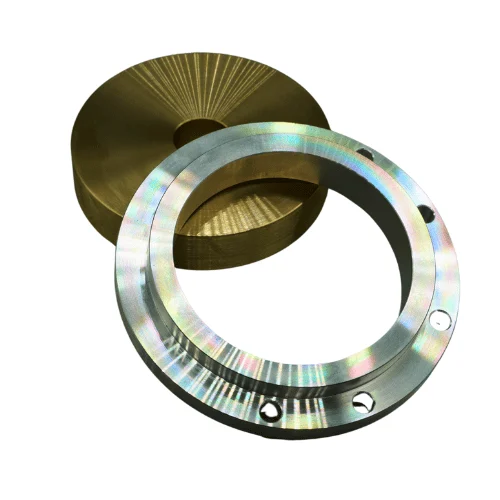
Aluminum CNC Machining Services
Precision CNC machining for custom aluminum parts, from rapid prototypes to production runs. Our advanced multi-axis machining capabilities, aluminum alloy expertise, and professional surface finishing ensure high-quality parts with tight tolerances and consistent performance.
Custom Aluminum CNC Machining Services
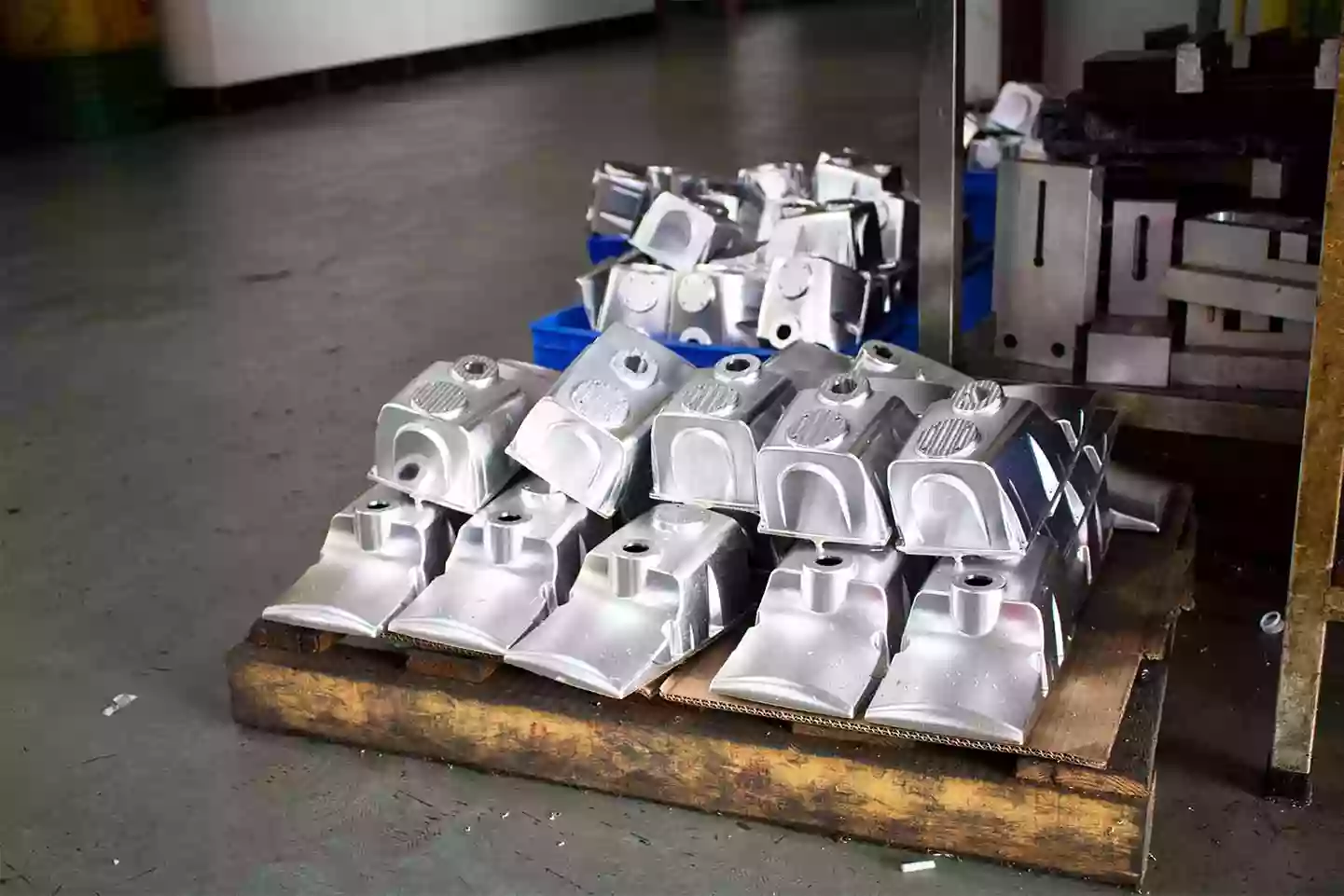
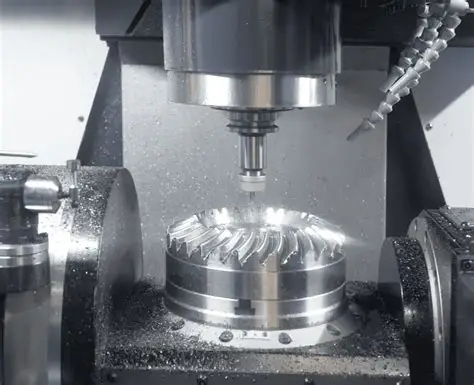
Aluminum CNC machining is one of the most effective methods for producing lightweight, high-strength, high-precision, and high-tolerance parts. Our one-stop service supports the production of a wide range of custom aluminum parts, from rapid prototyping to mass production. Equipped with advanced multi-axis CNC milling and turning centers, we can machine complex geometries, thin-walled structures, and intricate features while maintaining consistent dimensional accuracy and repeatability.
We routinely machine a variety of aluminum alloys, allowing you to choose materials that balance strength, weight, corrosion resistance, and performance. To meet both functional and aesthetic needs, we offer specialized surface treatment solutions such as anodizing, hard anodizing, sandblasting, polishing, and other surface treatments commonly used for aluminum alloy CNC parts.
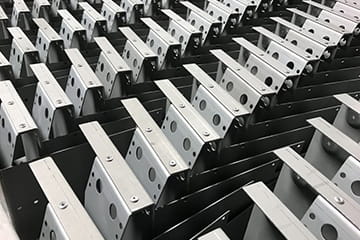
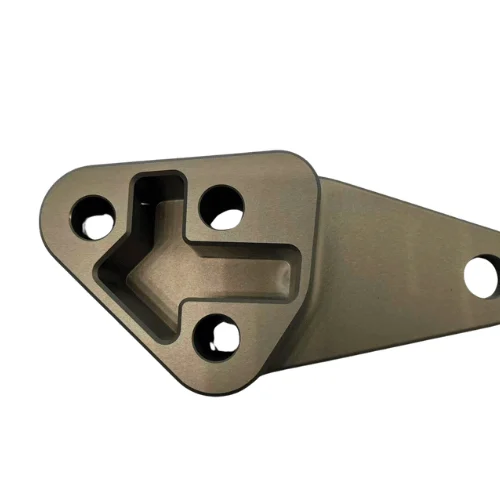
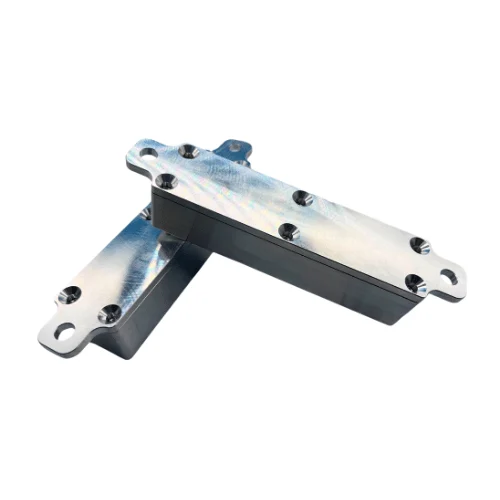
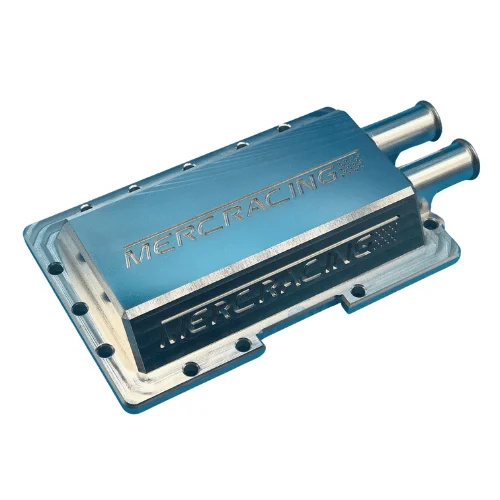
From precision brackets and structural components to electronic housings and heat dissipation components, our aluminum CNC machining capabilities provide reliable and scalable manufacturing solutions for demanding applications where precision, efficiency, and material properties are critical.
What is Aluminum CNC Machining?
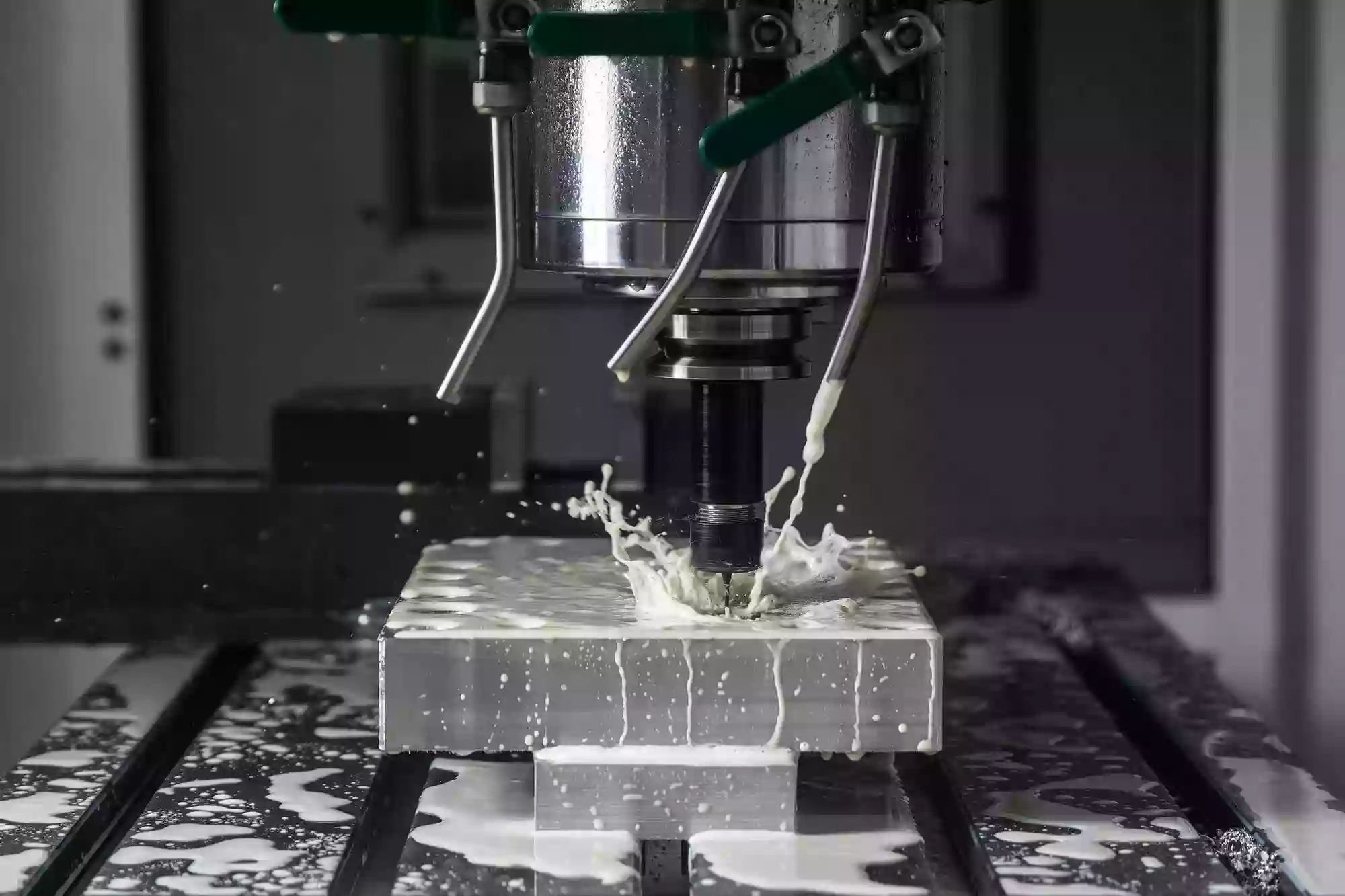
Aluminum CNC machining is a high-speed, subtractive manufacturing process that uses programmed cutting tools to precisely remove material from a solid aluminum block. By following digital CAD models, our CNC machines—including mills, lathes, and drills—transform raw alloys into complex, functional parts with extreme accuracy and repeatable quality.
It is the industry-standard solution for producing lightweight, durable components that require tighter tolerances and superior surface finishes compared to 3D printing or casting.
Advantages of Aluminum CNC Machining
- Fast prototyping with delivery in days
- High precision machining with micron-level accuracy
- Supports complex features (threads, cavities, undercuts)
- Suitable for prototype and mass production
- Wide aluminum alloys and surface finish options
- Cost-efficient with low waste and no tooling changes
Aluminum Materials for CNC Machining
We offer a wide range of aluminum alloys for CNC machining, balancing machinability, strength, and corrosion resistance. All materials support tight tolerances, thin-wall designs, complex geometries, and surface finishes such as anodizing, polishing, and bead blasting. If your material is not listed, contact us for a suitable alternative.
Aluminum Alloys Comparison
Alloy | Key Properties |
6061 | Balanced strength, machinability, corrosion resistance |
7075 | High strength, aerospace-grade performance |
2024 | High fatigue resistance, aerospace structures |
5052 | Excellent corrosion resistance, marine/electronics use |
6082 | Structural strength, good versatility |
6063 | Superior surface finish, decorative use |
2011 | Excellent machinability for precision parts |
5083 | Extreme corrosion resistance, marine environments |
Aluminum CNC Machining Capabilities
Our factory delivers high-precision, flexible, and efficient aluminum machining services for all production scales. With multi-axis CNC milling and turning centers, we produce complex geometries, deep cavities, and fine features while maintaining tight tolerances and high repeatability.
We specialize in thin-walled parts, ensuring structural strength and dimensional stability through optimized toolpaths, cutting parameters, and vibration control, even in lightweight designs. From single prototypes to high-volume production, our integrated manufacturing process ensures fast delivery, consistent quality, and scalable capacity across multiple industries.
Thin-Wall Aluminum Machining
The main challenge in thin-wall aluminum machining is deformation, vibration, and micro-deviation caused by cutting forces and thermal stress. To address this, we use process simulation and optimized fixturing to evaluate cutting sequence, tool load, and clamping strategy before machining, ensuring dimensional stability throughout the process.For deep cavities, slender ribs, and hollow structures, we apply segmented machining and support strategies to reduce deflection, vibration, and residual stress. This enables the production of lightweight, precise, and assembly-ready thin-walled aluminum parts without increasing material thickness, widely used in aerospace brackets, electronic housings, and automotive components.
High-Precision Aluminum Machining
Thermal expansion, vibration, and material stress can cause instability and surface inconsistency in aluminum machining.At XTPROTO, we use precision CNC systems, stable cutting strategies, advanced toolpaths, and in-process measurement to control deformation during machining.This ensures highly stable aluminum parts with consistent surface quality and reliable performance for demanding applications.
Custom Aluminum CNC Machining for Prototyping and Production
Rapid Machining
Low Volume CNC Machining
High Volume CNC Machining
CNC Machining Processes for Aluminum Parts
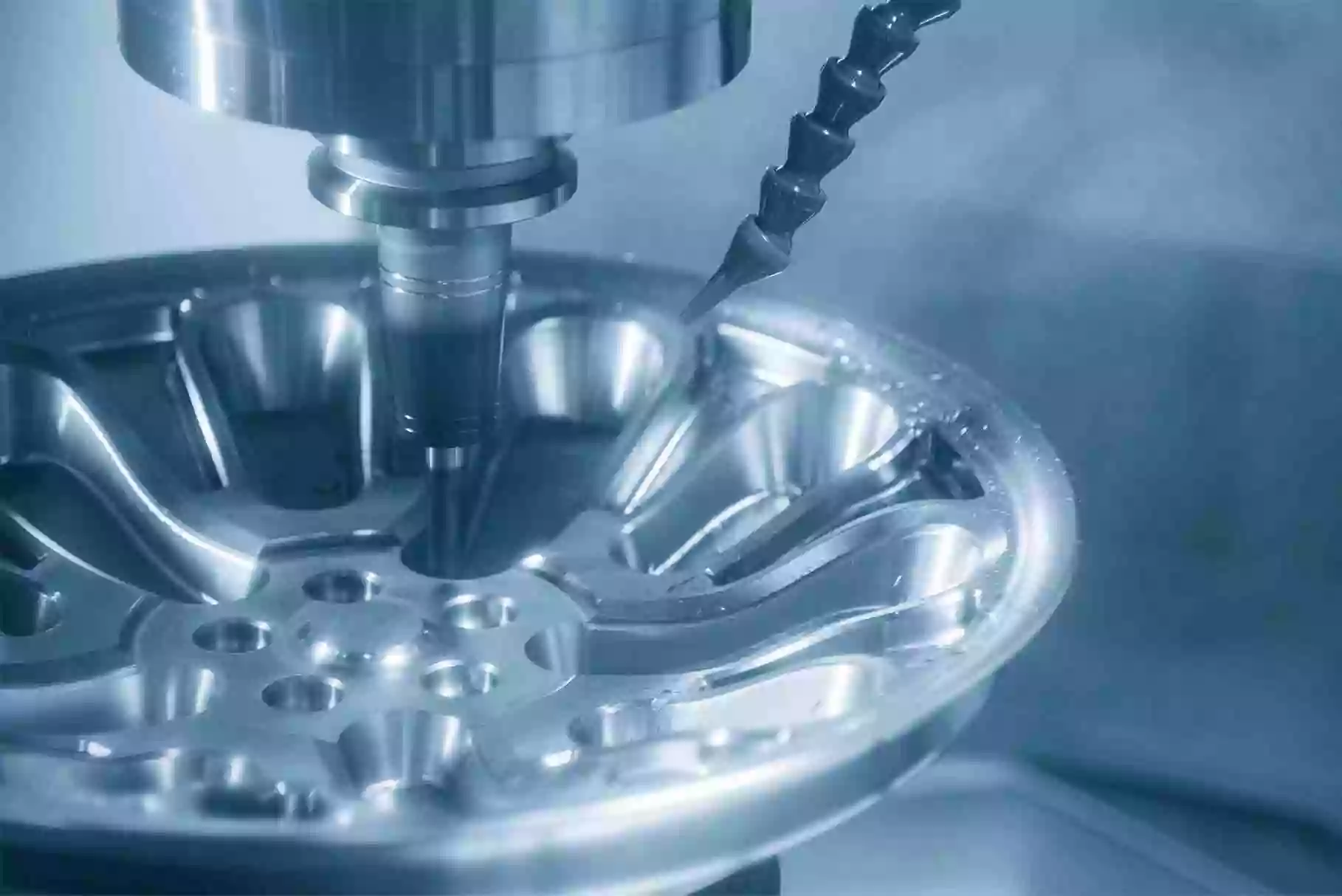
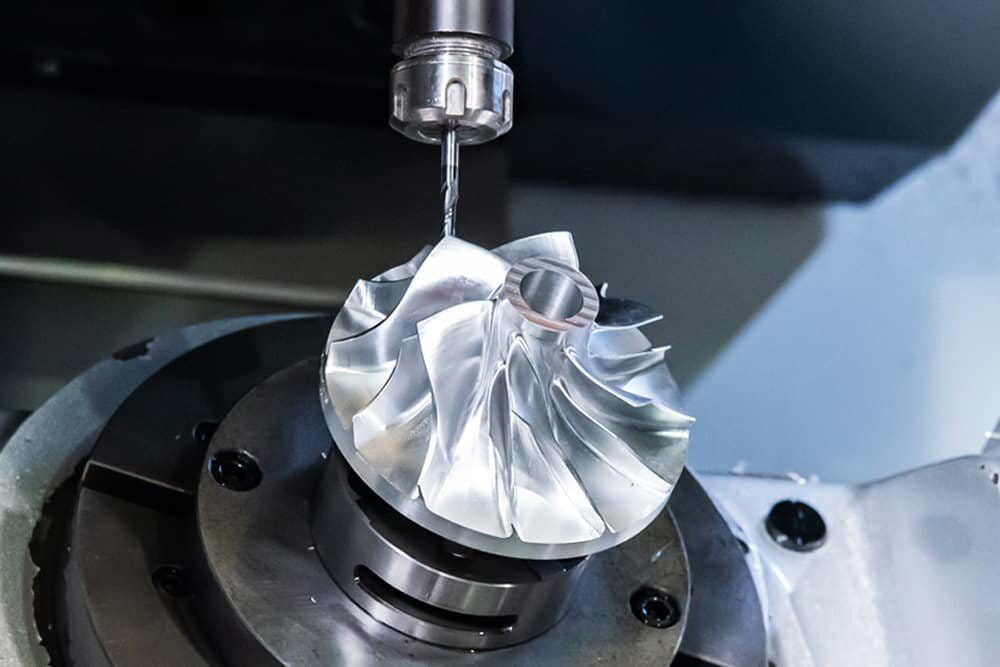
CNC Milling
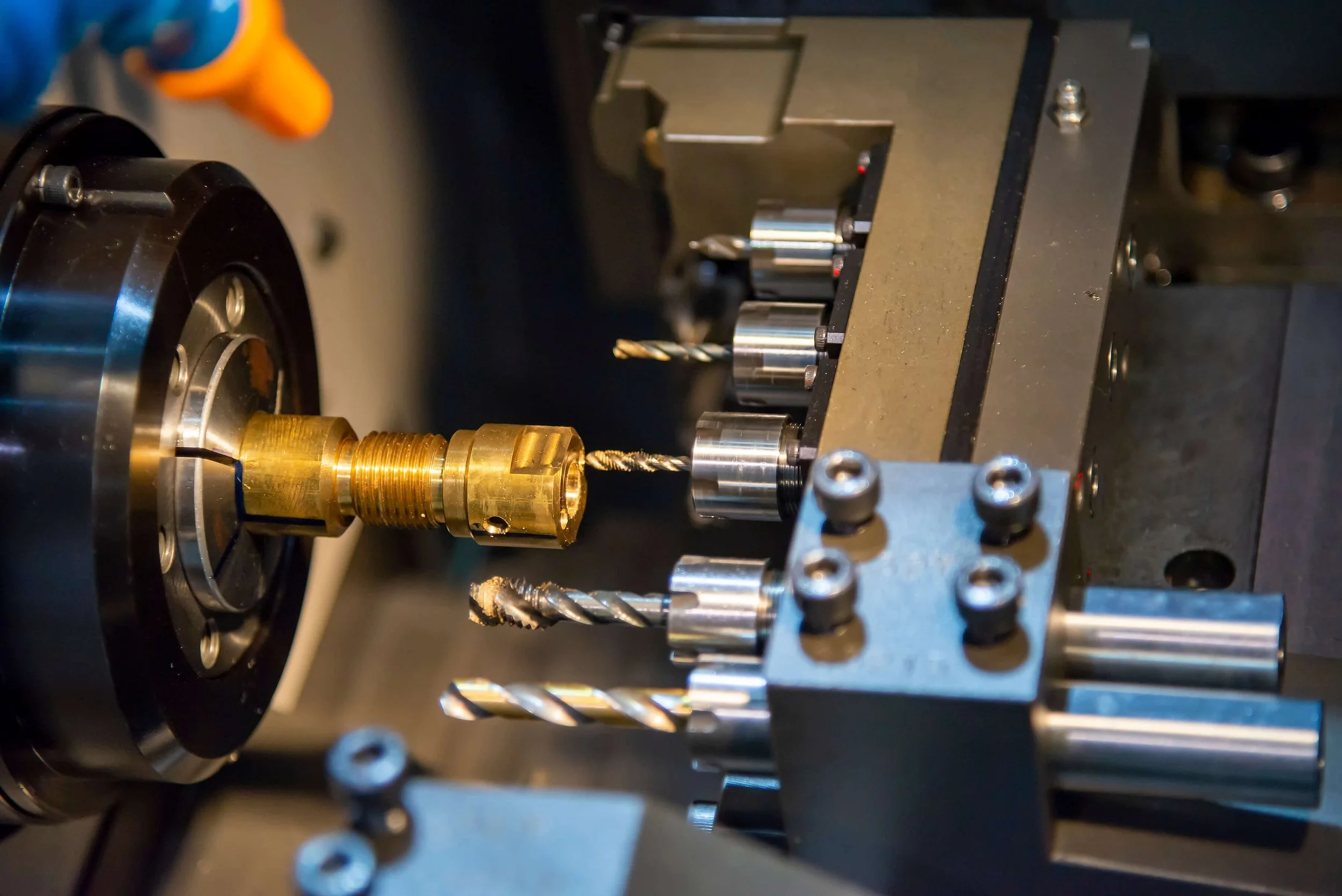
CNC Turning
CNC Drilling
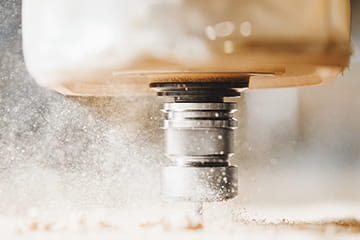
CNC Routing
Swiss Machining
Precision CNC Machining
CNC Machining
Our Factory
Our facility is equipped with advanced multi-axis CNC machines, precision lathes, milling centers, and supporting tooling that enable the production of parts ranging from rapid prototypes to high-volume components. The factory layout is designed for efficient workflow, minimizing handling and ensuring consistent quality at every stage. Experienced engineers and operators oversee all processes, from material receipt and inspection to in-process monitoring, machining, and finishing. Our facility also includes dedicated areas for surface treatments such as anodizing, polishing, and bead blasting, as well as inspection labs with CMMs, gauges, and fixtures to verify tolerances and surface integrity. With streamlined production lines, standardized procedures, and rigorous quality management, we can maintain tight tolerances, reduce lead times, and deliver reliable, repeatable aluminum CNC parts that meet demanding industry standards.
Quality Assurance & Inspection for Aluminum CNC Machining
Quality control is integrated into every stage of our aluminum CNC machining process, from incoming material verification to in-process monitoring that detects deviations during machining.
We use calibrated inspection systems such as CMM, laser scanners, precision gauges, and custom fixtures to verify critical features, surface quality, and functional consistency before finishing.
With full inspection records, traceability, and continuous process improvement, we ensure consistent quality, reliable repeatability, and stable performance across prototypes and production runs.
Professional Engineering Team
At XTPROTO, we have an engineering team of over 120 professional engineers dedicated to optimizing every stage of your aluminum CNC machining projects, achieving engineering excellence. Beyond simple machining, we offer comprehensive Design for Manufacturability (DFM) analysis to identify cost-saving opportunities and technical risks before the first cut. With advanced CAD/CAM integration and multi-axis programming technology, our team ensures that the complex geometries of 6061 or 7075 alloys achieve tolerances of ±0.01mm. As your expert technical partner, we bridge the gap between complex design concepts and mass-producible aluminum components with industry-leading speed and reliability.
CNC Aluminum Machining Tolerances
For CNC aluminum parts, we strictly follow ISO 2768 (Medium) as our default manufacturing standard. Higher precision requirements can be met upon request based on your technical drawings.
Feature Type | Standard Tolerance (ISO 2768-m) | Precision Tolerance (Upon Request) |
Linear Dimensions | ± 0.10 mm (± 0.004″) | Up to ± 0.025 mm (± 0.001″) |
Hole Diameters | ± 0.05 mm (± 0.002″) | Up to ± 0.010 mm (± 0.0004″) |
Angular Dimensions | ± 0.5° | ± 0.1° |
Flatness / Parallelism | ± 0.10 mm (± 0.004″) | Up to ± 0.020 mm (± 0.0008″) |
Surface Roughness | 3.2 μm (Ra 125) | 0.8 – 0.4 μm (Ra 32 – 16) |
Surface Finishing For Aluminum Parts
We offer a full range of surface finishing options for aluminum CNC parts, carefully selected to enhance performance, durability, and aesthetics. Our engineers choose the optimal method based on material, part geometry, and end-use requirements, ensuring each component meets functional standards while achieving a high-quality finish.
| Surface Finishing | Features & Benefits |
| Anodizing | Durable, corrosion-resistant oxide layer; optional colors for decorative or functional purposes. |
| Hard Anodizing | Increased surface hardness and wear resistance; ideal for high-stress components. |
| Bead/Sand Blasting | Uniform matte texture; prepares surface for coating or improves appearance. |
| Polishing & Brushing | Smooth or directional finishes; enhances visual and tactile quality. |
| Powder Coating | Provides robust corrosion protection; customizable colors for outdoor or decorative applications. |
| Chemical Film / Passivation | Improves corrosion resistance and paint adhesion; suitable for industrial or aerospace parts. |
Why Choose Our Aluminum CNC Machining?
Aluminum CNC Machining Applications Across Industries
Aerospace
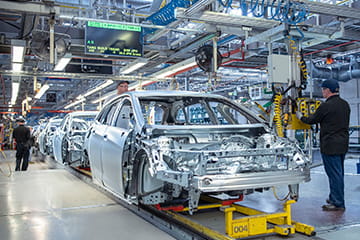
Automotive
Electronics & Technology
Medical Devices
Robotics & Automation
Precision Aluminum CNC Machined Parts


FAQ: Aluminum CNC Machining
Why is 6061-T6 the most popular choice for aluminum processing?
How much does CNC machining of aluminum alloy cost?
What surface treatments are available for aluminum alloys?
How do I choose the right aluminum grade for my project?
Request Your Free CNC Machining Quote Today
After receiving your drawings, our engineers will analyze your custom CNC machining parts right away. We actively work with you to clarify all details before providing a quote that is both economical and accurate.