
What is Data Center CNC Machining?
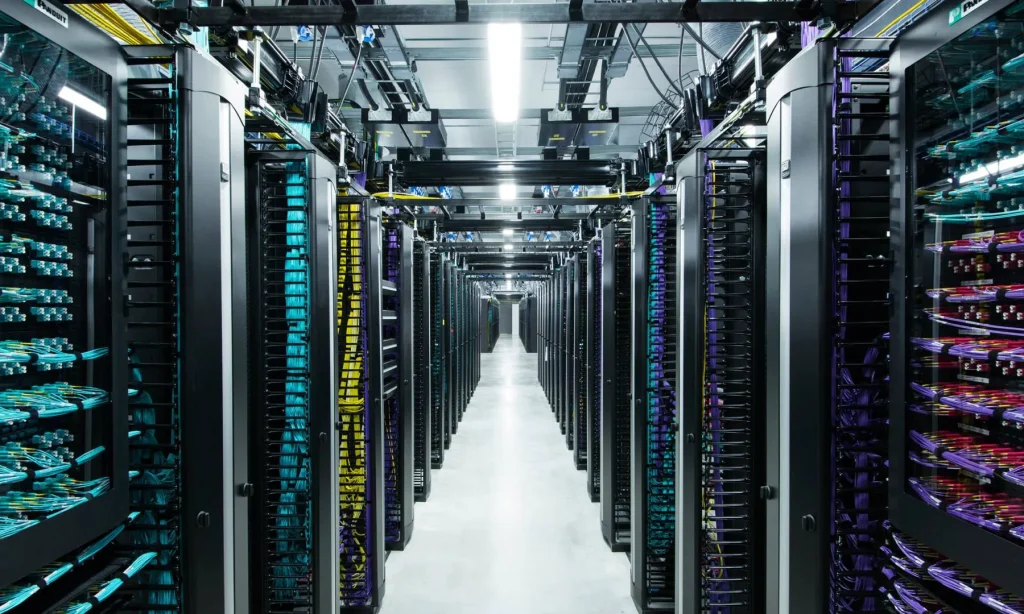
When we think of data centers, the images that typically come to mind are rows of blinking indicator lights and miles of fiber-optic cabling. However, beneath this digital facade lies a complex world of physical engineering. Data center CNC machining is a precision manufacturing process specifically dedicated to crafting the specialized hardware required to ensure these facilities operate continuously—24 hours a day, 7 days a week.
Simply put, it is a manufacturing method that utilizes computer-controlled cutting tools to carve critical components out of solid blocks of metal or plastic. While traditional manufacturing processes may suffice for the production of ordinary consumer goods, data center infrastructure demands such extreme levels of reliability and precision that only CNC (Computer Numerical Control) machining technology can meet these rigorous standards.
Why Data Centers Require Specialized Machining Techniques
A data center is an environment characterized by high loads and high stress. Servers generate immense amounts of heat; cooling systems must circulate fluids in close proximity to sensitive electronic components; and power supplies must ensure uninterrupted delivery, accurate to the millisecond. Traditional manufacturing processes—such as casting or stamping—often struggle to provide the structural strength or the extremely tight dimensional tolerances required for these specific applications.
Data centers adopt CNC machining precisely because it delivers “mission-critical” precision. Whether it involves brackets designed to securely support heavy AI server racks during a seismic event, or tiny fluid connectors that must remain leak-proof for a decade, the CNC machining process ensures that every single component is manufactured in strict adherence to precise, predetermined specifications. In this industry, even a minuscule deviation of just a few millimeters can mean the difference between two vastly different outcomes: the smooth, seamless operation of a system, or a catastrophic system outage resulting in millions of dollars in losses.
The Role of Machining in Thermal Management
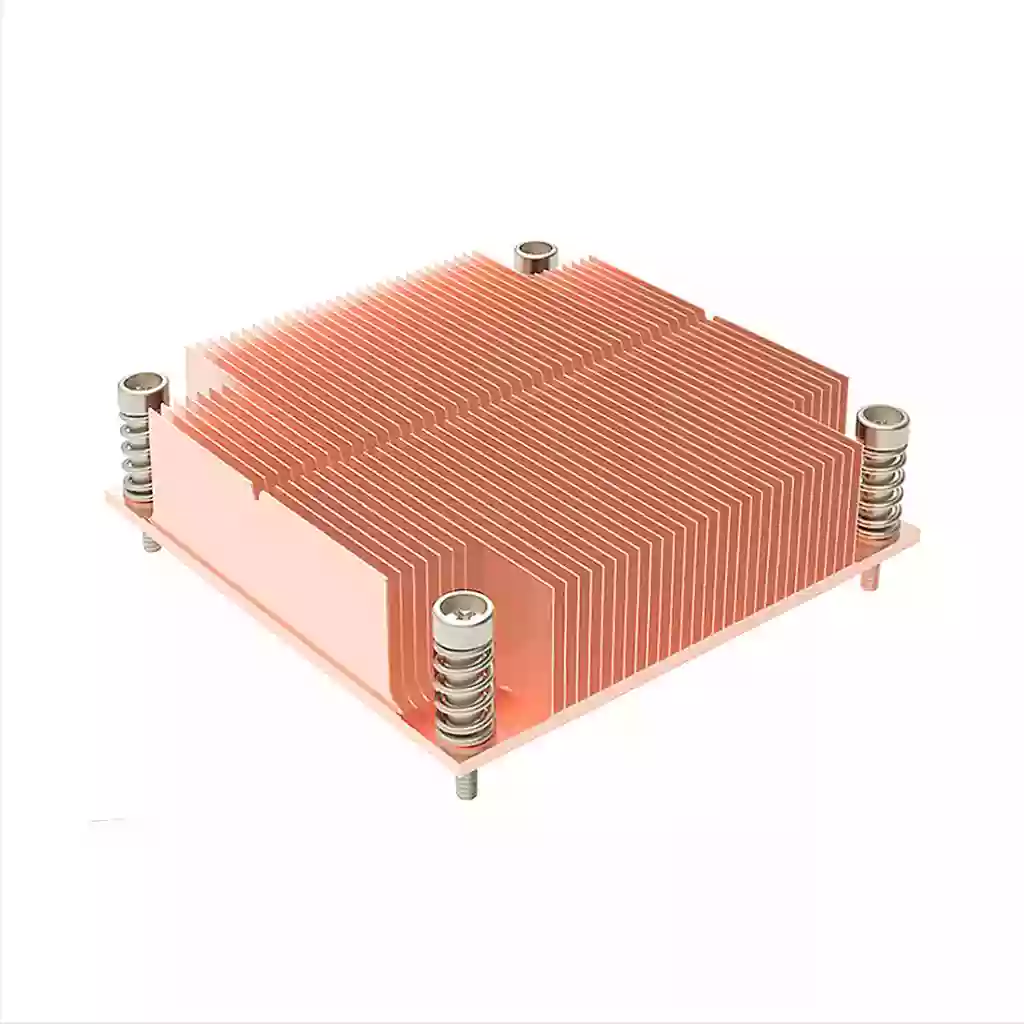
In modern data centers, one of the most common applications for CNC machining technology is in the realm of “cooling and thermal management.” As the performance of microprocessors continues to escalate, the amount of heat they generate has surged correspondingly. Traditional air-cooling technologies have gradually reached their physical limits; consequently, liquid-cooling technology has emerged as the industry standard for high-density server racks. It is precisely at this juncture that precision machining technology transforms from an “optional extra” into an “absolute necessity.” To achieve efficient heat dissipation for high-end GPUs, one must employ a component known as a “cold plate”—a metal substrate featuring intricate internal flow channels specifically designed for the circulation of cooling fluid.
- Microchannel Design: CNC machine tools are capable of cutting extremely fine microchannels into copper or aluminum substrates. These microchannels vastly increase the surface area available for heat exchange, thereby enabling the cooling fluid to absorb and carry away heat more rapidly and efficiently.
- Sealing and Flatness: To ensure the safe operation of a liquid cooling system, the contact surface between the metal cold plate and the chip must exhibit absolute flatness. Any minute gap—no matter how minuscule its dimensions—will act as a “thermal barrier,” impeding the conduction of heat. CNC machining makes it possible to achieve the requisite mirror-finish surface quality, thereby guaranteeing maximum cooling efficiency and a leak-free seal.
Material Selection
Choosing the right material for data center hardware is a complex balancing act. Because these components are expected to last for years under constant thermal stress, engineers must consider heat transfer, electrical properties, and chemical stability.
- High-Conductivity Metals: While Copper (C101 or C110) is the undisputed leader for thermal conductivity in liquid cold plates, Aluminum (6061, 7075, or 5083) is the workhorse of the industry. Aluminum is favored for its strength-to-weight ratio and cost-effectiveness, especially for large-scale heat sinks and server enclosures. In some high-end networking hardware, Titanium is even used for its extreme durability and low thermal expansion in high-vibration environments.
- Corrosion-Resistant Alloys: For liquid cooling manifolds and fluid connectors, Stainless Steel (303, 304, or 316L) is often the material of choice. Unlike aluminum, stainless steel is highly resistant to the corrosive nature of certain coolants and prevents “galvanic corrosion”—a chemical reaction that happens when different metals are joined together in a cooling loop.
- Advanced Engineering Plastics: Data centers rely on non-conductive materials for power distribution and insulation.
- PTFE (Teflon): Chosen for its chemical resistance and low friction in fluid systems.
- PEEK and Ultem (PEI): Used for their ability to maintain structural integrity at extremely high temperatures.
- Fire-Rated Plastics: Crucially, any plastic used must be self-extinguishing. Using UL94-V0 rated materials ensures that in the event of an electrical fault, the component will not support a flame, preventing a localized spark from becoming a facility-wide disaster.
- PEEK and Ultem (PEI): Used for their ability to maintain structural integrity at extremely high temperatures.
Precision in Power Distribution and Connectivity
Beyond cooling and structural support, CNC machining is the primary method for creating the backbone of a data center’s power system. This includes custom Busbars and high-amperage connectors.
In these applications, the precision of the machined surface is just as important as the material itself. A busbar that isn’t perfectly flat at the connection point creates tiny air gaps. These gaps increase electrical resistance, leading to heat buildup and power loss. By using CNC milling to ensure near-perfect surface contact, manufacturers can reduce energy waste and minimize the risk of electrical fires.
Managing Thermal Expansion and Mechanical Stress
Data center components are constantly engaged in a process of “breathing.” As servers heat up to handle heavy AI workloads—and subsequently cool down—their internal metal components undergo corresponding cycles of expansion and contraction. This phenomenon is known as “thermal cycling.”
If components are manufactured with imprecise processes or fabricated from unsuitable alloy materials, these repetitive microscopic displacements can, over time, lead to loosened bolts or seal failures. By leveraging precision CNC machining techniques, engineers can accurately calculate the thermal expansion coefficients of these components. Through rigorous tolerance control—typically maintained within ±0.01 mm—designers can ensure that even when hardware operates at peak temperatures, every sealed interface remains airtight and every structural joint retains its rigid stability. It is precisely this forward-looking approach to mechanical design that constitutes the fundamental distinction between data-center-grade precision machining and standard industrial manufacturing.
The Economics of Precision Manufacturing: Comprehensive Cost Management
In the realm of CNC precision machining for data centers, the “cost” of a component extends far beyond its mere sticker price. It represents, in reality, a comprehensive trade-off and calculation balancing long-term reliability against the potential risks of failure.
Reducing Waste Through DFM: In the data center sector, prototyping is often a costly endeavor. By applying Design for Manufacturability (DFM) principles during the machining phase, engineers can proactively identify and eliminate unnecessary complexities within a design. For instance, simply fine-tuning the fillet radii of internal corners can significantly reduce machining time without compromising the component’s performance; when production scales up to thousands of units, this measure translates into a substantial reduction in the manufacturing cost per component.
First-Pass Yield: In a mass-production environment, manufacturing consistency stands as the most powerful tool for achieving cost savings. If an order batch comprising 500 liquid-cooling modules exhibits a 5% defect rate, the resulting waste of labor hours and materials is sufficient to derail the entire project’s established schedule. High-quality CNC machining services place a premium on process stability—ensuring that the very first finished part is identical in quality to the five-thousandth. This high level of reliability not only minimizes the need for costly secondary inspections but also effectively prevents on-site installation delays caused by component-related issues.
Quality Assurance: Beyond the Visual Inspection
Because these parts are often hidden deep inside server racks or cooling loops, they must be “set and forget.” This requires a rigorous testing phase that standard machining rarely undergoes.
- Pressure and Leak Testing: For any component involved in liquid cooling, a visual check isn’t enough. Parts are subjected to air and fluid pressure tests that exceed their actual operating conditions. This ensures that the seals and machined walls can handle the internal pressure of a cooling system for years without micro-cracks or weeping.
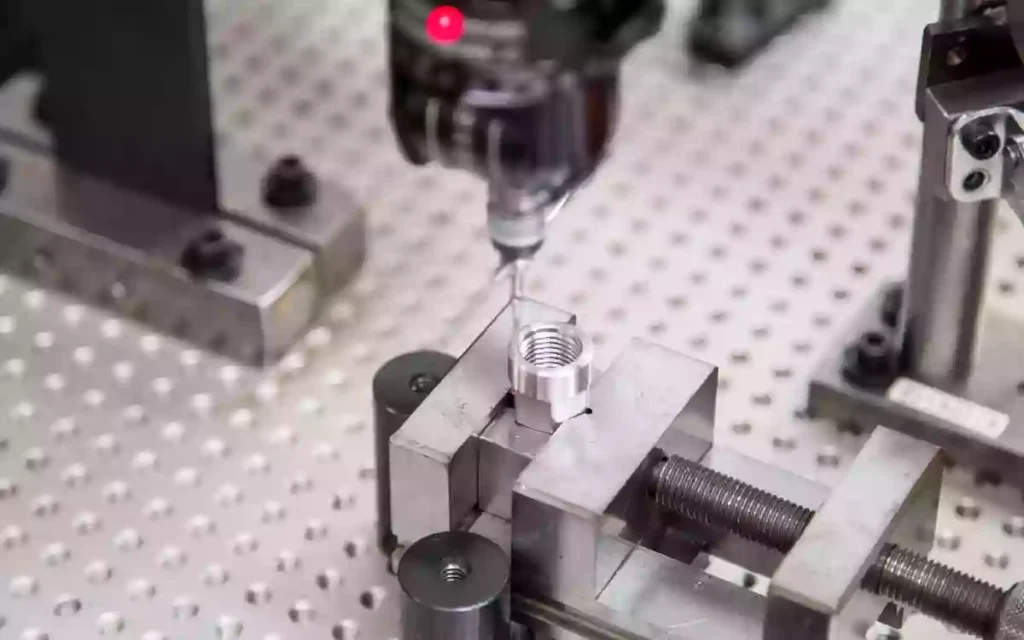
- Dimensional Traceability: Every critical dimension—such as the depth of a seal groove or the flatness of a mounting surface—is verified using Coordinate Measuring Machines (CMM). In data center applications, “close enough” is not an option. Detailed inspection reports provide a paper trail that proves every component meets the original engineering intent before it ever reaches the facility.
Scalability and Global Supply Chain Agility
The data center industry moves in cycles of rapid expansion. A provider might need ten prototypes this week and ten thousand production units next month.
CNC machining offers a unique advantage here: Scalability. Since the process is driven by digital CAD files, moving from a single machine for prototyping to a fleet of machines for mass production is seamless. This agility allows data center operators to iterate on their designs quickly—responding to new chip architectures or cooling requirements—and then roll out those changes globally without having to reinvent the manufacturing process each time.
Sustainability in Modern Manufacturing
As data centers face mounting pressure to “go green,” their hardware manufacturing processes are coming under intense scrutiny.
Efficient Computer Numerical Control (CNC) machining processes contribute to sustainability goals in multiple ways. By optimizing tool paths, manufacturers can effectively reduce energy consumption during production. Furthermore, the advanced metal materials utilized in manufacturing—such as aluminum and copper—are 100% recyclable. Most modern machining facilities are equipped with closed-loop recycling systems to collect and reclaim metal chips and scrap, thereby ensuring that the environmental impact of data center construction remains as minimal as possible.
Advanced Equipment: The Requirement for Multi-Axis Technology
Not all machine shops are equipped for the complexities of data center hardware. The evolution from simple air cooling to advanced liquid systems has raised the bar for the machinery used in production.
- 5-Axis Simultaneous Milling: Many modern components, such as fluid manifolds with angled ports or cold plates with organic internal flow paths, cannot be made on standard 3-axis machines. 5-axis CNC technology allows the cutting tool to approach the part from every direction in a single setup. This not only creates more efficient cooling geometries but also eliminates the errors that happen when a part is moved from one machine to another.
- Swiss-Type Machining for Connectivity: For the thousands of small pins, sensors, and fluid connectors that populate a server rack, Swiss-type CNC lathes are used. These machines can produce incredibly small, complex turned parts with high repeatability, ensuring that electrical and fluid connections are secure and “click” into place every time.
Maintenance and Long-Term Reliability
In the realm of CNC machining, there is a critical perspective that is often easily overlooked: how manufacturing quality impacts the maintenance lifecycle of a data center.
Precision-machined components are inherently easier to maintain. For instance, when disconnecting liquid cooling loops to facilitate server upgrades, the precision-machined threads and quick-connect fittings must function flawlessly and smoothly—absolutely free of any cross-threading or seizing. High-quality surface finishes and precise thread-cutting processes ensure that these components maintain their performance throughout their entire service life, even after being repeatedly assembled and disassembled by technicians hundreds of times. This “maintainability” is a direct reflection of the initial machining quality, and it serves to significantly reduce the labor costs associated with routine data center maintenance.
Documentation and Digital Traceability
In a mission-critical environment, knowing the “history” of a part is just as important as the part itself. Data center operators require a level of transparency that standard industrial buyers might not.
A professional CNC process for this industry includes a full digital audit trail:
- Material Certifications: Proving the copper or plastic used actually meets the heat-resistance or conductivity specs promised.
- Inspection Data: Digital records of every critical dimension, often stored for years, so that if a failure occurs in the field, engineers can trace it back to the specific batch or machine.
- Compliance Paperwork: Verified documentation for RoHS (environmental safety) and REACH, ensuring the hardware can be legally deployed in any global market, from North America to the EU.
Conclusion
So, what exactly is CNC machining in the context of data centers? It is far more than just a manufacturing method; it serves as an indispensable link connecting high-level digital architectures with physical reality. As we have seen, it is a comprehensive discipline—integrating advanced equipment, specialized materials science, and rigorous quality control—designed to address the industry’s most pressing challenges. Whether crafting the intricate microchannel structures found in liquid cooling plates, ensuring the fire safety of Power Distribution Units (PDUs), or maintaining the ±0.01 mm tolerance precision required for leak-proof connections, CNC machining offers a level of assured reliability that other manufacturing methods simply cannot match. In an environment where the failure of even a single component can trigger massive data loss or result in millions of dollars in downtime costs, “barely adequate” should never be accepted as the baseline standard. As data centers continue to evolve to meet the demands of Artificial Intelligence (AI) and hyperscale computing, the role played by precision machining will only become more critical. It stands as the steadfast, silent cornerstone that supports our digital world, enabling it—day after day—to achieve faster operational speeds, superior thermal management, and heightened operational reliability.