
CNC Machining Magnesium Safely: Fire Risks, Dust Control & CNC Shop Best Practices
Magnesium is widely used in CNC machining because of its excellent strength-to-weight ratio and good machinability. It is commonly found in aerospace structures, automotive components, electronics housings, and various lightweight engineering applications where reducing mass is critical without sacrificing performance.
At the same time, magnesium has a reputation for being a “flammable metal” in machining environments. This concern is not without reason, but it is often misunderstood. Most safety issues associated with magnesium do not come from the solid material itself, but from the by-products generated during machining—especially fine chips and dust.
In solid form, magnesium is relatively stable under normal machining conditions. However, when it is cut into small chips or fine particles, its surface area increases significantly, which makes it more reactive under heat. In CNC operations, this means that risk is not constant across all forms of magnesium, but highly dependent on chip control, machining conditions, and shop housekeeping.
Another important factor is heat generation during cutting. If tools are dull, cutting parameters are incorrect, or chips are not properly evacuated, localized heat can build up. In combination with fine magnesium particles, this can increase the risk of ignition under unfavorable conditions.
For this reason, safe magnesium machining is not about avoiding the material itself, but about understanding how it behaves during cutting and how process control reduces risk. When proper tooling, chip management, and machine maintenance practices are in place, magnesium can be machined safely and efficiently in modern CNC environments.
This article explains where the real risks come from and how they are controlled in professional machining practice.
Why Magnesium Can Become Dangerous During CNC Machining
The safety concerns around magnesium machining are mainly related to how the material behaves when it is cut, not when it remains in solid form. In CNC processes, magnesium is continuously transformed from a solid workpiece into chips, and sometimes into fine particles. This change in physical form is what introduces risk.
Why Solid Magnesium Is Safer Than Magnesium Dust
In bulk form, magnesium is relatively stable under normal machining conditions. It does not ignite easily and behaves in a controlled way when proper cutting parameters are used.
The situation changes when magnesium is broken down into smaller particles. As particle size decreases, the surface area exposed to oxygen increases significantly. This increases the rate of oxidation and makes the material more reactive under heat.
Fine chips and dust can reach a state where they react much more quickly than solid material. This is why safety discussions around magnesium machining focus less on the raw material and more on the by-products generated during cutting.
Why Magnesium Dust Creates Higher Risk
During CNC machining, fine particles can be generated if cutting conditions are not properly controlled. These particles may accumulate inside the machine or become airborne during chip evacuation.
When magnesium dust is suspended in air, it can become highly reactive. In confined spaces such as CNC machine enclosures or dust collection systems, this condition can increase the risk of ignition if an ignition source is present.
Unlike larger chips, fine dust has very little thermal mass. This means it can reach higher temperatures more quickly and is more sensitive to heat buildup or static discharge.
How Heat Builds Up During Machining
Heat is a normal part of the CNC cutting process, but in magnesium machining it needs to be carefully controlled. Excess heat can come from several sources:
- Cutting tools that are not sharp enough, causing friction instead of clean cutting
- Incorrect cutting parameters that lead to rubbing instead of chip formation
- Chips that are not evacuated properly and are cut multiple times
- Poor machine setup that traps heat in localized areas
When heat is not properly managed, it can combine with fine magnesium particles and increase the risk of ignition. This is why stable cutting conditions and effective chip evacuation are essential.
Why Water Makes Magnesium Fires More Dangerous
One of the most critical safety considerations in magnesium machining is the reaction between magnesium and water. When magnesium burns, it reacts with water in an exothermic reaction that produces hydrogen gas.
Mg(s) + 2H₂O(l) → Mg(OH)₂(s) + H₂(g)↑
Hydrogen is highly flammable, which means using water in a magnesium fire can intensify the situation instead of controlling it. For this reason, water-based extinguishing methods are not used for magnesium-related fires.
Understanding this chemical behavior is important in machining environments, where coolant selection and emergency response procedures must be designed with this reaction in mind.
The Most Dangerous Areas Inside a Magnesium CNC Setup
In a CNC machining environment, magnesium does not present a uniform risk. The level of risk depends heavily on where the material is during the process and how it is being handled. Certain zones inside and around the machine tend to concentrate heat, chips, or dust, and these areas require more attention during machining operations.
The Cutting Zone
The cutting zone is where the tool first engages the magnesium workpiece. This is also where most heat is generated during machining.
If the tool is sharp and the cutting conditions are stable, magnesium tends to form clean chips and heat remains under control. However, if the tool is worn or the cutting parameters are not properly set, friction increases. Instead of clean cutting, the tool may rub against the material, generating unnecessary heat.
This localized heat buildup in the cutting zone is one of the primary conditions that can lead to ignition risk if fine particles are also present.
The Chip Tray Area
Once magnesium is cut, it is discharged in the form of chips. These chips typically fall into the chip tray or collection area of the CNC machine.
If chip evacuation is not managed properly, chips can accumulate over time. In some cases, chips may retain heat from the cutting process, especially if production runs are continuous.
When fine chips mix with residual cutting fluids or oil mist, they can form compact layers of material that trap heat. This makes the chip tray one of the most sensitive areas in magnesium machining operations.
The Dust Collection System
In many machining setups, dust collection systems are used to remove fine particles from the machining environment. While these systems improve cleanliness, they can also become a high-risk zone if not properly designed for combustible metals.
Magnesium dust that enters an enclosed airflow system can remain suspended for a period of time. If static electricity or a heat source is present, ignition can occur within the ducting or filter system.
For this reason, standard dust collection equipment is often not suitable for magnesium machining. Systems must be designed with proper grounding and explosion control considerations.
Vacuum and Cleaning Equipment
Another critical area is the equipment used for cleaning chips and debris from the machine. Standard industrial vacuums are not designed to handle combustible metal particles.
If magnesium dust is collected using inappropriate vacuum systems, friction inside the equipment or static discharge can create ignition risks.
This is why dedicated systems with proper grounding and combustible metal handling capability are required in professional machining environments.
Best Practices for Safe Magnesium CNC Machining
Safe machining of magnesium is not based on avoiding the material, but on controlling how it is cut, how chips are formed, and how heat and dust are managed during the process. In modern CNC environments, most risks can be significantly reduced through correct tooling, stable cutting conditions, and consistent housekeeping.
Use Sharp Tools With Proper Geometry
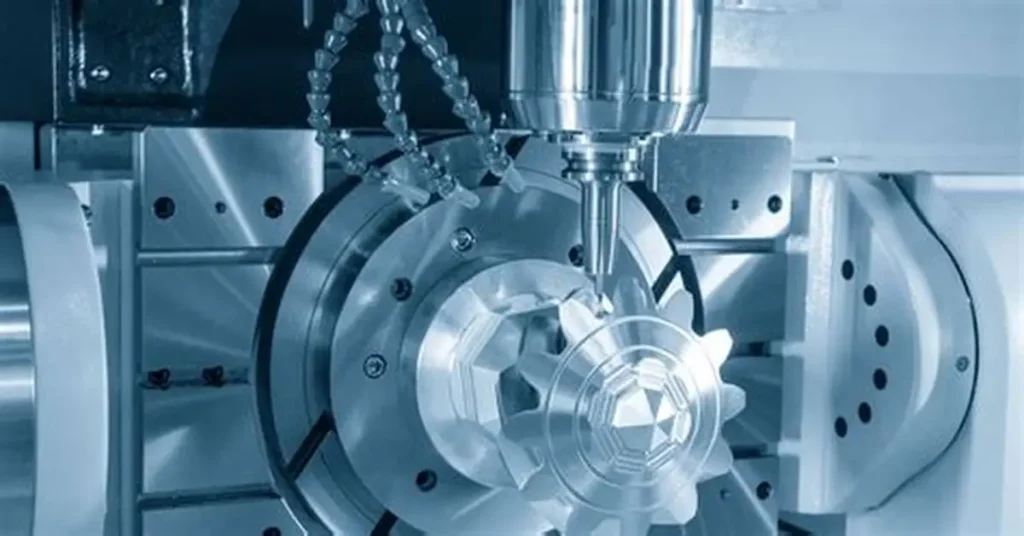
Tool condition has a direct impact on heat generation during magnesium machining. Sharp cutting edges reduce friction and allow the material to shear cleanly instead of rubbing.
In practice, carbide tools with positive rake angles are commonly used. A positive rake helps reduce cutting resistance and promotes clean chip formation. Relief angles are also important, as insufficient clearance can cause rubbing between tool and workpiece.
A stable cutting edge reduces built-up edge (BUE), which can otherwise lead to irregular cutting behavior and localized heat accumulation.
Why Heavy Feed Rates Are Safer Than Light Cuts
In magnesium machining, extremely light cuts can sometimes increase risk rather than reduce it. When the tool is not engaged properly with the material, it may rub instead of cutting. This rubbing action generates heat without producing efficient chip removal.
Heavier, controlled feed rates help maintain proper chip thickness. This allows the tool to cut cleanly and form stable chips rather than creating fine dust or excessive heat.
The key principle is stable chip formation rather than minimal material engagement.
Program for Large Chips Instead of Fine Dust
Chip size plays an important role in machining safety. Larger, well-formed chips are easier to control and remove, while fine chips and dust increase surface area and reactivity.
CNC programming strategies often focus on:
- Maintaining consistent chip load
- Avoiding shallow rubbing passes
- Ensuring chips break cleanly during cutting
- Preventing chip re-cutting within the cutting zone
Proper chip control reduces the likelihood of heat buildup and minimizes the formation of fine combustible particles.
Maintain Effective Chip Evacuation
Chip evacuation is one of the most important aspects of safe magnesium machining. If chips remain inside the cutting area, they may be re-cut by the tool, which increases friction and heat.
Modern CNC setups often use air blast systems or directed airflow to continuously remove chips from the cutting zone. In some cases, mechanical conveyors or enclosed evacuation systems are used to prevent chip accumulation inside the machine.
The goal is to ensure that chips are removed immediately after they are formed, rather than allowing them to build up.
Prevent Chip Accumulation During Production
Even if cutting conditions are stable, safety risks can increase if chips are allowed to accumulate over time. Magnesium chips should not remain inside the machine for extended periods, especially during long production runs.
Regular removal of chips helps prevent:
- Heat retention in chip piles
- Recutting of previously machined material
- Dust formation from fragmented chips
- Localized ignition risk in enclosed areas
Consistent cleaning routines are a standard part of magnesium machining operations in controlled manufacturing environments.
Dry Machining vs Coolant Machining for Magnesium
In magnesium CNC machining, coolant strategy is not only a matter of cutting performance, but also an important part of process safety. Different machining environments adopt different approaches depending on part geometry, production volume, and risk control philosophy.
Why Many Shops Prefer Dry Machining
Dry machining is widely used in magnesium processing, especially in high-speed CNC environments. One of the main reasons is that it eliminates the interaction between coolant and reactive metal surfaces.
Without coolant, chip formation is easier to observe and control. Chips are also more likely to be ejected cleanly from the cutting zone when combined with air blast systems.
Dry machining also simplifies machine cleaning and reduces the risk of contamination inside the chip evacuation system. In many production setups, this approach is preferred when chip control is well managed and cutting parameters are stable.
Risks of Water-Based Coolants
Water-based coolants are generally avoided in magnesium machining due to chemical reactivity concerns. When magnesium comes into contact with water, especially under heat, it can produce hydrogen gas.
This reaction introduces an additional safety consideration in enclosed machining environments. If hydrogen accumulates in confined spaces and encounters an ignition source, it may increase fire risk.
For this reason, coolant selection in magnesium machining must be carefully controlled, and water-based systems are typically not recommended in high-risk operations.
Mineral Oil and Non-Aqueous Coolants
In some machining applications, mineral oil-based or non-aqueous coolants are used as an alternative. These fluids provide lubrication while avoiding the water-related reaction risks.
Oil-based systems can help reduce tool wear and improve surface finish, especially in more complex machining operations. However, they still require proper chip management, as chips mixed with oil can retain heat if not removed efficiently.
The choice of coolant depends on balancing machining performance with safety and chip evacuation requirements.
When Air Blast Machining Is Preferred
Air blast systems are commonly used in magnesium CNC machining as a chip control method. High-pressure air helps remove chips directly from the cutting zone, preventing accumulation and reducing the chance of recutting.
This approach is especially useful in high-speed machining, thin-wall components, and applications where dry machining is preferred. By continuously clearing chips, air blast systems help maintain stable cutting conditions and reduce localized heat buildup.
How Magnesium Fires Are Controlled in CNC Shops
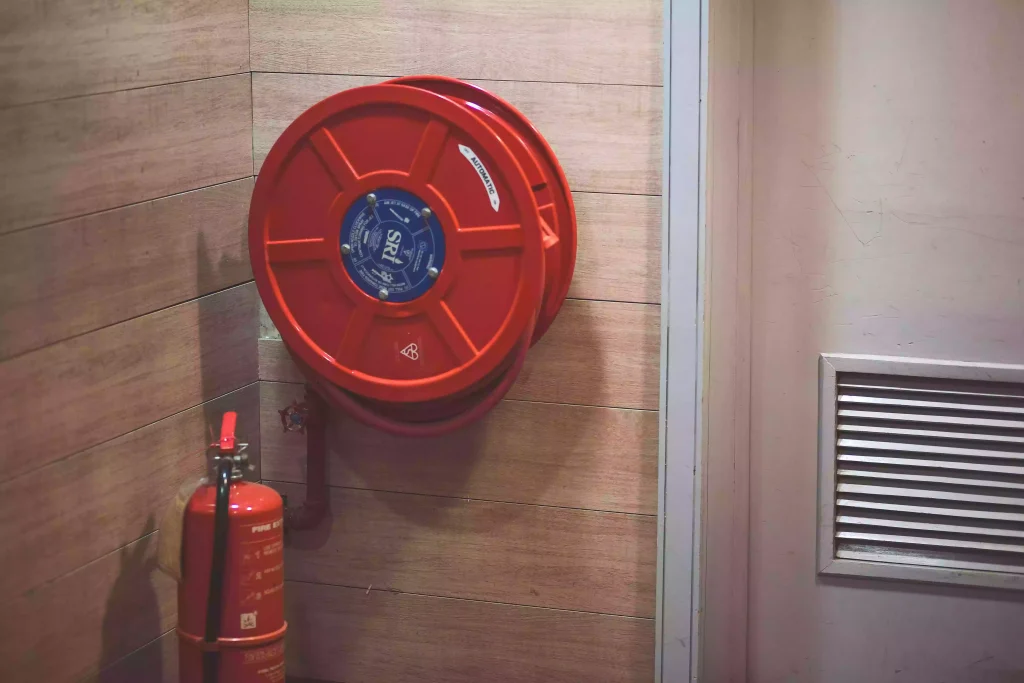
Fire control in magnesium machining is based on containment and oxygen isolation rather than cooling. Because magnesium behaves differently from common metals during combustion, standard fire suppression methods are not always effective.
Why Magnesium Requires Class D Fire Extinguishers
Magnesium is classified as a combustible metal, which requires specialized fire suppression methods. Class D extinguishers are designed specifically for metal fires and work by smothering the burning material and isolating it from oxygen.
Unlike standard extinguishers, they do not rely on water or carbon dioxide, which may be ineffective or unsafe in this type of fire.
Why Water and CO₂ Are Not Suitable
Water should not be used on burning magnesium due to chemical reaction risks. CO₂ extinguishers are also generally ineffective because they do not adequately isolate the burning metal from oxygen in high-temperature conditions.
In some cases, improper extinguishing methods can worsen the reaction instead of controlling it.
Common Fire Suppression Media
Magnesium machining environments typically use dry powder agents designed for combustible metals. These may include sodium chloride-based powders or other specialized Class D materials.
These agents work by forming a barrier between the metal and oxygen, which helps stop the combustion process.
Emergency Response in Magnesium Machining Environments
In the event of ignition, the priority is to isolate the area and prevent spread. Machine shutdown procedures, evacuation protocols, and the use of appropriate extinguishing agents are critical parts of safety planning.
Controlled environments rely heavily on prevention, meaning that proper chip control and dust management are the primary safety measures before any emergency response is needed.
Shop Housekeeping Standards for Magnesium Machining
Safe magnesium machining depends not only on cutting conditions, but also on how the workshop manages chips, dust, and overall cleanliness. In many cases, fire incidents are not caused during machining itself, but after machining—when waste material is improperly handled or left unmanaged.
NFPA 484 and Combustible Metal Safety Standards
Magnesium is classified as a combustible metal, and its handling in industrial environments is often guided by standards such as NFPA 484. These guidelines focus on controlling ignition sources, managing dust accumulation, and ensuring safe storage and disposal of reactive metal waste.
In practice, these standards emphasize prevention rather than response. The goal is to eliminate conditions where fine particles, heat, and oxygen can combine in an uncontrolled way.
Proper Magnesium Chip Storage
After machining, magnesium chips should be collected and stored in a controlled environment. Chips should never be left scattered around the machine or production area for long periods.
Common practices include:
- Using dry, sealed metal containers for chip collection
- Keeping magnesium chips separated from other metal scrap
- Avoiding contamination with cutting fluids or moisture
- Storing waste in a dedicated, non-humid area
Moisture control is particularly important because water can increase reactivity under certain conditions.
Dust Collection and Ventilation Requirements
Fine magnesium particles can accumulate over time if dust extraction is not properly designed. Effective ventilation systems help reduce airborne concentration and prevent dust from settling in hidden areas.
Key requirements in controlled environments include:
- Proper airflow design to prevent dust stagnation
- Use of grounded and conductive ducting systems
- Explosion-resistant dust collection equipment
- Regular inspection and cleaning of filters and ducts
The goal is to prevent dust from reaching a concentration where ignition becomes possible.
Explosion-Proof Electrical Systems
Because magnesium dust can be combustible, electrical systems in machining environments must be designed to minimize ignition risks. This includes the use of properly grounded equipment and, in some cases, explosion-proof components in high-risk zones.
Static discharge control is also an important consideration. Proper grounding of machines, vacuum systems, and dust extraction units helps reduce the likelihood of sparks in environments where fine particles may be present.
Common Mistakes That Increase Magnesium Machining Risks
Even in controlled environments, certain operational mistakes can significantly increase the risk of ignition or unsafe conditions. These issues are usually related to poor chip control, improper equipment use, or lack of housekeeping discipline.
Using Dull or Worn Cutting Tools
Worn tools increase friction during cutting. Instead of clean shearing, the tool may rub against the material, generating excessive heat. This condition also promotes the formation of fine chips rather than stable chip flow.
Creating Excessive Fine Dust During Machining
Fine particles are more reactive than larger chips. When machining parameters are not optimized, magnesium can break down into dust-like particles that are more difficult to control and more sensitive to ignition sources.
Allowing Chips to Accumulate Inside the Machine
Chip accumulation increases heat retention and creates conditions where chips may be re-cut by the tool. This leads to additional friction and raises the overall temperature inside the machining area.
Recutting Magnesium Chips
When chips are not removed efficiently, they can be cut multiple times. Each additional cut generates heat and can further break chips into finer, more reactive particles.
Using Standard Shop Vacuums
Conventional vacuum systems are not designed for combustible metal dust. Internal friction, static electricity, or improper filtration can create ignition risks when handling magnesium particles.
Improper Fire Extinguishing Methods
Using incorrect extinguishing agents, especially water or standard ABC extinguishers, can be ineffective or even hazardous in magnesium fire scenarios.
Poor Ventilation and Dust Management
Insufficient airflow allows fine particles to accumulate over time. Without proper extraction, dust can settle in machine corners, ducts, and surrounding work areas.
Leaving Chips Inside Machines Overnight
One of the most common operational mistakes is failing to clean machines after production. Residual chips left overnight may retain heat or absorb moisture, increasing risk during subsequent operations.
Is Magnesium CNC Machining Actually Safe?
Magnesium machining is often described as high-risk because of its flammability characteristics, but in real manufacturing environments it is routinely processed under controlled conditions. The actual safety level depends less on the material itself and more on how the machining process is designed and maintained.
Why Aerospace and Defense Shops Machine Magnesium Daily
Magnesium alloys are widely used in aerospace, defense, automotive, and electronics industries where weight reduction is critical. These industries do not avoid magnesium; instead, they machine it regularly under strict process controls.
In these environments, safety is achieved through engineered systems such as controlled chip evacuation, dedicated waste handling procedures, and proper fire suppression equipment. The material is not considered unmanageable—it is treated as a combustible metal that requires specific handling rules.
Engineering Controls Matter More Than Material Fear
Most risks associated with magnesium machining are not inherent to the bulk material, but come from process conditions such as heat buildup, fine chip generation, and dust accumulation.
When these factors are controlled, the machining process remains stable. Key engineering controls include:
- Proper cutting tool selection and geometry
- Stable cutting parameters that avoid rubbing
- Effective chip evacuation systems
- Controlled dust and particle management
- Dedicated cleaning and housekeeping procedures
In other words, safety is achieved through process design rather than material avoidance.
Modern CNC Practices Have Significantly Reduced Risk
Compared to older machining environments, modern CNC setups are significantly safer for processing magnesium. Improvements in tooling technology, machine enclosure design, and chip evacuation systems have reduced many of the historical risks.
Today, magnesium machining is typically performed in enclosed CNC machines with controlled airflow, monitored cutting conditions, and defined safety protocols. Fire risk still exists under poor conditions, but it is no longer considered unpredictable when proper systems are in place.
Frequently Asked Questions About CNC Machining Magnesium Safely
Can magnesium catch fire during CNC machining?
Yes, but ignition typically occurs under abnormal conditions such as excessive heat, fine dust accumulation, or improper chip management. Under controlled machining parameters, ignition risk is significantly reduced.
Why is magnesium dust more dangerous than solid magnesium?
Solid magnesium has low surface exposure to oxygen, while fine dust has a much higher surface-area-to-volume ratio. This increases its reactivity and makes it more sensitive to heat and ignition sources.
Is dry machining magnesium safe?
Dry machining is commonly used in magnesium processing when combined with proper chip evacuation and air blast systems. Safety depends on controlling heat and preventing chip buildup rather than coolant usage alone.
Can magnesium be machined safely in modern CNC shops?
Yes. In modern CNC environments, magnesium is routinely machined using controlled cutting parameters, proper chip evacuation systems, and dedicated safety procedures. The key factor is process control, not material avoidance.
Are magnesium chips flammable?
Large chips are less reactive, but fine chips and dust can be flammable under certain conditions, especially when heat, oxygen, and particle dispersion are present simultaneously.
Final Thoughts
Magnesium is a highly machinable lightweight metal, but it requires disciplined process control during CNC operations. Most safety risks are associated with heat buildup, fine particle generation, and improper chip handling rather than the solid material itself.
With appropriate tooling, stable cutting conditions, effective chip evacuation, and correct fire prevention systems, magnesium can be machined safely and efficiently in modern CNC manufacturing environments.