Magnesium CNC Machining Services
Engineered for extreme weight reduction and structural performance, our magnesium machining capabilities support aerospace, UAV, automotive, and advanced industrial applications requiring precision, stability, and controlled manufacturing processes. We machine AZ31, AZ91, and other magnesium alloys with advanced thermal control, chip management, and tight-tolerance process stability.
Custom Magnesium Parts in CNC Machining
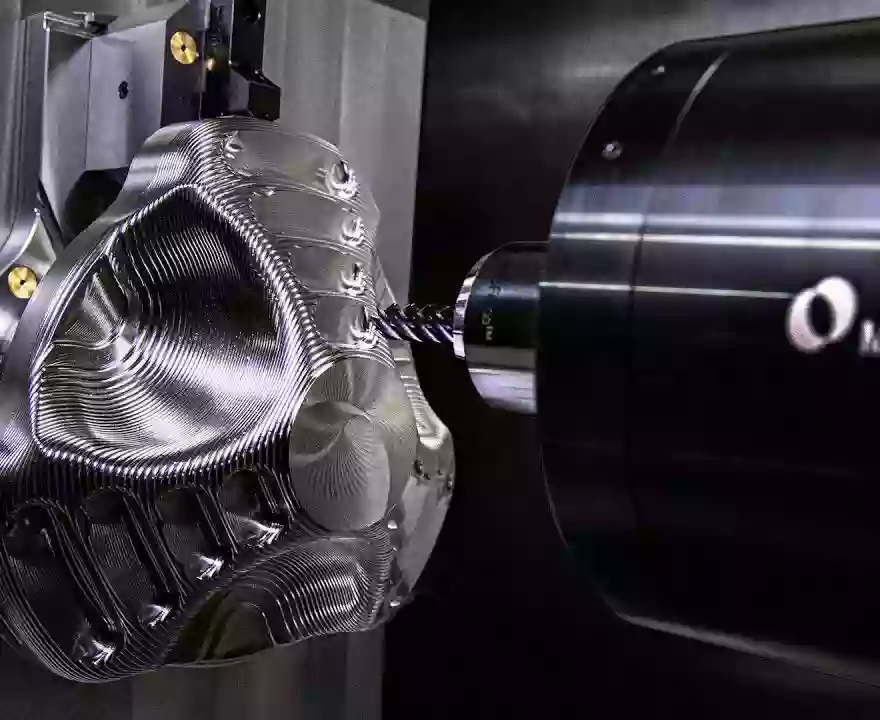
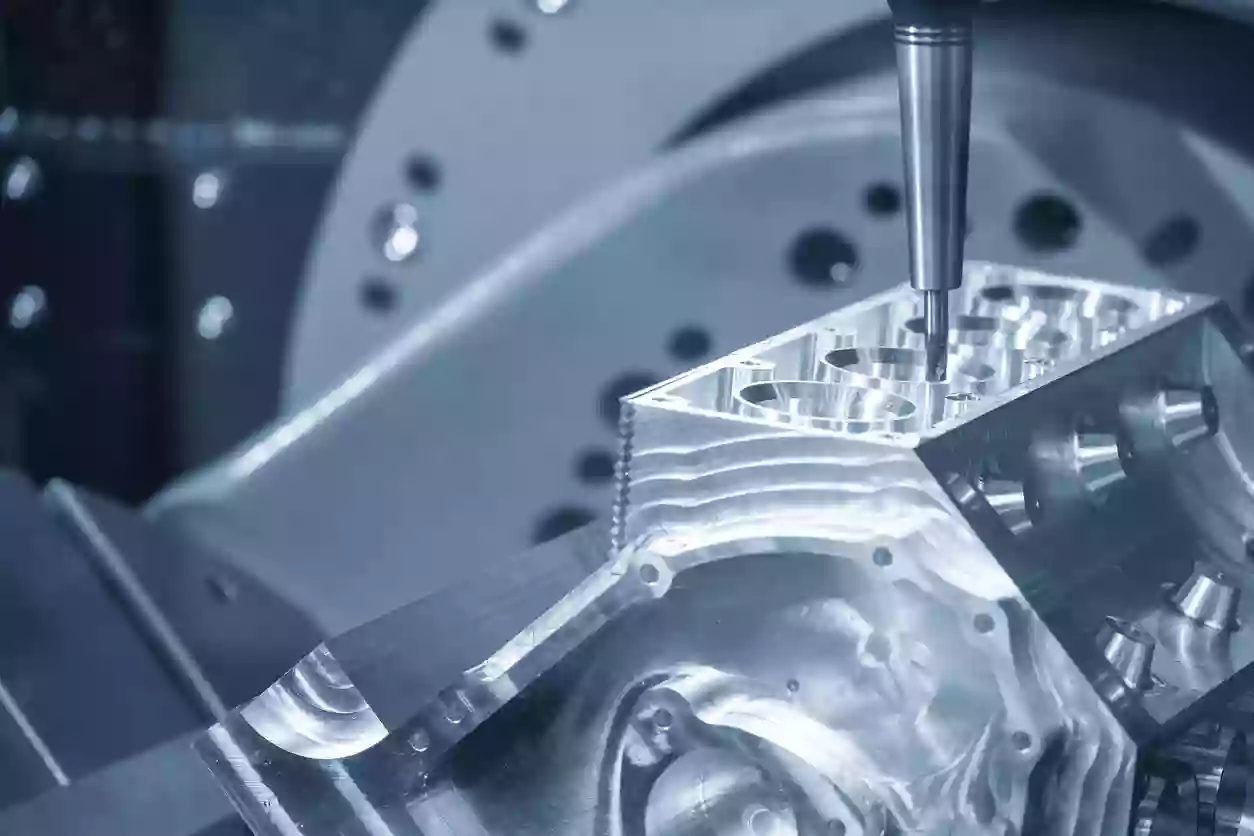
Magnesium is the ultimate lightweight structural metal, with a density of 1.74 g/cm³—33% lighter than aluminum. At XTPROTO, we leverage advanced 5-axis CNC machining centers to provide high-precision turning, milling, and boring for complex geometries. Our expertise covers key alloys like AZ31B, AZ61B, and AZ91D, ensuring high-strength components for aerospace, automotive, and robotics. From engine housings to aircraft parts, we deliver reliable, high-tolerance solutions complemented by professional finishes like anodizing, painting, and plating to meet your exact functional and aesthetic needs.
About Magnesium
Magnesium is recognized as the world’s lightest engineering metal. With a density of only 1.74 g/cm³, it is 33% lighter than aluminum and 75% lighter than steel. While incredibly light, magnesium remains tough and durable, providing the ultimate solution for precision components that require a superior strength-to-weight ratio.
Advantages of Magnesium
- Extreme Lightweight:Highest specific strength among common structural metals, drastically reducing overall product weight.
- Superior Damping:Absorbs vibrations 10x better than aluminum, protecting sensitive internal components.
- Thermal & EMI Shielding:Excellent heat dissipation and natural shielding against electromagnetic interference.
- Sustainable & Safe:Non-toxic, abundant in nature, 100% recyclable, and offers excellent biocompatibility.
Why Choose Magnesium for CNC Machining Projects?
- Unmatched Machinability:Requires 55% less power to machine than aluminum, enabling ultra-high spindle speeds.
- Fastest Production Cycles:Low cutting forces allow for aggressive feed rates, significantly reducing lead times.
- Mirror-Like Finishes:Achieves impeccable surface quality and dimensional stability with minimal effort.
- Extended Tool Life:Low resistance results in less tool wear, lowering overall manufacturing costs.
- Ultra-High Precision:Effortlessly maintains tight tolerances as low as ±0.005 mm (5 μm).
Types of Magnesium Alloys for CNC Machining
We process a diverse range of magnesium alloys, categorized by their alloying elements and specialized industrial functions.
| Magnesium Type | Key Characteristics | Common Applications |
| AZ Series (Mg-Al-Zn) | Excellent machinability, corrosion resistance, and versatile strength. | Aerospace panels, camera bodies, laptop frames. |
| ZK Series (Mg-Zn-Zr) | High-strength and wear resistance; ideal for load-bearing structures. | Aerospace gears, robotics, racing frames. |
| AM Series (Mg-Al-Mn) | Exceptional ductility and superior impact resistance. | Automotive crash zones, steering wheels, seat frames. |
| ZK60 / ZK61 | High toughness and outstanding dimensional stability. | Drones, defense equipment, high-speed rotors. |
| AE Series (AE42) | Specialized for high-temperature stability and creep resistance. | Engine blocks, transmission cases, heat shields. |
| Mg-Li Alloys | Extremely low density; the lightest known structural metal. | Satellite components, ultra-lightweight space hardware. |
| Mg-RE Alloys | Contains rare earth elements for extreme thermal stability. | Jet engine components, military structures. |
| Mg-Mn Alloys | Superior corrosion resistance in humid or chemical environments. | Chemical equipment, marine hardware. |
| Elektron 21 | High-performance aerospace grade with high creep resistance. | Advanced military aircraft, aerospace structural parts. |
Material Properties of Magnesium Alloys
| Material Type | Yield Strength (Tensile) | Hardness / Density |
| AZ31B (Mg-Al-Zn) | 29,000 PSI (205 MPa) | Brinell 49 / 1.77 g/cm³ |
| AZ91D (Mg-Al-Zn) | 22,000 PSI (160 MPa) | Brinell 63 / 1.81 g/cm³ |
| AZ61B (Mg-Al-Zn) | 33,000 PSI (230 MPa) | Brinell 60 / 1.80 g/cm³ |
| ZK60 / ZK61 | 40,000 PSI (285 MPa) | Brinell 75 / 1.83 g/cm³ |
| AM60 / AM50 | 18,800 PSI (130 MPa) | Brinell 60 / 1.80 g/cm³ |
| AE42 (AE Series) | 23,000 PSI (159 MPa) | Brinell 60 / 1.82 g/cm³ |
| Mg-Li Alloys | 15,000-20,000 PSI | Brinell 45 / 1.35 g/cm³ |
| Mg-Mn Alloys | 20,000 PSI (138 MPa) | Brinell 50 / 1.76 g/cm³ |
| Elektron 21 | 25,000 PSI (172 MPa) | Brinell 65 / 1.82 g/cm³ |
Strict Safety Control & Risk Management
Magnesium machining demands absolute safety due to its high reactivity. We implement a comprehensive safety system and mature processing methods to protect our personnel and ensure uninterrupted production for your projects.
Lightweighting & Structural Optimization
Beyond manufacturing, we provide engineering insights to maximize magnesium’s unique benefits, helping you achieve the perfect balance of performance and weight.
- Superior Damping Solutions:Leveraging magnesium’s 10x higher damping capacity compared to aluminum, we optimize designs for electronic enclosures and aerospace brackets to maximize vibration absorption.
- Extreme Thin-Wall Machining:We demonstrate our CNC mastery by achieving ultra-thin wall sections as low as 5mm without compromising structural integrity—ideal for drones and satellite components.
Engineering & Technical Support
We bridge the gap between complex design and flawless production. Our engineering team provides deep technical expertise in magnesium metallurgy to help you optimize performance while reducing manufacturing costs.
Design for Manufacturing (DFM) Optimization
We review every design before production to improve manufacturability and reduce unnecessary cost. Key focus areas include geometry refinement, tool accessibility, wall thickness optimization, and feature consolidation for efficient CNC machining of magnesium parts.
Lightweight Structural Optimization
Magnesium is widely used for its superior strength-to-weight ratio. We support material conversion from aluminum or zinc alloys to magnesium, optimizing structures to achieve maximum weight reduction while maintaining mechanical stability, including thin-wall designs down to 0.5 mm where applicable.
Vibration & Thermal Performance Guidance
Leveraging magnesium’s high damping capacity and thermal conductivity, we help optimize part structures for improved vibration control and heat dissipation. This is especially critical for electronics housings, aerospace components, and high-speed mechanical assemblies.
From Prototype to Production Support
We ensure a smooth transition from prototyping to mass production through optimized machining strategies, fixture design, and process validation. This approach improves consistency, reduces lead time, and stabilizes large-scale manufacturing.
Our Dedicated Magnesium Machining Facility
At XTPROTO, our facility is more than just a machine shop; it is a custom-engineered production environment built specifically for the unique demands of magnesium alloys.
High-Capacity Machine Fleet
We operate a robust fleet of over 200+ high-speed CNC centers, including 5-axis simultaneous machines and precision Swiss lathes. Our shop floor is optimized for high-volume output, ensuring that your projects move from raw material to finished part with maximum efficiency and zero bottlenecks.
Magnesium-Specific Infrastructure
Every machine in our dedicated magnesium zone is physically upgraded to handle the material’s specific characteristics:
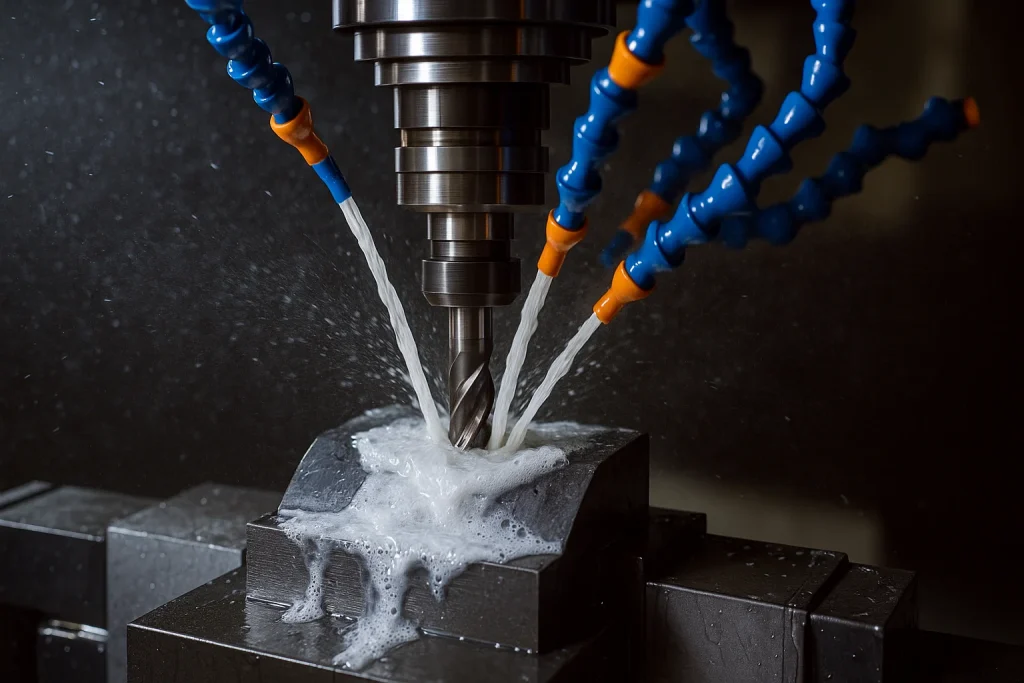
- Integrated Oil-Mist Cooling:Non-reactive, high-pressure systems built into each machine to stabilize temperatures during high-speed cutting.
- Physical Protection:Fire-resistant machine enclosures and specialized chip-evacuation conveyors that prevent material buildup at the source.
- Air & Dust Management:Advanced filtration units and centrifugal chip separators that maintain a clean, particle-free workspace.
Professional Shop-Floor Culture
Our factory operates on a foundation of technical expertise. From alloy-specific cutting parameters programmed by our engineers to the specialized training every operator undergoes, our facility is designed for stable, repeatable, and precise manufacturing at scale.
Uncompromising Quality Assurance
Advanced Inspection & Metrology
Our quality lab is equipped with high-precision measurement systems to ensure tight tolerance control and geometric accuracy, including:
- Coordinate Measuring Machines (CMM) for GD&T verification
- Optical measurement systems for thin-wall and complex geometries
- Surface profilometers to control critical surface roughness requirements
Material Traceability & Integrity
We ensure full traceability of all magnesium materials, including AZ31B, AZ61B, and AZ91D. Each batch is verified with mill test reports (MTRs) to guarantee alloy compliance and consistency.
For long production runs, tool wear is continuously monitored to maintain dimensional stability and prevent process deviation.
In-Process Quality Control
Quality is controlled throughout the entire manufacturing process, not just at the final stage:
- First Article Inspection (FAI) before mass production
- Real-time process monitoring (SPC) for stability control
- Final inspection with detailed dimensional reports before shipment
Quality Standards
Our manufacturing system is operated under ISO 9001 quality management principles, with inspection performed in a controlled environment to ensure measurement accuracy and repeatability.
Our On-Demand Magnesium Processing Capacity
CNC Machining
Swiss Machining
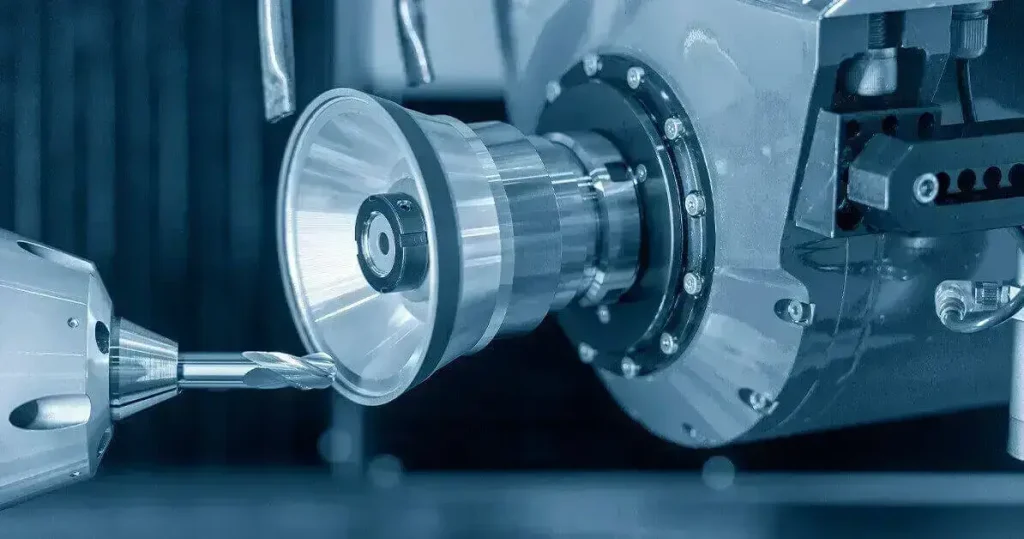
CNC Milling (3, 4 & 5-Axis)
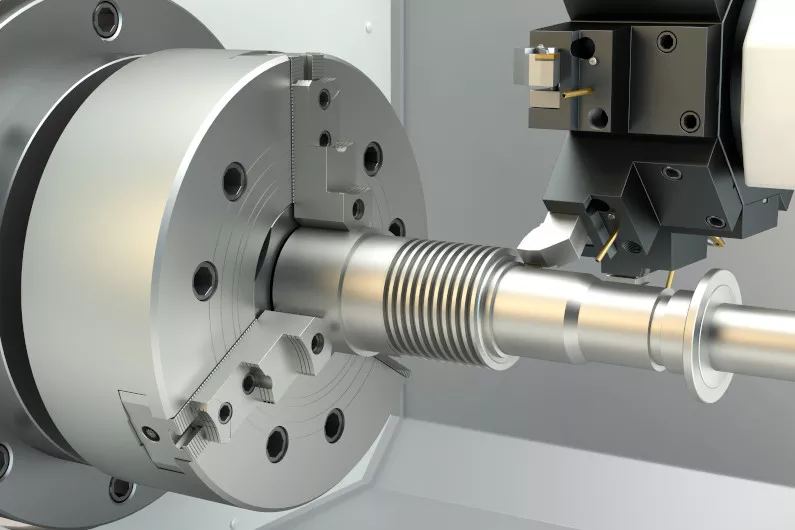
CNC Turning
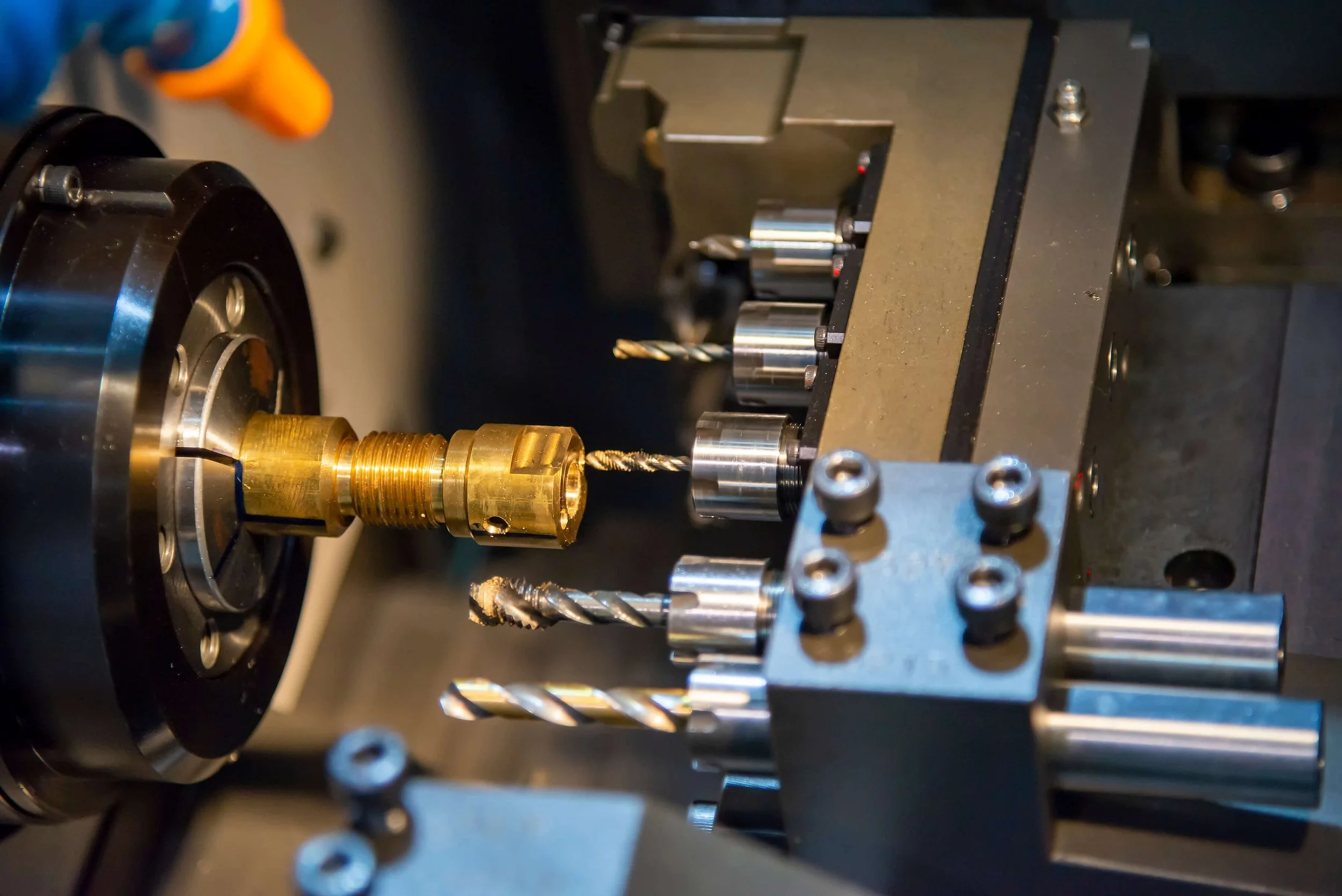
Drilling and Tapping
Gear Cutting and Broaching
Magnesium CNC Machined Parts
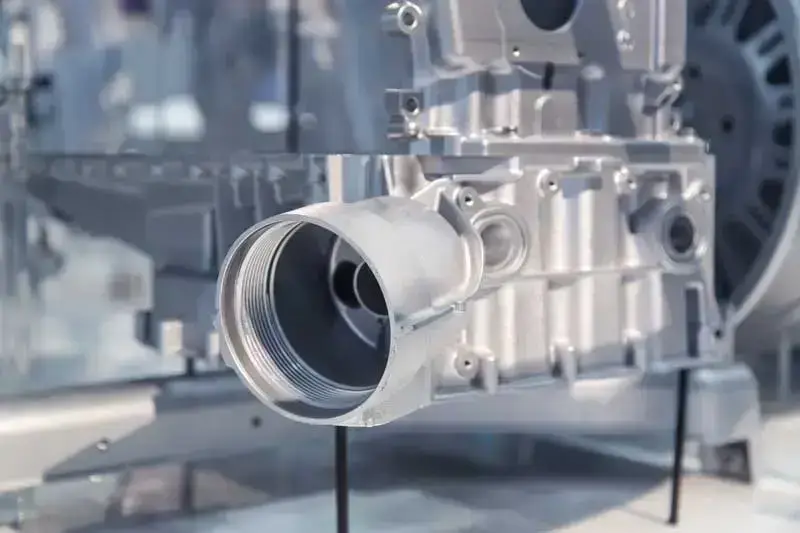
- Magnesium Gearbox Housings
- Magnesium Electronic Enclosures
- Magnesium Heat Sink Components
- Magnesium Instrument Casings
- Magnesium Camera Frames
- Magnesium UAV Structural Parts
- Magnesium Automotive Covers
- Magnesium Robotics Components
- Magnesium Lightweight Brackets
- Magnesium Battery Housings
- Magnesium Thin-Wall Covers
- Custom Magnesium CNC Parts
Surface Finishing Options for Magnesium CNC Machining
Magnesium parts require proper surface treatment to improve corrosion resistance, durability, and appearance. Below are the finishing options we provide for CNC machined magnesium components.
Magnesium Machining Technical Specifications
To ensure your design is optimized for magnesium’s unique properties, we provide the following technical guidelines. These parameters represent our standard capabilities, though tighter requirements can often be met through custom engineering.
Feature | Specification | Notes |
Standard Tolerance | ±0.13 mm (0.005″) | Achievable for most magnesium alloys under standard conditions. |
Precision Tolerance | Up to ±0.005 mm | Available for critical features upon request (requires controlled environment). |
Minimum Wall Thickness | 0.80 mm (0.03″) | Depending on the wall-to-planar dimension ratio. |
Maximum Part Size | 200 x 80 x 100 cm | Large-scale capacity for aerospace housings and structural frames. |
Minimum Lead Time | 1 Business Days | Typical for rapid prototyping; extends for complex geometries. |
Price Point | $$$ (Premium) | Reflects specialized safety protocols and material handling requirements. |
Design Recommendations for Magnesium CNC Machining
To ensure manufacturability, cost efficiency, and stable machining performance, the following design guidelines should be considered when developing magnesium CNC machined parts.
Cost Optimization
- Minimize setups to reduce machining time
- Avoid unnecessary tight tolerances
- Reduce deep cavities and sharp internal features
- Standardize feature sizes to simplify tooling
- Select appropriate alloy grade based on function, not over-specification
Geometry Guidelines
- Drilling depth should not exceed 12× tool diameter
- Milling depth should not exceed 10× tool diameter
- Standard undercuts (square, radius, dovetail) are supported
Key Limits
- Minimum wall thickness: 5 mm (0.02 in)
- Minimum drill size: 5 mm (0.02 in)
- Minimum end mill size: 8 mm (0.03 in)
- Maximum part size: 1200 × 500 × 152 mm (milling)/ 152 × 394 mm (turning)
Why Choose XTPROTO for Magnesium CNC Machining
Many buyers switch to us because we systematically solve the most common magnesium machining headaches: dimensional instability, surface corrosion, ignition risks, and thin-wall deformation.
Applications of CNC Machined Magnesium Parts
Aerospace
Automotive
Electronics
Medical
Industrial Manufacturing
Defense
FAQ
How do you prevent magnesium parts from corroding during shipping and storage?
Can you machine thin-walled magnesium parts without deformation?
How do you ensure magnesium material quality and grade compliance?
Is magnesium CNC machining more expensive than aluminum?
What surface finish can you achieve on magnesium parts?
How do you manage safety risks during magnesium machining?
Experience Zero-Risk Magnesium Manufacturing
Don’t let the complexities of magnesium slow down your innovation. From 5-axis precision to specialized corrosion protection, we manage the risks so you can focus on the performance.