
Best Aluminum Alloy for CNC Machining: 6061 vs 7075 vs 2024 Aluminum Explained
Aluminum is one of the most widely used materials in CNC machining due to its excellent machinability, lightweight properties, corrosion resistance, and high strength-to-weight ratio. From aerospace components and automotive parts to electronic housings and industrial fixtures, aluminum alloys provide an ideal balance of performance, manufacturing efficiency, and cost-effectiveness.
However, not all aluminum alloys perform the same during CNC machining. Different grades offer significant differences in mechanical strength, machinability, corrosion resistance, surface finish capability, and overall cost. Choosing the right aluminum alloy can directly affect part durability, machining efficiency, dimensional stability, and final product performance.
Among the many aluminum grades available, 6061 aluminum, 7075 aluminum, and 2024 aluminum are three of the most commonly selected materials for precision CNC machined parts. 6061 aluminum is known for its excellent machinability and versatility, 7075 aluminum provides exceptional strength for demanding applications, while 2024 aluminum offers outstanding fatigue resistance for aerospace and high-stress components.
This guide compares 6061 vs 7075 vs 2024 aluminum for CNC machining, covering their properties, advantages, limitations, machining considerations, and typical applications. Understanding the differences between these aluminum alloys will help engineers and manufacturers select the most suitable material for their CNC machined parts.
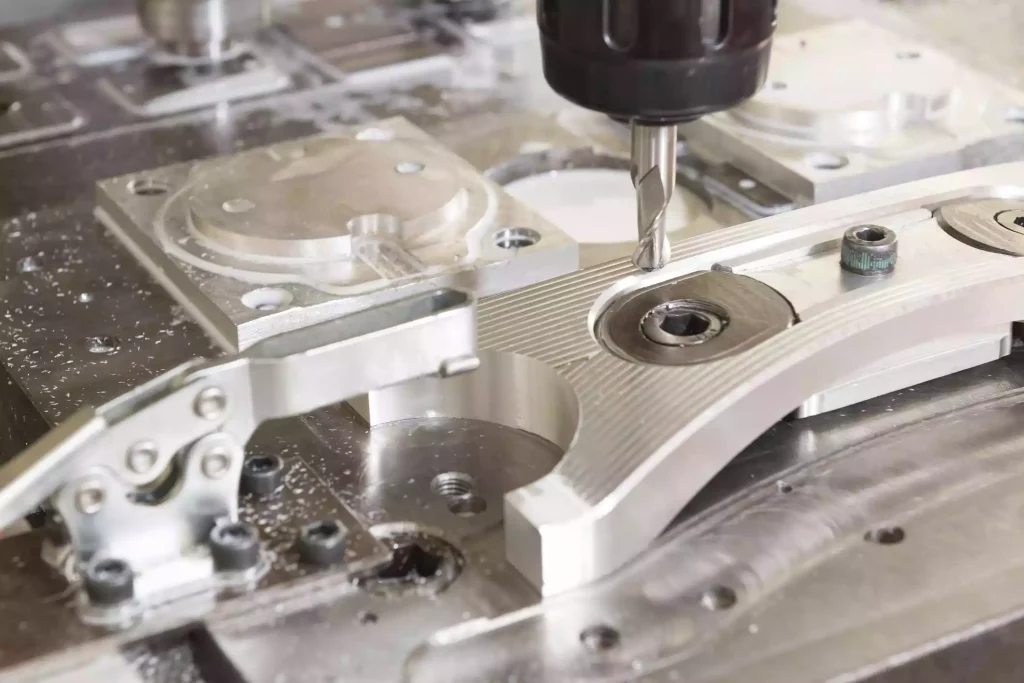
Why Aluminum Is an Ideal Material for CNC Machining
When selecting materials for CNC machining, engineers often choose aluminum because it provides an excellent combination of performance, manufacturability, and cost efficiency. Compared with heavier metals such as steel and titanium, aluminum offers a lightweight solution while maintaining reliable mechanical properties, making it suitable for a wide range of precision components.
The versatility of aluminum alloys allows them to meet different manufacturing requirements, from rapid prototyping and low-volume production to large-scale CNC machining. Its machining performance, strength-to-weight ratio, corrosion resistance, and finishing flexibility make aluminum one of the most commonly used materials in precision manufacturing.
Excellent Machinability
One of the key advantages of aluminum for CNC machining is its excellent cutting performance. Compared with harder metals, aluminum requires lower cutting forces, allowing CNC machines to achieve higher speeds and more efficient material removal.
This machining advantage helps manufacturers:
- Increase production efficiency
- Reduce tool wear
- Shorten machining cycles
- Lower overall manufacturing costs
Due to its good machinability, aluminum is widely used for complex milled parts, precision components, and prototypes that require fast turnaround times.
High Strength-to-Weight Ratio
Aluminum provides an outstanding balance between lightweight characteristics and mechanical strength. With a density significantly lower than steel, aluminum components can reduce overall weight while maintaining sufficient structural performance.
Some high-strength aluminum alloys, such as 7075-T6 aluminum, offer mechanical properties suitable for demanding applications where both strength and weight reduction are important.
This makes aluminum a preferred material for industries including:
- Aerospace
- Automotive
- Robotics
- Defense
- UAV and drone manufacturing
Natural Corrosion Resistance
Aluminum has natural corrosion protection due to the formation of a thin oxide layer on its surface when exposed to air. This passive layer helps protect the material from environmental factors and improves long-term durability.
For applications requiring enhanced protection, CNC machined aluminum parts can also undergo additional surface treatments, including anodizing, chemical conversion coating, and other finishing processes.
Excellent Surface Finish Capability
Aluminum alloys are highly suitable for producing CNC machined parts with smooth surfaces and consistent appearance. With proper machining parameters, aluminum components can achieve high-quality finishes directly after CNC milling or turning.
In addition, aluminum supports various post-processing options to improve appearance, wear resistance, and surface protection, such as:
- Type II anodizing
- Type III hard anodizing
- Bead blasting
- Powder coating
These finishing options make aluminum suitable for both functional components and visually demanding parts.
6061 vs 7075 vs 2024 Aluminum: Quick Comparison for CNC Machining
| Property | 6061-T6 Aluminum | 7075-T6 Aluminum | 2024-T3 Aluminum |
| Tensile Strength | ~45 ksi | ~83 ksi | ~68–70 ksi |
| Yield Strength | ~40 ksi | ~73 ksi | ~47–50 ksi |
| Machinability | Excellent | Very Good | Good |
| Corrosion Resistance | Excellent | Moderate; coating recommended | Fair; protective coating usually required |
| Weldability | Excellent | Poor | Poor |
| Fatigue Resistance | Good | Excellent | Excellent |
| Brinell Hardness | ~95 HB | ~150 HB | ~120 HB |
| Anodizing Performance | Excellent; consistent finish | Good; color variation may occur | Good; often requires additional protection |
| Typical Applications | Brackets, housings, prototypes, structural components | Aerospace parts, military components, high-load machined parts | Aircraft structures, wing components, fatigue-critical parts |
| Relative Cost | Low | High | Medium |
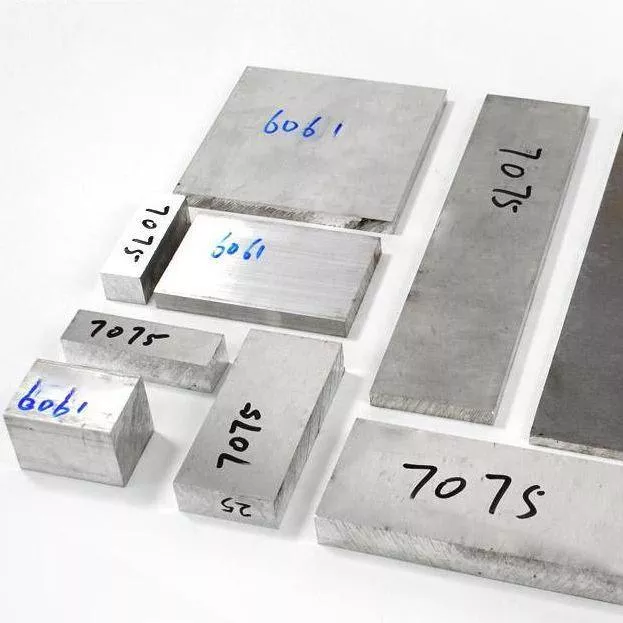
6061 Aluminum for CNC Machining: The Most Versatile Choice
6061-T6 aluminum is one of the most commonly used aluminum alloys for CNC machining due to its excellent balance of strength, machinability, corrosion resistance, and cost. As a versatile 6000-series aluminum alloy, it is widely selected for prototypes, general engineering components, and precision machined parts across various industries.
Key Advantages of 6061 Aluminum
- Excellent Machinability
6061 aluminum is easy to cut, drill, mill, and turn, making it suitable for complex CNC machining operations while maintaining good dimensional accuracy and surface quality. - Good Strength and Lightweight Performance
Although not as strong as 7075 aluminum, 6061-T6 provides sufficient mechanical strength for many industrial applications while maintaining a lightweight structure. - Superior Corrosion Resistance
The alloy offers excellent resistance to environmental corrosion, making it suitable for outdoor equipment, marine components, and general industrial applications. - Excellent Weldability
Compared with high-strength aluminum alloys such as 7075 and 2024, 6061 aluminum provides better weldability, offering more flexibility for assemblies requiring welding processes.
Limitations of 6061 Aluminum
While 6061 aluminum is a highly versatile CNC machining material, it has lower strength and hardness compared with 7075 aluminum. For applications requiring maximum load capacity, extreme stress resistance, or high-performance structural strength, other aluminum alloys may be more suitable.
Common Applications of 6061 CNC Machined Parts
6061 aluminum is widely used for:
- CNC machined housings and enclosures
- Brackets and mounting components
- Industrial fixtures
- Automotive parts
- Robotics components
- Electronic equipment components
- Prototypes and low-volume production parts
Due to its balanced performance, availability, and cost-effectiveness, 6061 aluminum remains one of the best choices for general-purpose CNC machining applications.
7075 Aluminum for CNC Machining: High Strength Performance
7075-T6 aluminum is a high-strength aluminum alloy widely used for CNC machining applications where mechanical performance and weight reduction are critical. As a 7000-series aluminum alloy with zinc as the primary alloying element, 7075 provides significantly higher strength than 6061 aluminum, making it suitable for demanding industries such as aerospace, defense, and high-performance engineering.
Key Advantages of 7075 Aluminum
- Exceptional Strength
7075-T6 aluminum offers one of the highest strength levels among commonly machined aluminum alloys. Its excellent tensile strength and hardness make it suitable for parts exposed to heavy loads, high stress, and demanding operating conditions. - Excellent Strength-to-Weight Ratio
Despite its high mechanical strength, 7075 aluminum maintains a lightweight structure, making it ideal for applications where reducing component weight without sacrificing performance is important. - Good Machinability
Although harder than 6061 aluminum, 7075 can still be efficiently processed through CNC milling and turning operations, allowing manufacturers to produce precision components with complex geometries. - High Fatigue Resistance
7075 aluminum performs well under repeated loading conditions, making it suitable for structural components that require long-term durability.
Limitations of 7075 Aluminum
Compared with 6061 aluminum, 7075 has lower corrosion resistance and poor weldability. Additional surface protection, such as anodizing or coating, may be required for applications exposed to harsh environments. In addition, its higher material cost makes it less economical for general-purpose CNC parts.
Common Applications of 7075 CNC Machined Parts
7075 aluminum is commonly used for:
- Aerospace components
- Defense and military hardware
- Aircraft structural parts
- High-performance automotive components
- Racing parts
- High-load mechanical components
- Precision tooling and fixtures
Due to its outstanding strength and lightweight properties, 7075 aluminum is an excellent choice for CNC machined parts that require maximum mechanical performance and structural reliability.
2024 Aluminum for CNC Machining: Excellent Fatigue Resistance
2024-T3 aluminum is a high-strength aluminum alloy primarily used in CNC machining applications where fatigue resistance and structural reliability are critical. As a copper-based 2000-series aluminum alloy, 2024 provides excellent strength performance and performs well under repeated loading conditions, making it a popular choice for aerospace and high-stress components.
Key Advantages of 2024 Aluminum
- Excellent Fatigue Resistance
One of the main advantages of 2024 aluminum is its ability to withstand repeated stress cycles. This makes it suitable for components exposed to continuous vibration, loading changes, or long-term mechanical stress. - High Strength Performance
2024 aluminum offers higher strength than many general-purpose aluminum alloys, providing reliable mechanical performance for structural applications. - Good Machinability
Although not as easy to machine as 6061 aluminum, 2024 can still be effectively processed through CNC milling and turning to produce accurate and complex components.
Limitations of 2024 Aluminum
The main limitation of 2024 aluminum is its relatively lower corrosion resistance compared with 6061 aluminum. Due to its copper content, the material often requires additional protection, such as anodizing, cladding, or protective coatings, especially in corrosive environments.
Additionally, 2024 aluminum has poor weldability, making it less suitable for applications that require welding operations.
Common Applications of 2024 CNC Machined Parts
2024 aluminum is commonly used for:
- Aircraft structural components
- Aerospace fittings
- Wing and fuselage parts
- High-fatigue mechanical components
- Transportation components
- Precision engineering parts
With its combination of high strength and excellent fatigue resistance, 2024 aluminum is an ideal choice for CNC machined parts that require long-term durability under repeated loading conditions.
How to Select the Right Aluminum Alloy for CNC Machining
Choosing the right aluminum alloy is an important step in CNC machining because material selection directly affects part performance, machining efficiency, production cost, and long-term reliability. Although aluminum alloys share many advantages, different grades offer significant differences in strength, machinability, corrosion resistance, fatigue performance, and surface finishing capability.
Selecting a high-strength alloy is not always the best solution. For example, using 7075 aluminum for a part that only requires the general performance of 6061 aluminum may increase material costs and machining difficulty without providing additional functional benefits. The ideal aluminum alloy should match the actual requirements of the application, including load conditions, environmental exposure, precision requirements, and budget considerations.
6061 Aluminum: The Best Balance of Machinability and Performance
- T6 aluminum is one of the most widely used aluminum alloys for CNC machining due to its balanced combination of strength, corrosion resistance, machinability, and weldability. As a magnesium-silicon alloy, 6061 provides reliable mechanical performance while remaining easy to process during milling, turning, and other CNC operations.
Its excellent machinability allows manufacturers to achieve smooth surface finishes and stable dimensions, while its compatibility with anodizing, painting, and powder coating makes it suitable for both functional and appearance-focused components.
6061 aluminum is commonly used for CNC machined brackets, housings, fixtures, prototypes, transportation components, and industrial parts. However, compared with higher-strength alloys such as 7075 and 2024, 6061 has lower strength and fatigue resistance, making it less suitable for extreme load or aerospace-critical applications.
7075 Aluminum: High Strength for Demanding Applications
7075-T6 aluminum is a high-strength zinc-based alloy designed for applications where mechanical performance and weight reduction are critical. It provides one of the highest strength-to-weight ratios among commonly available aluminum alloys, making it a preferred material for aerospace, defense, and high-performance engineering applications.
7075 aluminum is commonly selected for CNC machined aerospace components, high-load brackets, precision mechanical parts, military hardware, gears, shafts, and structural components that require exceptional strength.
Compared with 6061 aluminum, 7075 offers significantly higher strength but comes with higher material costs, lower corrosion resistance, and limited weldability. Therefore, it is typically used when the performance requirements justify the additional cost.
2024 Aluminum: Excellent Fatigue Resistance for Repeated Loading
2024-T3 aluminum is widely recognized for its excellent fatigue resistance and high-strength performance. As a copper-based aluminum alloy, 2024 maintains reliable mechanical properties under repeated stress, vibration, and cyclic loading conditions.
This makes it particularly suitable for aerospace structures, aircraft components, wing structures, fittings, and other applications where fatigue life is a critical design factor.
The main limitation of 2024 aluminum is its lower corrosion resistance compared with 6061 aluminum. For environments exposed to moisture or corrosive conditions, additional protection such as coatings, cladding, or controlled operating conditions may be required.
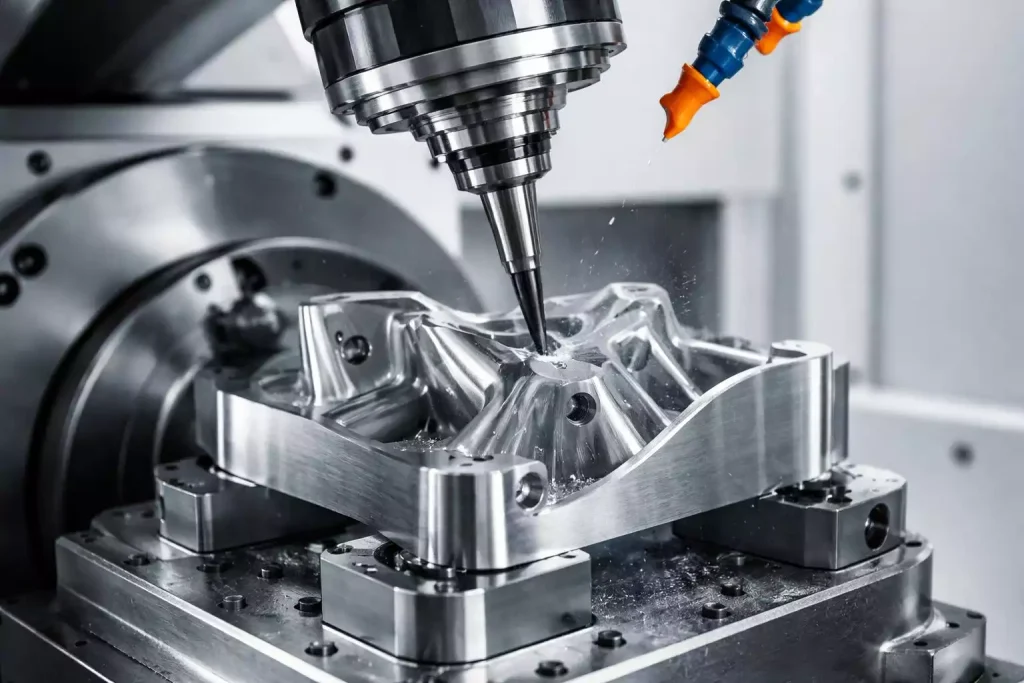
CNC Machining Considerations for Different Aluminum Alloys
Although aluminum alloys are generally considered easy-to-machine materials, different grades require different machining strategies to achieve optimal part quality, dimensional accuracy, and surface finish. Factors such as alloy hardness, cutting parameters, tool selection, heat generation, and part geometry can significantly affect the final machining results.
Understanding the machining characteristics of different aluminum alloys helps manufacturers optimize CNC processes while maintaining efficiency and consistency.
Machining Parameters and Tool Selection
The hardness and mechanical properties of aluminum alloys directly influence cutting performance. Softer alloys such as 6061 aluminum typically allow higher cutting speeds and efficient material removal, while harder alloys such as 7075 aluminum may require optimized cutting parameters to control tool wear and maintain surface quality.
Using suitable carbide cutting tools, proper feeds and speeds, and effective chip evacuation methods helps prevent issues such as built-up edges, poor surface finishes, and excessive tool wear during aluminum CNC machining.
Dimensional Stability During CNC Machining
Aluminum has excellent machinability, but its high thermal conductivity and relatively low stiffness can create challenges when machining thin walls, large surfaces, or precision components. Heat generated during cutting can cause thermal expansion, while improper fixturing may lead to part deformation.
To maintain dimensional accuracy, CNC manufacturers typically optimize machining sequences, control cutting forces, use proper workholding methods, and perform in-process inspections when producing precision aluminum parts.
Surface Finishing Options for Aluminum CNC Parts
One of the major advantages of aluminum CNC machining is its compatibility with various surface finishing processes. Different finishes can improve corrosion resistance, wear performance, appearance, and overall part durability.
Common aluminum finishing options include:
- Type II anodizing: Improves corrosion resistance and provides decorative color options.
- Type III hard anodizing: Creates a thicker oxide layer for enhanced wear resistance.
- Bead blasting: Produces a uniform matte surface appearance.
- Chemical conversion coating: Provides corrosion protection while maintaining electrical conductivity.
Selecting the right surface treatment depends on the application requirements, environmental conditions, and desired appearance of the final CNC machined aluminum part.
Machining Complex Aluminum Parts
Aluminum alloys are widely used for complex CNC components due to their excellent machinability and lightweight characteristics. Multi-axis CNC machining enables manufacturers to produce parts with intricate geometries, tight tolerances, and reduced setups.
For applications involving thin walls, deep cavities, or complex contours, proper tool paths and machining strategies are essential to minimize deformation and achieve consistent quality.
Aluminum CNC Machining Services at Xtproto
Selecting the right aluminum alloy is only the first step in producing high-quality CNC aluminum machined parts. Consistent part performance also depends on advanced machining capabilities, optimized manufacturing processes, and strict quality control throughout production. Xtproto provides precision aluminum CNC machining services for a wide range of applications, supporting commonly used aluminum alloys including 6061, 7075, and 2024 aluminum. With advanced 3-axis, 4-axis, and 5-axis aluminum CNC machining capabilities, Xtproto manufactures aluminum components ranging from rapid prototypes to low-volume and production parts with complex geometries and tight dimensional requirements.
By combining optimized machining strategies with professional inspection processes, Xtproto delivers aluminum CNC machined parts with reliable accuracy, excellent surface quality, and consistent performance. Our capabilities include precision aluminum milling and turning, tight dimensional control down to ±0.01 mm with precision capability up to ±0.005 mm, as well as surface finishing options such as anodizing, bead blasting, and chemical conversion coating. From aerospace components and lightweight structural parts to industrial housings and precision mechanical assemblies, Xtproto helps engineers select suitable aluminum alloys and manufacture reliable CNC parts based on specific application requirements.
With extensive material knowledge, advanced CNC equipment, and comprehensive quality management, Xtproto provides efficient and dependable aluminum CNC machining solutions for demanding engineering projects.
Conclusion
Choosing the right aluminum alloy is essential for achieving the desired performance, efficiency, and cost-effectiveness of CNC machined parts. 6061 aluminum, 7075 aluminum, and 2024 aluminum each offer unique advantages for different applications, and the best choice depends on specific project requirements.
With professional aluminum CNC machining capabilities and material expertise, Xtproto helps customers select suitable aluminum alloys and produce high-quality CNC machined parts for various industries.