
Polyethylene (PE)CNC Machining Services

From food-grade safe components to high-performance medical inserts, our dedicated, pollution-free production facilities ensure that your polyethylene (PE) parts meet stringent regulatory standards while maintaining precision. We focus on managing the unique stability of our entire PE material range, providing pure materials, expert processing techniques, and 100% traceability.

Best Practices in pe CNC Machining 1

Your Full-Service Partner for Custom PE Parts

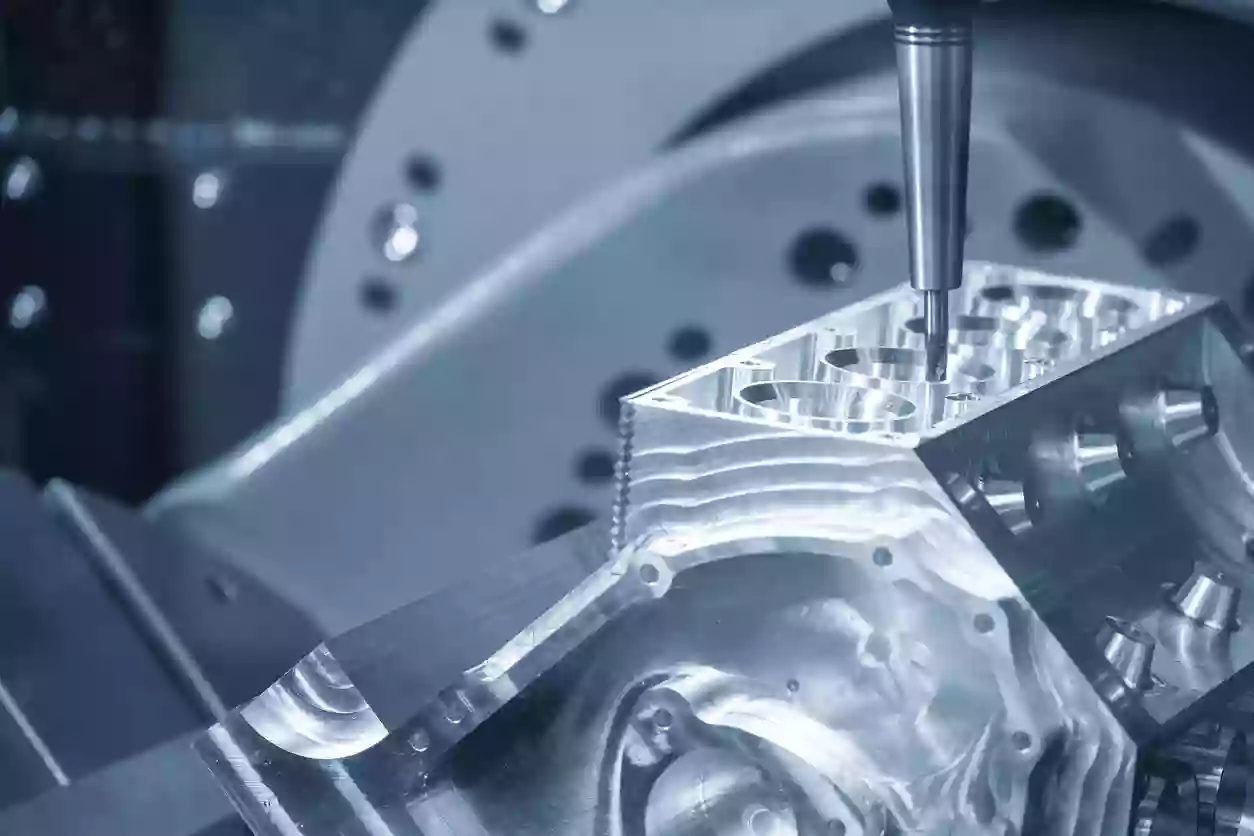
As a trusted CNC machining partner, we provide a seamless print-to-part solution for all your polyethylene (PE) components. Simply upload your CAD files, and our engineering team will take care of everything—from DFM analysis and stress-relief treatment to high-precision machining.

With deep expertise in handling PE’s unique material behavior, we ensure optimal stability, tight tolerances, and consistent quality. Every part is delivered on time, fully compliant with your industry standards, and ready for immediate use.

What is Polyethylene (PE) CNC Machining?

Polyethylene (PE) is a high-strength, wax-like thermoplastic valued for its chemical stability, low friction, and excellent impact resistance. As a non-toxic and moisture-resistant material, it is ideal for durable, precision-engineered parts.

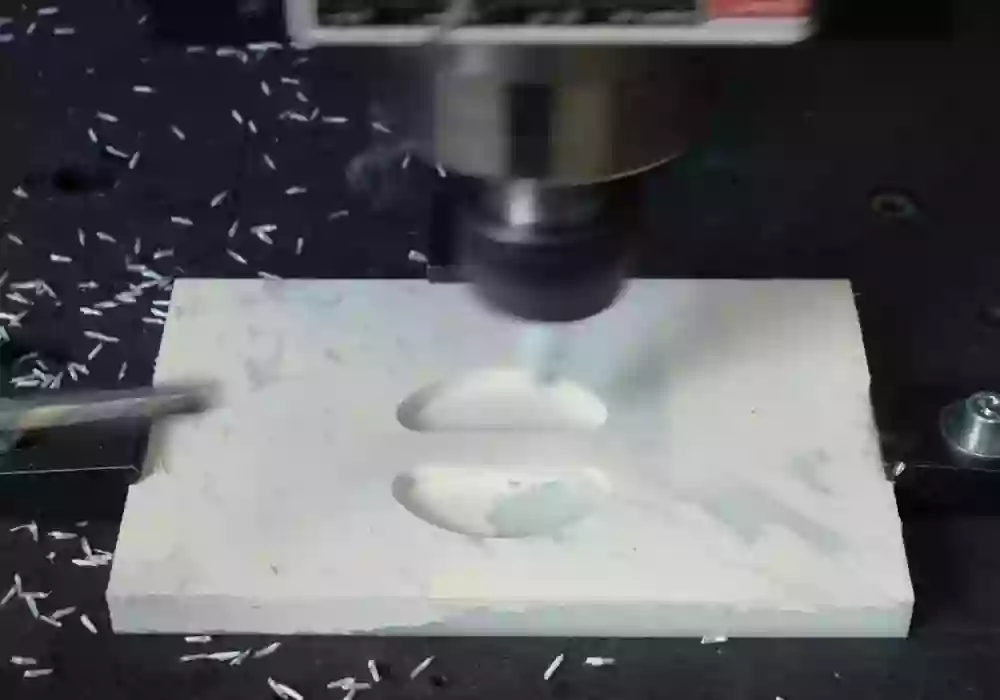
CNC machining PE is the process of using computer-controlled milling and turning to shape this plastic into custom components. Since PE is sensitive to heat, our process utilizes specialized tooling and stress-relief techniques to ensure every part remains dimensionally stable and meets your exact specifications without deformation.

Polyethylene PE

Why Choose Polyethylene (PE) for Your Parts?

  • Exceptional Toughness: High impact resistance and durability even at low temperatures.
  • Chemical Immunity: Outstanding resistance to strong acids, bases, and organic solvents.
  • Low Friction: Self-lubricating properties make it ideal for wear-strips and sliding components.
  • Zero Moisture Absorption: Maintains performance and hygiene in wet or humid environments.
  • Industry Safe: Inherently non-toxic and odorless, meeting strict food and medical compliance.

Key Properties of Machined Polyethylene (PE)

Polyethylene is a high-performance thermoplastic engineered for resilience and versatility. Understanding its mechanical limits is essential for achieving high-precision CNC results. Our machining process is calibrated to leverage these core properties:

Property

Typical Value

Tensile Strength, Yield

20 – 30 MPa

Elongation at Break

500% – 700%

Hardness (Shore D)

55 – 70

Heat Deflection Temperature

75°C – 85°C

Melting Point

120°C – 135°C

Full Spectrum of Machined Polyethylene (PE) Grades

We deliver end-to-end CNC machining solutions across the entire polyethylene (PE) family. Whether you need reliable industrial performance or advanced material properties, we source and machine the exact grade to match your application.

Core Machining Grades

  • HDPE (High-Density):The industry standard for CNC machining, offering excellent rigidity, chemical resistance, and cost-efficiency.
  • UHMW-PE (Ultra-High Molecular Weight):Renowned for extreme wear resistance and self-lubricating properties—ideal for high-friction, moving components.
  • LDPE & LLDPE:Preferred for applications requiring flexibility, impact resistance, and performance in specialized lab or soft-contact components.
  • MDPE (Medium-Density):A balanced option providing improved shock resistance for durable industrial applications.

Performance-Enhanced PE

  • Glass-Filled PE:Enhanced stiffness and dimensional stability for structural components.
  • Carbon-Filled / Antistatic PE:Designed for ESD-sensitive environments or applications requiring controlled conductivity.
  • MoS₂-Filled PE:Improved self-lubrication, ideal for high-speed sliding and wear-intensive parts.
  • Flame-Retardant PE:UL94-rated materials engineered for fire safety in critical environments.

Certified & Industry-Specific Grades

  • Food-Grade PE:Fully compliant with FDA and NSF standards for food processing and packaging applications.
  • Medical-Grade PE:Biocompatible materials (ISO 10993) suitable for medical devices and clinical use.
  • UV-Stabilized PE:Engineered for long-term exposure in outdoor, marine, and aerospace environments.
Polyethylene PE CNC Machining 2

Mastering Precision in PE Machining

Polyethylene often deforms during processing because of its high thermal expansion and internal stress. This typically leads to parts that warp or shift, making it difficult to hold tight tolerances on complex geometries or thin walls. We handle this by using a controlled, multi-stage machining process. We first rough out the bulk material and then allow the part to rest, which lets the internal stresses release before we perform the final finish with ultra-sharp tooling. By optimizing our cutting speeds and feeds specifically for PE, we keep heat buildup to a minimum. This process ensures you get dimensionally stable parts that maintain their shape and fit your assembly perfectly without any post-process shrinkage.

Controlled PE Machining Environment

PE used in the food and medical industries is very sensitive to its environment. In a standard machine shop, soft plastic surfaces can easily pick up metal particles, coolant residue, or debris from other materials, which creates major compliance risks. To prevent this, we run a dedicated clean workflow specifically for high-purity plastics. We use controlled material handling and either food-grade lubricants or dry machining techniques to keep the parts pure. Every machine undergoes a full clean-down before we start a PE production run to eliminate any chance of cross-contamination. This gives you fully traceable parts that meet FDA, NSF, and medical standards, so they are ready to be used in regulated environments immediately upon delivery.

Controlled Machining Environment​.jpeg

Our CNC Polyethylene (PE) Machining Processes

What Is Automotive CNC Machining

CNC Machining

The primary process for producing high-precision PE parts through automated material removal, ensuring consistent quality across small and large batches.
CNC Milling Services

CNC Milling

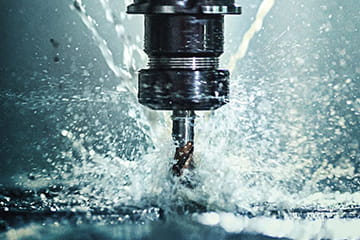
High-speed 3, 4, and 5-axis milling for complex PE geometries and precision components.
CNC Turning Services.jpeg

CNC Turning

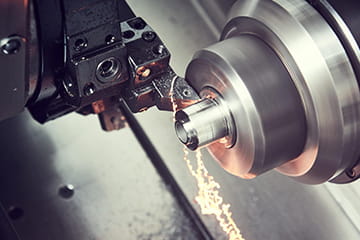
Precision turning for PE bushings, rollers, and shafts with high-quality surface finishes.
CNC Routing Services.png

CNC Routing

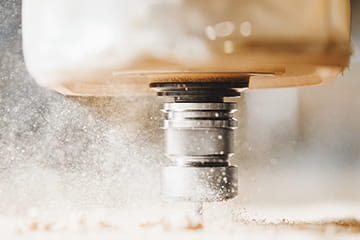
Large-format routing for PE sheets, ideal for wear strips, guide rails, and oversized industrial panels.
cnc drilling xtprorto 1

Drilling & Tapping

Specialized hole placement and threading techniques adapted for the specific elasticity of Polyethylene.
securing palletized freight with stretch wrap

Assembly & Packaging

Final-stage integration of multiple PE components, including the installation of metal inserts and specialized cleaning to meet industry-specific hygiene standards.
Quality Assurance & Standards

XTPROTO operates under an ISO 9001:2015 certified quality management system to ensure consistent compliance with industrial and regulatory requirements for all PE parts.

Quality control follows a defined inspection flow. First Article Inspection (FAI) is used to verify the initial part against CAD data and confirm setup and tolerances before full production. In-process and final inspections are supported by CMM, height gauges, and optical comparators, enabling dimensional control down to ±0.05 mm depending on geometry and material condition.

Material traceability is maintained through supplier certifications (COA), with compliance support for FDA, REACH, and RoHS requirements where applicable. Before shipment, each batch undergoes final inspection covering dimensional checks and surface condition to ensure parts are clean, burr-free, and meet specification.

CMM Inspection and Quality Inspection Process 6
modern automatic robot assembly line in factory of heavy industr

PE Machining Factory at XTPROTO

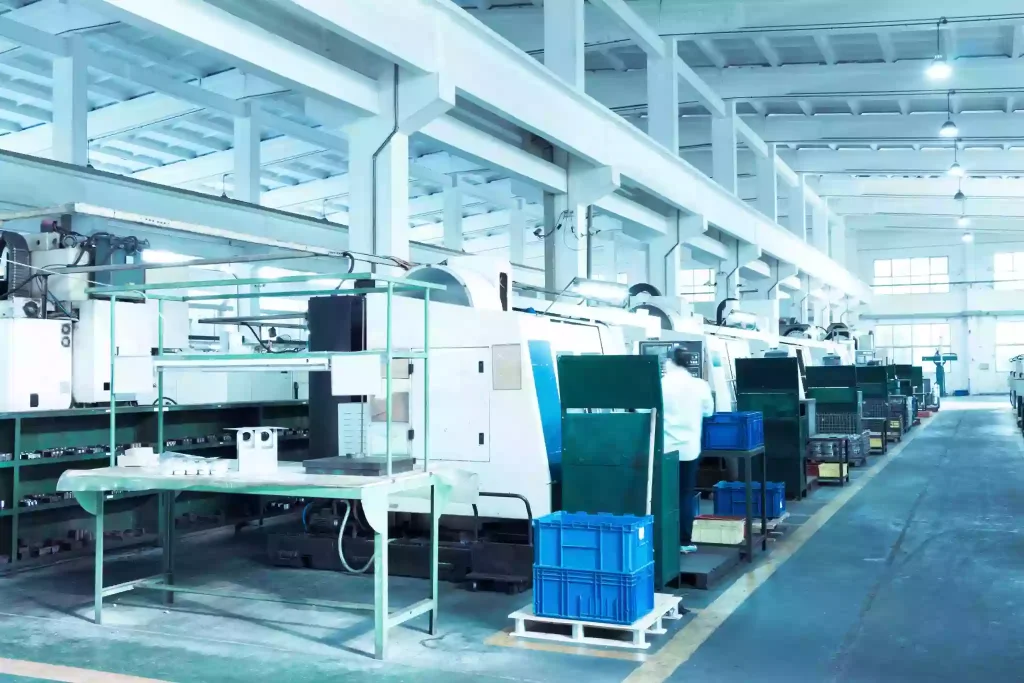
XTPROTO operates a 160,000-square-foot CNC manufacturing facility focused on high-efficiency production of industrial components. We maintain separated machining areas for plastics and metals to prevent cross-contamination and to better control process conditions for materials like Polyethylene (PE).

The shop is equipped with multi-axis CNC centers and supported by an experienced production team handling both low- and high-volume runs. All processes are managed in-house, including DFM review, machining, and final inspection, ensuring consistent lead times and repeatable quality across every batch.

engeneer1 1

Expert Engineering Support at XTPROTO

XTPROTO engineering team provides direct technical support for Polyethylene (PE) projects. Because PE behaves differently from metals and rigid plastics, we review each design before production for risks such as thermal expansion, wall thickness issues, and dimensional stability. We provide DFM feedback to improve machinability, reduce waste, and optimize cycle time without affecting part function. For complex geometries, we develop dedicated fixtures and select cutting strategies tailored to different PE grades such as HDPE and UHMW-PE. Working directly with your CAD data, we ensure stable and repeatable manufacturing from the first run, aligning design intent with real production conditions.

CMM Inspection and Quality Inspection Process 2 1

Technical Specifications & Tolerances

Polyethylene (PE) machining requires control of both geometry and material behavior. At XTPROTO, we tune tooling, cutting strategy, and process parameters to maintain stable and repeatable precision.

Tolerances
Standard: ±0.125 mm (±0.005”)
Precision machining: down to ±0.025 mm (±0.001”), depending on geometry and PE grade

Feature Limits
Minimum feature size: 1.0 mm (0.04”)
Minimum wall thickness: 0.8 mm (0.03”) with structural stability considered

Surface Finish
As-machined: Ra 0.8–3.2 μm

Part Size & Lead Time
Maximum part size: up to 2300 × 1500 × 600 mm (large-format gantry systems)
Lead time: as fast as 3 business days for prototypes; production schedules confirmed after DFM review

Polyethylene​ machining part

Surface Finishing Options for Polyethylene

Standard finish with visible tool marks (Ra 1.6–3.2 μm). Ideal for industrial wear strips and internal components where cost-efficiency is a priority.

Creates a uniform matte or textured surface. This is effective for removing machining tracks and improving the tactile grip of handheld PE parts.

Used for high-volume deburring and smoothing. This process rounds sharp edges and provides a consistent, polished-like finish across complex geometries.

A critical thermal process for PE to relieve internal stresses caused by machining, ensuring long-term dimensional stability and preventing warping.

Available in custom colors for branding or coding. We utilize specialized primers or flame treatments to ensure durable adhesion to the PE surface.

We offer anti-static (ESD) coatings and UV-stabilized finishes for PE parts used in electronics or outdoor environments.

Allows for complex patterns or textures to be applied to the surface of PE prototypes for aesthetic evaluation.

Industry for Machined PE Parts

Food Beverage 1

Food & Beverage

FDA-compliant star wheels, timing screws, conveyor wear strips, and cutting boards.
Electronics

Electronics & ESD-Sensitive Systems

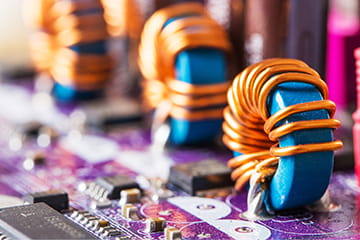
Antistatic and carbon-filled PE parts used in sensitive assemblies requiring controlled electrical properties.

Medical

Medical & Life Sciences

Orthopedic trial implants, fluid manifolds, laboratory equipment housings, and surgical handles.

Marine

Marine & Offshore

Salt-water resistant dock bumpers, fender liners, bushings, and underwater cable sheaths.

Automotive

Automotive

Lightweight protective guards, custom assembly fixtures, vibration-damping bushings, and spacers.

Industrial Equipment

Industrial Machinery

High-impact machine guards, guide rails, wear plates, and noise-reducing gear components.

PE Machining FAQ

Can Polyethylene (PE) be precision machined to tight tolerances?

Yes. PE is sensitive to heat and internal stress, so it requires controlled machining. At XTPROTO, we use staged machining and PE-specific tooling to achieve tolerances down to ±0.025 mm, depending on geometry and material grade.

How do you prevent PE parts from warping during machining?

Warping is managed through stress control and process sequencing. We rough machine first, allow material stabilization, then complete final finishing under controlled cutting conditions to minimize internal stress release after machining.

What is the difference between HDPE and UHMW-PE machining?

HDPE is more rigid and easier to machine with stable chip formation. UHMW-PE is more wear-resistant but softer in cutting behavior, requiring adjusted feeds and speeds to avoid deformation and burrs.

Is machined PE the same as PTFE (Teflon)?

No. PE (especially UHMW-PE) offers better impact and wear resistance at lower cost, while PTFE performs better at higher temperatures and has lower friction. Material selection depends on operating conditions.

Can PE parts be painted or bonded?

PE has low surface energy, so standard adhesives and coatings do not bond well. Mechanical fastening is preferred. If required, surface treatments such as flame or corona can improve adhesion.

How does XTPROTO ensure contamination-free PE machining?

We use a dedicated plastic machining area separated from metal processing to avoid cross-contamination. This is critical for food-grade and medical applications requiring clean, compliant components.

Request a PE Machining Quote

Get pricing and DFM feedback based on your CAD files. We respond with manufacturability insights and production options tailored to your part.

Scroll to Top