
The Ultimate Guide to Brass CNC Machining
In precision manufacturing, material selection can make or break a project. In 2026, brass continues to stand out as a “gold standard” for CNC machining thanks to its unmatched machinability, reliable performance, and cost efficiency.
Brass CNC machining combines advanced computer-controlled processes with highly workable copper alloys to produce complex, high-precision parts with excellent surface finishes. Whether you’re manufacturing electrical connectors, fluid control components, or custom mechanical parts, brass offers a unique balance of speed, accuracy, and durability.
But not all brass is the same—and choosing the wrong grade or design approach can lead to unnecessary costs, performance issues, or production delays.
In this guide, you’ll learn how to select the right brass alloy, understand its key advantages, optimize your designs for manufacturability, and ensure consistent quality in your CNC-machined parts. Whether you’re an engineer or a sourcing manager, this article will help you make smarter, more cost-effective decisions.
What is Brass CNC Machining?
Brass CNC machining is a precision manufacturing process that uses computer-controlled machines to remove material from solid brass stock and create highly accurate parts. By combining the excellent machinability of brass with advanced CNC technology, manufacturers can produce complex geometries with tight tolerances and consistent quality.
Common CNC processes used for brass include turning, milling, drilling, and tapping. CNC turning is ideal for cylindrical components like fittings and connectors, while milling is used to create intricate shapes, slots, and flat surfaces. These processes allow for repeatable production of both prototypes and high-volume parts.
One of the key reasons brass is widely used in CNC machining is its ability to be cut cleanly and efficiently. Compared to harder metals like stainless steel, brass generates less tool wear and enables faster machining speeds. This makes it especially suitable for precision components that require both accuracy and cost efficiency.
Brass CNC machining is commonly used to produce custom brass parts such as electrical connectors, valve components, threaded fittings, and decorative hardware. Its combination of strength, corrosion resistance, and excellent surface finish makes it a preferred material across industries like electronics, automotive, and industrial equipment.
Is Brass Good for CNC Machining?
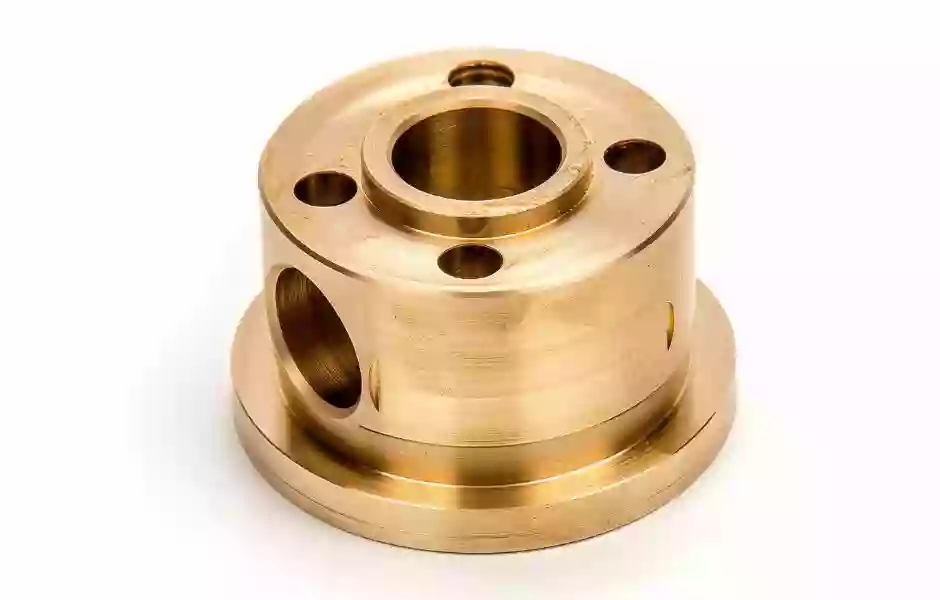
Yes—brass is widely considered one of the best materials for CNC machining.
Its outstanding machinability, often rated close to 100%, allows it to be cut quickly and precisely with minimal tool wear. This means faster production cycles, lower machining costs, and excellent consistency across large batches.
Compared to materials like aluminum or stainless steel, brass offers a unique balance of performance and efficiency. It machines more smoothly than stainless steel and produces cleaner finishes than many aluminum alloys, often reducing the need for additional surface treatment.
Brass is also highly versatile. It provides excellent corrosion resistance, making it suitable for plumbing and marine components, while its electrical conductivity makes it ideal for connectors and terminals. In addition, its natural gold-like appearance makes it a popular choice for visible or decorative parts.
Because of these advantages, brass CNC machining is commonly used in applications where precision, reliability, and appearance all matter—especially in industries such as electronics, fluid control, and high-end consumer products.
Why Choose Brass for Your CNC Project?(Advantages)
Brass is one of the most widely used materials in CNC machining—and for good reason. Its unique combination of machinability, performance, and cost efficiency makes it a top choice for both prototyping and high-volume production.
Superior Machinability
Brass is often rated close to 100% machinability, making it one of the easiest metals to cut, drill, and shape. This allows for higher cutting speeds, reduced tool wear, and shorter cycle times compared to harder materials like stainless steel.
Excellent Corrosion Resistance
Brass performs well in environments exposed to moisture, chemicals, and even saltwater (depending on the alloy). This makes it ideal for plumbing systems, marine components, and fluid control applications.
High Electrical and Thermal Conductivity
Thanks to its copper content, brass offers good electrical conductivity, making it a preferred material for connectors, terminals, and other electronic components. It also dissipates heat effectively, which is beneficial in thermal management applications.
Premium Appearance
Brass naturally has a gold-like finish that gives parts a high-end look without additional processing. This makes it popular in decorative hardware, luxury consumer products, and visible mechanical components.
Antibacterial Properties
Brass has natural antimicrobial properties, which is why it is commonly used in medical devices, touch surfaces, and sanitary applications where hygiene is critical.
Sustainability and Recyclability
Brass is highly recyclable without losing its properties, making it an environmentally friendly choice. Scrap material from machining can be reused, reducing overall material waste and supporting sustainable manufacturing practices.
Common Brass Grades: Choosing the Right Alloy
Not all brass alloys perform the same in CNC machining. Choosing the right grade is critical to achieving the desired balance of machinability, strength, corrosion resistance, and cost.
Below are the most commonly used brass grades in CNC machining:
C360 (Free-Cutting Brass)
C360 is the most widely used brass alloy for CNC machining. It contains lead, which significantly improves machinability and allows for high-speed cutting with excellent surface finishes.
Best for: high-volume production, complex geometries, precision fittings
Key advantage: fastest machining speed and lowest tool wear
Limitation: not suitable for applications requiring lead-free materials
C260 (Cartridge Brass)
C260 has lower lead content and offers better ductility, making it suitable for applications that require forming or bending after machining.
Best for: parts requiring cold working or deep drawing
Key advantage: good balance of strength and formability
Limitation: lower machinability compared to C360
C464 (Naval Brass)
C464 contains a small amount of tin, which significantly enhances its corrosion resistance—especially in marine or saltwater environments.
Best for: marine hardware, ship components, outdoor applications
Key advantage: excellent resistance to seawater corrosion
Limitation: slightly harder to machine than C360
Lead-Free Brass
Lead-free brass alloys are designed to meet environmental and regulatory standards such as RoHS and drinking water safety requirements.
Best for: medical devices, food equipment, potable water systems
Key advantage: environmentally compliant and safe
Limitation: typically higher cost and reduced machinability
Quick Comparison of Common Brass Grades
| Grade | Machinability | Corrosion Resistance | Strength | Typical Applications |
| C360 | ★★★★★ | ★★★☆☆ | ★★★☆☆ | Precision parts, fittings |
| C260 | ★★★☆☆ | ★★★★☆ | ★★★★☆ | Structural & formed parts |
| C464 | ★★★☆☆ | ★★★★★ | ★★★★☆ | Marine components |
| Lead-Free | ★★★☆☆ | ★★★★☆ | ★★★☆☆ | Medical, water systems |
Choosing the right brass grade depends on your application requirements, regulatory needs, and production priorities. For most high-speed CNC machining projects, C360 remains the preferred choice, while specialized environments may require alternatives like C464 or lead-free alloys.
Brass vs Aluminum vs Stainless Steel: Which Material Is Right for You?
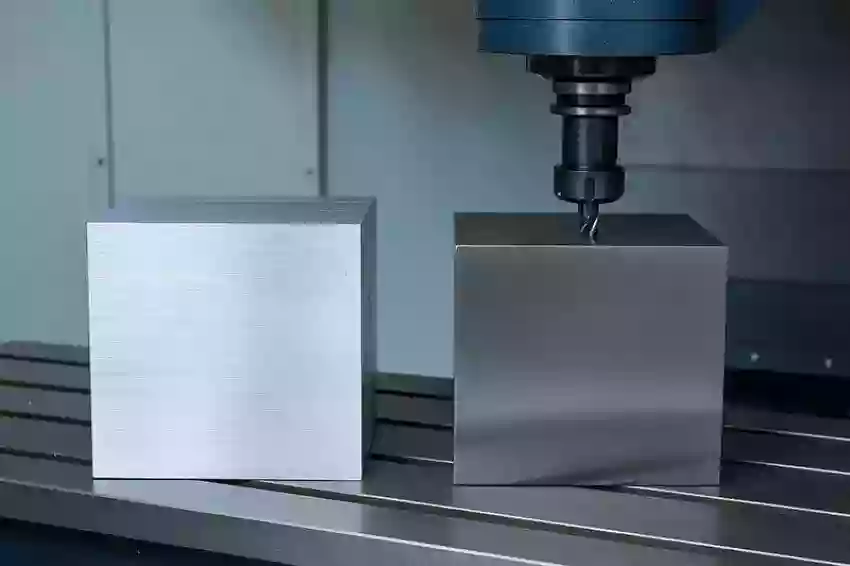
Choosing the right material is one of the most important decisions in any CNC machining project. While brass is an excellent option, it’s often compared with aluminum and stainless steel depending on performance, cost, and application requirements.
Here’s how they compare:
Machinability
Brass offers the best machinability among the three. It cuts smoothly, produces minimal tool wear, and allows for high-speed machining. Aluminum also machines easily but can create built-up edges on tools. Stainless steel, on the other hand, is significantly harder to machine and requires slower speeds.
Best choice: Brass for precision and efficiency
Cost Efficiency
Although brass material costs are typically higher than aluminum, its faster machining speed and lower tool wear often result in lower overall production costs. Stainless steel tends to be the most expensive due to both material price and machining difficulty.
Best choice: Brass for balanced cost-performance
Strength and Durability
Stainless steel provides the highest strength and wear resistance, making it suitable for heavy-duty applications. Brass offers moderate strength with good durability, while aluminum is lighter but less strong.
Best choice: Stainless steel for strength, brass for balanced performance
Corrosion Resistance
Brass and stainless steel both perform well in corrosive environments. Brass is especially effective in plumbing and certain marine applications (with the right alloy), while stainless steel excels in harsh chemical environments. Aluminum may require additional surface treatment.
Best choice: Brass or stainless steel (depending on environment)
Electrical Conductivity
Brass has significantly better electrical conductivity than stainless steel and is commonly used in connectors and terminals. Aluminum also conducts electricity well but lacks the same durability in certain applications.
Best choice: Brass for electrical components
Summary Table
| Material | Machinability | Cost Efficiency | Strength | Corrosion Resistance | Typical Use |
| Brass | ★★★★★ | ★★★★☆ | ★★★☆☆ | ★★★★☆ | Connectors, valves |
| Aluminum | ★★★★☆ | ★★★★★ | ★★☆☆☆ | ★★★☆☆ | Lightweight parts |
| Stainless Steel | ★★☆☆☆ | ★★☆☆☆ | ★★★★★ | ★★★★★ | Structural parts |
In short, brass is the best choice when you need a balance of precision, efficiency, corrosion resistance, and aesthetics—especially for complex or high-volume CNC machined parts.
Brass CNC Machining Processes
Brass can be processed using a wide range of CNC machining techniques, allowing manufacturers to produce both simple and highly complex components with excellent consistency.
CNC Turning
CNC turning is the most common process used for brass parts. It involves rotating the brass workpiece while a cutting tool removes material to create cylindrical shapes.
Ideal for: shafts, fittings, connectors, threaded components
Advantages: high speed, excellent surface finish, tight tolerances
CNC Milling
CNC milling uses rotating cutting tools to remove material from a stationary workpiece. It is used to create flat surfaces, slots, pockets, and complex geometries.
Ideal for: housings, brackets, custom mechanical parts
Advantages: flexibility, high precision, multi-axis capability
Drilling and Tapping
Drilling and tapping are essential secondary operations used to create holes and internal threads in brass components.
Ideal for: assembly parts, fastener interfaces
Advantages: clean cuts, minimal burr formation in brass
Multi-Axis Machining
Advanced CNC machines (3-axis, 4-axis, and 5-axis) enable the production of complex brass parts in fewer setups, improving accuracy and reducing production time.
Ideal for: intricate designs, high-precision components
Advantages: reduced handling, improved consistency
Because brass is easy to machine, these processes can be performed at higher speeds compared to many other metals, making it highly efficient for both prototyping and mass production.
Industrial Applications of Brass CNC Machined Parts
Brass CNC machining is widely used across industries that require precision, durability, and reliable performance. Its versatility makes it suitable for both functional and aesthetic applications.
Electrical & Electronics
Brass is commonly used for connectors, terminals, pins, and sockets due to its excellent electrical conductivity and corrosion resistance. These components require tight tolerances and consistent quality for reliable performance.
Automotive & Aerospace
In automotive and aerospace applications, brass is used for sensors, bushings, fuel system components, and specialized fasteners. Its machinability allows for high-precision parts with complex geometries.
Plumbing & Fluid Control
Brass is a preferred material for valves, manifolds, pipe fittings, and fluid control systems. Its resistance to corrosion and compatibility with water systems make it ideal for long-term use.
Industrial Equipment
Brass components are widely used in machinery, instrumentation, and mechanical assemblies where durability and precision are critical.
Consumer Goods & Decorative Hardware
Thanks to its natural gold-like appearance, brass is often used in premium consumer products such as watches, knobs, and decorative fittings.
Technical Challenges & Solutions in Brass Machining
Although brass is easy to machine, achieving high precision and consistency still requires careful process control.
Chip Control
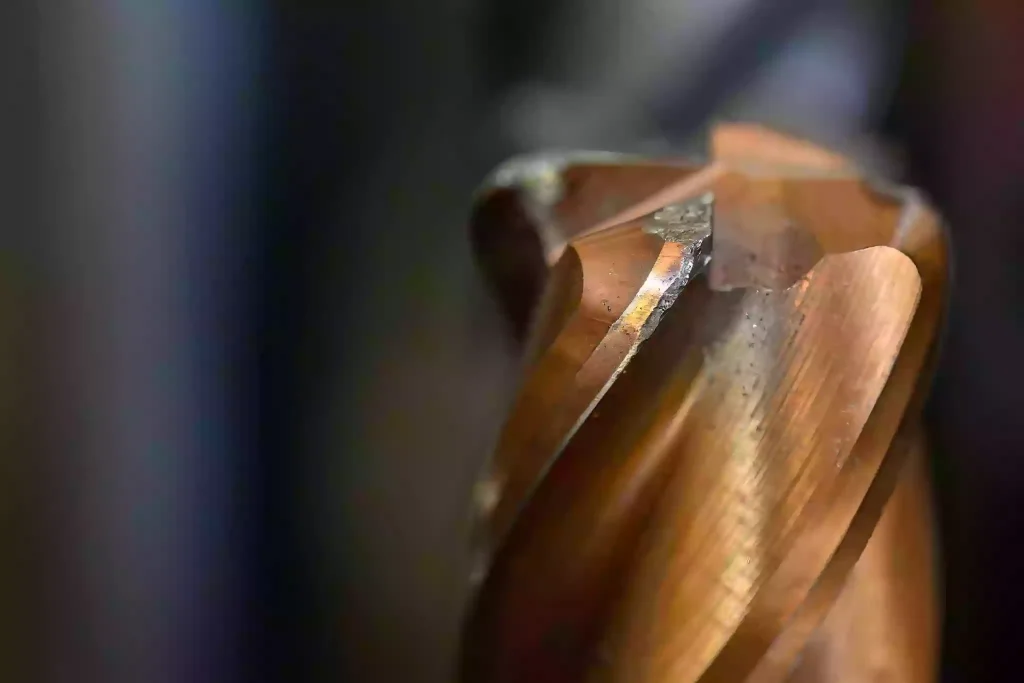
Some brass alloys can produce long, stringy chips that may interfere with machining.
Solution: Optimize cutting parameters and use proper chip-breaking tools.
Heat Management
High-speed machining can generate heat, especially in complex operations.
Solution: Use appropriate coolants and optimize cutting speeds to prevent material adhesion and maintain surface quality.
Dimensional Stability
For high-precision parts (e.g., ±0.005 mm), thermal expansion and machining stress can affect accuracy.
Solution: Control machining environment, apply proper fixturing, and use multi-stage finishing processes.
Tool Selection
Using the wrong tooling can reduce efficiency and surface quality.
Solution: Sharp, uncoated carbide tools are typically preferred for brass to achieve clean cuts and longer tool life.
Design for Manufacturing (DFM): How to Reduce Costs
Optimizing your design for CNC machining can significantly reduce production costs and improve part quality.
Standardize Internal Radii
Design internal corners with standard tool radii to avoid custom tooling and reduce machining time.
Control Depth-to-Width Ratio
Avoid deep cavities where possible. A recommended ratio is ≤ 4:1 to ensure tool stability and efficient machining.
Avoid Over-Tight Tolerances
Only specify tight tolerances where necessary. Standard tolerances are often sufficient and more cost-effective.
Simplify Geometry
Reducing complex features minimizes setups, machining time, and overall cost.
Surface Finishes for Brass Machined Parts
Surface finishing plays a key role in both the performance and appearance of brass components.
As-Machined
Retains the natural golden color of brass with visible tool marks. Suitable for functional parts.
Polishing & Buffing
Creates a smooth or mirror-like finish, ideal for decorative or high-end applications.
Plating
Nickel, chrome, or gold plating can enhance corrosion resistance, wear resistance, and aesthetics.
Sandblasting
Produces a uniform matte finish and improves surface texture.
Passivation
Further enhances corrosion resistance, especially for components used in harsh environments.
FAQs About Brass CNC Machining
Is brass easy to machine?
Yes, brass is one of the easiest metals to machine, offering excellent cutting performance and minimal tool wear.
What is the best brass grade for CNC machining?
C360 is the most commonly used due to its superior machinability, but other grades may be preferred depending on the application.
Is brass expensive to machine?
While the raw material cost may be higher than aluminum, brass often reduces overall costs due to faster machining and lower tool wear.
Does brass rust or corrode?
Brass does not rust like steel. It offers good corrosion resistance, especially in moisture-rich environments.
What industries use brass CNC parts?
Common industries include electronics, automotive, plumbing, industrial equipment, and consumer goods.
Conclusion
Brass CNC machining remains one of the most efficient and reliable manufacturing solutions for precision components. Its excellent machinability, corrosion resistance, and versatility make it suitable for a wide range of industries and applications.
By selecting the right brass grade, optimizing your design, and working with an experienced CNC machining partner, you can achieve high-quality parts while controlling costs and lead times.