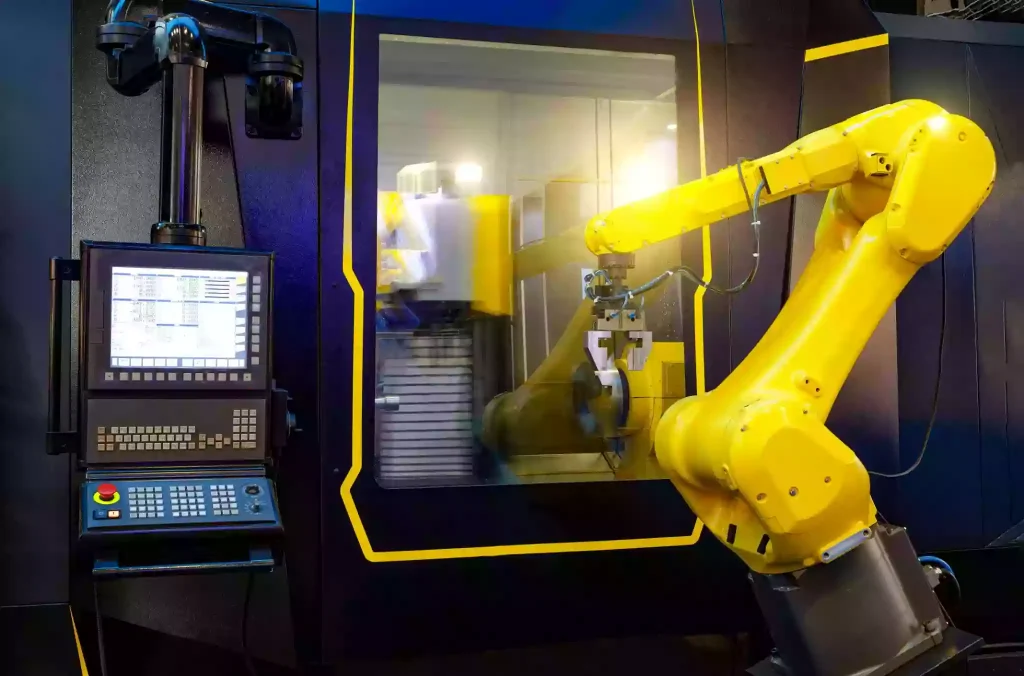
Robotics CNC Machining

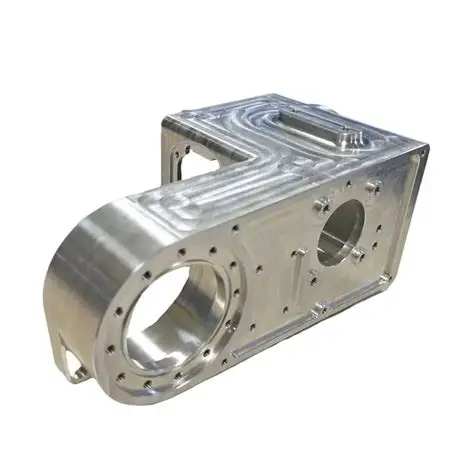
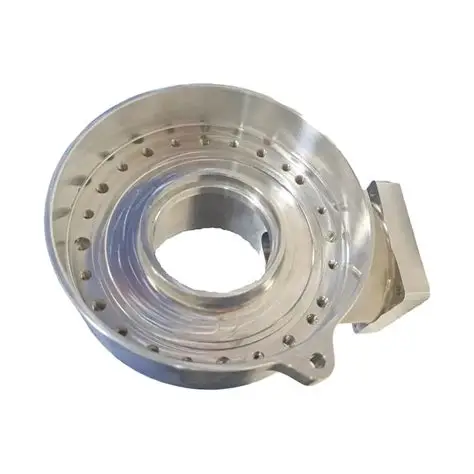
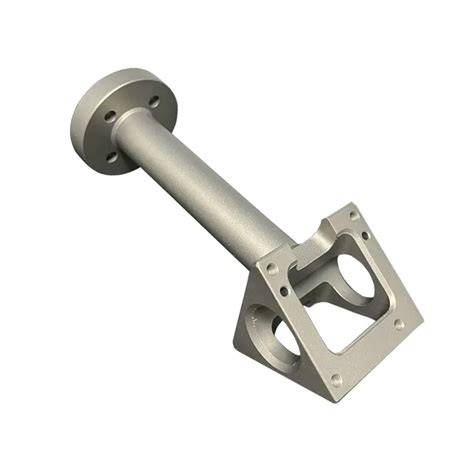
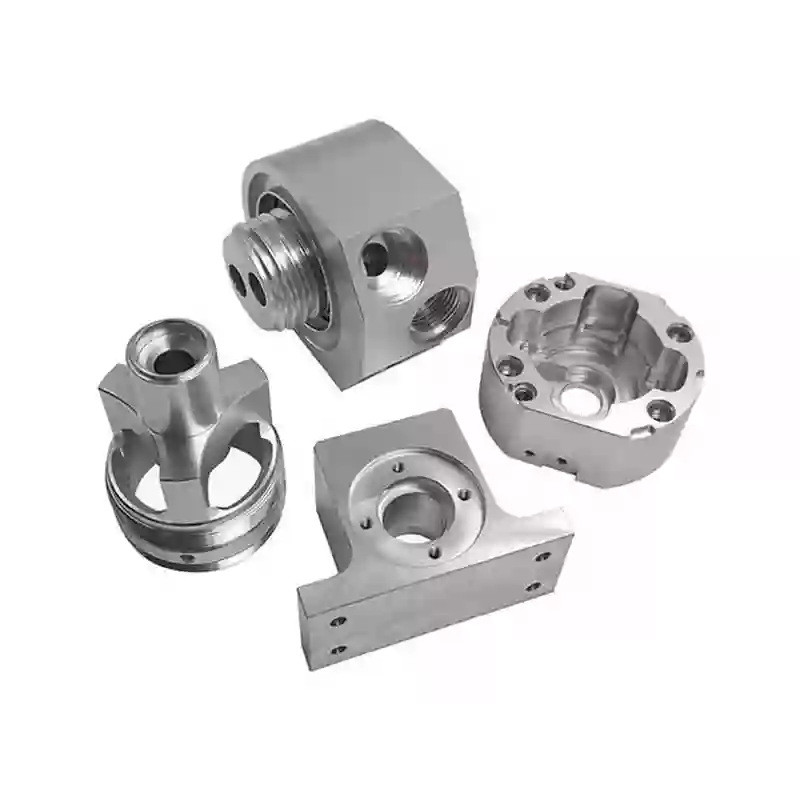
High-precision CNC machining for robotic systems, including robot arms, joint housings, actuator components, and motion control parts. From rapid prototyping to production, XTProto supports robotics manufacturers with complex multi-axis machining and tight-tolerance manufacturing.

Comprehensive CNC Solutions for Robotic Components

Robotic components often feature complex geometries and tight tolerances that challenge standard machining, and we specialize in high-precision CNC machining of critical parts including joint housings, actuators, linkages, and end effectors, delivering each component with reliable performance and strict adherence to specifications. By combining multi-axis CNC technologies, Swiss machining, advanced materials expertise, and end-to-end capabilities from rapid prototyping to mass production, we transform highly challenging designs into durable, high-performance robotic components. With over 20 years of industry experience, we have established ourselves as a trusted partner for industrial, collaborative, and medical robotics manufacturers, empowering them to accelerate innovation while maintaining the highest quality standards.

Robotic Components We Manufacture

We specialize in manufacturing a wide range of robotic components, including joint housings, actuators, linkages, end effectors, and custom assemblies, all produced with high precision, tight tolerances, and reliable performance. Each part is engineered to meet the demands of industrial, collaborative, and medical robotics systems, ensuring optimal function, durability, and seamless integration.

  • Joint Housings– Precision-machined for smooth articulation
  • Actuators & Shafts– High-performance components for motion systems
  • Linkages & Arms– Complex geometries requiring multi-axis machining
  • End Effectors / Grippers– Custom tools for specialized robotic applications
  • Custom Robotic Assemblies– From prototypes to medium-volume production
The Ultimate Guide to Gear Machining Processes Applications Materials and More
Robot arm s going to pick parts to CNC machine in the manufacturing factory

Robotics Manufacturing Capabilities

XTPROTO delivers full-scale CNC machining solutions for robotic components, including robot arms, joint housings, actuator components, and sensor mounts, combining tight-tolerance precision, complex multi-axis machining, and lightweight structural materials to produce parts that are durable, reliable, and assembly-ready. Our end-to-end capabilities span rapid prototyping, low-volume runs, and scalable production, supported by robust process control, CMM inspection, and engineering expertise, ensuring repeatable results that keep industrial, collaborative, and medical robotic systems performing at their best while balancing speed, precision, and reliability.

Advanced CNC Machining Processes For Robotics

5 axis cnc machining 1

5 Axis CNC Machining

Ideal for complex robotic components such as robot arm structures, joint housings, and actuator parts, 5-axis machining allows multiple surfaces to be processed in a single setup, improving accuracy while reducing production time.
CNC Milling Services

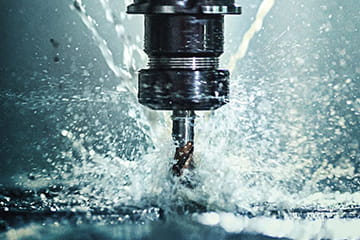
CNC Milling

Widely used for structural robotic parts including frames, housings, and mounting plates, CNC milling provides excellent dimensional control and is suitable for both prototypes and production runs.
what is cnc turning.jpeg 1

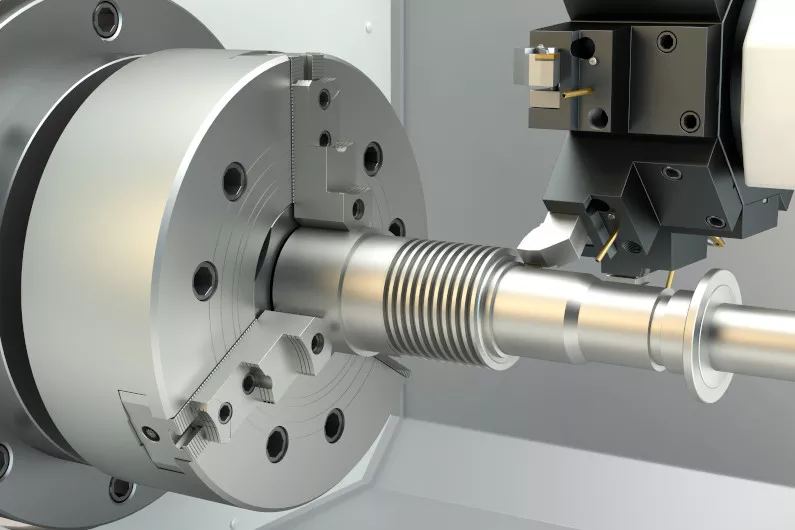
CNC Turning

Commonly applied to cylindrical robotic components such as shafts, couplings, and bearing seats, this process ensures smooth surfaces and precise concentricity required for robotic motion systems.
SwissMachining1

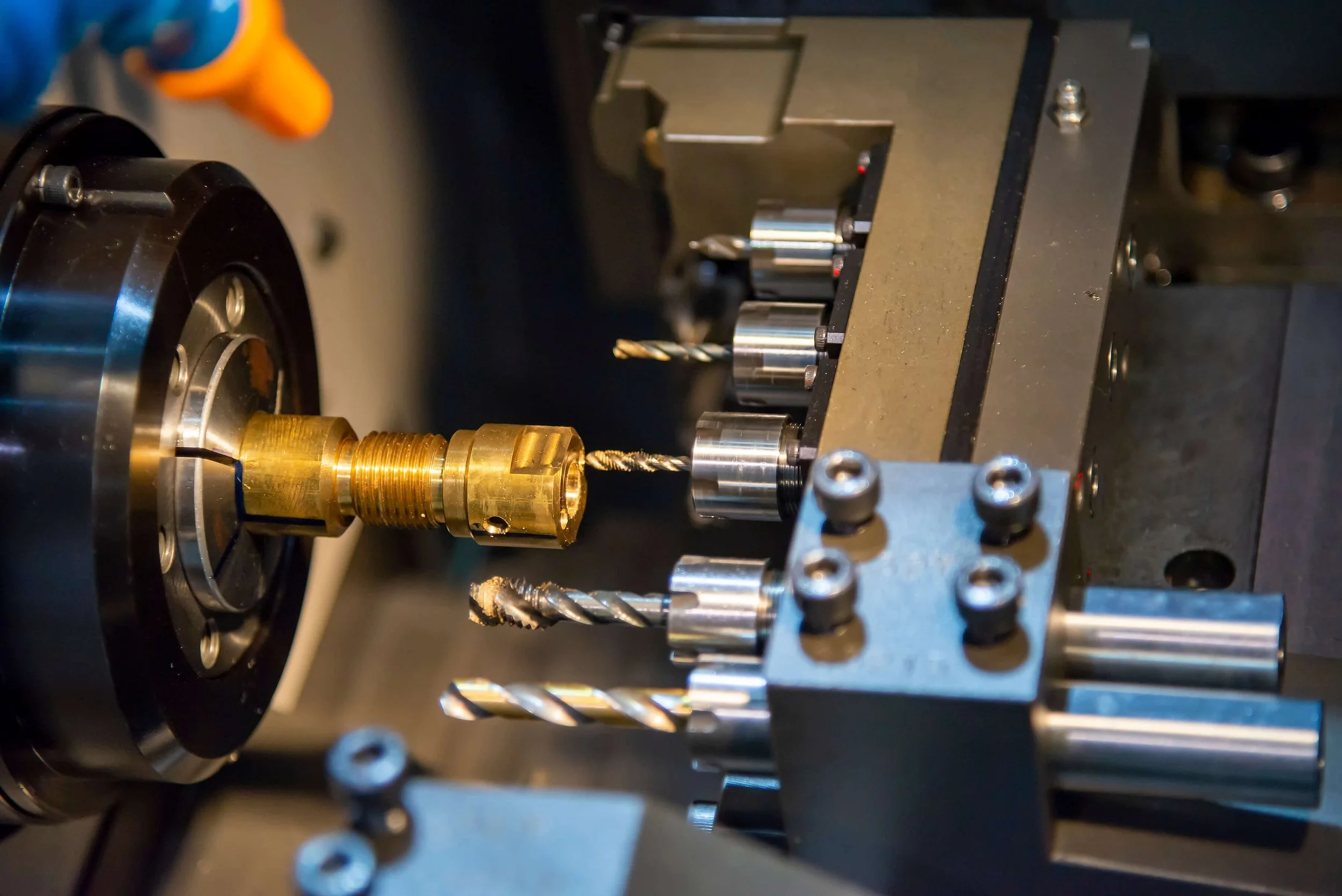
Swiss Machining

Perfect for small, high-precision components like miniature shafts, pins, and fasteners, Swiss machining delivers exceptional accuracy for compact robotic assemblies.
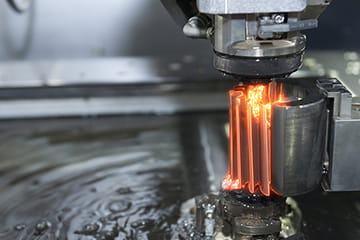
EDM and Wire Cutting Services

Wire EDM

Designed for highly precise components with tight tolerances and intricate geometries, including precision gear features and specialized robotic parts, Wire EDM achieves unmatched detail and dimensional control.

High‑Precision Machining For Robotics

Robotic components like harmonic drive housings, slim servo motor shafts, and zero-backlash gears require precise geometry and tight tolerances. Using 5-axis CNC and Swiss-turning centers, we machine complex features in a single setup, reducing errors that can occur in multi-stage processing.

Our processes maintain accuracy up to ±0.005mm while preserving the material properties of 7075-T6 and 17-4 PH, ensuring parts can withstand millions of dynamic load cycles. The result is smooth, reliable assemblies that maximize performance and long-term durability for bionic and industrial motion systems.

Automated process industrial robot loading metal part to CNC machine. Industrial manufacturing
The Ultimate Guide to Gear Machining Processes Applications Materials and More

Rapid Prototyping

Robotic concepts are turned into functional prototypes in days, from multi-axis joints and end effectors to sensor brackets and structural frames. Engineers can test fit, motion, and load-bearing under real-world conditions, accelerating design validation and iteration before committing to full-scale production.

Using high-speed milling and multi-axis CNC, intricate geometries are machined in fewer setups, maintaining dimensional stability and surface integrity equivalent to production parts. Prototypes can be made from Grade 5 Titanium, 6061-T6 aluminum, and high-performance engineering plastics, ensuring performance under dynamic stresses.

This approach bridges CAD and physical validation, enabling rapid design loops, structural optimization, and de-risked transition from proof-of-concept to full-scale deployment. High-fidelity prototypes deliver reliable, production-level performance, supporting fast innovation and confident engineering decisions.

Multi-Axis & Lightweight Machining

Robotic components—from bionic linkages to thin-walled actuator cages—demand lightweight designs that don’t compromise strength or precision. Using simultaneous 5-axis CNC toolpaths, complex geometries are machined from single billets of 7075-T6 aluminum or high-modulus PEEK, avoiding the weak points that can arise in multi-part assemblies.

This approach allows the creation of thin-walled, organic structures with consistent wall thickness, drastically reducing rotational inertia and vibration during high-speed motion. The result is high-performance, lightweight robotic skeletons that enhance dynamic response, acceleration, and battery efficiency, while delivering long-term reliability in bionic, industrial, and autonomous mobility systems.

Close up cutting tool working with workpiece by high speed and accuracy cnc machining center
rapiddirect manufacturing network

End-to-End Manufacturing Support

Robotic components are developed from CAD design through assembly-ready production with a seamless, end-to-end workflow. Design for Manufacturing (DFM) consultation identifies potential geometric conflicts and machining stresses early, reducing risk before the first spindle turns.Multi-stage precision CNC machining, advanced post-processing, and critical surface treatments—including hard-anodizing and chemical passivation—ensure each part arrives ready for immediate integration. In-process metrology and First Article Inspection (FAI) provide full traceability and dimensional verification for every production cycle.This approach de-risks complex robotic assemblies, streamlines the supply chain, and guarantees components perform exactly as intended, from prototypes to full-scale production.

Quality Assurance For Robotic CNC Machining

Precision robotic components demand tight tolerances and consistent performance. Quality is built into every stage with real-time process control, multi-stage inspection, and full digital traceability.

Key QA Processes:

  • Coordinate Measuring Machines (CMM)and in-process checks to verify fits, bearing seats, hole locations, and alignment surfaces.
  • Statistical process controlto minimize variation and ensure repeatable assembly-ready parts.
  • End-to-end traceabilityfrom material verification to final dimensional sign-off.

This workflow ensures joints, actuators, gear housings, sensor mounts, and structural frames meet strict robotic tolerances, perform reliably under dynamic motion, and integrate seamlessly, whether for prototypes or high-volume production.

CMM Inspection and Quality Inspection Process 2 1
modern automatic robot assembly line in factory of heavy industr

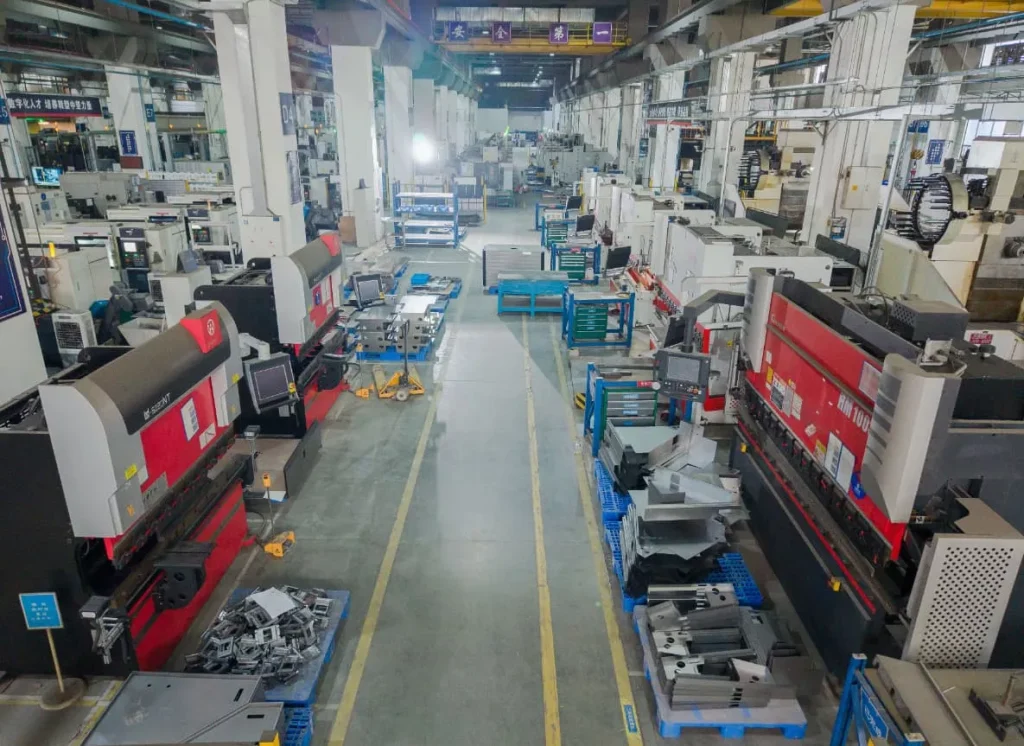
Robotics CNC Manufacturing Facility

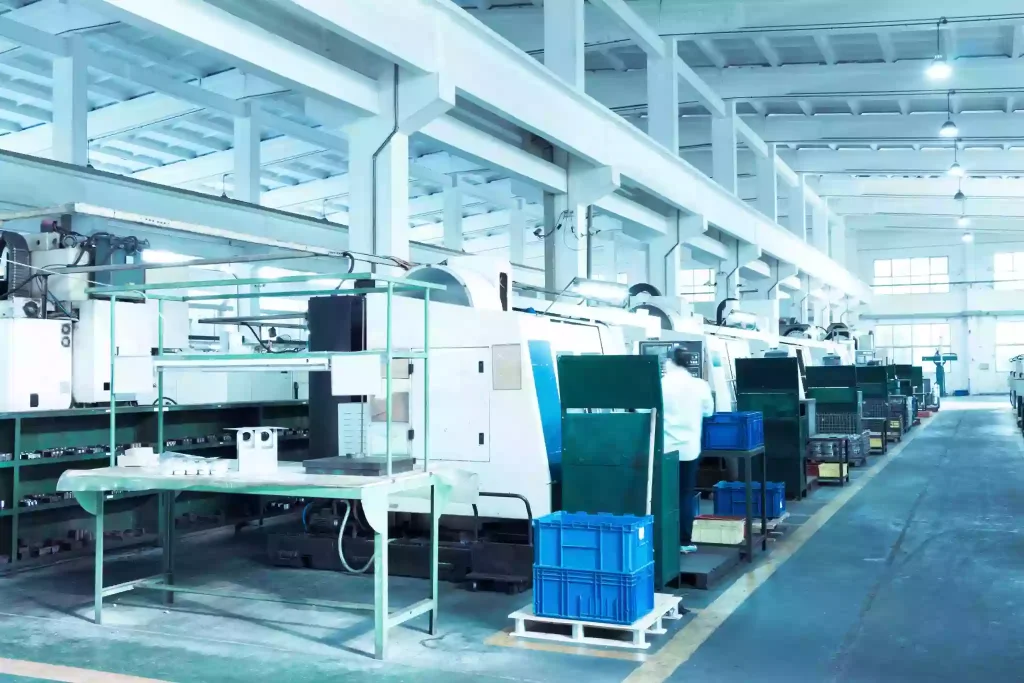
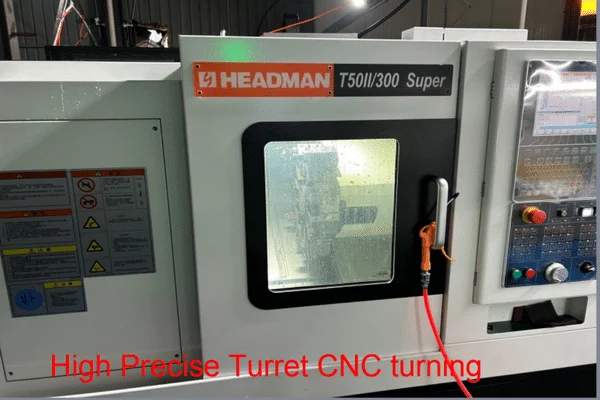
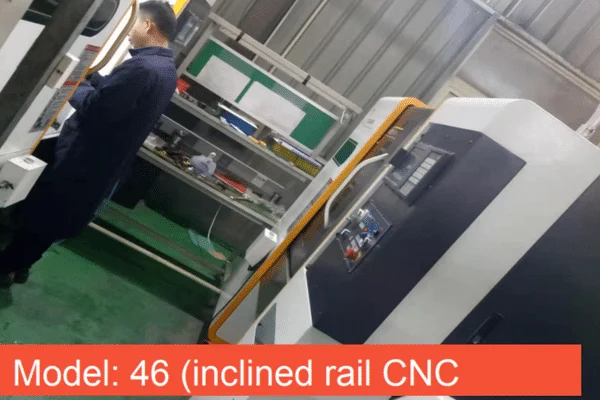
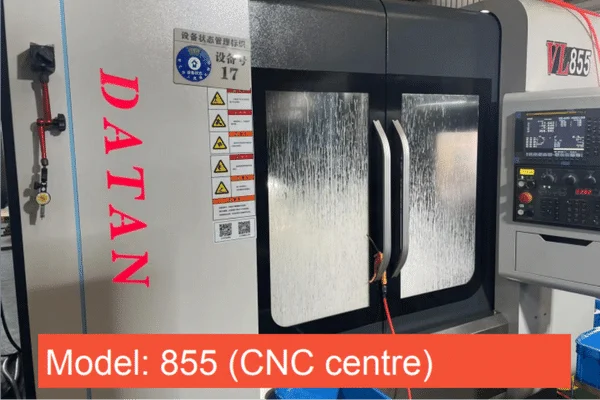
Spanning 160,000 sq ft, our facility is equipped with multi-axis CNC machines, Swiss machining centers, wire and sinker EDM, and advanced inspection labs to handle robotic components of any complexity. A team of 500+ skilled technicians and 120+ engineers ensures tight tolerances, assembly-ready precision, and optimized manufacturability, while our integrated quality processes—including in-process inspection, CMM verification, and FAI—deliver repeatable results from rapid prototypes to high-volume production. Supporting a wide range of materials from aluminum, titanium, and stainless steel to engineering plastics and composites, the facility enables the production of lightweight, high-strength parts with complex geometries, helping teams accelerate development, reduce risk, and bring robotic innovations to market reliably.

quipment & Workshop

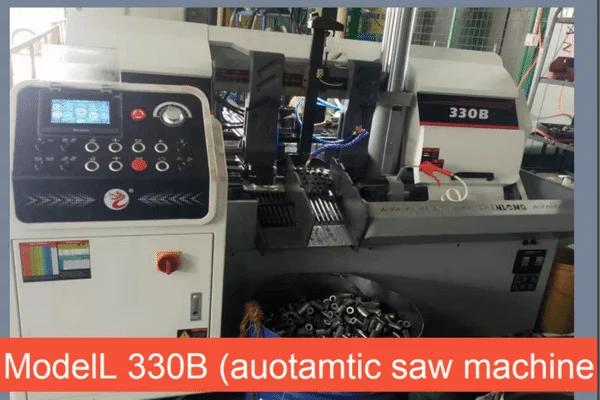
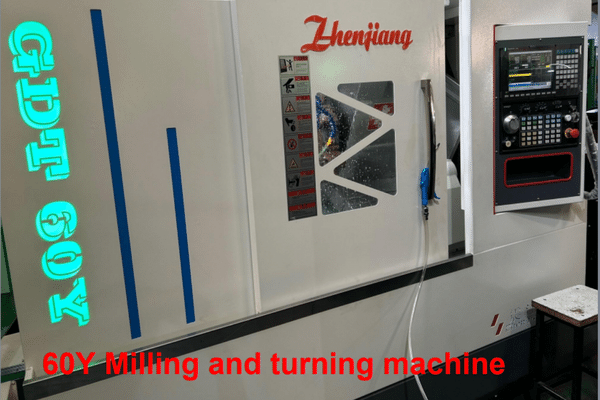
Our workshop is equipped with multi-axis CNC machines, Swiss-turning centers, wire and sinker EDM, and precision inspection labs, all arranged for efficient workflow and optimized part handling. The facility enables high-precision machining of complex robotic components while maintaining tight tolerances, smooth surfaces, and consistent quality across rapid prototypes and high-volume production. Every machine is calibrated to micrometric accuracy, and our climate-controlled floor, ISO-certified metrology lab, and 24-hour maintenance protocols ensure repeatable results for lightweight, intricate, and durable robotic assemblies, from joint housings to actuator frames, meeting the extreme tolerances demanded by modern autonomous systems.

CNC Machined Parts For Robotics

  • Robot Arm Components– High-precision CNC machined structural parts for robotic arms
  • Precision Gears– CNC machined gears and transmission components for robotics
  • End Effectors / Grippers– CNC machined end effectors and robotic grippers
  • Custom CNC Machined Brackets– Custom brackets designed for robotic assemblies
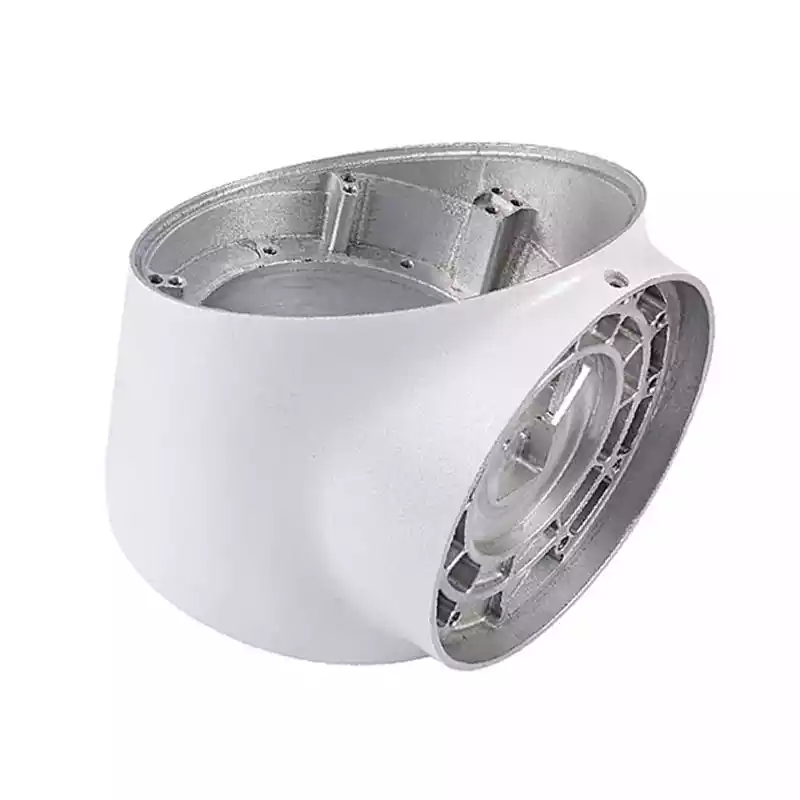
  • Joint Housings– Precision CNC machined housings for robot joints
  • Shafts & Bearings– Accurate CNC machined shafts and bearing components
  • Actuator Housings– Machined housings for robotic actuators
  • Sensor Mounts– Precision mounts for robotics sensors and instrumentation

Applications of Our Robotic CNC Machining

  • Medical Robotics – CNC-machined frames, actuators, instrument mounts, and structural supports deliver tight tolerances, stable structures, and reliable performance for surgical and diagnostic robots.
  • Service & Commercial Robots – Precision structural parts, internal mechanisms, and mounting hardware support durable, compact designs in hospitality, healthcare, cleaning, and retail robots.
  • Warehouse & Logistics Automation – CNC-machined grippers, brackets, drive components, and mounting interfaces ensure high-precision motion and throughput in automated material handling systems.
  • Industrial Robots – Components such as robot arm segments, joint housings, gearbox parts, and mounting plates are machined for rigid structures, precise motion, and continuous operation in assembly, welding, and packaging.
  • Collaborative Robots (Cobots) – CNC-machined arm structures, actuator housings, and joint components provide lightweight, compact, and precise parts for safe human-robot interaction.
  • Autonomous Mobile Robots (AMR & AGV) – CNC-machined chassis components, drive housings, wheel mounts, and sensor brackets deliver strong, lightweight parts for reliable navigation and material transport.

Tolerance & Dimensional Control For Robotics

Robotic components require precision tailored to function, ensuring smooth motion, reliable assembly, and long-term performance. Each part is machined to strict dimensional and functional standards.

Precision Overview by Component:

Component Type

Typical Tolerance

Key Benefit

Motion Interfaces

±0.003–0.008 mm

Smooth rotation, low friction for shafts, joints, and linkages

End Effectors & Grippers

±0.005–0.01 mm

Accurate alignment and actuator fit

Sensors & Control Housings

±0.005–0.01 mm

Maintains flatness and hole positions for precise sensor integration

Structural Frames

±0.005–0.01 mm

Preserves datum alignment for assembly

Protective Covers

±0.01–0.02 mm

Snap-fit accuracy and consistent form

Applying function-specific tolerances ensures parts are repeatable, assembly-ready, and perform reliably in dynamic robotic systems.

Materials Optimized for Robotic Performance

In robotics, material choice directly affects precision, strength, and dynamic performance. Components like joint housings, actuator shafts, sensor mounts, and structural frames require careful material selection and CNC-driven optimization to meet high-speed, high-load motion demands.

Metals for Precision and Strength

Aluminum Alloys (6061, 7075) – Lightweight yet rigid, ideal for robotic arms, linkages, and frames. CNC machining ensures tight tolerances and smooth surfaces.

Titanium – High strength-to-weight ratio for components that must endure dynamic loads without excess mass.

Stainless and Tool Steels – Durable, wear-resistant, and dimensionally stable for shafts, gears, and load-bearing parts.

Engineering Plastics and Composites for Lightweight Motion

PEEK, PTFE – Low friction and thermally stable for moving interfaces, machined to micron-level accuracy.

Delrin (POM), Nylon – Durable, low-friction materials for linkages, small gears, and brackets.

Carbon Fiber & Glass Fiber Composites – Ultra-light, stiff materials that reduce inertia and vibration, supporting fast, precise robotic motion.

CNC-Driven Material Performance
Each material is optimized through multi-axis CNC machining, ensuring structural integrity, consistent tolerances, and assembly-ready surfaces. This approach maximizes strength, minimizes weight, and guarantees reliable performance, from single prototypes to full-scale production runs.

Moving part of robotic arm machine tool back view close up

Surface Finishing For Robotic Components

Precision surface finishing ensures robotic parts move smoothly, maintain tight tolerances, and withstand wear. Each process is tailored to maximize durability, motion accuracy, and assembly readiness.

Key Treatments:

  • Anodizing– Increases corrosion resistance and hardness for aluminum components.
  • Electropolishing– Reduces friction and improves wear life on critical motion surfaces.
  • Black Oxide– Protects steel parts while preserving dimensional precision.
  • Chemical Nickel Plating– Adds uniform, wear-resistant coatings.
  • Powder Coating & Polishing– Provides durable finishes and fine surface quality for moving assemblies.

By combining precision CNC machining with optimized surface treatments, parts are lightweight, durable, and ready for high-performance robotic assemblies, from prototypes to full-scale production.

What is Robotics CNC Machining?

Robotics CNC machining is the precision manufacturing of robotic components using computer-controlled machines to create complex geometries with tight tolerances, smooth motion surfaces, and durable structures. This includes parts such as joints, actuator housings, sensor mounts, and structural frames, often produced with multi-axis milling, turning, Swiss machining, and advanced materials. By leveraging these technologies, engineers can produce components that fit perfectly, move reliably, and perform consistently in prototypes or large-scale robotic systems.

robotic hand machine tool at industrial manufacture factory working in conjunction with a numerically controlled machine

Why Choose Us?

We turn complex robotic concepts into precise, reliable components. From rapid prototypes to full-scale production, our process delivers parts with tight tolerances, multi-axis precision machining, and durable materials. At every stage, our team works closely with yours to optimize designs, ensure quality, and accelerate innovation, helping your automation projects run smoother, faster, and more efficiently.

Robotics CNC Machining FAQs

Robotic CNC machining is the precision manufacturing process used to produce high‑performance robotic components such as joints, actuator housings, sensor mounts, and structural frames. It uses advanced CNC equipment and multi‑axis machining to deliver tight tolerances, consistent fits, and reliable motion parts tailored for robotics applications.

Yes — we support the full lifecycle from rapid prototyping to low‑volume cnc machining and high‑volume cnc machining with consistent quality and traceability. Whether you’re testing a new robot design or scaling up production, we adjust processes to meet your tolerance and delivery needs.

Typical processes include multi‑axis milling, precision turning, grinding, EDM & Wire EDM, and other specialized operations depending on part geometry and material. These help us machine complex robot interfaces, mating surfaces, and load‑bearing elements.

Sure. You can upload your CAD files (STEP, STL, IGES, etc.) and our engineers will review them, provide design feedback (DFM), and prepare optimized programs for robotic CNC machining based on your specifications.

Yes. We provide surface treatments such as anodizing, plating, polishing, and custom coatings along with optional partial assembly support so robotic parts arrive ready for integration into your system.

Request Your Free CNC Machining Quote Today

After receiving your drawings, our engineers will analyze your custom CNC machining parts right away. We actively work with you to clarify all details before providing a quote that is both economical and accurate.

Scroll to Top