Molybdenum CNC Machining Services
Stop risking high-value material scrap. Leverage our 20+ years of expertise in refractory metals to get perfect Molybdenum components with clean edges, sharp threads, and rapid turnaround.
Molybdenum CNC Machining Services
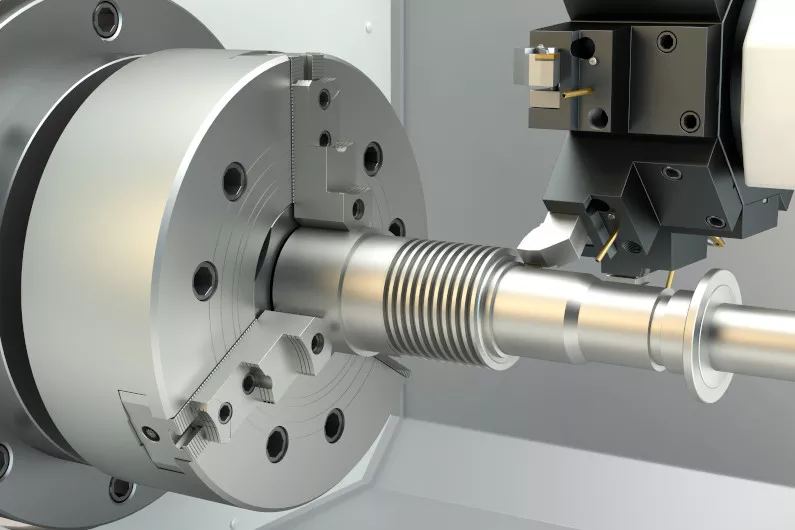
Molybdenum is notorious for being “unmachinable.” Its extreme hardness and brittleness can quickly turn standard CNC processes into costly failures. At XTPROTO, we specialize in machining both Pure Molybdenum and high-strength TZM alloys. Through advanced tooling and proprietary cooling strategies, we achieve clean cuts, sharp threads, and chip-free edges with exceptional consistency. Whether your application demands the thermal conductivity of pure Mo or the high-temperature strength of TZM, we deliver precision you can rely on.
Solving the Challenges in Molybdenum Machining
Most machine shops treat Molybdenum like hardened steel—and that’s exactly why parts fail. As a true refractory metal, Molybdenum behaves very differently under cutting forces, heat, and vibration. At XTPROTO, we apply machining strategies specifically developed for Pure Mo and TZM alloys to eliminate the most common causes of scrap, dimensional instability, and structural damage.
Molybdenum’s brittle grain structure makes conventional machining highly susceptible to edge chipping, flaking, and micro-cracking—especially at cut exits and thin-wall features. At XTPROTO, we optimize rake geometry, cutting engagement, and tool-path strategies specifically for refractory metals, allowing us to produce razor-sharp edges, stable surface integrity, and chip-free geometries even on delicate features.
Deep internal threads in Molybdenum are notoriously difficult because aggressive tool wear and high cutting resistance can quickly snap conventional taps. To avoid catastrophic tool breakage and damaged parts, we rely on multi-axis thread milling and EDM-assisted machining processes. This approach enables us to produce clean, accurate threads in both through-holes and blind holes while maintaining excellent dimensional control.
For semiconductor, vacuum, and high-temperature environments, material contamination is often just as critical as dimensional accuracy. Even microscopic transfer from conventional tooling can compromise component performance. XTPROTO maintains dedicated refractory-metal machining workflows, including controlled tool management and specialized cleaning procedures, to preserve the integrity and purity of high-grade Molybdenum materials throughout production.
Molybdenum accelerates tool wear far faster than conventional engineering metals, making batch-to-batch consistency difficult for inexperienced shops to control. Our CNC machining centers utilize real-time tool wear compensation, high-pressure cooling systems, and tightly monitored process parameters to maintain stable tolerances and repeatable quality from the first component to the last.
About Molybdenum
Molybdenum is a high-performance refractory metal valued for its exceptional heat resistance, thermal stability, and dimensional reliability in extreme environments. Compared with conventional engineering metals, it maintains strength and structural integrity at temperatures where stainless steel and titanium begin to fail.
Molybdenum Material Properties
- Chemical Formula: Mo
- Purity: ≥99.95%
- Density: 10.2–10.22 g/cm³
- Melting Point: 2,623°C
- Recrystallization Temperature: 1,000–1,200°C
- Young’s Modulus: 327–329 GPa
- Tensile Strength: ~324 MPa
- Compressive Strength: ~400 MPa
- Hardness: ~60 HRA
- Poisson’s Ratio: 0.31
- Thermal Conductivity (20°C): 142 W/m·K
- Thermal Expansion Coefficient: 5.1–6.5 ×10⁻⁶/°C
- Electrical Resistivity (RT): ~5.7 ×10⁻⁶ Ω·cm
- Specific Heat Capacity: 0.25 J/g·K
Comparison of Common Molybdenum Alloys
These alloys are engineered to optimize strength, thermal stability, conductivity, and machinability for different high-performance applications.
TZM (Ti-Zr-Mo Alloy)
- Significantly improved high-temperature strength
- Higher creep resistance than pure Mo
- Better structural stability under load
- Improved machinability vs pure Mo
Molybdenum-Copper (MoCu)
- Higher thermal conductivity due to Cu phase
- Lower high-temperature strength
- Better machinability than pure Mo
- Used for thermal management applications
Molybdenum-Lanthana (MoLa)
- Enhanced recrystallization resistance
- Improved ductility at high temperature
- Stable performance in furnace environments
Molybdenum-Rhenium (MoRe)
- Extremely high strength and ductility
- Excellent performance in extreme environments
- More difficult to machine
Pure Molybdenum (Mo-1)
- Baseline reference material
- Excellent thermal conductivity
- Moderate machinability
- Best for vacuum & thermal applications
Molybdenum-Hafnium-Carbon (MHC)
- Exceptional high-temperature strength and creep resistance
- Superior structural stability in extreme heat environments
Advantages of Molybdenum in Machining
Maintains mechanical integrity and high strength at temperatures where most metals soften, making it vital for aerospace and vacuum furnace components.
Enables rapid heat dissipation, ensuring dimensional stability and preventing thermal deformation during both machining and high-speed operations.
Exceptional resistance to corrosion and chemical erosion, ideal for components operating in harsh, reactive, or high-purity environments.
Capable of being machined into intricate, high-precision geometries with ultra-fine surface finishes, meeting the strict tolerances of the semiconductor and medical fields.
Why Choose XTPROTO for Molybdenum Machining?
We minimize scrap risk in expensive Molybdenum machining through proven refractory metal experience. Proprietary tool-path control and stress management techniques help prevent micro-cracking, delamination, and edge chipping.
We specialize in deep-hole features, micro-threading, thin-wall structures, and complex geometries. Using multi-axis CNC, precision EDM, and thread milling, we handle what most shops avoid.
Dedicated machining systems for Molybdenum and TZM prevent cross-contamination. Controlled tooling, cooling fluids, and handling procedures ensure material purity for semiconductor and vacuum applications.
Every part is inspected using CMM and optical measurement systems. We provide full MTR and COC documentation to guarantee material grade, tolerance, and conformance.
We implement rigorous material inventory controls and DFM-led scrap reduction strategies to protect your investment in high-value refractory stocks.
Our Advanced Machining Infrastructure
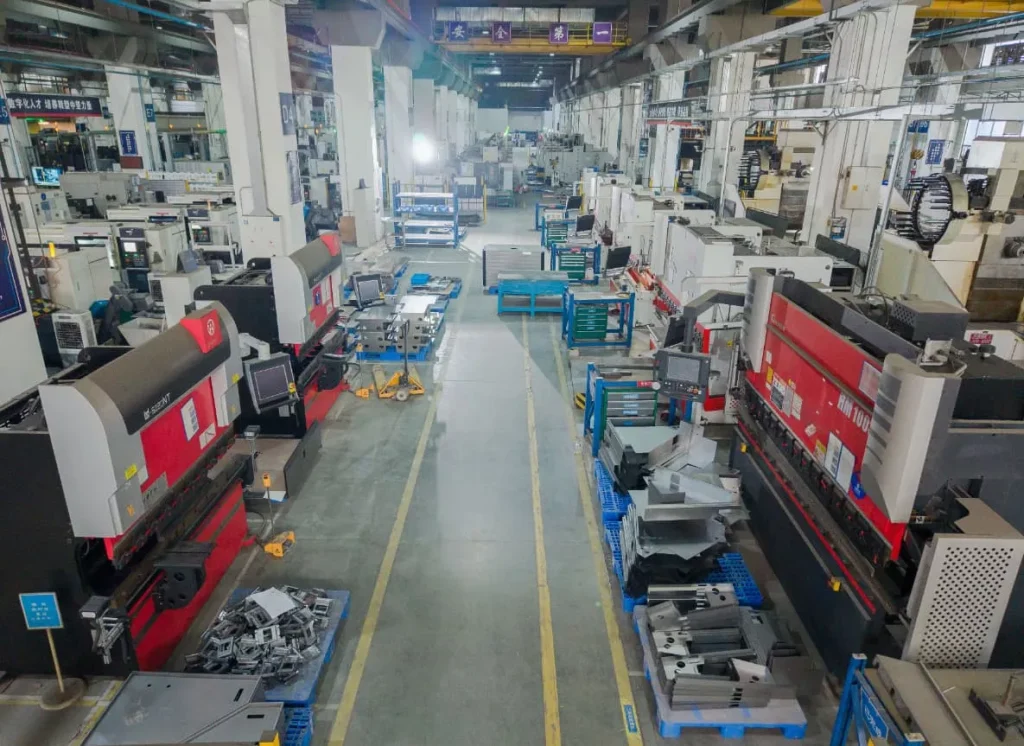
XTPROTO operates a high-performance fleet of Brother, Fanuc, and Haas CNC centers, specifically configured for the high rigidity required to machine abrasive Molybdenum without vibration. Our facility integrates multi-axis milling and turning with dedicated Wire-EDM and Sinker EDM for stress-free processing of intricate geometries. This robust hardware infrastructure ensures we can seamlessly scale from complex single prototypes to high-volume production while maintaining micron-level precision and material integrity.
Engineering Support for Molybdenum Machining
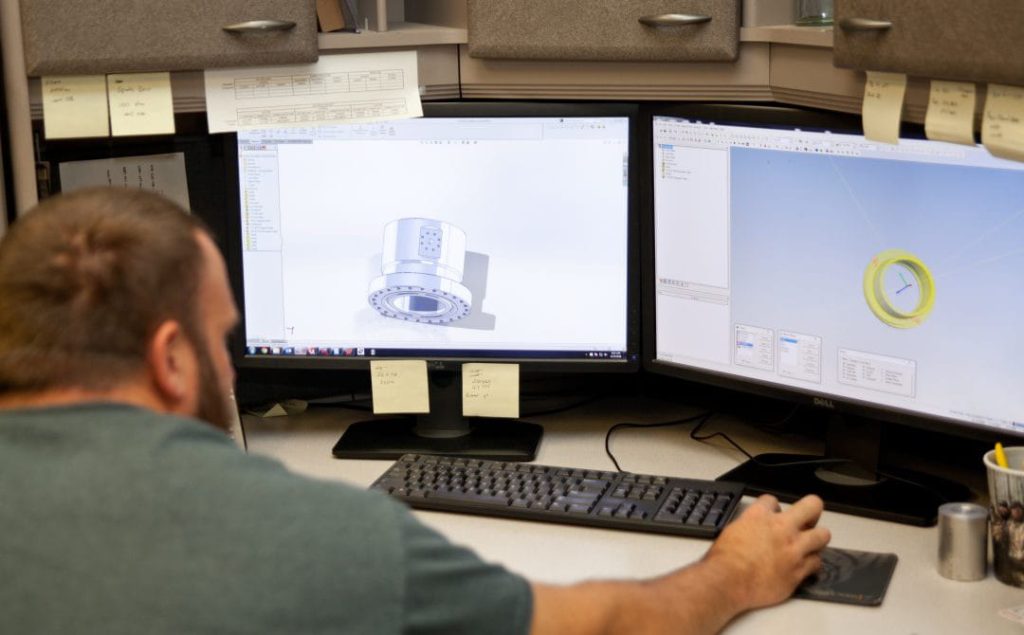
Our engineering team has extensive experience working with difficult-to-machine refractory metals, including Pure Molybdenum and TZM alloys. Before production begins, each project is evaluated for machining feasibility, stress concentration, wall thickness stability, and tolerance requirements to reduce the risk of cracking, deformation, or material waste.By combining practical machining experience with application-focused engineering support, we help optimize complex geometries, improve manufacturability, and maintain process consistency across both prototype and production stages.
Design for Manufacturability (DFM) for Molybdenum
To ensure structural integrity and cost-efficiency, please follow these core design parameters:
- Internal Radii: ≥ material thickness (reduces stress cracking)
- Thread Engagement: 50%–60% depth (prevents tool and material failure)
- Edge Clearance: ≥ 2× hole diameter (avoids edge breakout)
- Minimum Wall Thickness: 0.5 mm for CNC; below 0.5 mm requires etching
- Hole Aspect Ratio: max 5:1 depth-to-diameter (maintains machining stability)
- Blind Holes: include bottom radius or relief feature to reduce stress concentration
Molybdenum Machined Parts
- Vacuum Chamber Components
- Semiconductor Heating Components
- Thermal Shields & Heat Sinks
- High-Temperature Fixtures
- Precision Bushings & Sleeves
- Threaded & Thin-Wall Components
- EDM-Cut Precision Structures
- Furnace & Thermal System Parts
- Aerospace High-Temperature Components
- Custom TZM Machined Parts
Quality Assurance & Inspection
As an AS9100D and ISO9001 certified manufacturer, quality is embedded into every stage of our Molybdenum machining process. Our dedicated inspection department utilizes advanced metrology tools, including CNC intelligent endoscopes, CMM, and high-precision optical systems, to verify internal geometries and surface integrity that standard tools might miss. We maintain a rigorous quality management system that ensures every component meets the stringent tolerances and purity standards required by the aerospace and semiconductor industries, providing full traceability and documented excellence for every project.
Production Capacity & Rapid Turnaround
We bridge the gap between complex prototyping and full-scale industrial supply with flexible production scaling:
Rapid Machining
Small-Batch Production
High-Volume Manufacturing
Our Molybdenum Machining Capabilities
Leveraging a deep understanding of pure molybdenum, TZM, and Mo-La alloys, we have mastered the challenges of machining these notoriously hard and brittle materials. By integrating optimized cutting strategies with high-rigidity CNC equipment, we excel in producing ultra-thin walls, micro-features, and complex 5-axis geometries while maintaining total structural integrity and eliminating the risk of micro-cracking. From high-precision prototyping to rigorous high-volume production, we ensure every component delivers exceptional dimensional stability in extreme high-temperature and vacuum environments, providing reliable solutions for the semiconductor, medical, and aerospace industries.
Molybdenum Machining Processes
CNC Machining
CNC Milling
CNC Turning
Grinding & Polishing
Drilling & Tapping
EDM & Wire-EDM
Surface Finishing for Molybdenum Machining
Molybdenum is prone to micro-cracking, edge brittleness, and subsurface damage during machining. In high-vacuum and high-temperature applications, even minor surface defects or contamination can significantly affect performance. Our finishing processes are designed to restore surface integrity while ensuring application-specific functionality.
Machining Specifications for Molybdenum
- Typical Tolerance:±0.01 mm (tighter tolerances available upon request)
- Minimum Feature Size:Micro-scale features supported depending on geometry
- Maximum Part Size:Varies by machining process and equipment selection
- Minimum Wall Thickness:Thin-wall machining available with controlled stress strategies
- Thread Capability:Internal / external threads via CNC thread milling and EDM (tap-free)
- Surface Roughness:Ra 0.4–3.2 μm depending on finishing process
- Geometric Complexity:Supports deep cavities, thin walls, undercuts, and multi-axis features
- Machining Processes:3-axis / 4-axis / 5-axis CNC, Wire-EDM, Sinker-EDM
End-to-End Manufacturing for Molybdenum Components
XTPROTO provides a unified workflow combining high-rigidity CNC machining with advanced photochemical etching to handle Molybdenum components from 0.0005″ foils to complex 5-axis structures. Our end-to-end process integrates stress-relief annealing and multi-stage ultrasonic cleaning to ensure every part is delivered stress-free, contamination-free, and ready for high-vacuum or semiconductor assembly.
Applications of Molybdenum CNC Machining
Aerospace & Aviation
Semiconductor
Electronics
Medical & Scientific Equipment
Energy & High-Temperature Systems
Industrial Manufacturing
Molybdenum Machining: Frequently Asked Questions
How do you prevent edge chipping during Molybdenum machining?
How is the EDM "recast layer" handled on Molybdenum parts?
How do you guarantee material purity and alloy authenticity?
Are components delivered ready for High-Vacuum (UHV) use?
Is tapping Molybdenum risky for thread damage?
Ready to Start Your Project?
Send us your drawings or technical requirements, and our engineers will review manufacturability, tolerance feasibility, and material selection within a short response cycle.We help you turn complex Molybdenum designs into reliable, production-ready components.