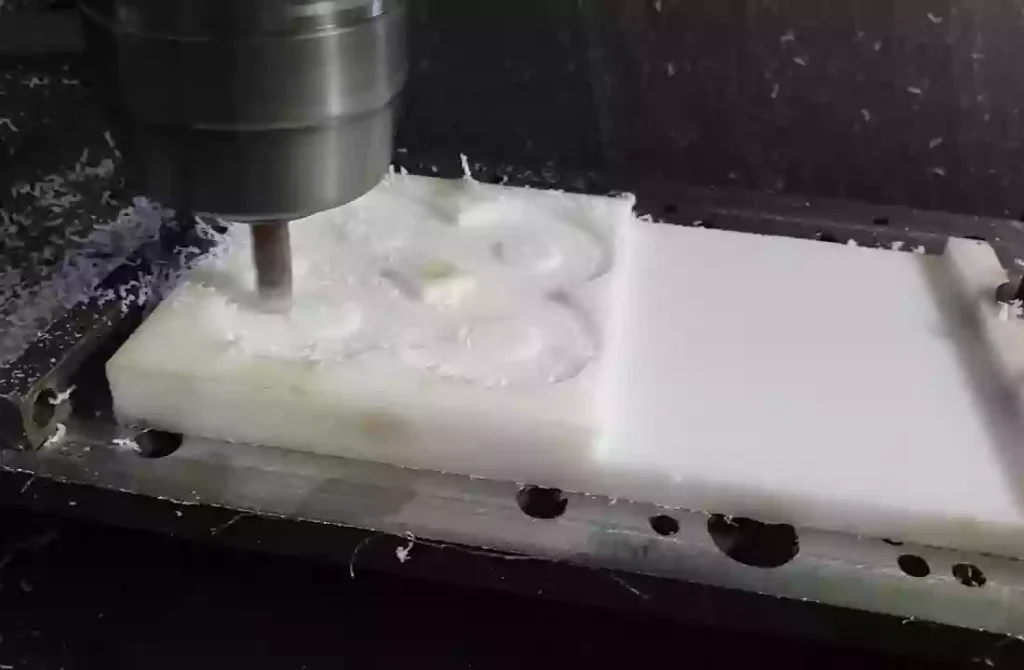
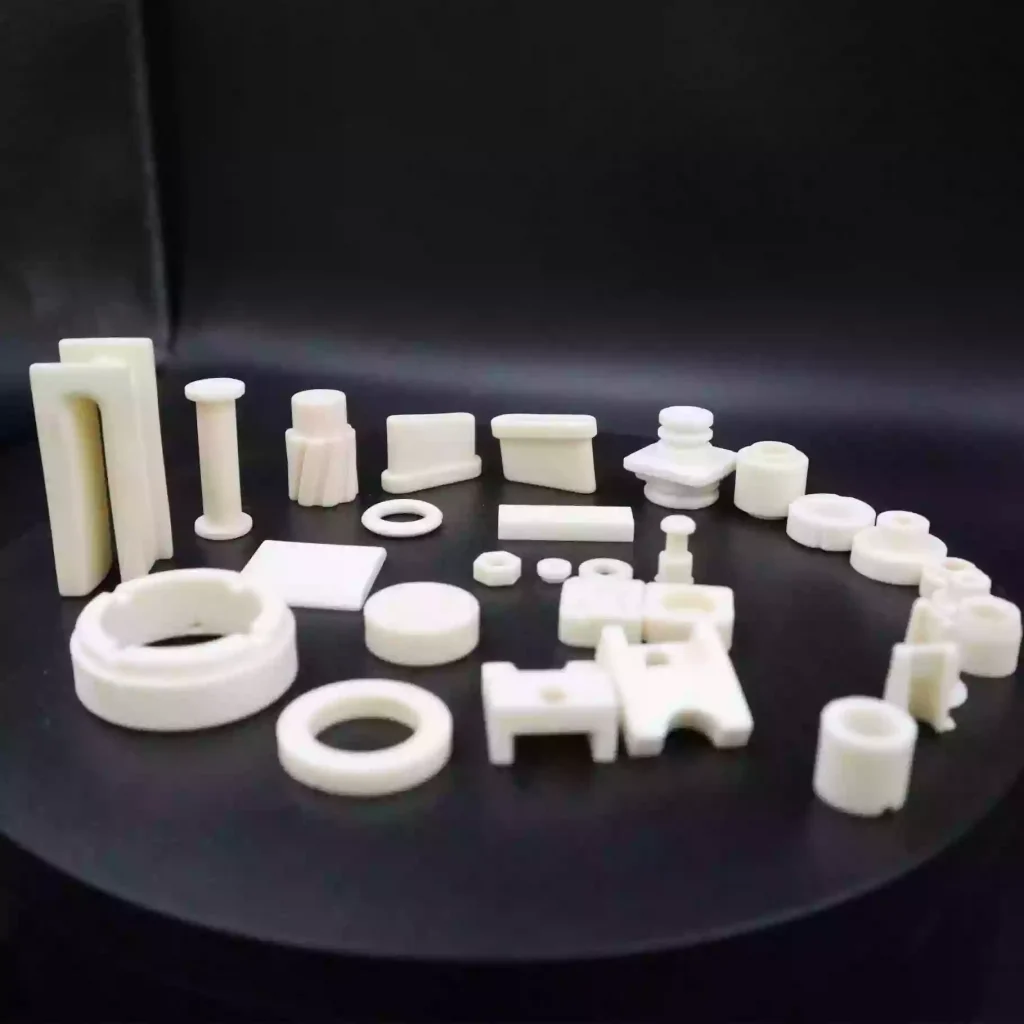
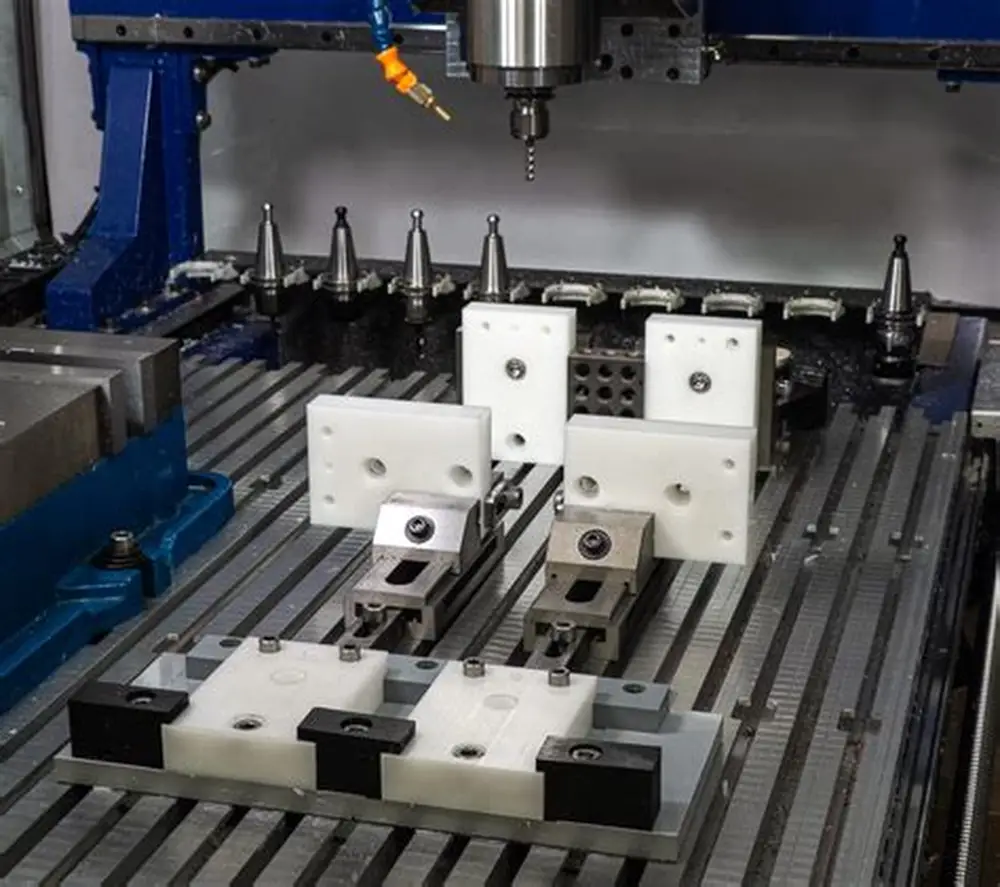
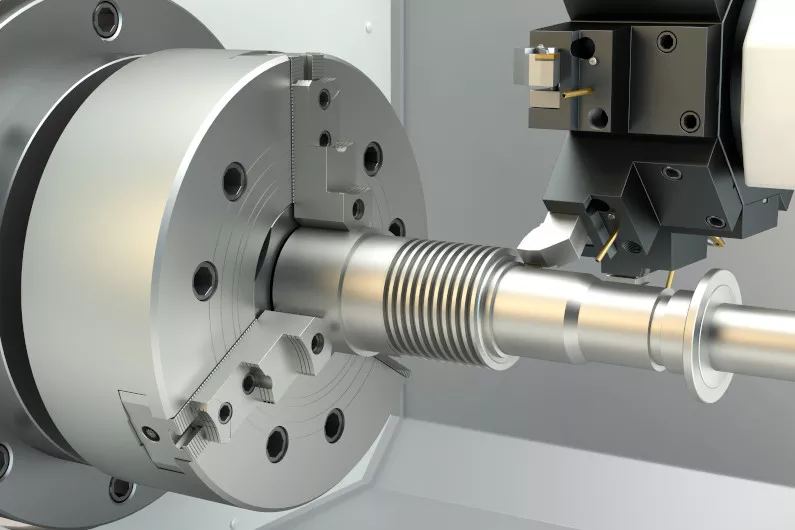
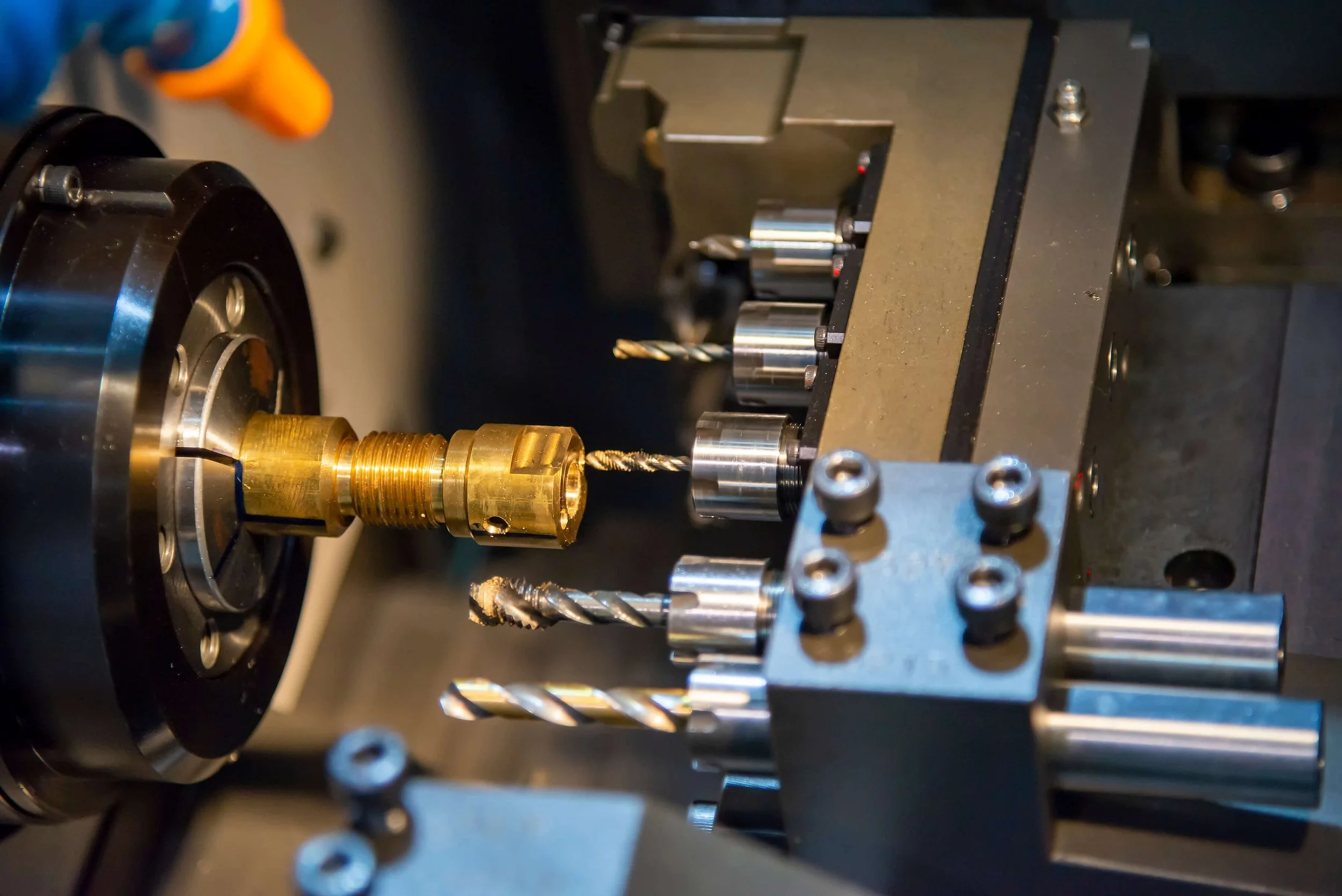
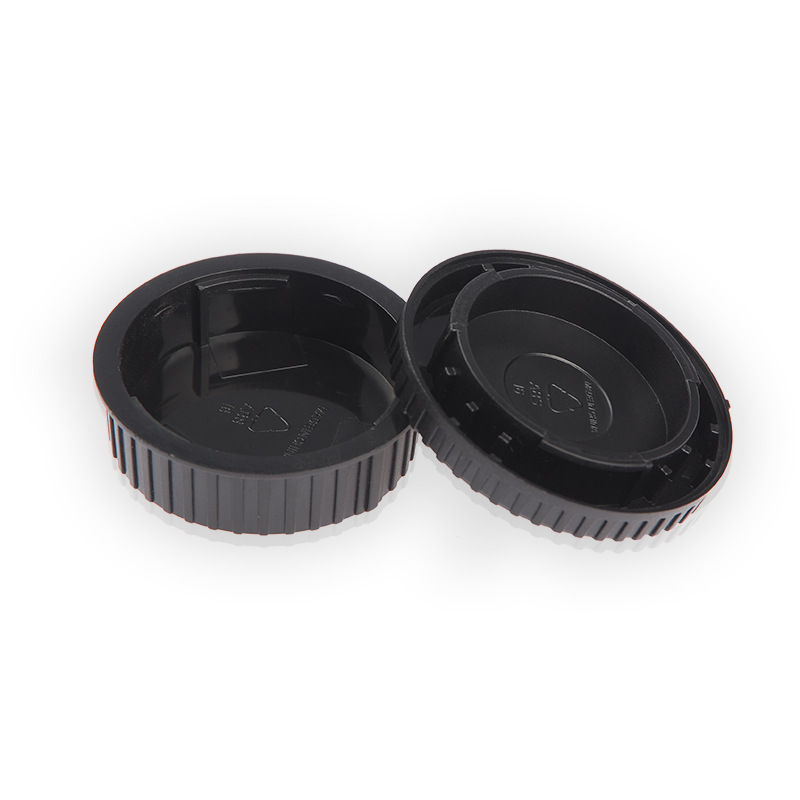
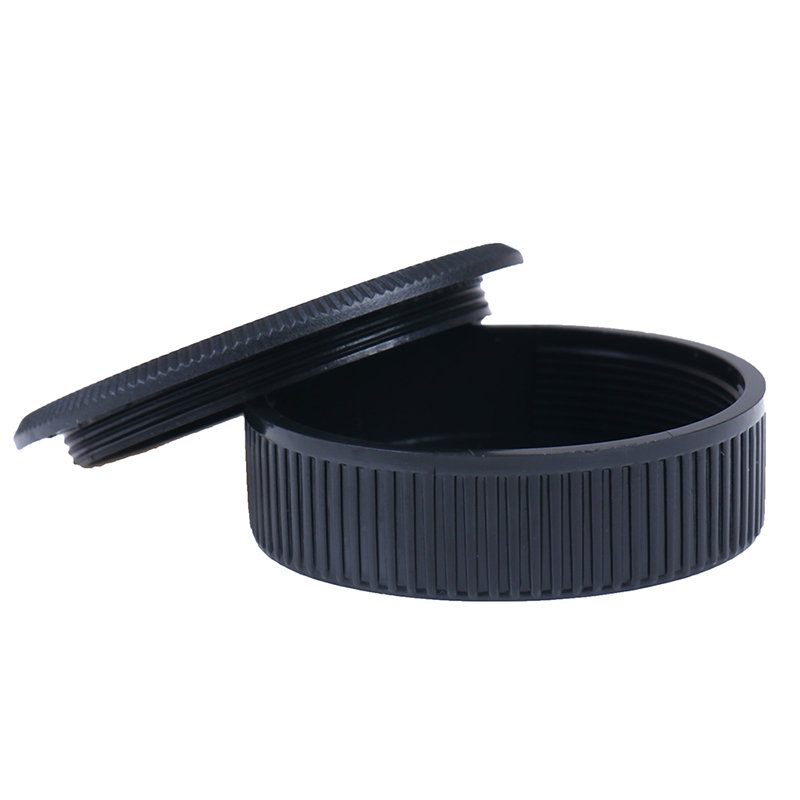
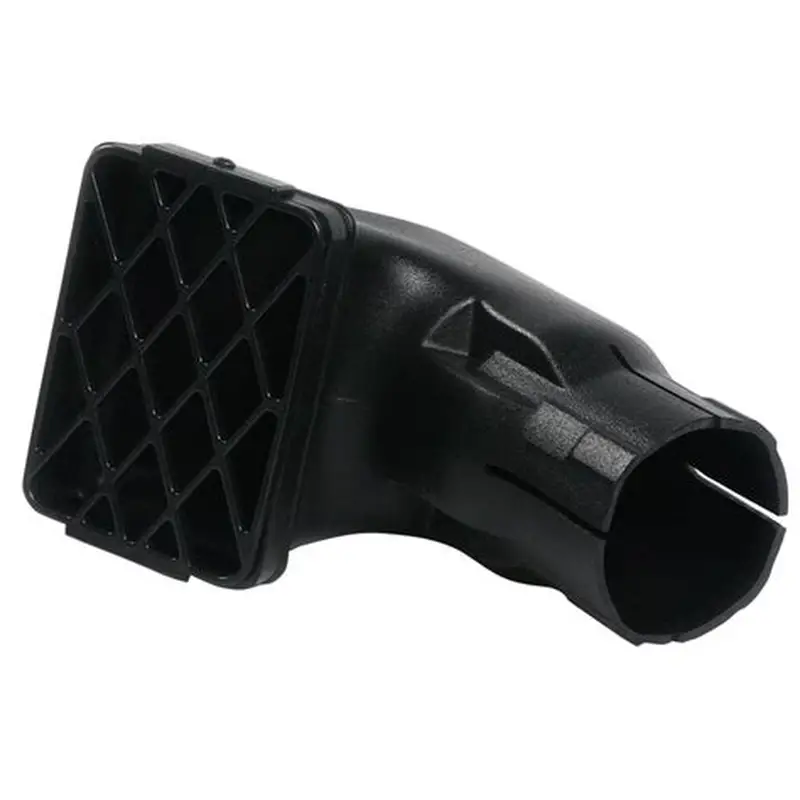
We specialize in CNC machining of high-performance Polypropylene (PP), delivering precise dimensional control and reliable repeatability. By leveraging advanced “living hinge” capabilities, we help accelerate your R&D process with fast, functional validation. Each component is engineered for excellent chemical resistance and superior flexural fatigue performance, meeting demanding industry standards.
Facing the inherent challenges of Polypropylene (PP)—such as thermal warpage, loose tolerances, and premature living hinge failure? We deliver one-stop custom CNC machining solutions to turn your complex designs into flawless functional parts.
From early-stage DfM (Design for Manufacturability) optimization to advanced stress-relief annealing, our engineering team eliminates production risks so you can focus entirely on your application requirements.
Overcoming the Toughest PP Machining Challenges
Despite its exceptional mechanical benefits, Polypropylene is notoriously difficult to machine due to its semi-crystalline structure and high thermal expansion. Conventional machining methods often fail, resulting in:
Thermal Warpage:High friction during cutting causes the material to expand and shift, leading to severe dimensional distortion once removed from fixtures.
Heavy Burr Formation:Due to its high ductility, PP tends to smear or melt rather than chip cleanly, leaving stubborn, stringy burrs that ruin part edge quality.
Hinge Stress Whitening:Improper tool paths or variable wall thickness create localized stress, leading to early cracking or failure in flexible hinge zones.
We don’t treat PP like standard plastics. We control it as a thermally sensitive material system through a rigorous, multi-step machining strategy:
1. Pre-Machining Stress Relief (Annealing)
We start exclusively with stress-relieved, annealed PP stock. This eliminates internal residual stresses before the first cut, preventing post-process twisting and warping.
2. Advanced Dynamic Thermal Control
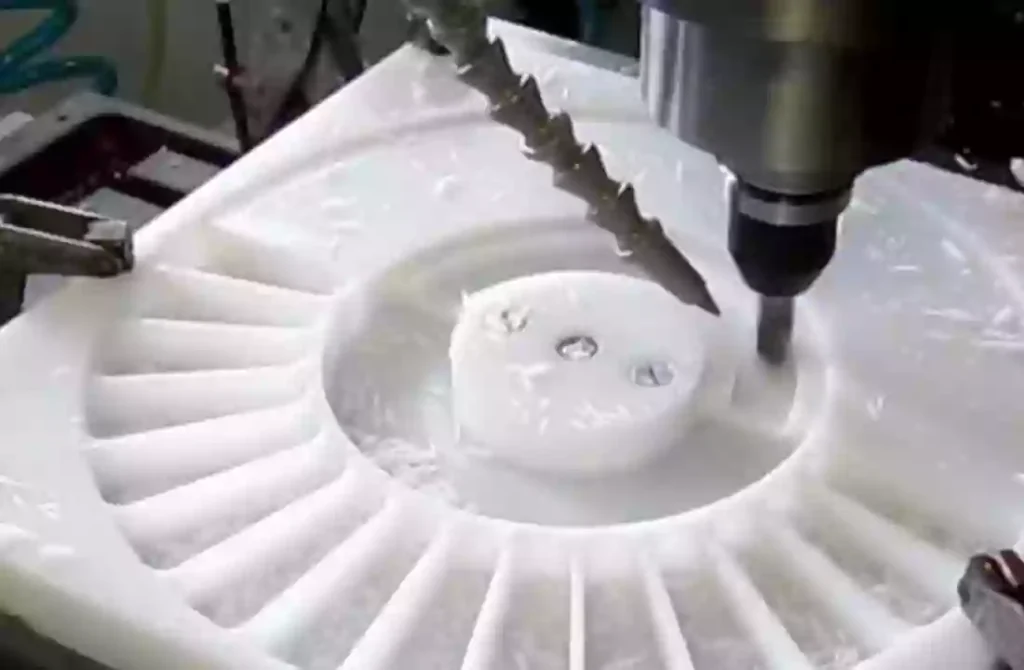
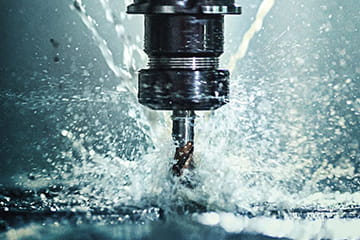
During CNC milling and turning, we implement high-speed spindle parameters balanced with optimized chip evacuation. By clearing chips rapidly, we prevent localized heat buildup, melting, and material smearing.
3. High-Precision Tolerance Execution
By maintaining absolute thermal equilibrium at the cutting interface, we consistently achieve tight tolerances up to ±0.05 mm, even for large-scale and highly complex geometries.
Industry-Leading Expert in CNC Machined Living Hinges
Producing functional, long-lasting living hinges via CNC machining requires extreme precision. Our specialized micro-milling technique replicates injection-molded performance without the costly tooling.
Ultra-Thin Geometries:We reliably machine consistent hinge sections down to 3 mm.
Structural Tool Alignment:Tool paths are precisely aligned with the material’s natural polymer chains, increasing tensile strength and preventing premature splitting.
Zero Stress Whitening:Controlled material removal ensures uniform stress distribution, allowing the hinge to withstand millions of flexes without fatiguing.
Polypropylene (PP) Material Guide & Properties
Polypropylene is an ultra-lightweight engineering thermoplastic favored for its superior fatigue endurance and zero moisture absorption.
Key Material Advantages
Unmatched Chemical Resistance Resistant to most acids, alkalis, and organic solvents, making PP ideal for chemical, laboratory, and fluid-handling applications.
Hydrophobic & Dimensionally Stable Near-zero moisture absorption ensures stable performance in humid, outdoor, or fully submerged environments without swelling or deformation.
Exceptional Fatigue Resistance PP can withstand millions of bending cycles without cracking, making it the preferred material for living hinges, snap-fit parts, and flexible enclosures.
Mechanical Properties (Strength & Durability)
Tensile Strength (Yield): 23 – 40 MPa
Elongation at Break: 100% – 600% (Exceptional flexibility)
High-precision centers to accelerate your project from design to delivery.
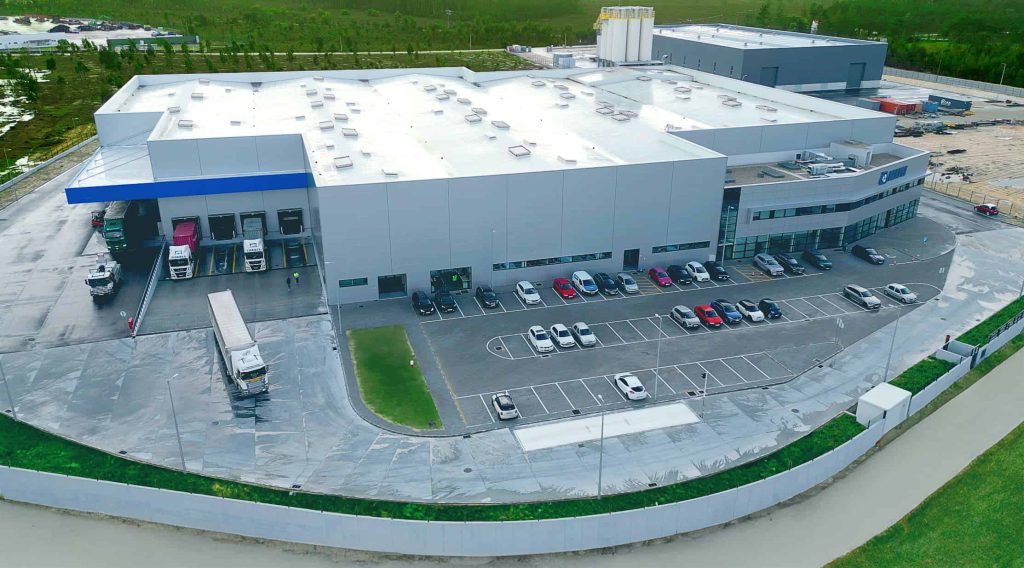
A 160,000-square-foot factory
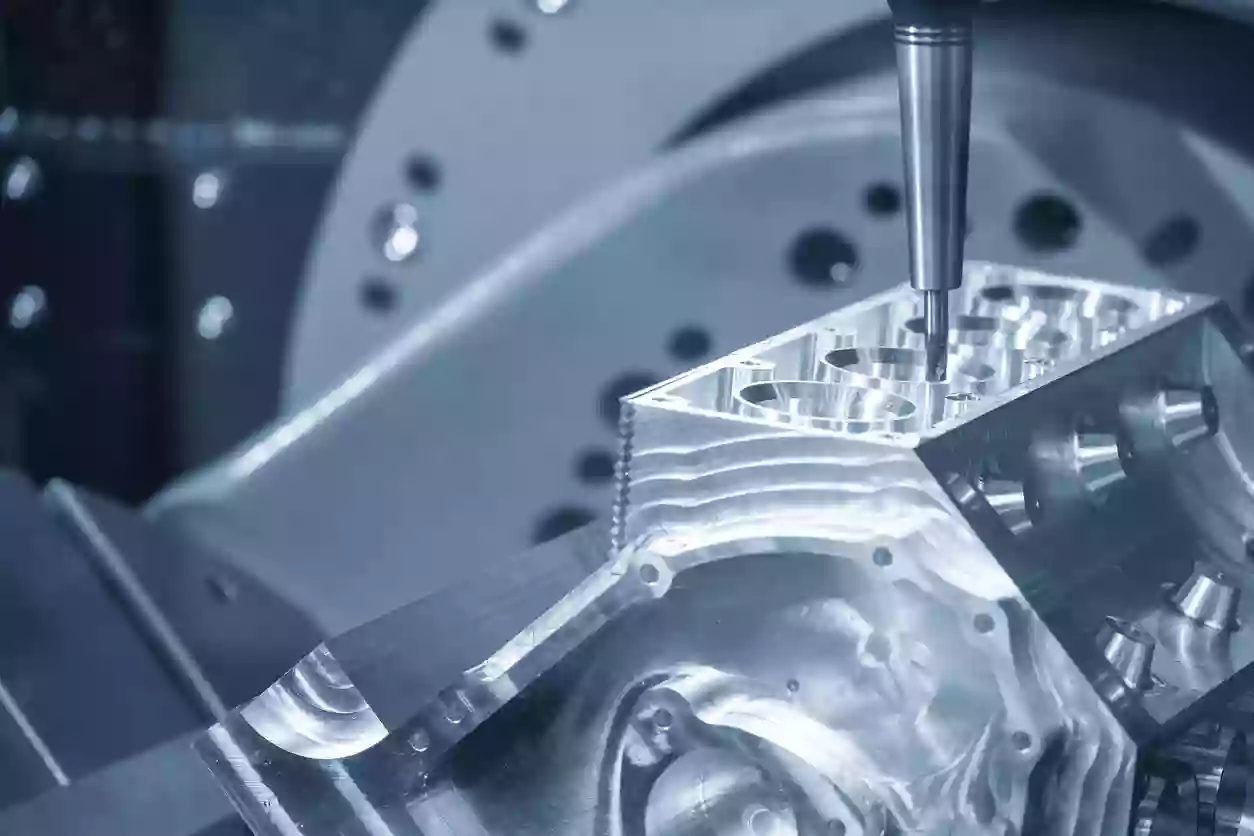
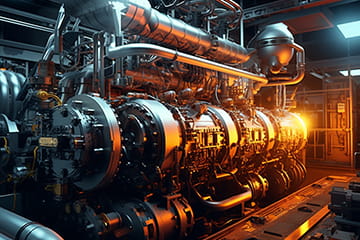
Our 160,000-square-foot facility reflects both our industrial scale and our commitment to being a one-stop precision manufacturing partner. It is a fully integrated production ecosystem that supports the entire project lifecycle, from rapid prototyping to high-volume manufacturing. Equipped with advanced 5-axis machining centers, precision Swiss lathes, and dedicated milling cells, our production system is designed for efficiency, consistency, and scalability. The facility also maintains a stable inventory of premium Polypropylene materials to support fast project start-up and reduce supply chain delays, while in-house quality inspection labs ensure strict dimensional and performance control before shipment.
Engineering Team 120+ Specialists
Behind our PP CNC machining capabilities is a dedicated engineering organization of over 120 technical experts, supported by a core team of 20+ senior engineers. This structure forms the technical backbone that allows us to consistently manage the challenges of machining Polypropylene, including deformation control, dimensional instability, and functional part validation.Our engineers work as a direct extension of the manufacturing process, ensuring that PP components are not only machinable but also stable and production-ready. By maintaining close coordination between engineering review and shop-floor execution, we are able to support complex PP geometries and functional features with predictable outcomes across both prototyping and low-volume production.
Quality Assurance
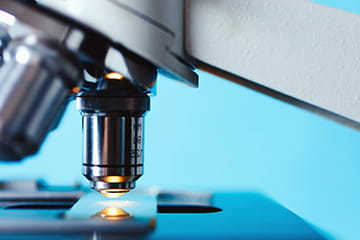
Our quality management system is built on precision control and full-process traceability. In climate-controlled metrology labs, temperature-sensitive materials such as Polypropylene are stabilized to ensure accurate and repeatable measurements under controlled conditions. We utilize advanced inspection systems including CMM (Coordinate Measuring Machines), automated optical inspection (AOI), and high-resolution laser scanning to verify complex geometries and maintain tight tolerances up to ±0.05 mm. Each project follows a structured inspection workflow from incoming material verification to in-process monitoring and final dimensional reporting, ensuring consistent compliance with ISO-aligned standards and reliable part-to-part quality.
Our PP CNC Machining Processes
CNC Machining
CNC Milling
CNC Turning
Swiss Machining
CNC Drilling
5-Axis Machining
Technical Specifications & Tolerances
Specification
Capability & Standard
Machining Tolerance
±0.125 mm (±0.005″)
Precision Grade
±0.05 mm (Available upon engineering review)
Minimum Wall Thickness
0.8 mm (Ensuring structural & flexural integrity)
Max Part Dimensions
1,200 x 500 x 150 mm (Large-format CNC capacity)
Surface Finish (Ra)
1.6 μm – 3.2 μm (As-machined standard)
Standard Lead Time
Approx. 6 Business Days (Scalable for volume orders)
Surface Finishing Options for CNC Polypropylene
Finish
Technical Description
Ideal Application
As-Machined
The part remains in its natural state with standard tool marks (Ra 1.6-3.2μm).
Internal industrial components where cost and material purity are key.
Bead Blasting
A high-pressure process that creates a uniform, non-reflective matte texture.
Aesthetic covers, medical device housings, and anti-glare surfaces.
Tumbling
Mechanical finishing used to smooth surfaces and efficiently remove machining burrs.
High-volume small parts requiring rounded edges and consistent deburring.
Painting
Specialized primers and surface etching are applied to ensure pigment adhesion.
Custom-colored prototypes or branding requirements where aesthetics are critical.
Powder Coating
A niche process utilizing specialized bonding agents for enhanced surface durability.
Parts requiring a thicker, more protective coating for specific environmental use.
Applications of Machined Polypropylene (PP)
Chemical Tanks & Liners
Pump Housings & Impellers
Surgical Trays & Tools
Valve & Filter Press Plates
Laboratory Sinks & Piping
Prosthetic Devices
Plating Barrels & Tubs
Die-Cutting Pads
Automotive Door Panels
Cleanroom Wall & Floor Panels
Battery Housings & Covers
Electronic Enclosures
Railway Crossing Parts
Living Hinge Prototypes
Washroom Partitions
Custom Processing Components
Industries of PP Machining
Medical & Laboratory Equipment
Food Processing Industry
Electronics Industry
Industrial Equipment & Machinery
Automotive Industry
Chemical Processing Industry
FAQs About CNC Machining Polypropylene (PP)
Is Polypropylene (PP) a strong material?
Despite its lightweight nature, PP exhibits impressive strength-to-weight ratios. It is capable of bearing significant loads while maintaining exceptional fatigue resistance, making it ideal for parts subject to repetitive stress, such as living hinges.
Can Polypropylene be CNC machined?
Yes. However, due to its low melting point and high ductility, it requires specialized tooling and heat management. We utilize optimized cutting speeds to prevent "smearing" and ensure precise dimensional stability.
What are the main advantages of PP?
PP is highly valued for its superb chemical resistance, low moisture absorption, and excellent electrical insulation. It remains stable when exposed to a wide range of solvents, acids, and alkalis.
Is PP plastic brittle or flammable?
PP is not brittle; it is highly ductile and impact-resistant, even at lower temperatures. Regarding flammability, PP is a combustible material, though flame-retardant additives can be used for specific industrial requirements.
Is Polypropylene cost-effective?
Yes. PP is one of the most economical engineering plastics available. It offers a high performance-to-price ratio, especially for large-volume industrial components.
Which industries use CNC machined PP parts?
It is widely used in Chemical Processing (tanks/valves), Medical (surgical trays/containers), Automotive (interior trim/battery boxes), and Laboratory equipment.
Precision PP Parts Without the Hassle.
Tired of burrs and warping? Our expert team ensures ±0.125 mm tolerance and clean finishes on every Polypropylene project. Upload your CAD file for a 24-hour quote.