POM CNC Machining Services
From stress control to high-speed finishing, we go beyond standard CNC machining to ensure POM components remain stable, precise, and assembly-ready—even in tight-tolerance applications.
Built-to-Print POM Machining
Most POM parts fail not during machining, but after. Stress relief and material movement can lead to warping, tolerance drift, and assembly problems, often occurring at the most critical moments.
At XTPROTO, POM machining is treated as a controlled engineering process. Through stress-relief annealing, optimized toolpaths, and precision finishing, we ensure parts hold a stable ±0.01 mm — not just off the machine, but in real use.
From DFM feedback to final delivery, we provide seamless, on-demand solutions for New Product Introduction (NPI), OEM, and ODM projects. You simply provide your drawings or requirements, and we handle the rest.
What is POM Plastic?
POM (Polyoxymethylene), also known as Acetal or Delrin®, is a high-performance engineering thermoplastic known for its high strength, low friction, excellent wear resistance, and outstanding dimensional stability. It is widely used in CNC machining for precision parts that require tight tolerances and long-term mechanical reliability.
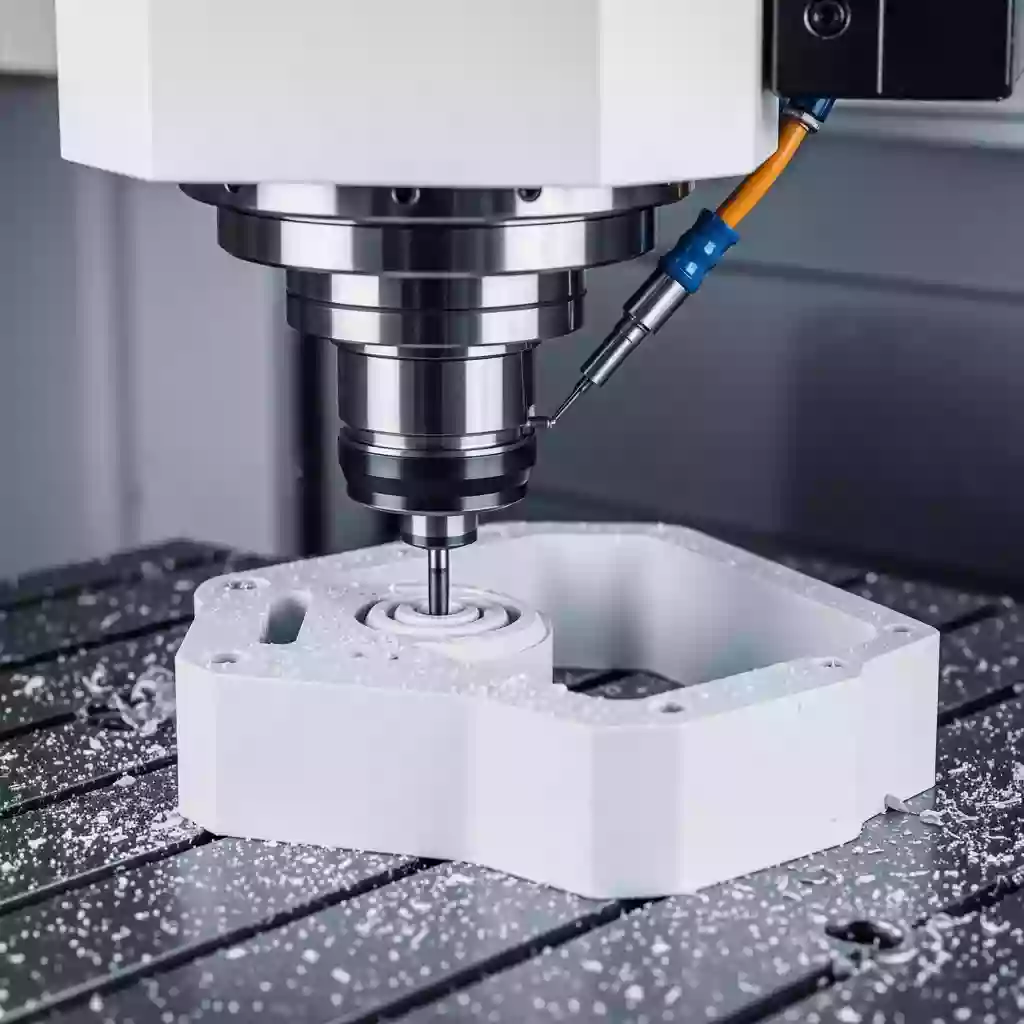
POM CNC machining refers to the process of using CNC equipment to machine this material into custom parts based on engineering drawings. It is commonly used for gears, bearings, bushings, connectors, and other functional mechanical components across automotive, electronics, and industrial applications.
Delrin® (POM-H) is a higher-grade version of POM with improved stiffness, strength, and fatigue resistance, making it suitable for demanding load-bearing and high-wear applications.
Benefits of POM CNC Machining
- High Mechanical Strength & Stiffness– Maintains structural integrity under load without deformation.
- Low Friction Performance– Ideal for moving parts such as gears, rollers, and bearings.
- Excellent Dimensional Stability– Retains shape under temperature and mechanical stress changes.
- High Wear Resistance– Suitable for high-cycle and long-life mechanical applications.
- Low Moisture Absorption– Prevents swelling and maintains long-term accuracy.
- Excellent Surface Finish– Achieves smooth, clean surfaces directly from machining.
- Good Chemical Resistance– Resistant to fuels, oils, and common industrial solvents.
- Easy Machinability– Supports high-speed CNC machining with minimal post-processing.
- High Impact Resistance– Performs reliably under repeated mechanical loading.
- Lightweight with Metal-like Strength– Strong yet lightweight for efficient mechanical systems.
POM Material Properties
Polyoxymethylene (POM / Acetal / Delrin®) is a high-performance engineering plastic known for its excellent balance of strength, stiffness, low friction, and outstanding dimensional stability. It is widely used in precision CNC machined components where wear resistance and consistent tolerances are critical.
Property | Typical Value | Engineering Insight |
Density | 1.41–1.45 g/cm³ | High strength-to-weight balance |
Tensile Strength | 60–89.6 MPa | Reliable load-bearing capability |
Elastic Modulus | 2.6–4.0 GPa | High stiffness, resists deformation |
Elongation at Break | 10–75% | Grade-dependent toughness and flexibility |
Hardness | Shore D ~85 / M80–M90 | Wear-resistant surface performance |
Friction Coefficient | 0.2–0.35 | Excellent for sliding / moving parts |
Water Absorption | 0.2–0.8% | Very low moisture sensitivity |
Operating Temperature | -40°C to ~100°C (short-term 140°C) | Stable in most industrial environments |
Thermal Expansion | 75–202 ×10⁻⁶ /°C | Requires stress control in precision machining |
POM Grades We Machine
Grade | Key Feature | Typical Use |
POM-C (Copolymer) | Chemical resistance + stability | General precision parts |
POM-H (Homopolymer / Delrin®) | Higher stiffness & strength | High-load mechanical parts |
GF-POM (Glass Filled) | Increased rigidity | Structural / load-bearing parts |
ESD POM | Antistatic performance | Electronics / clean environments |
FDA Grade POM | Food-contact compliant | Food & medical-related components |
POM CNC Machining with Full Process Control
At XTPROTO, we specialize in precision CNC machining of POM components with a strong focus on dimensional stability and repeatability. Unlike standard machining providers, we do not simply process drawings — we control the entire manufacturing behavior of POM parts, from material selection and machining strategy to stress management and final inspection. This allows us to deliver components that remain stable, accurate, and assembly-ready across prototypes and production runs.
We support full built-to-print manufacturing services for NPI, OEM, and ODM projects, providing a seamless workflow from DFM review to final delivery. Every project is handled under strict process control to ensure consistency, reduce manufacturing risk, and maintain tight tolerances in real-world applications.
Deformation & Precision Control
POM is prone to internal stress release after machining, which can lead to delayed warping and dimensional drift in tight-tolerance parts.
We control this by using a staged machining strategy with separate roughing and finishing processes, allowing controlled stress release between operations instead of continuous material removal. Symmetric stock removal is applied to balance internal forces, and thermal expansion behavior (75–202 ×10⁻⁶ /°C) is compensated during process planning. In temperature-sensitive cases, machining is performed under stable coolant conditions to reduce heat-induced distortion.This ensures parts remain stable within ±0.02 mm not only at inspection, but also after stress relaxation and real assembly conditions.
Burr-Free Machining Quality
Due to its ductile nature, POM tends to form burrs at tool exit points and fine features, especially under conventional feed and tool geometries. These burrs often require secondary finishing, which can introduce inconsistency in precision components.We solve this by using high rake-angle tooling (15°–20°), optimized high-speed cutting parameters, and controlled chip separation strategies to ensure clean shear cutting rather than material tearing. This allows parts to come off the machine with clean edges and consistent surface quality, eliminating or minimizing secondary deburring even in batch production.
Full Material Capability & Application Matching
Different POM grades behave differently under load and machining conditions, and incorrect material selection can lead to wear issues, dimensional instability, or compliance failure in service environments.
We machine a full range of POM materials including POM-C (copolymer), POM-H / Delrin® (homopolymer), glass-filled grades for increased rigidity, ESD-safe materials for electronics applications, and FDA-compliant grades for regulated use. Each material is selected and processed according to its mechanical and environmental behavior to ensure optimal performance in real-world applications.
POM Machining Services
CNC Machining
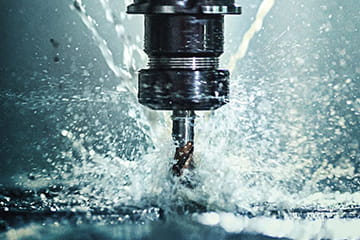
CNC Milling
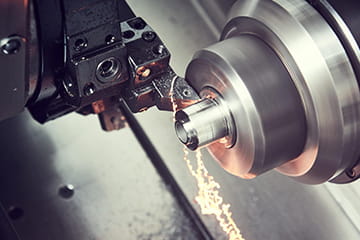
CNC Turning
5-Axis Machining
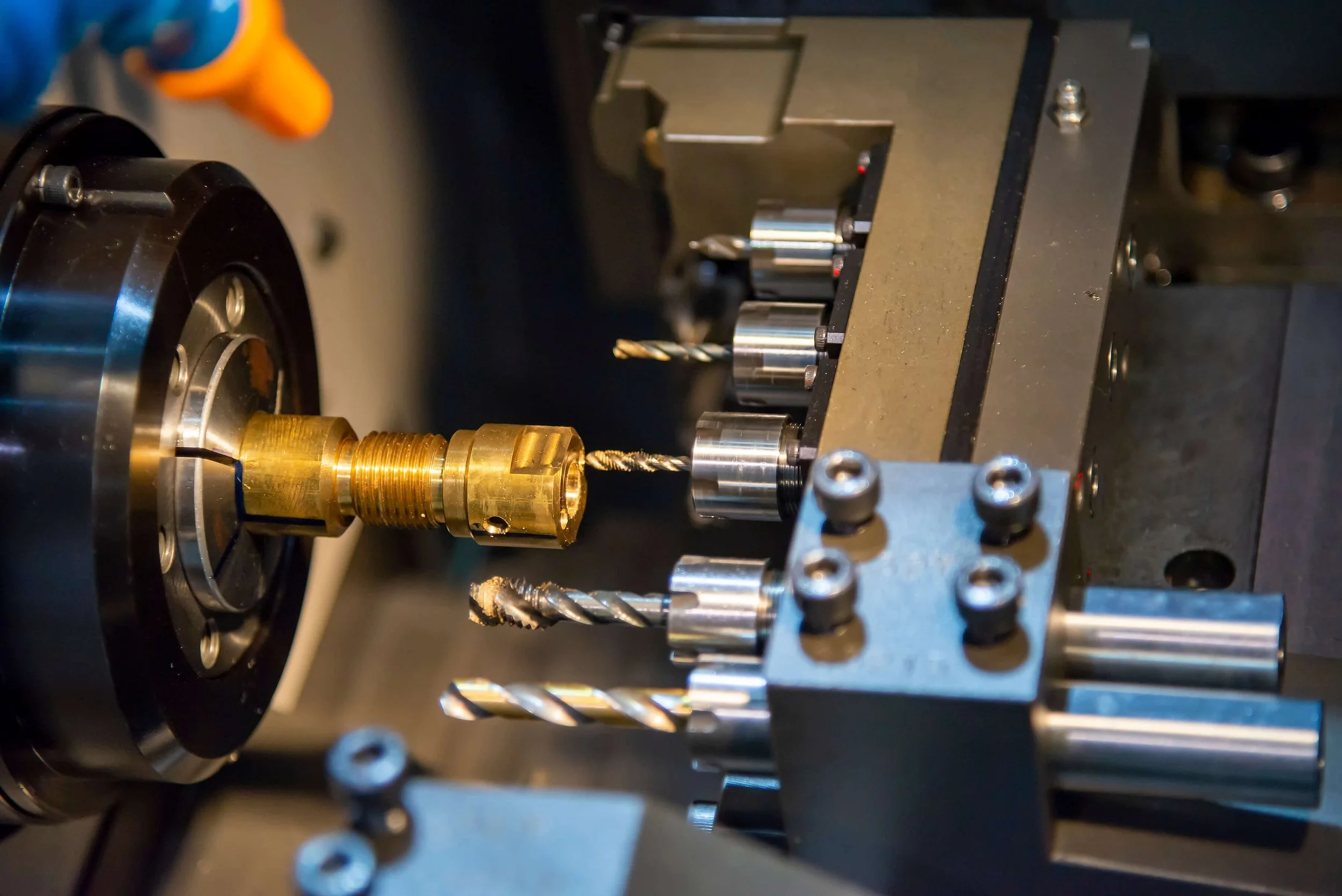
Swiss Machining
Packaging & Assembly
Industrial Scale Built for POM
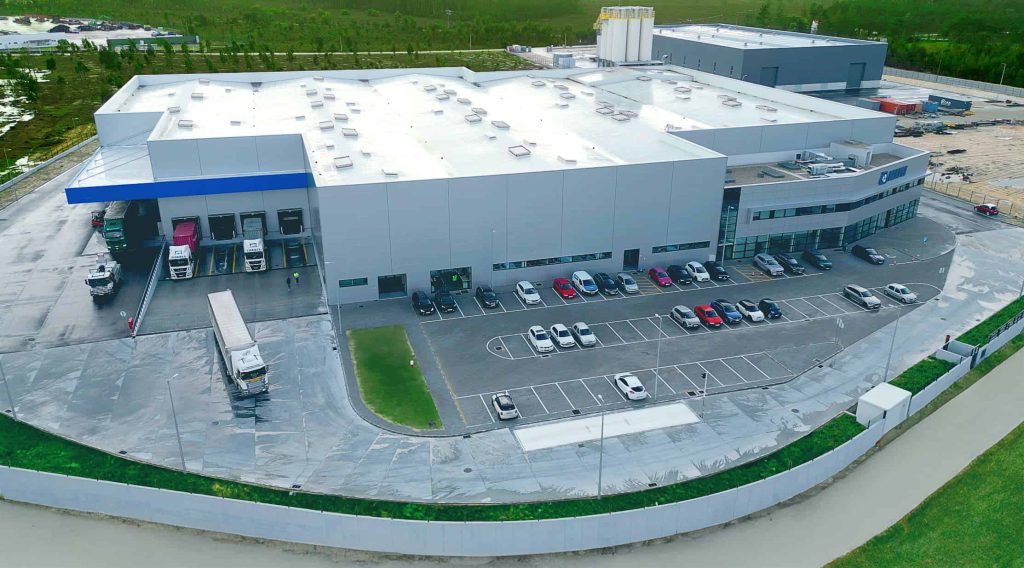
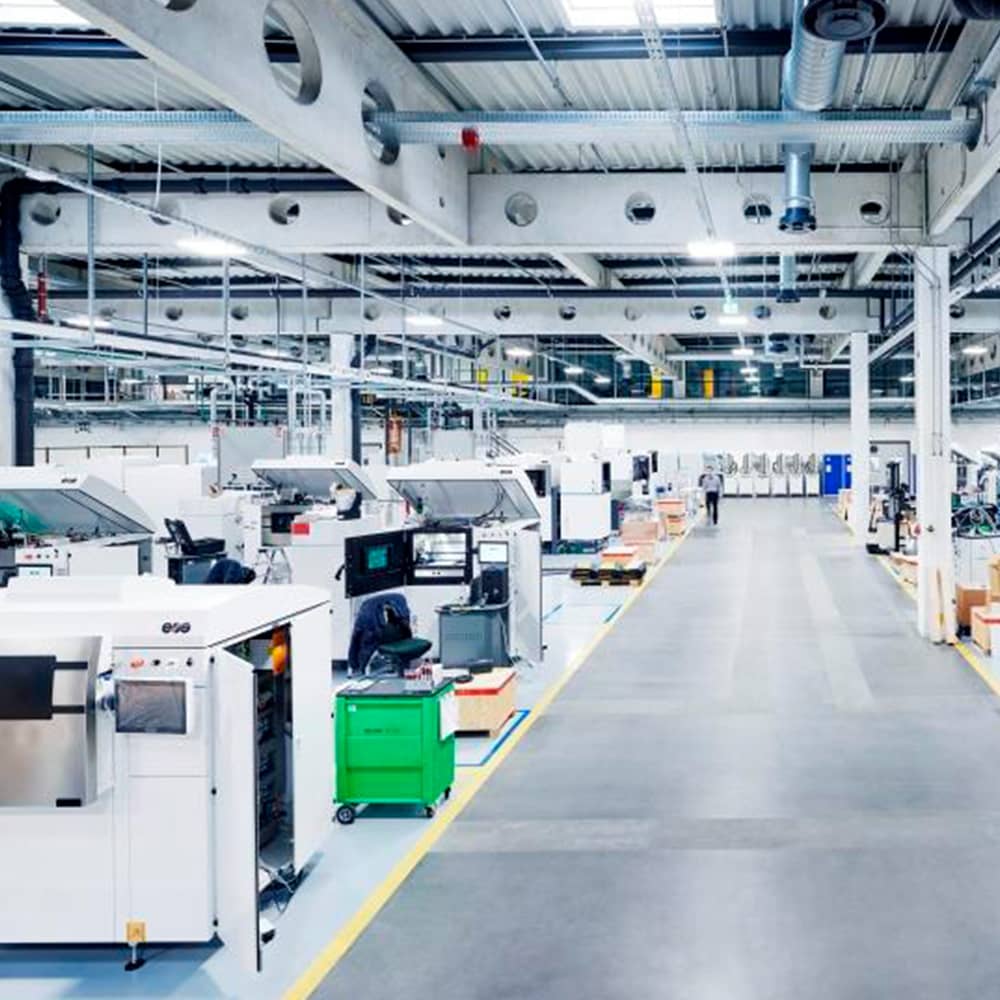
XTPROTO’s 160,000 sq. ft. facility is designed to bridge the gap between complex prototyping and high-volume POM production. With 120+ engineers ensuring process validation and toolpath optimization for material stability, and a 500-person production team supporting 24/7 operations, we eliminate variability across every stage of manufacturing. Our high-density CNC systems are specifically configured for the machining behavior of POM, ensuring that precision achieved in early prototypes is consistently replicated across full production runs with stable lead times and repeatable quality.
Engineering & DFM Support
Many POM part failures originate from design issues rather than machining itself, such as uneven wall thickness, sharp internal corners, or poorly distributed tolerances that concentrate stress during service or machining.Before production, we perform engineering DFM review focused on material behavior, evaluating wall thickness consistency, internal radius design, and tolerance allocation. Recommendations are provided to reduce stress concentration and avoid deformation risks specific to POM, ensuring designs are manufacturable, stable, and cost-efficient before cutting begins.
Quality Architecture for POM
POM parts are highly sensitive to temperature and internal stress. Our quality system focuses not only on post-machining measurement, but on ensuring dimensional stability in real assembly conditions.
Using climate-controlled CMM and optical measurement systems, inspection is performed after stress equilibration to ensure ±0.01 mm long-term dimensional stability.
Complete MTR material certification is provided for every batch, covering POM-C, Delrin®, and ESD-grade materials. All processes comply with ISO 9001 and meet RoHS/REACH standards.
Beyond dimensional inspection, we test surface roughness (Ra), load response, and wear performance to ensure reliable operation in real service conditions.
Infrastructure for POM Machining
XTPROTO operates a precision CNC infrastructure specifically configured for the machining behavior of engineering plastics. Every system is designed to improve stability, reduce thermal impact, and ensure consistent quality from micro components to complex geometries.
High-speed spindles (up to 20,000+ RPM) enable clean material shearing instead of heat buildup, reducing deformation and ensuring stable dimensional performance in POM components.
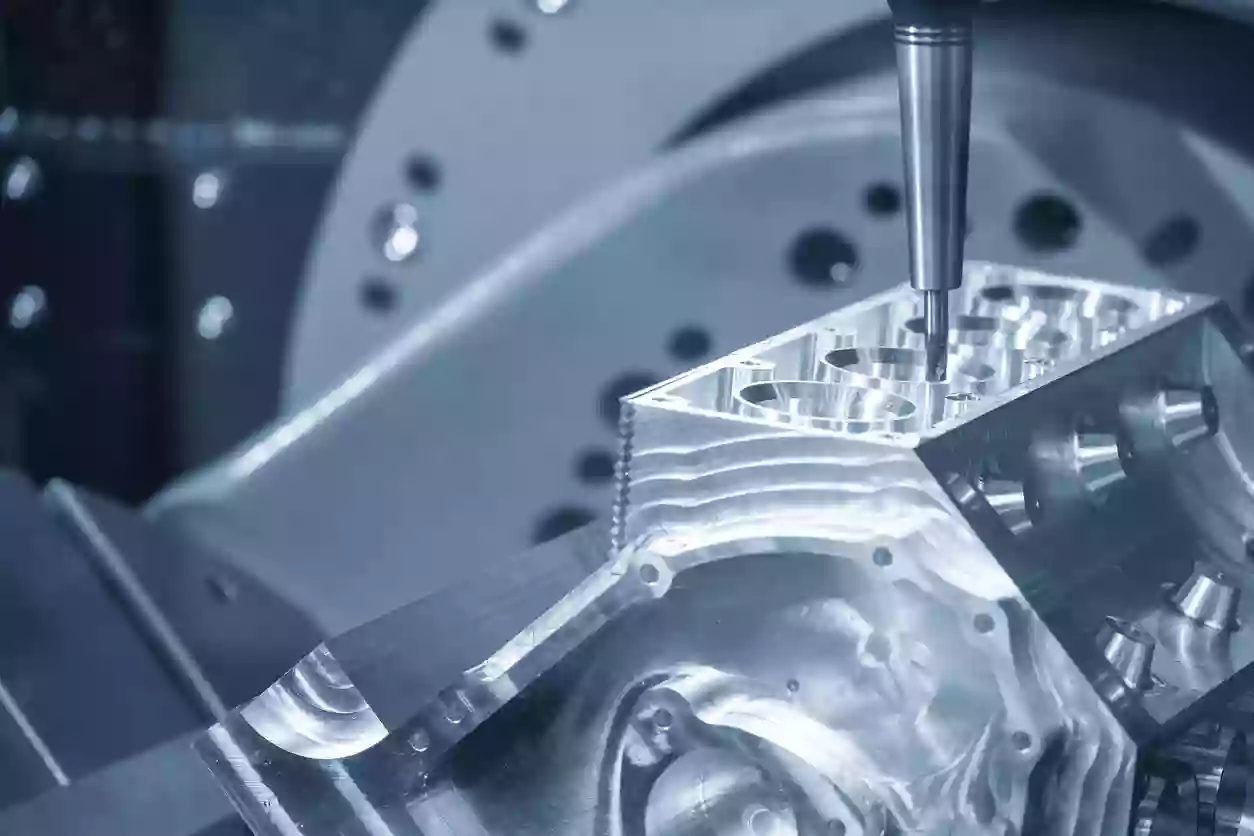
3-axis, 4-axis, and 5-axis machining are integrated to complete complex geometries in a single setup, minimizing re-clamping errors and protecting sensitive POM surfaces from cumulative stress.
Vacuum and low-pressure fixturing methods are used to avoid clamping-induced stress or surface deformation, ensuring dimensional integrity in low-modulus plastic materials like POM.
Dedicated high-rake, ultra-sharp carbide and PCD tooling ensures clean cutting performance, enabling burr-free surfaces and consistent Ra-level finishing without secondary processing.
Technical Specifications & Tolerance Standards
We operate within the physical limits of POM materials, combining stress-controlled machining and precision calibration to deliver stable, production-grade accuracy.
Feature | Specification | Technical Edge |
Tolerances | ±0.01 mm | Measured after stress stabilization to ensure real assembly accuracy, not just post-machining values |
Wall Thickness | Min 0.75 mm | Controlled feed strategy prevents deformation and collapse in thin-wall structures |
Max Part Size | 4000 × 1500 × 600 mm | Supports both micro components and large structural POM parts in one system |
Surface Finish | Ra 0.4 – 0.8 μm | Direct-machined finish with stable edge integrity and no secondary deburring |
Lead Time | From 3 Business Days | Fast DFM response and 24/7 production enable rapid turnaround |
Min Feature Size | Ø0.50 mm | Capable of ultra-fine geometries including micro holes and snap-fit features |
Surface Finishing for POM Machining
Although POM has low friction and self-lubricating properties that often allow direct use, XTPROTO provides advanced surface finishing solutions for functional, aesthetic, and assembly-critical applications. Each process is designed to enhance performance without compromising dimensional stability.
Why Choose XTPROTO for POM CNC Machining?
XTPROTO provides precision CNC machining for POM components with a focus on dimensional stability, production consistency, and engineering support. From design validation to final delivery, we ensure every part meets strict quality and performance requirements.
Industries of CNC Machined POM Parts
Automotive Systems
Electrical & Electronics
Medical & Healthcare
Industrial Machinery
Consumer & Functional Products
CNC POM Machining FAQ
What is the difference between POM, Acetal, and Delrin®?
Why do POM parts crack during machining?
How does POM compare to Nylon?
What affects the cost of CNC POM machining?
Can POM be laser cut?
Start Your Precision POM Machining Today
Simply submit your designs to receive expert manufacturing solutions from XTPROTO. Combining 160,000 square feet of production capacity with a rigorous quality control system, we ensure that every POM component achieves micron-level precision.