Steel CNC Machining

From carbon steel to hardened tool steels, we master the toughest alloys with sub-micron precision. Get DFM-optimized feedback and industrial-grade parts delivered in as few as 1 days.

End-to-End Steel Machining Solutions

We provide a streamlined path from CAD design to high-precision steel components. Our facility specializes in the complex processing of carbon, alloy, and tool steels, integrating advanced multi-axis CNC technology with rigorous material science. By managing the entire production lifecycle—including DFM optimization, high-tolerance machining, and specialized heat treatment—we deliver industrial-grade parts that meet exact mechanical specifications. We bridge the gap between complex engineering requirements and physical reality, ensuring every component provides the structural integrity and performance your project demands.

Steel Machining Solutions​

What is Steel Machining?

Steel CNC machining is the precise engineering of high-strength alloys into functional components through controlled material subtraction. Unlike standard milling, steel machining requires a sophisticated combination of high-rigidity equipment, optimized cutting strategies, and thermal management to handle the material’s inherent hardness and strength. By synchronizing multi-axis machining with material-specific process control, complex CAD geometries are transformed into durable parts while maintaining tight tolerances, dimensional stability, and surface integrity. This process is widely used to manufacture high-strength components for aerospace, industrial equipment, automotive, energy, tooling, and heavy-duty mechanical systems.

Mechanical Properties of Steel

Steel alloys exhibit a wide range of mechanical properties, making them suitable for diverse engineering applications in CNC machining.

  • Tensile Strength: 180–450 MPa
  • Yield Strength: 200–300 MPa
  • Fatigue Strength: XX–XX MPa
  • Elongation: 10–25%
  • Hardness: 120–250 HB
  • Density: 7.8–8.0 g/cm³
End to End Steel Machining Solutions​

Steel Grades for CNC Machining

From carbon steel to tool steel, we support a full range of machinable grades for precision and production parts.

Carbon Steel

1018 Carbon Steel

Low-carbon steel with excellent machinability and weldability. Commonly used for low-stress structural components and general CNC machined parts.

  • Tensile Strength: ~370 MPa
  • Hardness: ~126 HB
  • Elongation: ~15%
  • Density: 7.87 g/cm³

1045 Carbon Steel

Medium-carbon steel offering higher strength and wear resistance than 1018. Suitable for shafts, gears, and mechanical components.

  • Tensile Strength: ~620–850 MPa
  • Hardness: ~179–212 HB
  • Elongation: ~12%
  • Density: 7.85 g/cm³


A36 Steel

Low-carbon structural steel with good weldability and cost efficiency. Commonly used in construction and general fabrication.

  • Tensile Strength: ~250 MPa
  • Hardness: ~119 HB
  • Elongation: ~20%
  • Density: 7.85 g/cm³


1215 Steel

Free-machining steel with high sulfur content for excellent cutting performance. Used for fastener-type and high-volume machined parts.

  • Tensile Strength: ~415 MPa
  • Hardness: ~167 HB
  • Elongation: ~10%
  • Density: 7.87 g/cm³


Alloy Steel

4130 Alloy Steel

Chromium-molybdenum alloy steel with good strength, toughness, and weldability. Common in aerospace and tooling applications.

  • Tensile Strength: ~435 MPa
  • Hardness: ~197 HB
  • Elongation: ~25.5%
  • Density: 7.85 g/cm³


4140 Alloy Steel

High-strength alloy steel with excellent fatigue resistance and toughness. Widely used for shafts, gears, and structural components.

  • Tensile Strength: ~675 MPa
  • Hardness: ~302 HB
  • Elongation: ~17.8%
  • Density: 7.85 g/cm³


4140 PH Steel

Pre-hardened 4140 steel eliminating the need for post-machining heat treatment. Ideal when dimensional stability is critical.

  • Tensile Strength: ~685–896 MPa
  • Hardness: ~271–301 HB
  • Elongation: ~14–19%
  • Density: 7.85 g/cm³

4340 Alloy Steel

Ultra-high strength steel with excellent toughness and fatigue resistance under extreme load and temperature conditions.

  • Tensile Strength: ~470 MPa
  • Hardness: ~217 HB
  • Elongation: ~22%
  • Density: 7.85 g/cm³


Tool Steel

A2 Tool Steel

Air-hardening tool steel with high wear resistance and minimal distortion during heat treatment. Used for dies and cutting tools.

  • Tensile Strength: ~1275–1585 MPa
  • Hardness: ~57–62 HRC
  • Elongation: ~1–5%
  • Density: 7.86 g/cm³

O1 Tool Steel

Oil-hardening tool steel with excellent edge retention and machinability in heat-treated conditions. Used for cutting tools and dies.

  • Tensile Strength: ~400 MPa
  • Hardness: ~63–65 HRC
  • Elongation: ~20%
  • Density: 7.83 g/cm³
Multi axis Machining of Steel Parts

Why Use Steel for CNC Machining?

  • High strength-to-weight ratio– Strong performance for structural and load-bearing parts
  • Wear resistance– Suitable for gears, shafts, and high-friction components
  • High toughness– Withstands impact and heavy mechanical stress
  • Thermal stability– Maintains performance under elevated temperatures
  • Wide machinability range– From easy-to-machine to high-hardness steels
  • Dimensional stability– Supports tight tolerances and stable geometries

From Materials to Manufacturing Capability

Materials define potential. CNC machining defines reality.We turn engineering steels into precise, functional components with controlled and stable manufacturing processes.

Steel CNC Machining services hero

Steel Machining Precision Control

Steel’s volatile hardness and thermal expansion often compromise part integrity during machining. We solve this through compensated tool paths and high-pressure coolant systems that neutralize work hardening and heat-induced distortion. By deploying material-specific coating geometries and advanced thermal management, we ensure that even the most complex 316 or 4140 alloys maintain absolute dimensional stability. You receive hardened components with sub-micron precision and superior surface integrity, regardless of material complexity.

DFM

Manufacturing Efficiency Optimization

The primary cost of steel machining lies in cycle time and tool depletion rather than raw materials. Our DFM-led workflow optimizes part geometry—such as internal radii and depth-to-diameter ratios—to enable high-rigidity cutting and reduced pass counts. We integrate multi-station hydraulic fixturing and material substitution strategies to minimize setup errors and production overhead. This translates your high-strength designs into scalable, cost-optimized production cycles without compromising mechanical performance.

Steel CNC Machining Capabilities

We provide precision CNC machining for steel components ranging from standard carbon steels to high-strength alloy and tool steels. Our processes are designed to maintain dimensional accuracy, surface quality, and repeatability under demanding machining conditions.

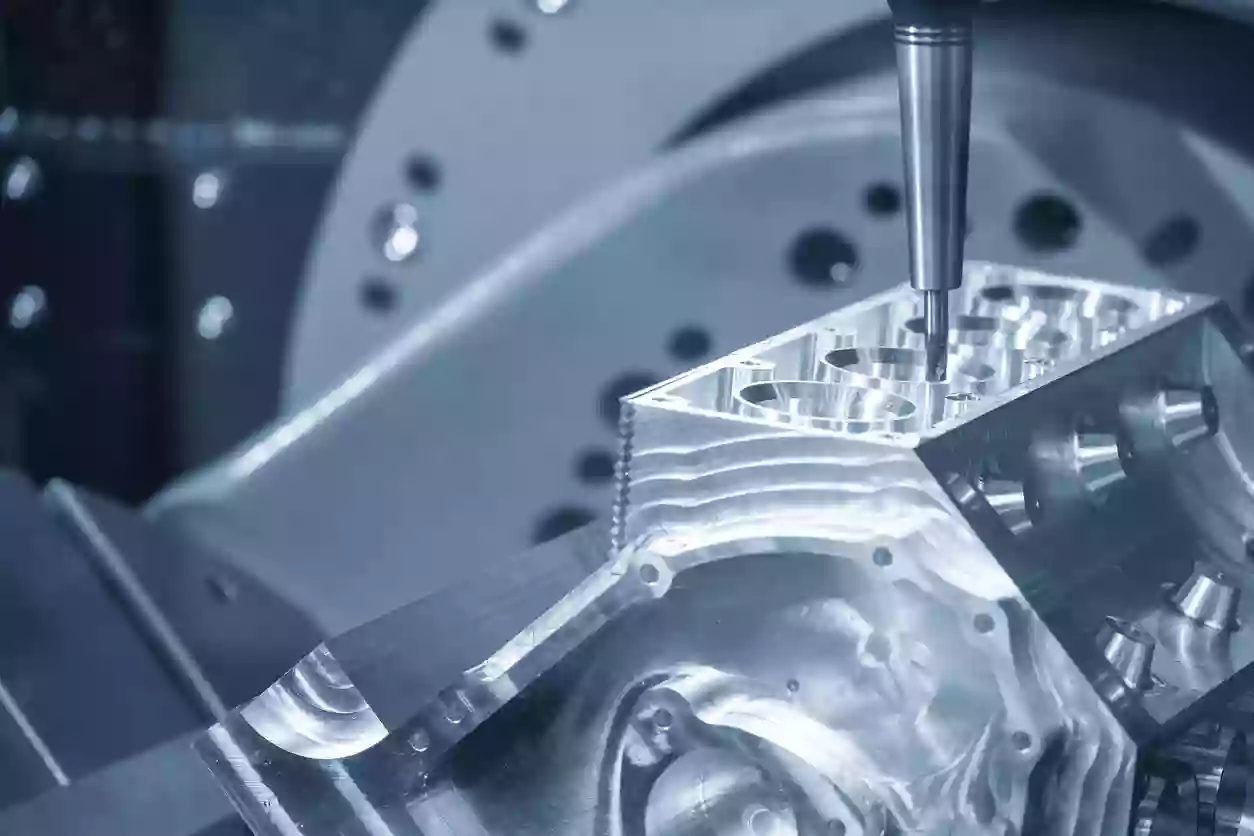
We support 5-axis simultaneous machining for complex geometries, including deep cavities, undercuts, and intricate structural features in hardened steel materials.

We achieve tight tolerances up to ±0.0127 mm with controlled surface finishes down to Ra 0.4, depending on material grade and part geometry.

Our workflow supports both rapid prototyping and high-volume production runs exceeding 10,000+ units with consistent quality control.

We provide integrated post-processing services including heat treatment, grinding, carburizing, and surface finishing to meet final engineering requirements.

Steel CNC Machining Services

Steel components require a combination of subtractive, finishing, and forming processes to achieve required geometry, tolerance, and surface quality. Our machining capabilities cover the full range of precision manufacturing operations for steel materials.

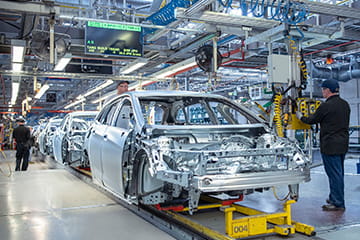
What Is Automotive CNC Machining

CNC Machining

CNC machining is a core process for manufacturing steel components with high precision and repeatability, enabling the production of precise, functional parts from raw steel materials.
CNC Milling Services

CNC Milling

Multi-axis milling is used to machine complex steel geometries, including pockets, contours, and structural features. It is widely applied in housings, brackets, and precision mechanical parts.
what is cnc turning.jpeg 1

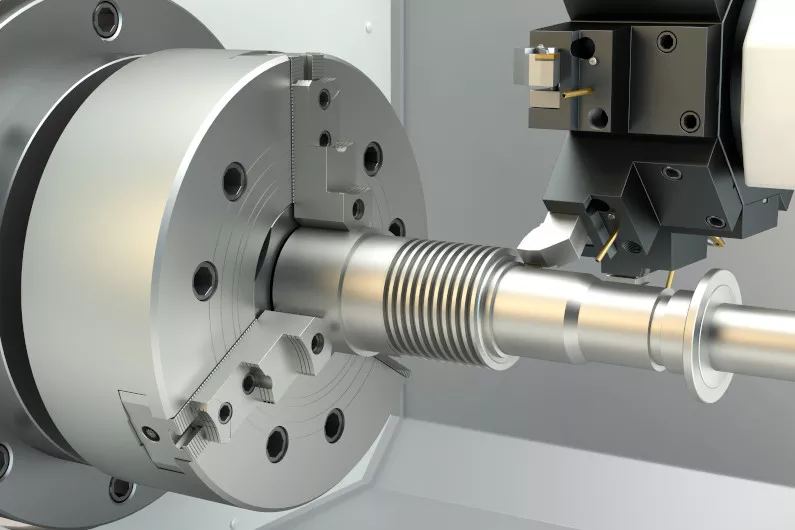
CNC Turning

Turning is used for cylindrical steel components such as shafts, pins, and bushings, delivering high concentricity and tight dimensional control.
cnc drilling xtprorto 1

Drilling & Tapping

Accurate hole-making and threading processes for assembly features, ensuring proper fit and structural reliability in steel components.
CNC Grinding Services

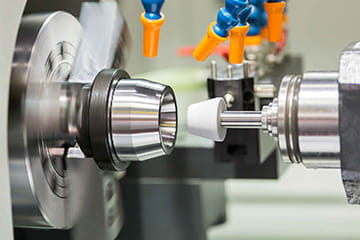
Grinding

Used for high-precision finishing where tight tolerances and surface quality are required, especially for hardened steel parts.
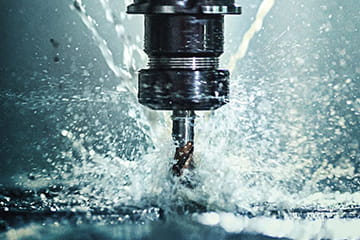
Waterjet Cutting

Waterjet Cutting

Cold cutting process suitable for thick steel plates without heat-affected zones or material distortion.
Quality Assurance & Inspection

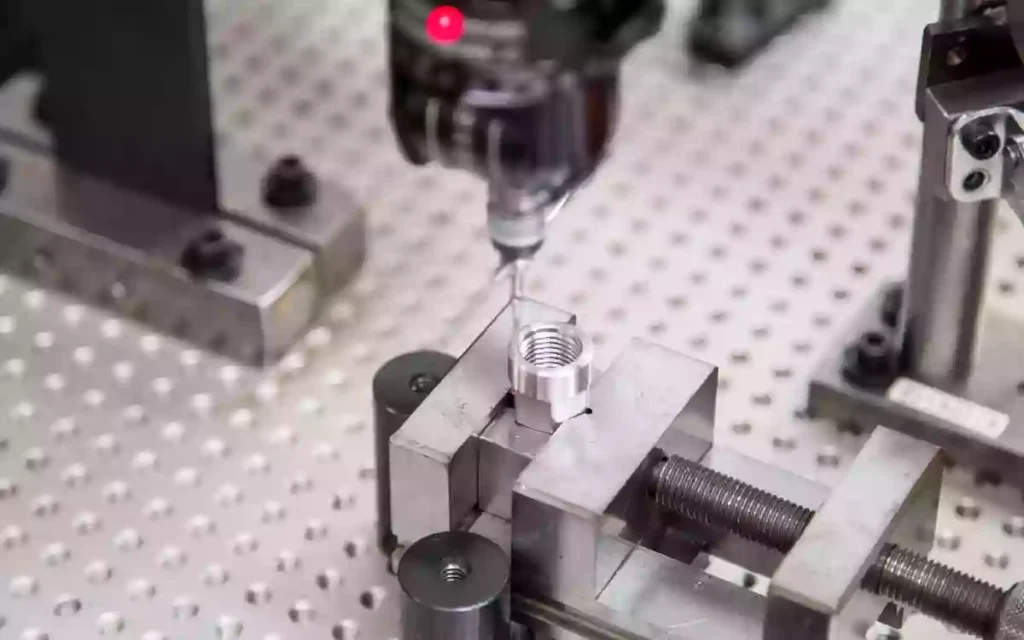
Quality is not a final check, but a continuous verification of structural and dimensional integrity. We operate under a data-driven QA framework, utilizing multi-sensor CMM and optical scanning technology to validate sub-micron accuracy against your digital twins. Our process integrates real-time in-process inspection with final metallurgical verification, ensuring every steel component meets rigorous hardness, roughness, and tolerance specifications. By maintaining full material traceability and providing comprehensive inspection reports, we ensure that every part delivered is a verified high-performance asset ready for mission-critical deployment.

Body Img Cap Quality B CMM

XTPROTO Manufacturing Facility

Our facility is a climate-controlled ecosystem engineered for high-torque steel production. By stabilizing thermal expansion and deploying high-rigidity 3, 4, and 5-axis centers, we maintain micron-level consistency across extreme cutting loads. Driven by a digital-first framework, our floor integrates real-time spindle monitoring with an in-house metrology lab (CMM & Optical) to verify every dimension against your CAD data. From rapid prototyping to automated high-volume lines, we provide the scalable infrastructure to transform complex engineering intent into industrial reality.

Engineering Expertise

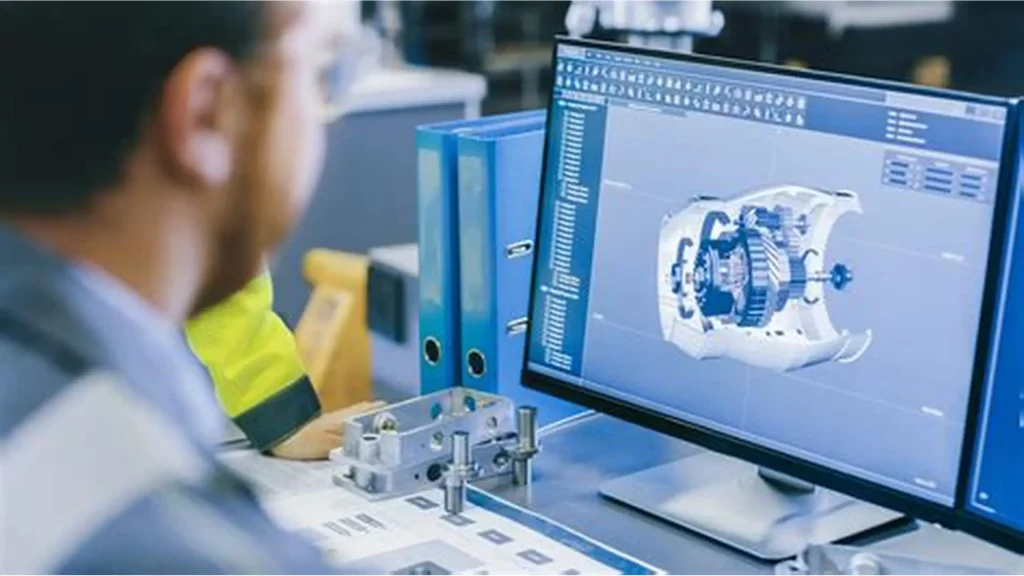
Our engineering core acts as a technical extension of your design team, specializing in the conversion of complex CAD data into manufacturable steel components. Beyond standard programming, we prioritize predictive DFM analysis to identify potential stress points and geometric conflicts before production begins. By integrating deep metallurgical knowledge with advanced CAM strategies, our experts optimize tool paths for thermal stability and structural integrity. This intellectual oversight ensures that every project—regardless of complexity—is engineered for maximum precision and cost-efficiency.

Engineer mechanician operating and controlling CNC machine

Move Your Project Into Production

We combine precision machining and stable manufacturing capacity to turn steel designs into production-ready components.Submit your CAD files to receive a quotation and engineering feedback.

Steel CNC Machining Specifications​

We provide CNC machining for steel components with controlled production capabilities to meet standard engineering requirements for size, accuracy, and surface quality.

Dimensional Capability

  • Maximum Part Size: 2000 × 800 × 1000 mm
  • Minimum Wall Thickness: 0.75 mm

Tolerance Capability

  • Standard Machining: ±0.02–0.05 mm
  • Precision Machining: up to ±0.01 mm

Lead Time

  • Standard production: ≤ 7 days
  • Based on part complexity and material availability

Surface Finish

  • Standard: Ra 0.8–3.2 μm
  • Finishing: down to Ra 0.4 μm
stainless steel gears 1000x1000 1

Common Steel CNC Machined Parts

  • Shafts
  • Gears
  • Brackets
  • Housings
  • Bushings
  • Sleeves
  • Pins
  • Fasteners
  • Couplings
  • Flanges
  • Fixtures
  • Jigs
  • Valves
  • Fittings
  • Spacers
  • Connectors

Industries Using Steel CNC Machining

Steel CNC machined components are widely used across industries that demand high strength, precision, and durability.

Automotive

Automotive & Transportation

Steel is used for gears, shafts, and drivetrain components due to its strength and heat resistance. Example: A 4140 steel transmission shaft machined by XTPROTO achieved ±0.02 mm tolerance and improved fatigue life by 25%.
Aerospace Aviation

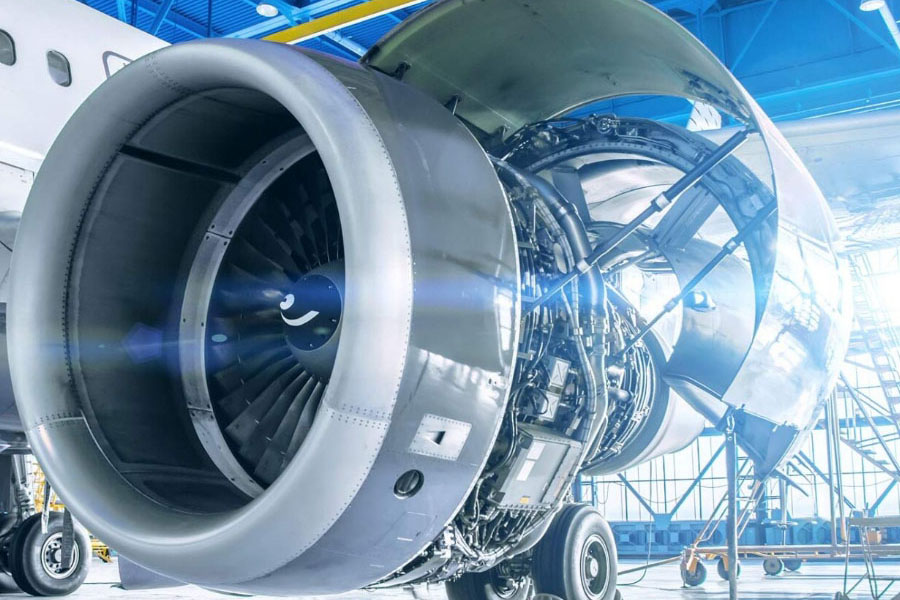
Aerospace & Defense

Steel components such as brackets and engine mounts must withstand extreme stress and vibration. 17-4PH stainless steel is commonly used for its corrosion resistance and high fatigue strength.

robotic cnc milling

Robotics & Automation

Precision-machined steel joints and housings provide structural rigidity and motion accuracy for robotic systems. Carbon steel linkages are controlled within ±0.01 mm tolerance for stable alignment.
Medical

Medical

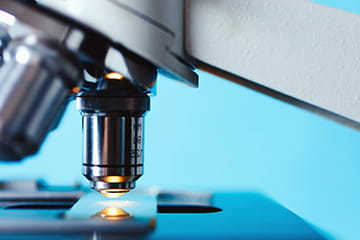
316L and 17-4PH stainless steel are widely used in surgical tools and diagnostic equipment due to biocompatibility and corrosion resistance. Example: Polished 316L frames used in CT scanner structures with Ra ≤ 0.4 μm surface finish.
Architecture Construction CNC Machining Surface Finishing

Heavy Machinery & Construction

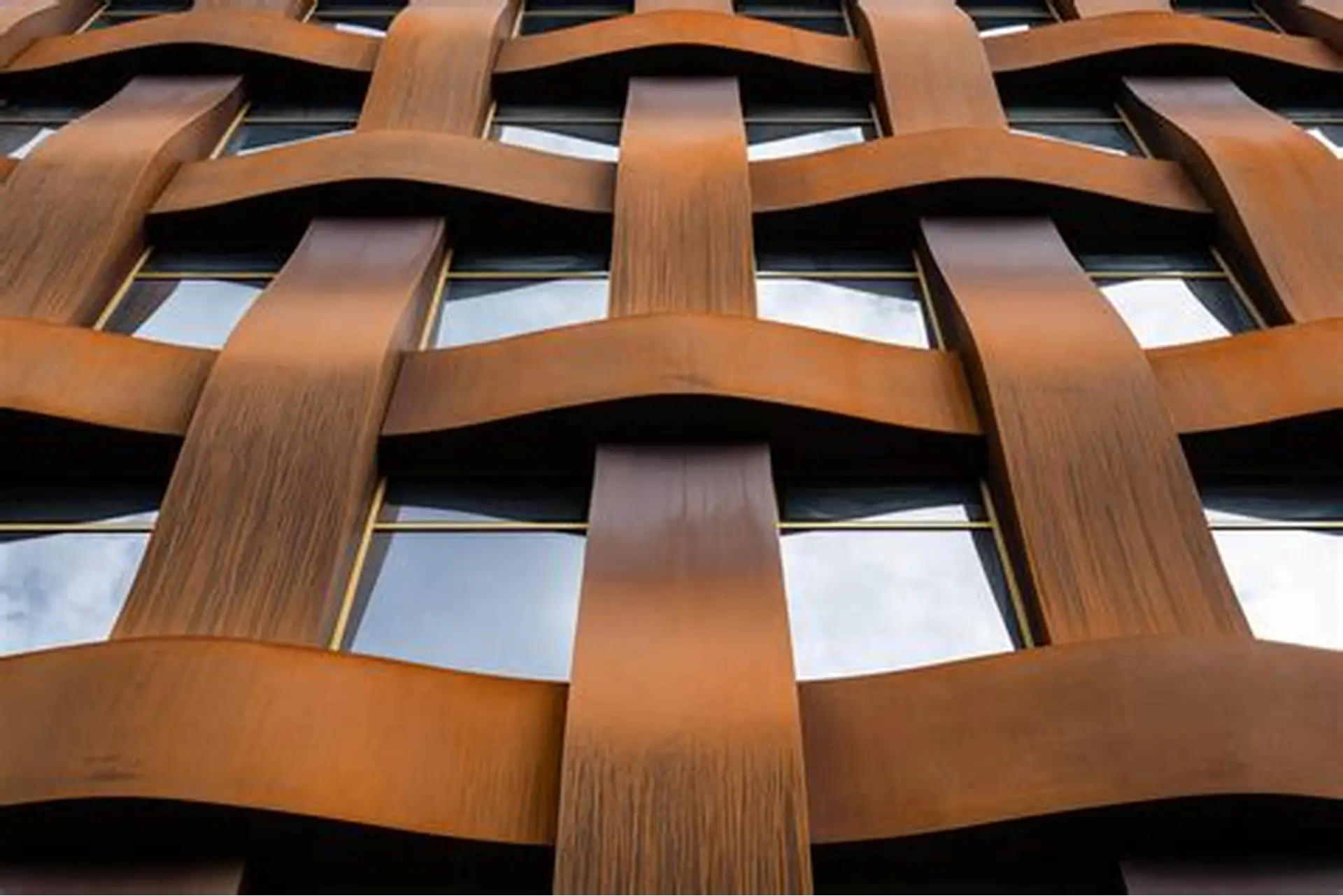
Steel CNC parts such as couplings, pistons, and hydraulic housings withstand high pressure and impact loads. Example: CNC turned 1045 steel gears improved equipment uptime by 30%.

Energy cnc milling 1

Energy & Industrial Equipment

Steel’s toughness and wear resistance make it ideal for turbines, oilfield tools, and heat exchange systems requiring long-term reliability.

FAQ

How do you maintain dimensional stability after heat treatment?

We control heat-treatment distortion by leaving precise machining allowance before hardening, then finishing to final dimensions after heat treatment. This ensures the final part matches the original CAD design with high accuracy.

Can you machine thin-walled steel parts without distortion?

Yes. We use stress-relieved material and optimized fixturing to reduce vibration during machining. This allows stable production of thin-walled parts down to 0.75 mm while maintaining tight tolerances.

How do you prevent work hardening in stainless steel machining?

For materials like 304, 316L, and 17-4PH, we optimize cutting speed, tool geometry, and cooling to avoid work hardening. This ensures smooth surface finish and stable machining performance.

Can you recommend cost-effective material substitutions?

Yes. Through engineering analysis, we can suggest alternatives based on load requirements. For example, 4140 can sometimes be replaced with 1045 steel with localized hardening to reduce cost by up to 20%.

What is the hardest steel you can machine without EDM?

We can directly machine hardened steels up to 60–62 HRC using high-rigidity tooling. This often removes the need for EDM and shortens lead time while maintaining surface quality.

Accelerate Your Steel Component Manufacturing.

From complex prototypes to scalable production, we deliver ±0.01mm precision and industrial-grade durability. Upload your files today for instant engineering feedback and a competitive lead-time commitment.

Scroll to Top