
Inconel CNC Machining Services

We specialize in Inconel machining through refined cutting strategies, reliable inspection processes, and hands-on engineering expertise. With optimized tooling, precise thermal control, and AS9100-certified quality systems, our solutions are built for aerospace, energy, and other high-stress applications.

Inconel CNC Machining Services at XTPROTO

XTPROTO specializes in precision CNC machining of Inconel superalloys, overcoming challenges such as rapid work hardening, extreme cutting heat, and accelerated tool wear. Backed by proven machining experience, optimized tooling strategies, and controlled thermal management, we deliver high-precision, high-consistency Inconel components for demanding applications. From DFM optimization to final inspection, every stage of the manufacturing process is carefully controlled to meet strict tolerance and performance requirements while reducing machining risk and shortening lead times for aerospace, energy, and other high-stress industries.

Inconel CNC Machining 1

What Is Inconel?

Inconel is a family of nickel-based superalloys engineered for extreme environments where conventional metals lose strength or stability. Known for its exceptional resistance to heat, oxidation, corrosion, and high-pressure conditions, Inconel maintains reliable mechanical performance even under severe operating temperatures and stress. Different grades such as Inconel 718 and 625 offer distinct advantages, making the material widely used for aerospace, energy, chemical processing, and other demanding industrial applications.

inconel

Inconel Grades We Work With

At XTPROTO, we don’t treat Inconel as just “hard material machining.” We adjust cutting strategy based on how each alloy behaves in real machining conditions and what performance the final part needs to deliver.

A precipitation-hardened alloy widely used in aerospace and high-stress components. Its strength increases during cutting, which makes process stability and controlled machining parameters essential to avoid deformation and tool wear issues.

A corrosion-resistant grade commonly used in marine, chemical, and offshore environments. It tends to generate built-up edge if cutting conditions are not controlled, so stable toolpath design and cooling management are key to surface quality.

High-temperature resistant grades designed for furnace systems, thermal equipment, and aggressive environments. These materials require consistent heat management during machining to maintain dimensional accuracy under thermal load.

High-strength alloys used in oil & gas, turbine, and load-bearing applications. Their combination of strength and toughness leads to higher cutting resistance, requiring reinforced tooling strategies and stable machining conditions.

Inconel CNC Machining part airplane

Inconel Material Properties

Inconel 718

  • Density: 8.19 g/cm³
  • Melting Range: 1260–1335°C
  • Yield Strength: ~1030 MPa
  • Tensile Strength: ~1240 MPa
  • Corrosion Resistance: Excellent
  • Key Feature: High strength at elevated temperatures, widely used in aerospace and high-stress structural parts

Inconel 625

  • Density: 8.44 g/cm³
  • Melting Range: 1290–1350°C
  • Yield Strength: ~480 MPa
  • Tensile Strength: ~930 MPa
  • Corrosion Resistance: Excellent (marine and chemical environments)
  • Key Feature: Outstanding corrosion resistance with balanced mechanical strength

Inconel 600

  • Density: 8.47 g/cm³
  • Melting Range: 1350–1413°C
  • Yield Strength: ~240 MPa
  • Tensile Strength: ~550–690 MPa
  • Corrosion Resistance: Very good in high-temperature oxidation environments
  • Key Feature: Stable performance in heat treatment and furnace applications

Inconel 617

  • Density: 8.36 g/cm³
  • Melting Range: 1330–1380°C
  • Yield Strength: ~400–600 MPa
  • Tensile Strength: ~900–1000 MPa
  • Corrosion Resistance: Excellent at high temperature
  • Key Feature: High creep strength for gas turbine and aerospace hot-section components

Inconel 690

  • Density: 8.19 g/cm³
  • Melting Range: 1340–1370°C
  • Yield Strength: ~300–450 MPa
  • Tensile Strength: ~700–900 MPa
  • Corrosion Resistance: Excellent in oxidizing and nuclear environments
  • Key Feature: High chromium content for aggressive chemical resistance

Inconel X-750

  • Density: 8.28 g/cm³
  • Melting Range: 1390–1425°C
  • Yield Strength: ~700–1030 MPa
  • Tensile Strength: ~1100 MPa
  • Corrosion Resistance: Good
  • Key Feature: Excellent creep and stress relaxation resistance for high-temperature spring and turbine components

Benefits of Inconel Machining

Inconel is valued in engineering applications where standard materials cannot maintain performance under extreme heat, pressure, and corrosion. It offers a unique balance of high strength, corrosion resistance, and thermal stability, making it suitable for critical components used in demanding environments such as aerospace, energy, and chemical processing. Its ability to retain mechanical properties at elevated temperatures ensures long-term reliability under continuous stress and thermal cycling. However, achieving these benefits in real applications depends heavily on precision manufacturing, where tight tolerances and stable surface integrity are essential for consistent performance in service.

Inconel CNC Machining big part

How XTPROTO Controls Inconel Machining Challenges

Inconel is widely regarded as one of the most demanding materials in CNC machining. Its value in extreme environments comes at a cost—rapid work hardening, high cutting temperatures, and accelerated tool wear can quickly destabilize standard machining processes if not properly controlled.

At XTPROTO, we focus on process stability rather than cutting speed, ensuring consistent material removal and reducing the need for rework through controlled and predictable machining behavior.

Inconel hardens rapidly during machining if the tool rubs instead of cutting cleanly. We minimize dwell time and re-cutting, and apply toolpaths designed to maintain continuous cutting engagement, helping preserve surface finish and dimensional accuracy.

pexels daniel smyth 83914874 8956313

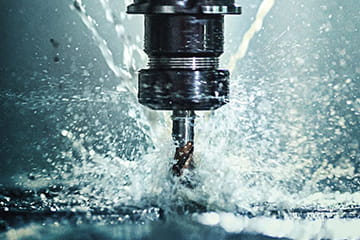
Due to low thermal conductivity, cutting heat concentrates at the tool edge rather than dissipating through the material. We balance cutting speed, feed rate, and coolant delivery to control thermal buildup and extend tool life, especially in deep cavities and thin-wall features.

Inconel CNC Machining tool

Inconel tends to adhere to cutting tools under improper conditions, leading to built-up edge formation and poor surface finish. We mitigate this through optimized tool coating selection, stable chip evacuation, and consistent cutting engagement.

pexels connor lucock 259838 28752150

For vibration-prone geometries, we adjust tool selection, step-over, and engagement angle to stabilize cutting forces. This improves surface quality, reduces tool load fluctuation, and lowers scrap risk in complex parts.

pexels auto tech 2154697617 33559313

Effective Inconel machining requires a coordinated strategy combining tooling, cutting parameters, and process planning.

We apply:

  • Carbide and ceramic tooling based on machining stage and load conditions
  • Low-speed, controlled feed strategies with high-pressure coolant delivery
  • Stable chip control to prevent heat accumulation and tool damage
  • Continuous cutting strategies (avoidance of interruption and tool dwell)

This integrated approach allows us to maintain dimensional stability, surface integrity, and tool reliability when machining high-temperature nickel alloys.

pexels cottonbro 7480242

Cost-Reducing DFM for Inconel

Inconel parts are extremely sensitive to geometry, and even small design choices can have a large impact on machining time, tool wear, and overall cost. At XTPROTO, we review designs from a manufacturability perspective and provide practical feedback to improve production efficiency while fully maintaining functional requirements.

  • Geometry Optimization (Internal Features)
    Internal sharp transitions are adjusted where possible to improve tool access and reduce cutting stress during machining.
  • Wall Stability in Complex Structures
    For thin walls and deep cavities, we recommend adjustments in machining sequence and structural balance to minimize vibration and deformation risk.
  • Datum & Measurement Alignment
    A well-structured datum system improves repeatability in inspection and reduces setup variation during manufacturing and quality control.
Inconel CNC Machining tapping

Our Machined Inconel Parts

Why Choose XTPROTO for Inconel Machining?

Machining Inconel requires more than advanced equipment—it demands expertise, stable processes, and experience with high-temperature nickel alloys. At XTPROTO, we deliver consistent, reliable results through precise toolpath strategies, cutting parameter control, thermal management, and in-process inspection. We also provide engineering feedback to improve manufacturability and reduce production risk. From prototyping to batch production, our process ensures dimensional accuracy, surface integrity, and long-term consistency for aerospace, energy, and industrial applications.

Inconel CNC Machining 3

Facilities & Equipment

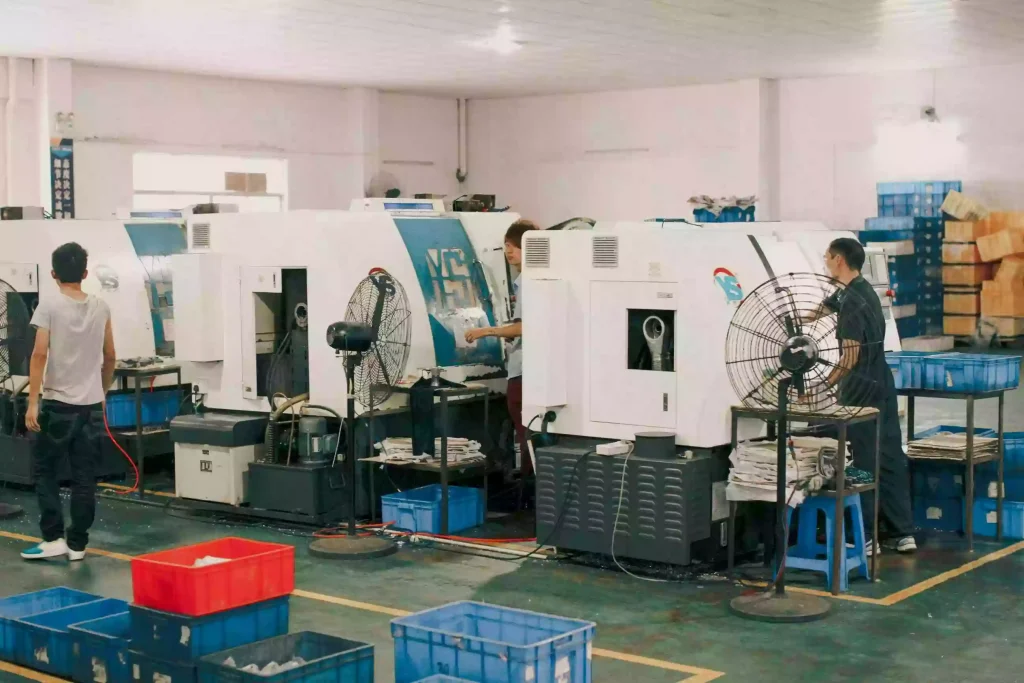
Inconel machining requires maximum rigidity and thermal control. XTPROTO utilizes high-torque 5-axis centers and high-rigidity milling systems specifically optimized to suppress vibration during heavy material removal. To counter extreme cutting heat, our fleet is equipped with 1000+ PSI through-spindle coolant for instant heat dissipation and reliable chip evacuation. For cylindrical precision, we leverage Swiss-type lathes and CNC turning centers to ensure tight concentricity. Our workflow integrates CMM inspection, PMI material verification, and surface analysis, guaranteeing that every component meets rigorous engineering standards from raw material to final delivery.

CNC Machining Factory

Quality Assurance for Critical Inconel Components

Full EN 10204 3.1 material certification is available to ensure full traceability of Inconel grades and compliance with project requirements.

On-request PMI verification confirms alloy composition upon material receipt to eliminate material mix-up risks.

Dimensional inspection is performed using coordinate measuring systems, with full reports mapped to drawing datums and critical features.

FAI support is available for prototype validation and production approval, ensuring all critical specifications are verified before batch production.

We maintain controlled manufacturing processes aligned with industrial standards, including in-process checks, statistical control methods, and documented inspection workflows to ensure repeatable quality across production runs.

Complete inspection records, material traceability reports, and quality documentation can be provided upon request to support supplier qualification and audit requirements.

CNC Quality Inspection

Our Machining Capabilities for Inconel

XTPROTO provides full-spectrum CNC machining solutions for Inconel superalloys, combining rigid machining systems, controlled processes, and alloy-specific cutting strategies to ensure consistent precision across complex geometries.

CNC Milling Services

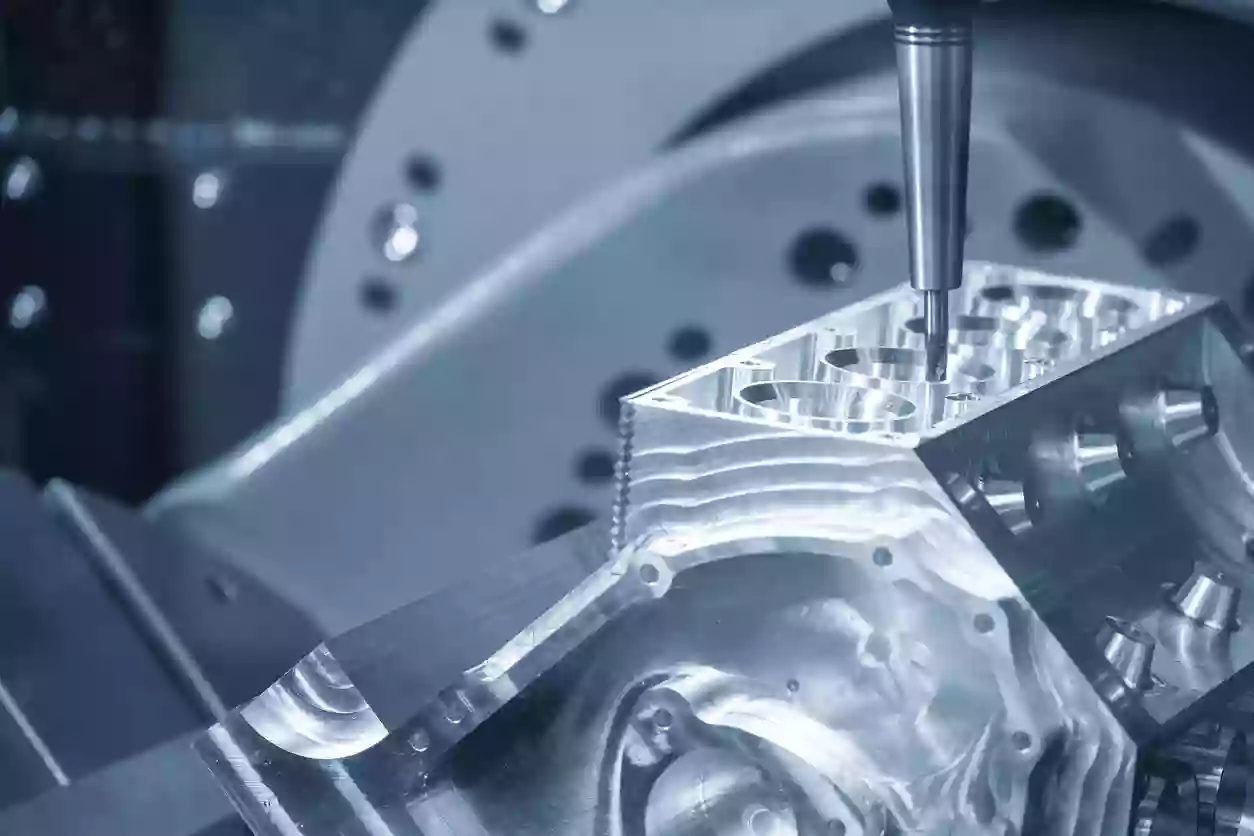
CNC Milling

We machine complex Inconel geometries using high-rigidity 5-axis CNC systems. Toolpath strategies such as optimized engagement and trochoidal milling help control cutting forces and maintain tight tolerances.
what is cnc turning.jpeg 1

CNC Turning

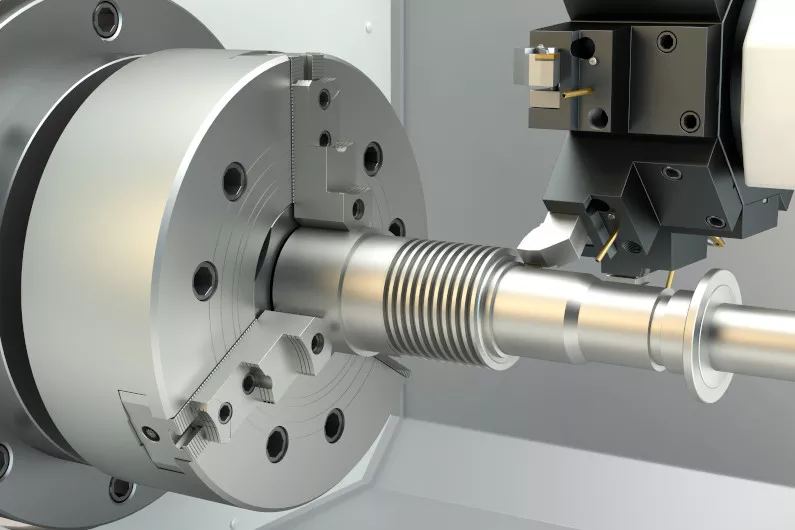
Precision turning for shafts, sleeves, and cylindrical Inconel components. Coated carbide tooling and stable cutting conditions help control built-up edge and ensure consistent roundness and surface finish.
cnc drilling xtprorto 1

CNC Drilling

High-pressure coolant drilling with controlled peck cycles to manage heat buildup and ensure efficient chip evacuation in deep-hole Inconel machining.
Jewelry CNC Machining Tapping scaled

CNC Tapping

Precision thread forming using high-performance tooling and controlled synchronization. Designed to maintain thread integrity in high-strength nickel alloys.
SwissMachining1

Swiss Machining

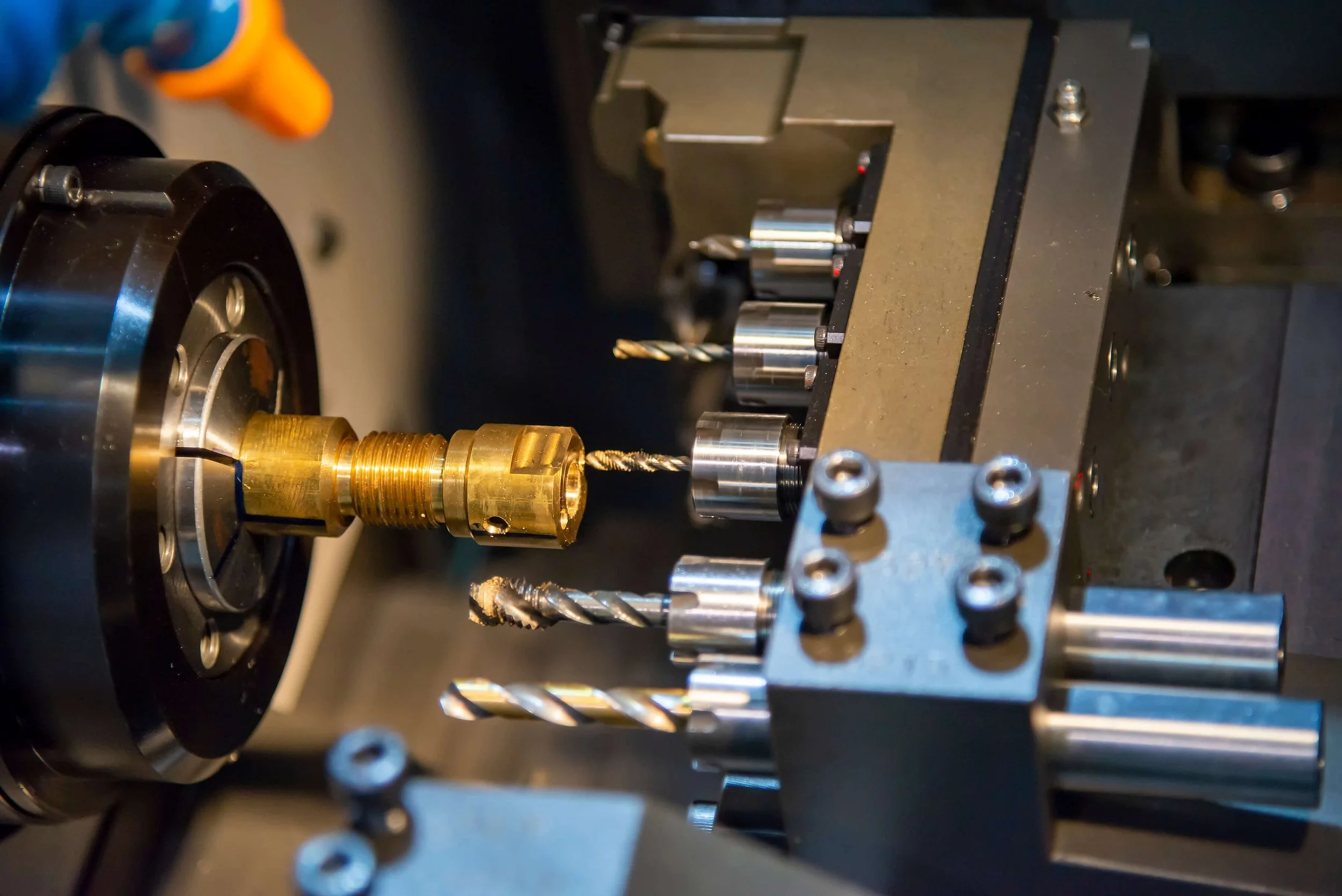
Ideal for small-diameter, high-precision Inconel parts. Swiss-type machining ensures high concentricity and stability for long, slender geometries used in medical, aerospace, and electronics applications.
What Is Automotive CNC Machining

CNC Machining

XTPROTO offers comprehensive, one-stop customization solutions. From initial DFM recommendations to complex multi-process machining operations, we flexibly deploy our technical resources to resolve any manufacturing challenges involving Inconel.
5 axis cnc machining

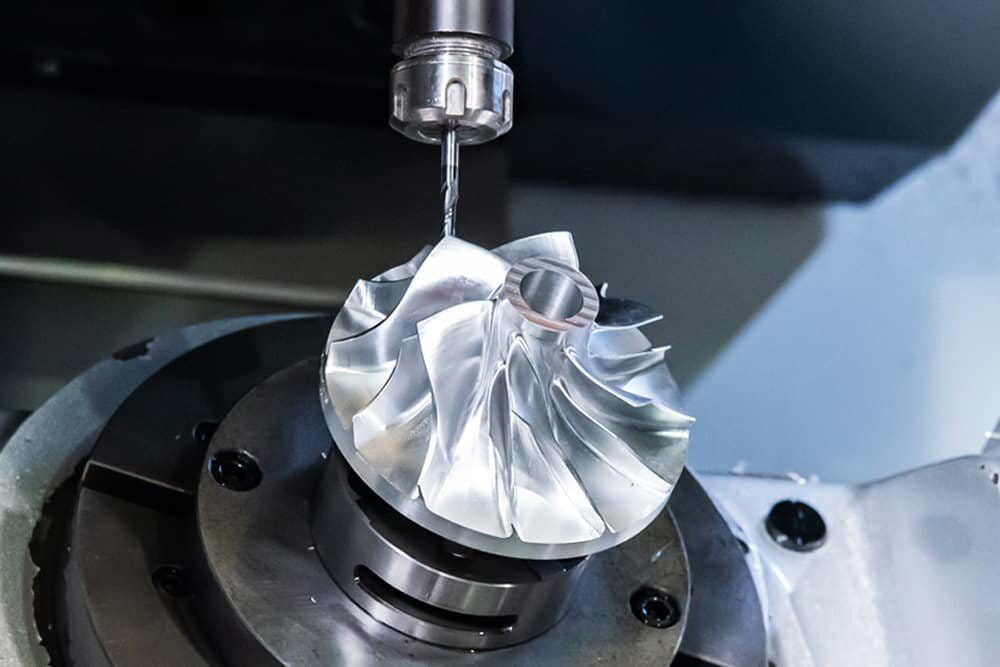
5-Axis CNC Machining

High-precision multi-axis machining for complex Inconel geometries. Enables reduced setups, improved tool engagement control, and stable dimensional accuracy for aerospace and high-performance components.
Wire EDM Machining a part

Wire EDM

Used for high-precision 2D profiles, tight-tolerance contours, and hard Inconel sections. Provides excellent edge quality and accuracy for components requiring sharp profiles and minimal material deformation.
sinker edm machine simulation operation 600nw 1493173133

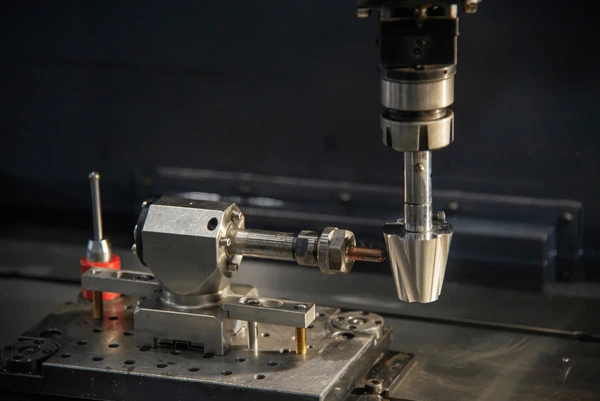
Sinker EDM

Used for 3D cavities, blind features, and complex internal shapes in Inconel components. Ideal for geometries that are difficult or impossible to machine with traditional cutting tools, while maintaining dimensional accuracy without mechanical cutting stress.

Technical Specifications

  • Tolerance:±0.01 mm (up to ±0.005 mm)
  • Surface Finish:Ra 0.4 μm
  • Max Milling Size:1000 × 800 × 500 mm
  • Max Turning Diameter:Ø400 mm
  • Swiss Range:Ø1.0 – Ø32 mm
  • Prototype Lead Time:3–7 days
  • Production Lead Time:2–4 weeks
  • Documentation:MTR, CMM report, FAI
Inconel CNC Machining parts

Mastering the Challenges Others Avoid

Inconel machining is a daunting task, but for XTPROTO, it is a core specialty honed over years of service to the aerospace, semiconductor, and defense sectors. Through precision control in every detail, we transform the most challenging alloys into your most reliable components. Whether you require high-purity cleaning, specialized heat treatment, or ultra-tight tolerances for high-stress environments, we are ready to take on the projects that demand unmatched technical grit.

Inconel CNC Machining 2

Industries & Applications

Inconel CNC machining is used in mission-critical environments where components must perform under extreme heat, pressure, and corrosion. XTPROTO supplies precision-machined Inconel parts for a wide range of high-performance industries.

Aerospace Aviation

Aerospace & Aviation

Jet engine components, turbine blades, exhaust systems, structural and hot-section parts requiring high-temperature stability.

Defense and Military

Defense & Military

High-reliability components such as fasteners, connectors, bushings, and structural elements used in mission-critical systems.
Oil Gas

Oil & Gas

Downhole tools, wellhead equipment, and subsea components exposed to high pressure, heat, and corrosive environments.

Energy cnc milling 1

Energy & Power Generation

Gas turbines, nuclear systems, and heat-resistant components operating under continuous thermal cycling.

automotive

Automotive & Motorsport

High-performance exhaust systems, turbocharger components, and heat-intensive engine parts.
CNC Marine 8000HT 7

Marine Engineering

Parts exposed to seawater corrosion, including propulsion and cooling system components.

Inconel Machining FAQ

How do you control work hardening in Inconel machining?

Work hardening is managed through stable cutting conditions and controlled tool engagement. We maintain continuous feed without dwell to avoid localized hardening, apply cutting strategies that keep the tool engaged beneath the hardened layer, and monitor tool wear to ensure consistent cutting force and dimensional stability.

Can you machine age-hardened Inconel (e.g. Inconel 718)?

Yes. We machine heat-treated Inconel grades up to 40–45 HRC using high-performance carbide and ceramic tooling. Controlled cutting parameters allow us to maintain precision while preserving material integrity in hardened conditions.

What advanced inspection methods do you support for aerospace parts?

In addition to standard CMM inspection, we support optional NDT processes including dye penetrant inspection (FPI) and X-ray inspection through certified partners. We also apply strict burr control and can provide surface and micro-level inspection upon request for critical components.

When is EDM preferred over CNC milling for Inconel parts?

EDM is used when mechanical cutting forces may cause deformation or tool failure, such as in deep cavities, narrow slots, or thin-wall structures. Wire EDM and Sinker EDM allow stress-free material removal while maintaining tight positional accuracy in complex geometries.

Mastering Inconel. Delivering Reliability.

Ready to elevate your component performance in extreme environments? Partner with XTPROTO for world-class CNC machining of nickel-based superalloys.

Scroll to Top