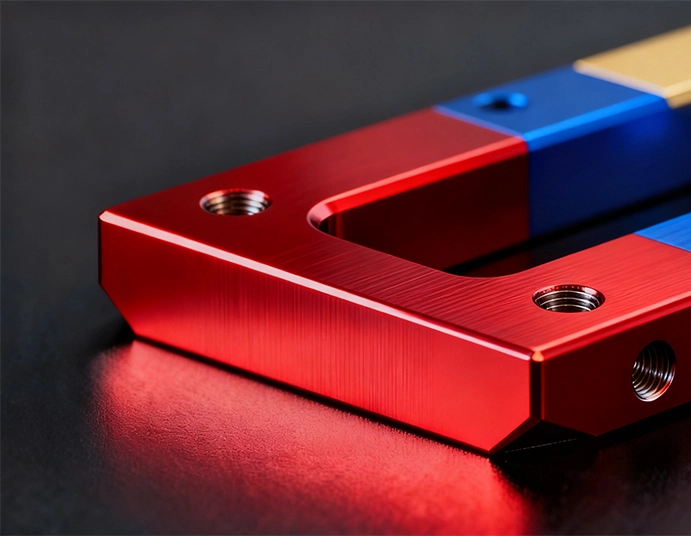
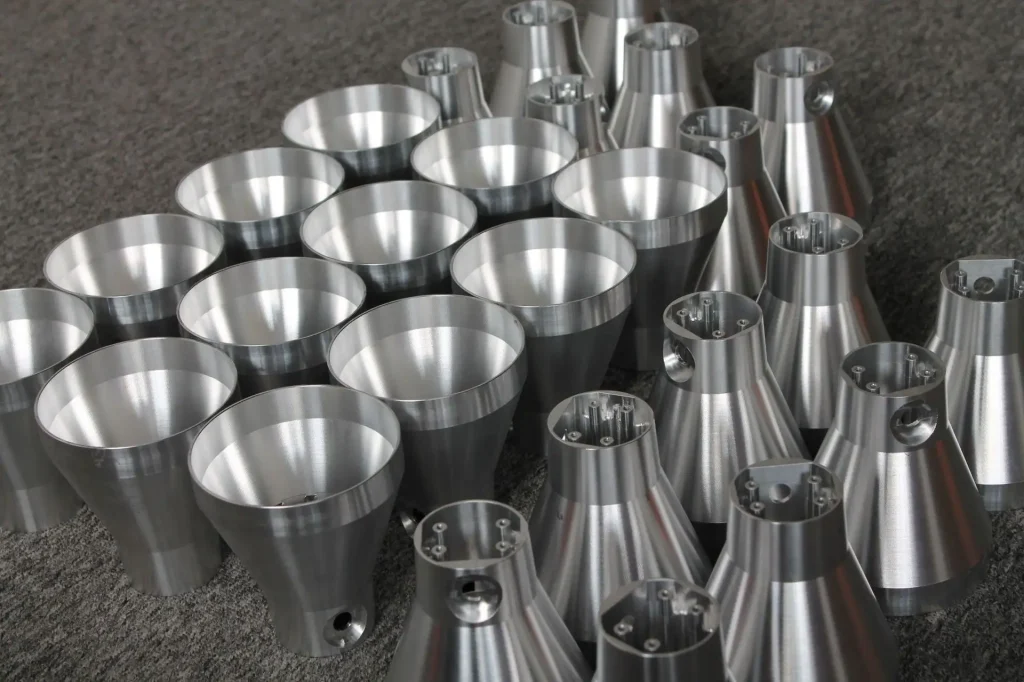
Thin-Wall Aluminum Parts CNC Machining
Looking for reliable Thin-Wall Aluminum Components CNC Machining services? We eliminate machining distortion and thermal expansion, delivering custom thin-walled components down to 0.3 mm with strict ±0.005 mm precision tolerances.
Custom Thin-Wall Aluminum Parts Machining Services
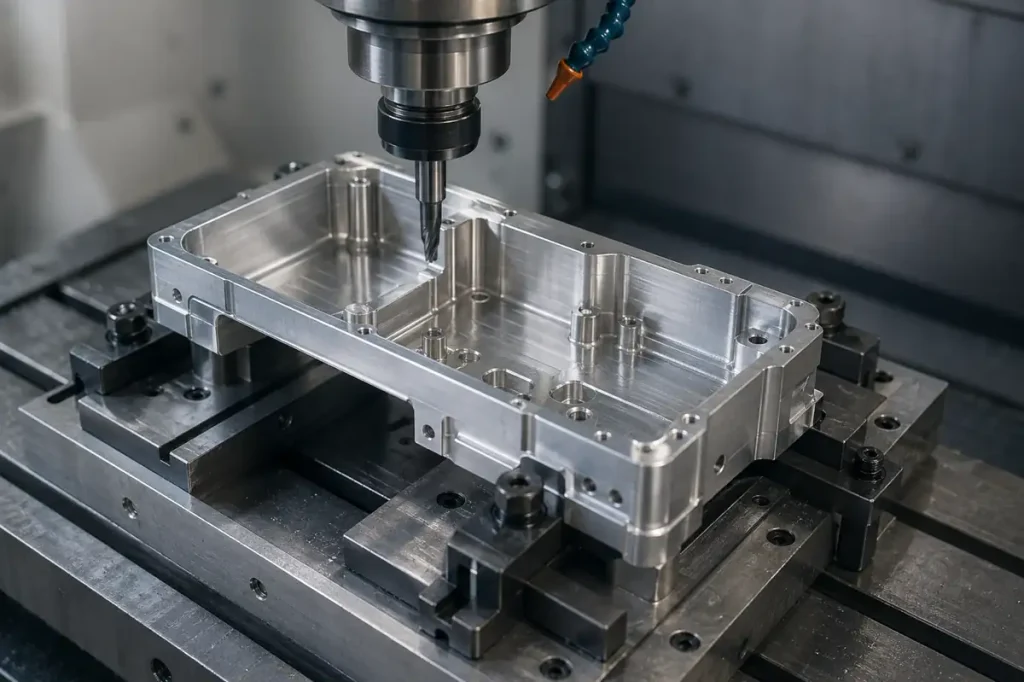
In high-end manufacturing, reducing component weight without sacrificing structural integrity is a critical challenge. Our custom thin-wall aluminum parts machining services are specifically engineered to bridge this gap, pushing the boundaries of CNC machining to achieve wall thicknesses down to an ultra-thin 0.3 mm. Utilizing advanced high-speed machining (HSM) techniques, proprietary multi-stage stress relief, and custom-designed vacuum fixturing, we effectively eliminate the cutting heat and residual stress that typically cause fragile walls to warp or distort. By combining these advanced deformation control methods with strict quality oversight, we deliver flawless, dimensionally stable aluminum components that adhere to your tightest tolerances of up to ±0.005 mm, seamlessly moving your designs from rapid prototyping to full-scale production.
Aluminum Materials for Thin-Wall Components CNC Machining
We source and machine a wide range of standard aluminum grades, optimizing our CNC parameters for each specific material to ensure your thin-walled parts remain distortion-free:
The most widely used grades. Excellent for precision thin-wall pocketing, offering high structural stability, great corrosion resistance, and flawless anodizing results.
Ultra-high-strength, aircraft-grade alloys. Best for high-stress thin-walled components that require maximum tensile strength and fatigue resistance.
High-ductility alloy with outstanding marine-grade rust resistance. Perfect for outdoor thin-walled electronic enclosures and marine components.
Specialized cast plate material with zero internal stress. Highly recommended for ultra-precise, completely flat thin-walled structural plates.
Cast aluminum alloys. We provide secondary high-precision CNC machining on these cast blanks to achieve tight tolerances on thin walls.
High-purity alloys with exceptional electrical and thermal conductivity. Ideal for specialized thin-walled heat sinks and electronic shielding components.
Thin-Wall Aluminum Parts We Machine
We specialize in precision CNC machining of thin-wall aluminum parts with complex geometries, lightweight designs, and tight dimensional requirements. Our advanced machining capabilities enable the production of various thin-walled components with high accuracy, excellent surface finishes, and reliable performance.
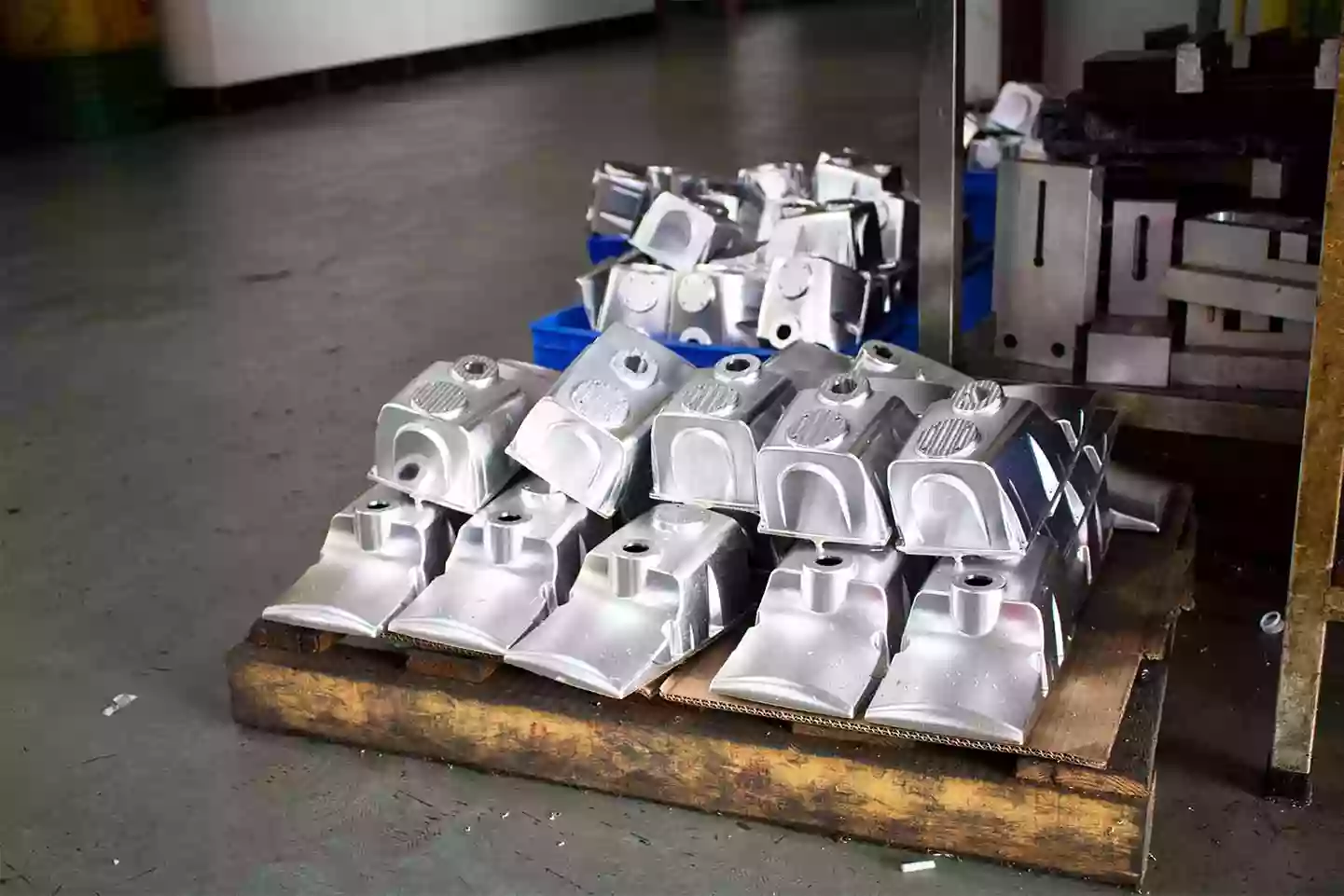
Thin-wall aluminum housings and enclosures featuring lightweight structures, precise mounting interfaces, and complex internal features.
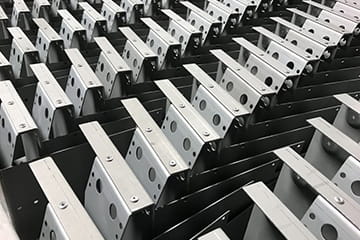
Lightweight aluminum brackets machined with precise dimensions for structural support and assembly requirements.
Thin-wall aluminum frames and support structures requiring high rigidity, accurate positioning, and reduced weight.
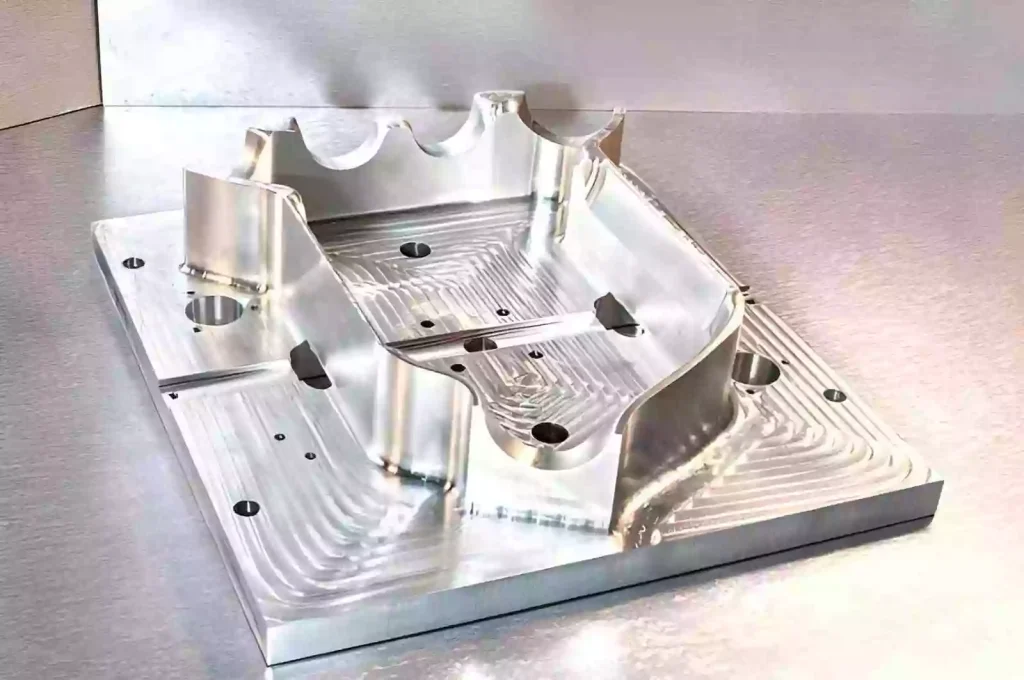
Precision-machined aluminum chambers with thin walls, complex cavities, and strict dimensional control.
Thin-wall aluminum thermal components designed for efficient heat dissipation and optimized performance.
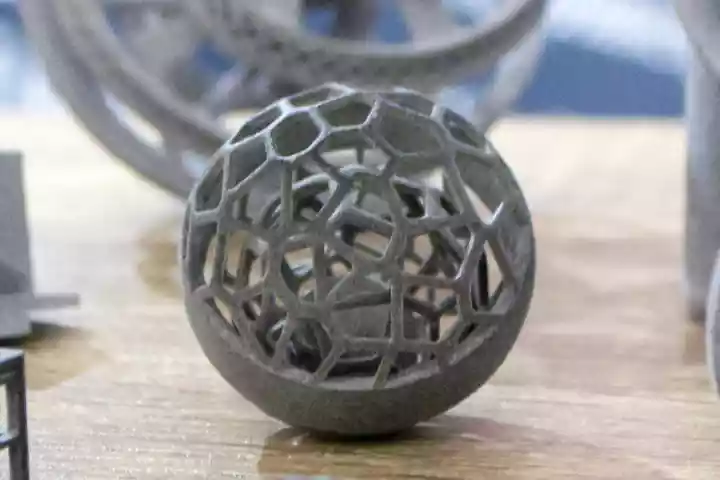
Complex aluminum components with lightweight designs, integrated features, and precision-machined details.
Key Challenges in Thin-Wall Aluminum Parts Machining
Due to low structural rigidity, fragile aluminum walls easily flex and distort under mechanical cutting forces, making it extremely difficult to maintain strict geometric tolerances.
The thin cross-section lacks harmonic damping, causing severe tool chatter and vibrations that can ruin surface roughness (Ra) and compromise dimensional accuracy.
High-speed machining generates localized heat. Without optimal cooling, this heat builds up rapidly in thin walls, leading to thermal expansion, part deformation, or premature tool wear.
Securing a delicate, thin-walled part requires a flawless balance. Traditional mechanical clamps apply concentrated pressure that easily crushes, warps, or marks the workpiece.
Utilizing small-diameter, micro-precision cutters at high speeds increases the risk of tool deflection and sudden breakage when encountering thin, unsupported walls.
Engineering for Thin-Wall Aluminum Parts Machining
Controlling machining stress and clamping deformation is central to thin-wall aluminum parts machining. During process planning, our team of over 20 CNC engineers analyzes 3D CAD models for stress and deformation risks to optimize cutting parameters and toolpath strategies. Based on the geometric structure and rigidity of the parts, the team designs and manufactures custom fixtures in-house, optimizing clamping force distribution to suppress deformation. Prior to machining, engineers use CAM systems for CNC simulation to quantitatively evaluate cutting forces, toolpath interference, and workpiece resonance. This digital verification eliminates machining risks before prototyping, securing the geometric tolerances and dimensional stability of thin-wall components.
Technical Capabilities & Solutions for Thin-Wall Aluminum Parts Machining
Standard vices instantly crush or warp delicate components, making secure workholding a primary obstacle in thin-wall aluminum parts CNC machining. To eliminate this mechanical deformation, we design and fabricate proprietary vacuum chucks, pneumatic flexible fixtures, and low-melting-point alloy matrices tailored specifically to each part’s unique thin-wall aluminum geometry. This engineering strategy distributes holding forces 100% uniformly across massive surface areas, neutralizing localized clamping pressure to achieve high-strength fixation without introducing a single micron of physical distortion to the CNC machined aluminum parts.

The low structural rigidity inherent to thin-wall aluminum parts causes severe chatter and vibration, which destroys surface finishes and accelerates sudden tool wear or breakage during the CNC machining process. We mitigate these risks by implementing High-Speed Machining (HSM) up to 24,000 RPM paired with dynamic trochoidal toolpaths. Through rigorous modal analysis, our engineering team matches the aluminum's harmonic frequency with the optimal high-velocity shearing speed, lowering radial cutting forces to instantly eliminate vibration. This specialized low-force cutting strategy prevents micro-chipping, ensuring the CNC machined thin-wall aluminum parts deliver a flawless surface finish up to Ra 0.8 μm.
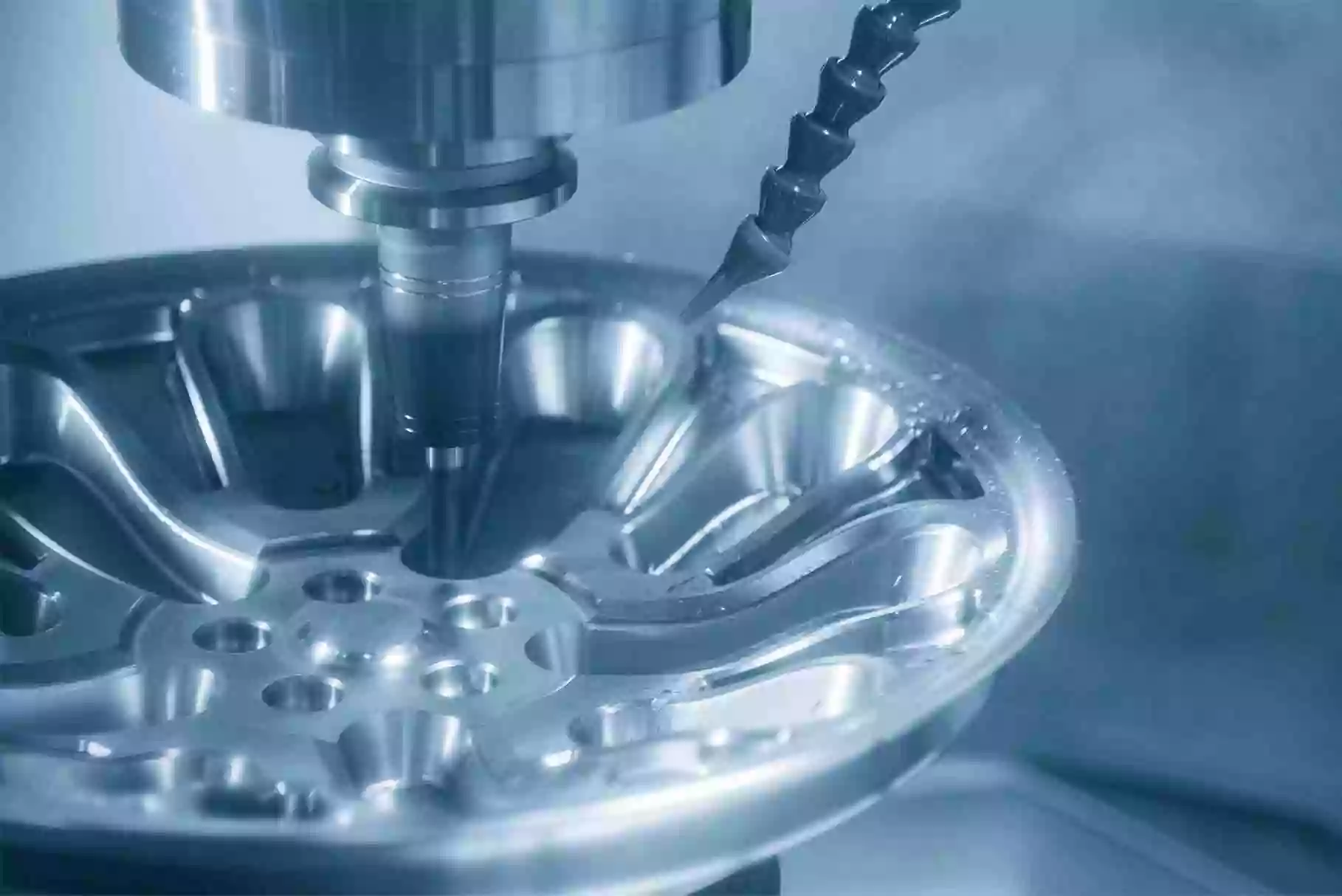
Aluminum’s high thermal conductivity leads to rapid heat accumulation during high-speed cutting, causing severe thermal expansion, dimensional drift, and post-machining warp in thin-wall aluminum parts CNC machining. We combat thermal accumulation by utilizing Thru-Spindle Coolant (TSC) high-pressure delivery and Minimum Quantity Lubrication (MQL) directly at the cutting zone to instantly dissipate heat. Simultaneously, we neutralize internal residual stress by applying a strict symmetrical material removal protocol and progressive rough-to-finish machining cycles. This combined defense eradicates thermal expansion and guarantees absolute structural flatness, reliably maintaining extreme thin-wall aluminum thicknesses down to 0.5 mm within tight tolerances of ±0.015 mm.
Our Manufacturing & Equipment
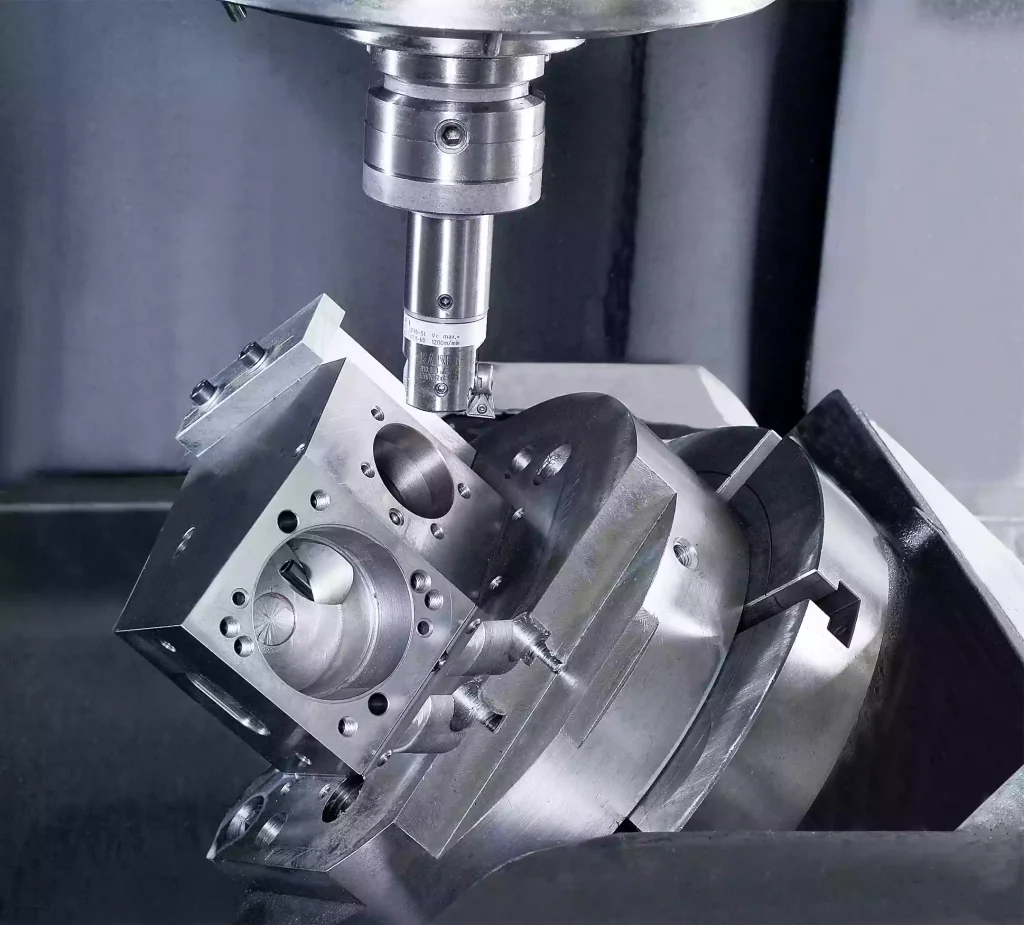
Thin-wall aluminum part machining demands extreme suppression of thermal displacement, machine vibration, and cumulative clamping errors. Our facility utilizes multi-axis CNC platforms, including 5-axis simultaneous milling centers equipped with high-RPM, thermally-stabilized spindles, minimizing cutting forces and eliminating multiple setups. The machining floor operates under a strict constant-temperature environment to prevent volumetric errors caused by ambient thermal fluctuations. For verification, our metrology lab implements low-force tactile probing, high-accuracy CMM, and optical 3D scanning to inspect delicate profiles without deformation. This integration of machine kinematics, climate control, and real-time process monitoring ensures strict dimensional tolerances and part-to-part consistency throughout high-volume production.
Technical Specifications
| Parameter | Capability / Range |
| Machining Dimensions | Maximum envelope up to 1500 mm × 800 mm × 500 mm |
| Minimum Wall Thickness | Down to 0.3 mm, depending on part geometry and aspect ratio |
| Dimensional Tolerance | Standard: ±0.02 mm | Precision: up to ±0.005 mm |
| Geometric Tolerance Control | Flatness, Parallelism, and True Position down to 0.02 mm on critical features |
| Surface Roughness | As-machined: Ra 0.8 μm | After finishing: up to Ra 0.4 μm |
| Compatible Aluminum Alloys | AL 6061-T6, AL 7075-T6, AL 5052, AL 2024, MIC-6 |
| Machining Capabilities | 3-Axis, 4-Axis, and Simultaneous 5-Axis CNC Milling |
| Thin-Wall Deformation Control | Advanced fixturing and optimized machining strategies to maintain dimensional stability |
| Post-Processing & Finishing | Anodizing (Type II/III), Bead Blasting, Polishing |
Quality Control & Certifications
In providing Thin-Wall Aluminum Parts CNC Machining Services, quality control is our core commitment throughout the entire process. Certified to ISO 9001 / AS9100, we address the common pain points of deformation and chatter with a robust assurance system:
Vacuum chucks or flexible fixture systems are utilized for "zero-strain" clamping to avoid clamping deformation. Cutting vibration is monitored in real-time to keep surface roughness within Ra ≤ 0.8μm.
To prevent thin walls from deflecting during probing, dimensional and GD&T tolerances are verified using CMMs with low-force probes or non-contact VMM/laser scanning. High-precision ultrasonic gauges are used for wall thickness checks.
We enforce strict First Article Inspection (FAI) before mass production. Every delivery includes material certificates, machining logs, and CMM inspection reports for 100% data traceability.
Surface Finishing for Thin-Wall Aluminum Parts CNC Machining
Our thin-wall aluminum parts support various surface treatments, including anodizing, bead blasting, polishing, and protective coatings. These finishes improve surface durability, corrosion resistance, and aesthetics while preserving the dimensional accuracy required for precision applications.
Why Choose Xtproto for Thin-Wall Aluminum Parts Machining
Our engineers apply optimized machining strategies, advanced fixturing methods, and precise cutting parameters to produce thin-wall aluminum parts while minimizing deformation and maintaining dimensional stability.
Equipped with 3-axis, 4-axis, and simultaneous 5-axis machining centers, we can efficiently machine complex thin-wall structures with fewer setups and improved feature accuracy.
Our team supports the entire manufacturing process, including DFM analysis, prototype machining, process optimization, and production scaling to ensure reliable part quality and delivery.
From anodizing and bead blasting to polishing and protective coatings, we provide complete finishing options to improve appearance, durability, and surface performance.
Design for Cost Reduction
- Optimize Wall Thickness
Improve rigidity and reduce machining time by selecting appropriate wall thickness. - Simplify Part Geometry
Reduce deep pockets, undercuts, and unsupported walls to minimize setup complexity. - Optimize Toolpaths
Use efficient roughing and finishing strategies to reduce stress and improve tool life. - Improve Workholding Design
Apply optimized fixturing solutions to reduce setup time and maintain part stability.
FAQ
What is Thin-Wall Aluminum Parts Machining?
What are the Core Advantages of Using Aluminum for Thin-Wall Components?
What are the Optimal Milling Settings for Machining Thin-Wall Aluminum?
Is 7075 Aluminum Really Better Than 6061 for Ultra-Thin Features?
Ready to Start Your Thin-Wall Project?
Whether you need aerospace-grade brackets or lightweight electronic enclosures, our team is ready to review your 3D CAD files and provide a DFM (Design for Manufacturability) analysis within 24 hours.