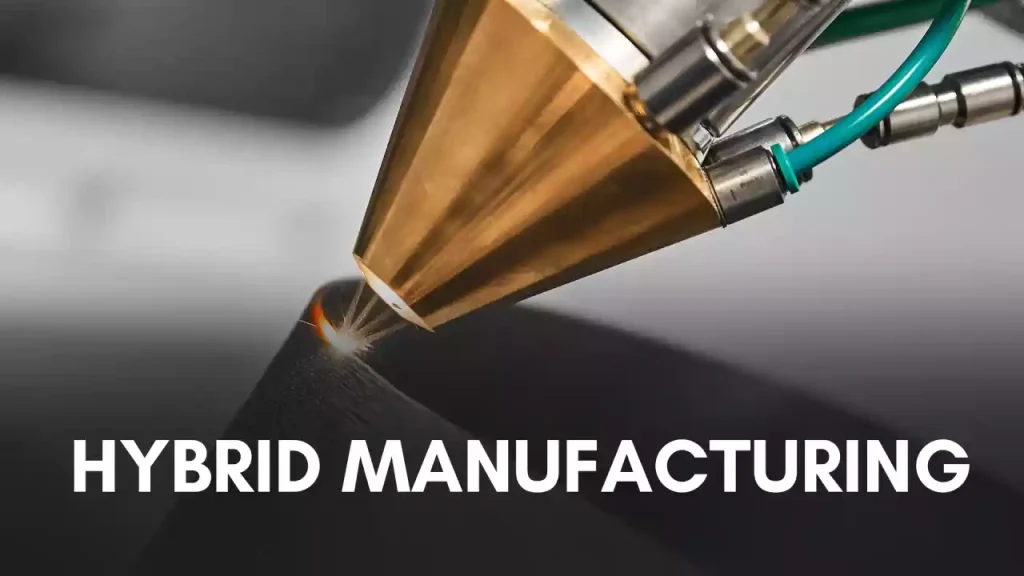
This article introduces Hybrid Manufacturing, an advanced manufacturing method that combines 3D printing (additive manufacturing) with CNC machining (subtractive manufacturing). It analyzes the limitations of traditional manufacturing methods in handling complex structures, high precision requirements, and rapid delivery, and explains how Hybrid Manufacturing leverages the advantages of both technologies to achieve efficient production of complex parts.
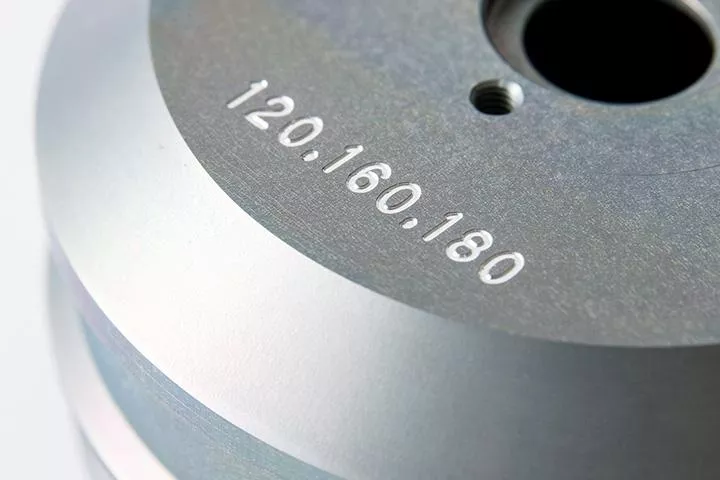
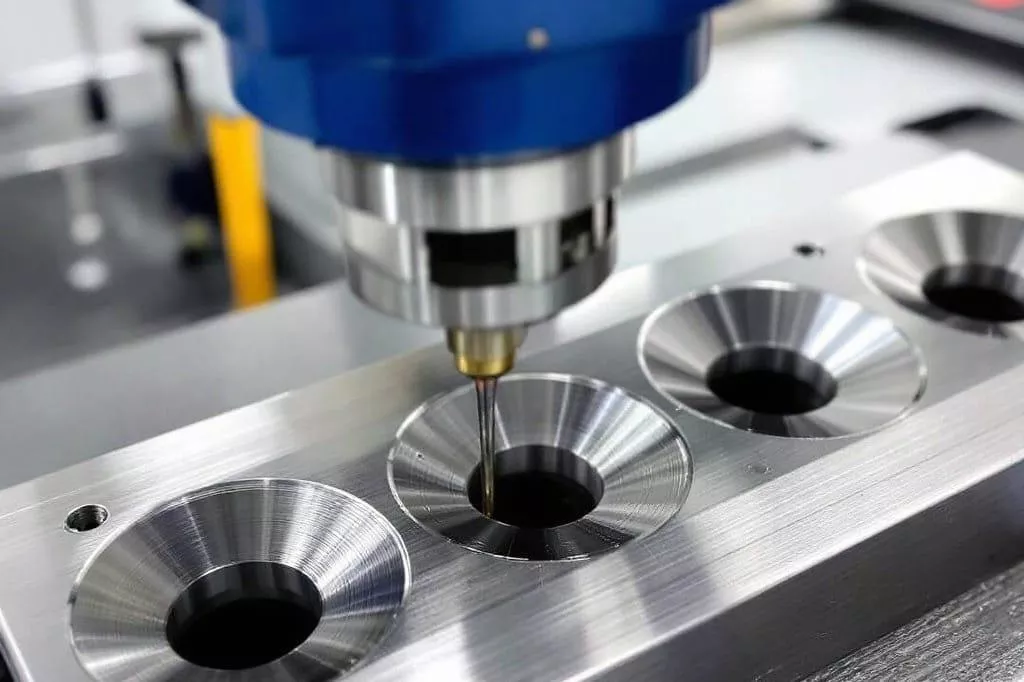
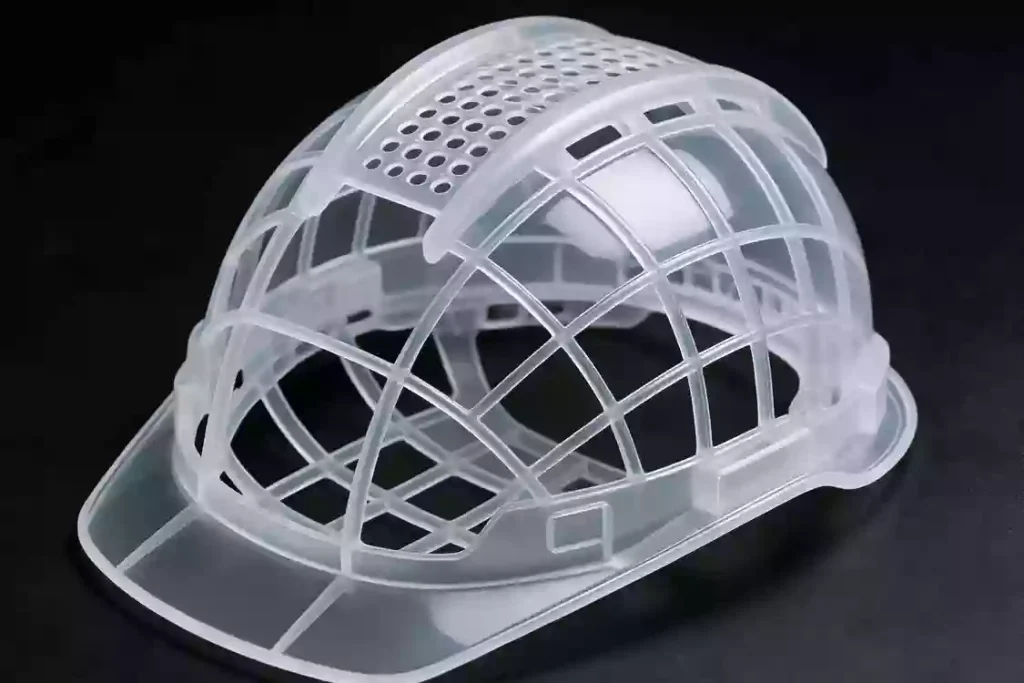
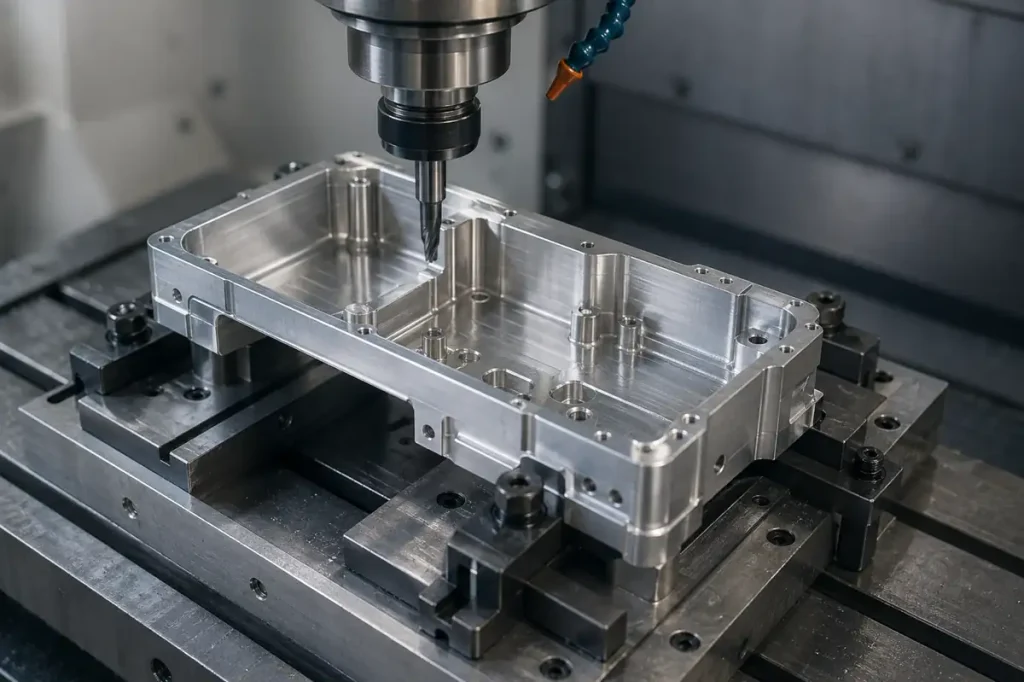
Hybrid Manufacturing typically involves first using 3D printing to create a near-final shape for complex structures, lightweight designs, or internal features, followed by CNC machining to complete precision holes, threads, mating surfaces, and high-quality surface treatments, thereby achieving higher dimensional accuracy and functional requirements.
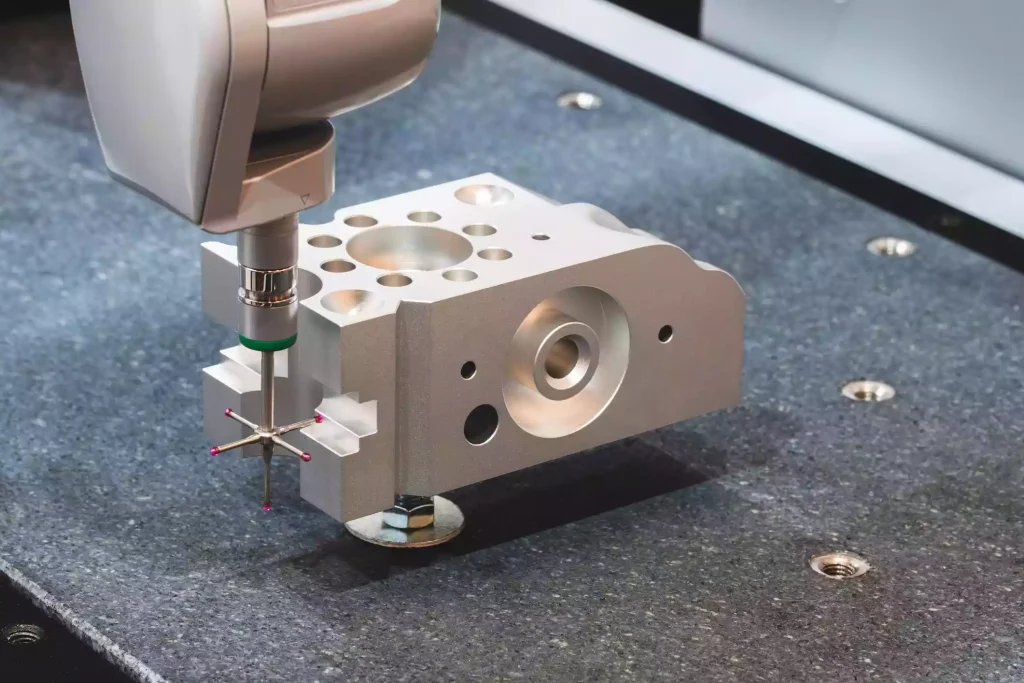
The article also explains the application areas, commonly used materials, technical challenges, and differences between Hybrid Manufacturing and standalone 3D printing or traditional CNC machining. Finally, it introduces how Xtproto utilizes advanced CNC machining capabilities to provide precision machining, surface treatment, and quality inspection support for Hybrid Manufacturing parts, helping customers transform complex designs into high-precision functional components.