wick

PP machining services for hero

What is CNC Machining Polypropylene (PP)?

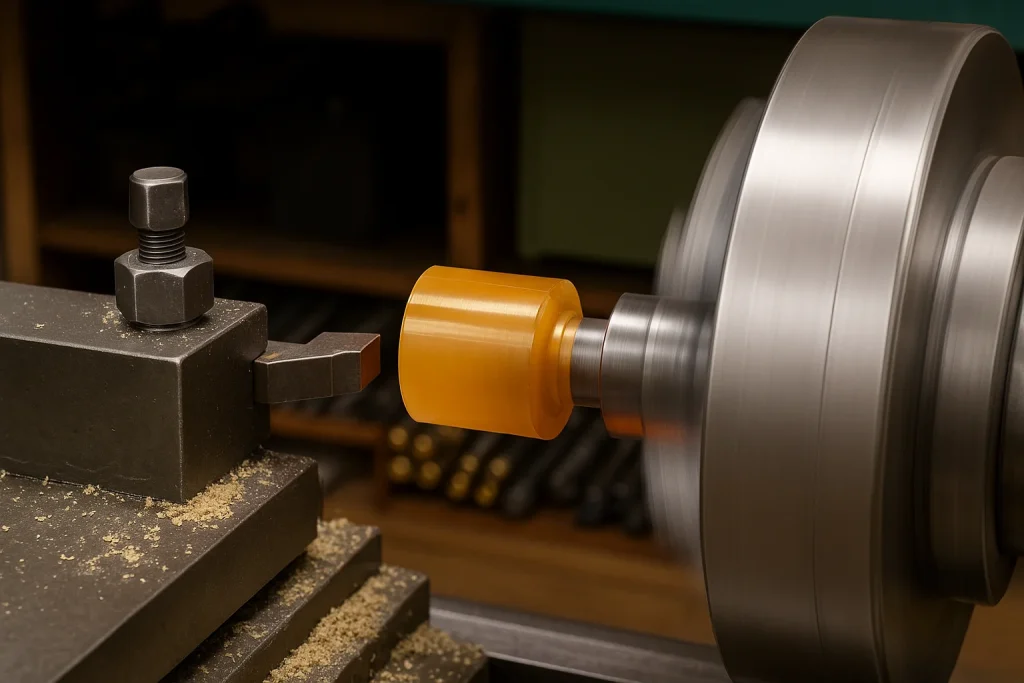
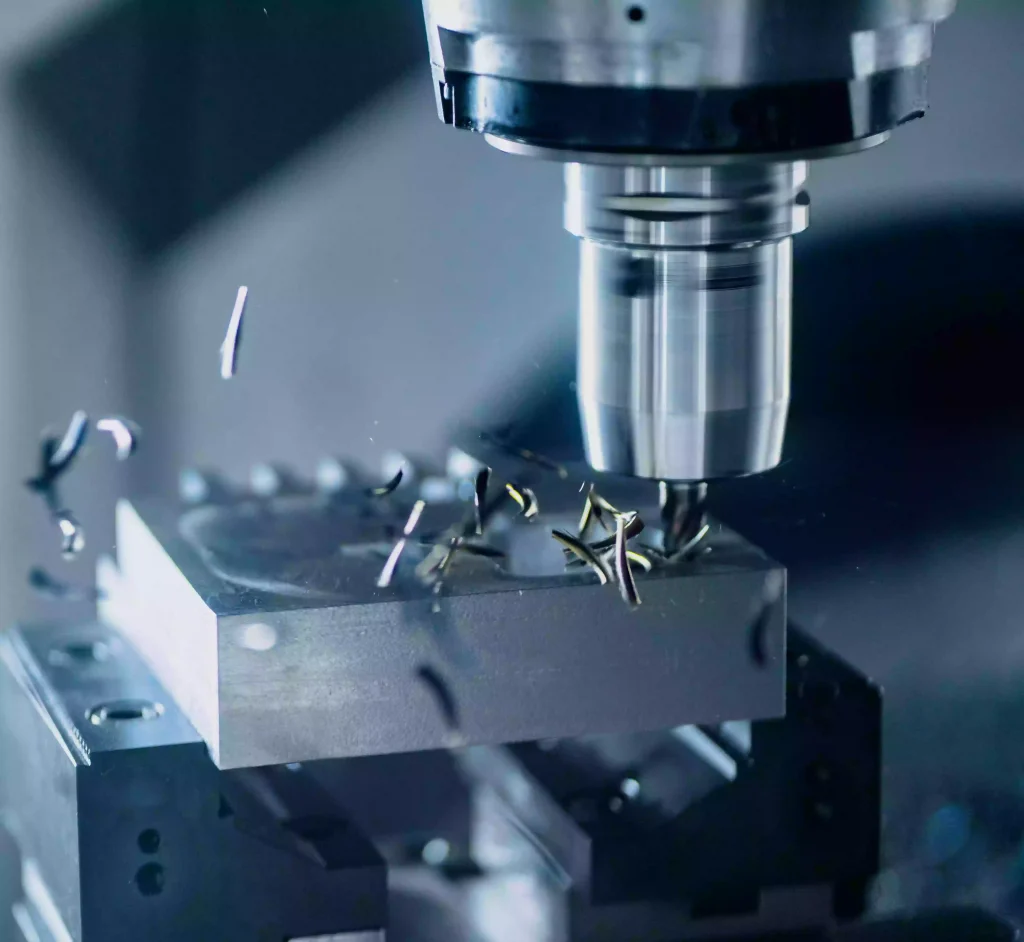
This article provides a comprehensive overview of CNC machining polypropylene (PP), covering material properties, machining principles, process workflows, tooling and equipment selection, CAM strategies, cost structure, and typical application scenarios. Although PP is low-cost and highly resistant to chemicals, it presents machining challenges such as poor thermal conductivity, heat-induced tool sticking, burr formation, and high thermal expansion, all of which require careful control of tool geometry, feed strategy, toolpath design, and workholding methods. The article also explains differences between PP grades in machining performance and highlights the importance of thermal management and stress control in achieving dimensional stability. Practical applications across industrial, medical, and consumer sectors are discussed to demonstrate its engineering value. Overall, successful PP machining depends on precise control of heat and material behavior rather than cutting speed alone.

What is CNC Machining Polypropylene (PP)? Read More »

HDPE vs. UHMW-PE: Differences, Machining Challenges, and Selection Guide

HDPE vs. UHMW-PE: Differences, Machining Challenges, and Selection Guide Choosing between HDPE and UHMW-PE is a common decision in plastic part design. Although both are polyethylene, they behave very differently in real machining and application conditions. The key is not just comparing material data, but understanding how molecular weight affects machining stability, tolerance control, and

HDPE vs. UHMW-PE: Differences, Machining Challenges, and Selection Guide Read More »

consumer electronics products

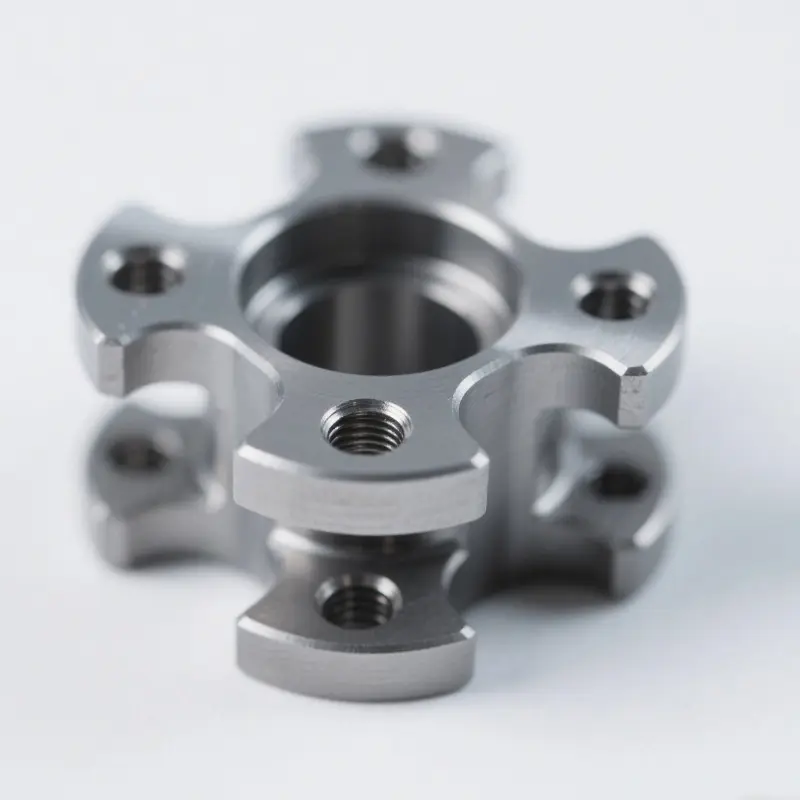
5 Common Design Challenges in Consumer Electronics CNC Machining

This article explores five key design challenges in CNC machining of consumer electronics, including ultra-thin wall stability, complex internal geometries for electromagnetic interference shielding, and surface consistency. It details specialized solutions such as vacuum fixtures and five-axis machining, providing engineers with a roadmap to bridge the gap between complex CAD designs and high-quality mass production.

5 Common Design Challenges in Consumer Electronics CNC Machining Read More »

Rubber material

CNC Machining Rubber vs. Injection Molding Rubber: Which is Right for Your Project?

CNC Machining Rubber vs. Injection Molding Rubber: Which is Right for Your Project? For decades, a prevailing assumption has circulated within the engineering field: the manufacturing of rubber parts is inextricably linked to the use of molds. It was long believed that the inherent properties of soft, elastic materials were too unstable to withstand precision

CNC Machining Rubber vs. Injection Molding Rubber: Which is Right for Your Project? Read More »

How to Choose the Right Material for Marine CNC Machining

How to Choose the Right Material for Marine CNC Machining The marine environment imposes extreme conditions on engineered components. Parts that perform reliably in industrial or automotive applications may fail rapidly in seawater due to chloride exposure, pressure variation, and long-term immersion. In marine CNC machining, material selection is not only a mechanical decision. Corrosion

How to Choose the Right Material for Marine CNC Machining Read More »

CNC Acrylic Machining Tips & Techniques

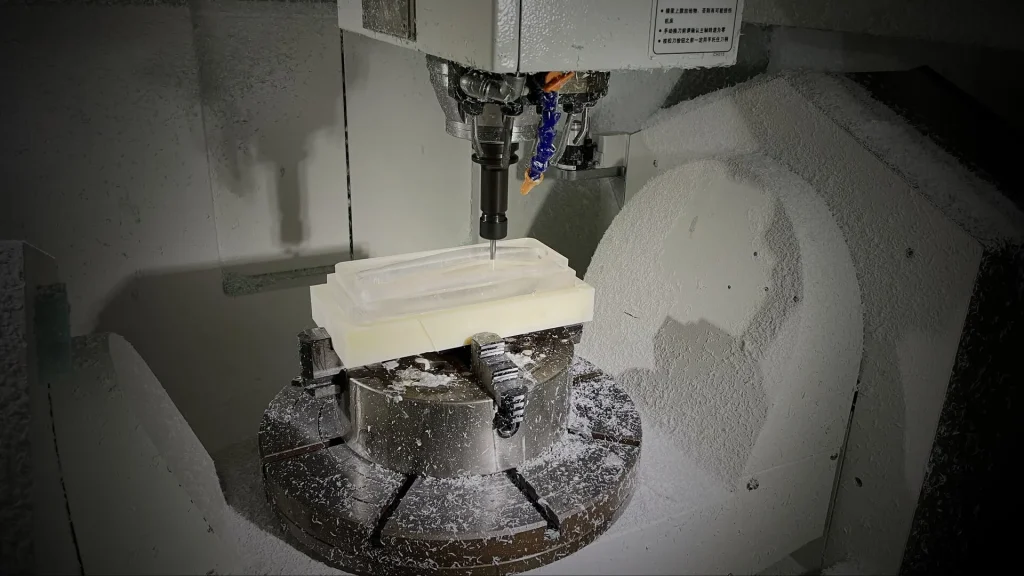
CNC Acrylic Machining Tips & Techniques: The Engineer’s Guide to Optical Clarity Acrylic resin (PMMA), also known as polished polymethyl methacrylate, offers up to 92% light transmission—surpassing even glass—making it a popular choice in high-end manufacturing. Transparent and durable, it’s ideal for display pieces, lighting panels, and precision components. However, PMMA is highly sensitive to

CNC Acrylic Machining Tips & Techniques Read More »

The Importance of CNC Machining in Telecommunication Systems: Beyond Precision to Signal Integrity

The Importance of CNC Machining in Telecommunication Systems: Beyond Precision to Signal Integrity Telecommunication technology has undergone a remarkable transformation over the past few decades. Where once voice and data traveled over simple copper lines, today signals are transmitted across fiber-optic networks, microwave links, and satellites orbiting the Earth. Each leap in technology—from 4G to

The Importance of CNC Machining in Telecommunication Systems: Beyond Precision to Signal Integrity Read More »

Military CNC Machining Applications: Beyond the Basics of Defense Manufacturing

Military CNC Machining Applications: Beyond the Basics of Defense Manufacturing In the high-stakes world of modern defense, the margin for error is non-existent. Military CNC Machining Applications represent the bridge between advanced engineering blueprints and battlefield-ready hardware, where components must perform under extreme thermal stress and kinetic impact that would destroy standard industrial parts. From

Military CNC Machining Applications: Beyond the Basics of Defense Manufacturing Read More »

The Future of Energy: Why Precision CNC Machining is Non-Negotiable

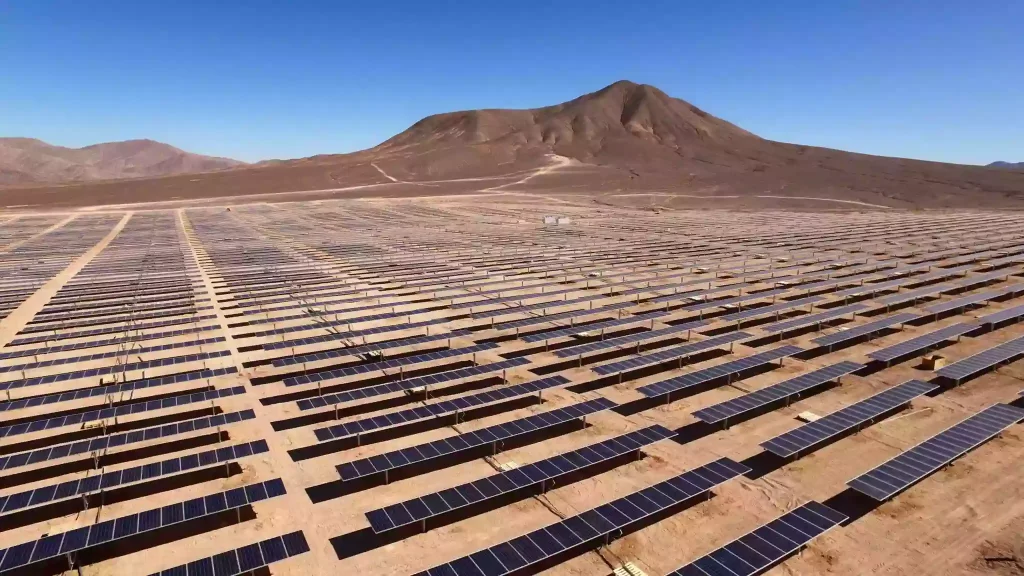
The Future of Energy: Why Precision CNC Machining is Non-Negotiable If you’ve ever spent time on an offshore rig or at a remote wind farm, you know that “good enough” doesn’t exist in the energy sector. I’ve seen firsthand how a single failed valve or a slightly out-of-tolerance coupling can shut down an entire operation,

The Future of Energy: Why Precision CNC Machining is Non-Negotiable Read More »

Scroll to Top