Alloy Steel vs. Stainless Steel in CNC Machining
This article compares alloy steel and stainless steel in CNC machining from material properties, machining behavior, and cost perspective.
Alloy steel is optimized for strength and fatigue resistance, offering excellent machinability, strong heat-treatment response, and high performance under heavy loads, but it requires protective coatings to prevent corrosion. Stainless steel focuses on corrosion resistance through a chromium oxide passive layer, making it ideal for harsh or wet environments, but it is more difficult to machine due to work hardening, low thermal conductivity, and tool wear issues.
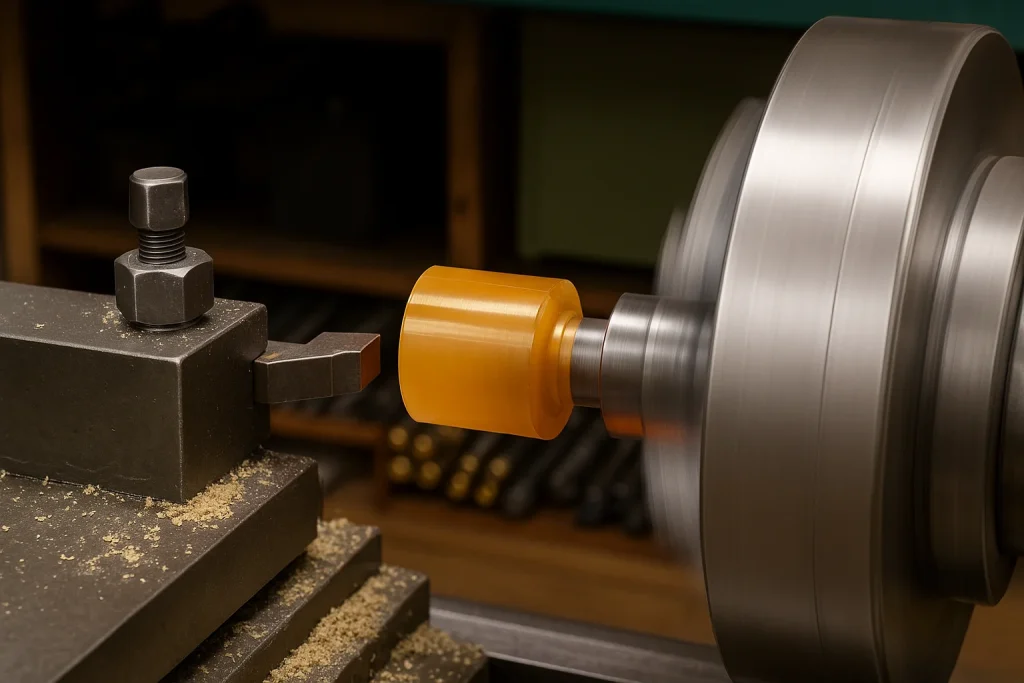
In machining, alloy steel allows faster cutting speeds and longer tool life, while stainless steel requires slower parameters and specialized tooling. In long-term use, alloy steel performs better in high-stress mechanical systems, whereas stainless steel excels in corrosive or sanitary applications.
From a TCO standpoint, alloy steel has lower upfront cost but may require extra surface treatment and maintenance, while stainless steel has higher initial cost but lower lifecycle maintenance.
Overall, the choice depends on balancing strength requirements, environment, machinability, and total cost.
Alloy Steel vs. Stainless Steel in CNC Machining Read More »